 EN
EN
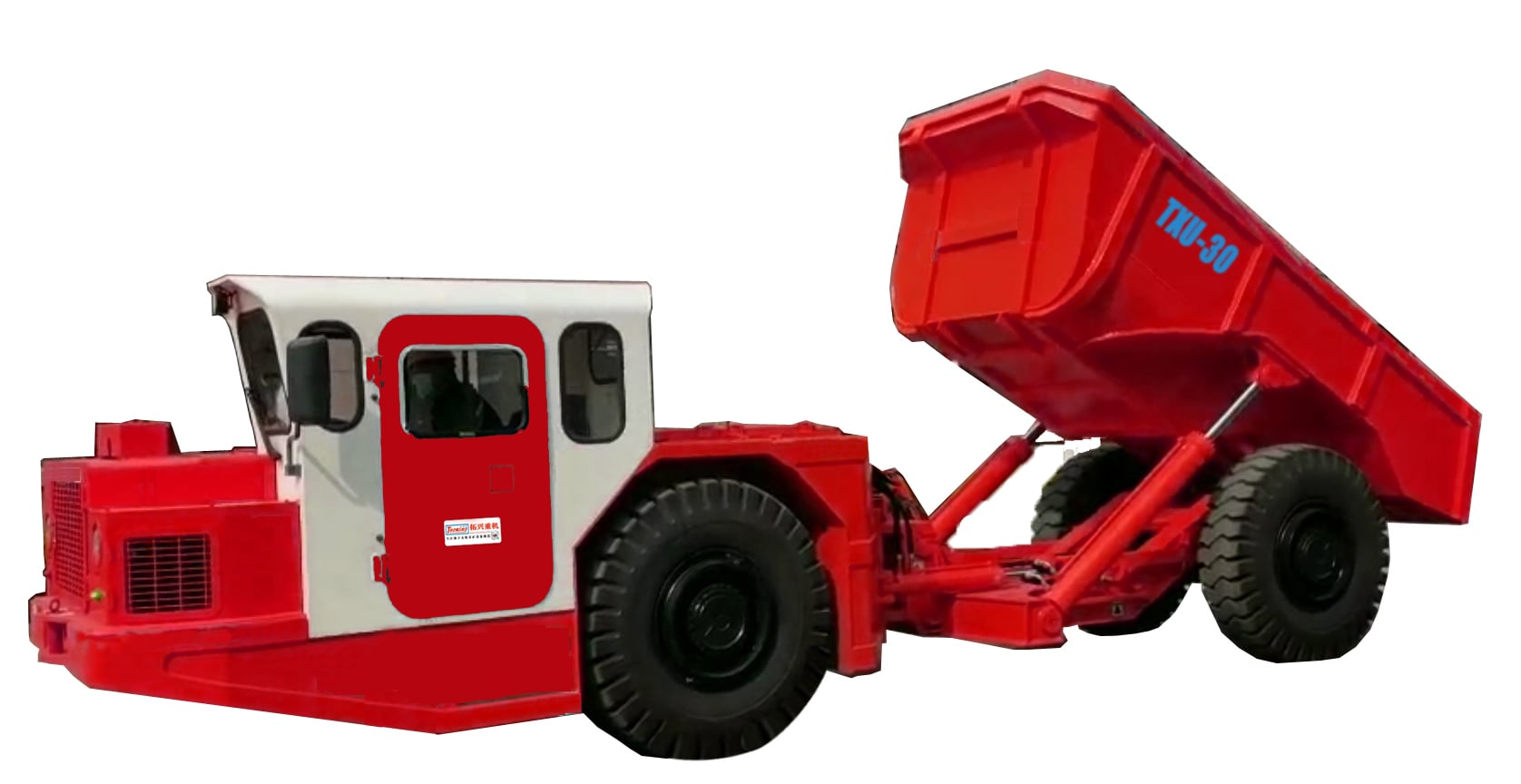
When a maintenance team inspects an underground truck, the focus often falls on the most visible or loudest problems. Squealing noises, obvious pad wear, or a dragging sensation tend to get immediate attention. However, a significant number of brake-related failures on an underground truck originate from components that are systematically passed over during routine checks, not because they are unimportant, but because they are easy to miss without a structured inspection protocol.
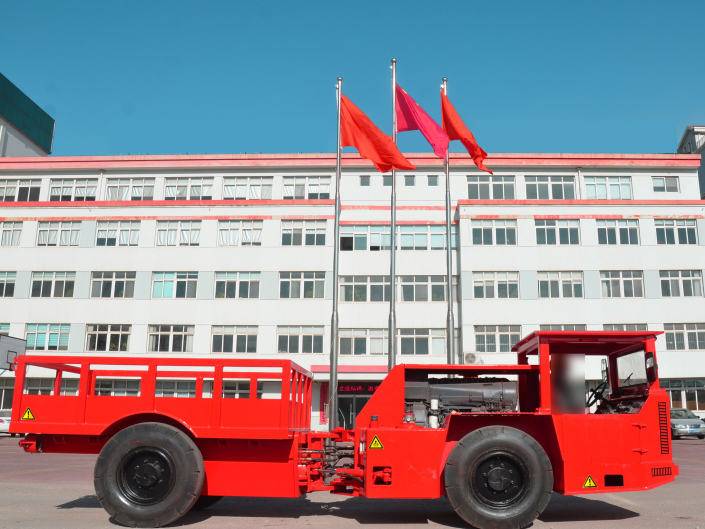
The demanding environment inside a mine places every underground truck under conditions that accelerate brake component wear in ways that surface vehicles never experience. Dust, moisture, extreme gradients, and continuous load cycles combine to degrade brake hardware faster than standard schedules anticipate. Knowing exactly which components are most frequently overlooked on an underground truck is the first step toward eliminating preventable downtime and protecting both equipment and personnel.
The Brake Components Most Commonly Missed
Brake Hoses and Flexible Lines
On every underground truck, the brake hoses that connect rigid lines to the wheel assemblies are exposed to constant flexing, heat cycles, and abrasive dust. Technicians working on an underground truck tend to check caliper condition and pad thickness while leaving the hoses unexamined unless a visible leak is already present. This is a critical oversight. A brake hose on an underground truck can develop internal delamination that partially blocks fluid flow or causes a one-way valve effect, resulting in brake drag or delayed release without any external sign of failure. Inspection should include squeezing the hose along its length to detect internal collapse and checking the fittings at both ends for micro-cracks.
The underground truck environment accelerates rubber degradation more quickly than surface conditions. Heat from prolonged descents and chemical exposure from mining atmospheres attack hose compounds continuously. Every underground truck maintenance program should include hose replacement intervals based on operating hours rather than visual condition alone, because internal deterioration is simply not visible from the outside.
Caliper Slide Pins and Mounting Hardware
Caliper slide pins are among the most overlooked components on any underground truck brake system. These pins allow the caliper to float and apply even pressure across both brake pads. When the slide pins on an underground truck seize due to corrosion, contaminated grease, or physical damage from debris, the caliper no longer moves freely. The result is uneven pad wear, reduced braking effectiveness, and accelerated rotor wear. Because an underground truck operates on rough gradients where maximum braking force is essential, seized slide pins present a genuine safety risk that develops silently over time. Greasing and inspecting slide pins at every service interval is non-negotiable for a working underground truck fleet.
Overlooked Hydraulic and Mechanical Wear Points
Master Cylinder Bore Wear
The master cylinder on an underground truck is rarely replaced until it fails outright. Yet bore wear inside the master cylinder causes fluid bypass, which reduces pedal firmness and extends stopping distance on an underground truck without triggering any obvious warning. On underground truck applications where gradient braking is routine, even a small loss of hydraulic efficiency translates into meaningfully longer stopping distances. Technicians should check master cylinder output pressure during servicing and look for signs of fluid contamination or internal weeping that suggest bore wear. Replacing the master cylinder on a scheduled basis based on hours of operation is more reliable than waiting for a performance complaint on an underground truck.
Brake Adjuster Mechanisms
Automatic or manual brake adjusters on an underground truck maintain the correct clearance between the brake drum or rotor and the friction material. In the abrasive underground truck environment, adjusters frequently seize or wear past their effective range. When an adjuster fails on an underground truck, brake application travel increases without the operator necessarily noticing immediately, especially during lower-load runs. Over time, the increased travel reduces the mechanical advantage of the system and can lead to complete loss of braking on an underground truck during a loaded descent. Adjuster condition should be verified at every major service, not assumed to be functional simply because the brake still engages.
Environmental Factors That Accelerate Hidden Wear
Dust and Debris Ingestion into Brake Assemblies
An underground truck operates in a permanently dusty environment where fine particulate matter infiltrates every unsealed gap. Brake dust shields and backing plates on an underground truck are designed to limit this ingestion, but they wear, crack, or become displaced. Once debris accumulates between the pad and rotor on an underground truck, abrasive scoring begins that is not detectable without dismantling the assembly. The scored rotor surface then reduces friction consistency, making braking behavior on the underground truck unpredictable under heavy load. Dust shield integrity should be confirmed visually at every wheel-off inspection, and any underground truck showing uneven rotor wear patterns should be investigated for shield damage before new pads are simply fitted.
Moisture and Brake Fluid Contamination
Underground truck operations frequently involve water ingress from mine drainage or cleaning processes. Moisture entering the brake fluid reservoir of an underground truck lowers the boiling point of the fluid significantly. On a loaded underground truck descending a steep grade, prolonged brake application generates enough heat to cause vapor lock if the fluid has absorbed sufficient moisture. This condition causes a sudden and dramatic loss of braking that is particularly dangerous for an underground truck carrying heavy material loads. Fluid condition should be tested with a refractometer or moisture test strip at each scheduled service on the underground truck, and fluid should be replaced based on measured moisture content rather than appearance.
FAQ
How often should brake hoses be replaced on an underground truck?
Brake hoses on an underground truck should be replaced based on operating hour intervals recommended by the manufacturer rather than visual inspection alone, because internal degradation is not visible. In high-intensity underground truck applications, this interval is often shorter than standard guidelines suggest due to elevated heat and chemical exposure.
What symptom indicates seized caliper slide pins on an underground truck?
The most common symptom of seized slide pins on an underground truck is uneven pad wear, where one pad wears significantly faster than the other on the same axle. The underground truck may also pull to one side during braking or show premature rotor wear on the affected side.
Why is brake fluid moisture testing important for an underground truck?
Moisture in brake fluid lowers its boiling point, increasing the risk of vapor lock during the prolonged braking events that are routine on an underground truck. Testing fluid moisture content directly on the underground truck at each service interval ensures the hydraulic system maintains sufficient heat resistance for safe gradient operation.