
 EN
EN
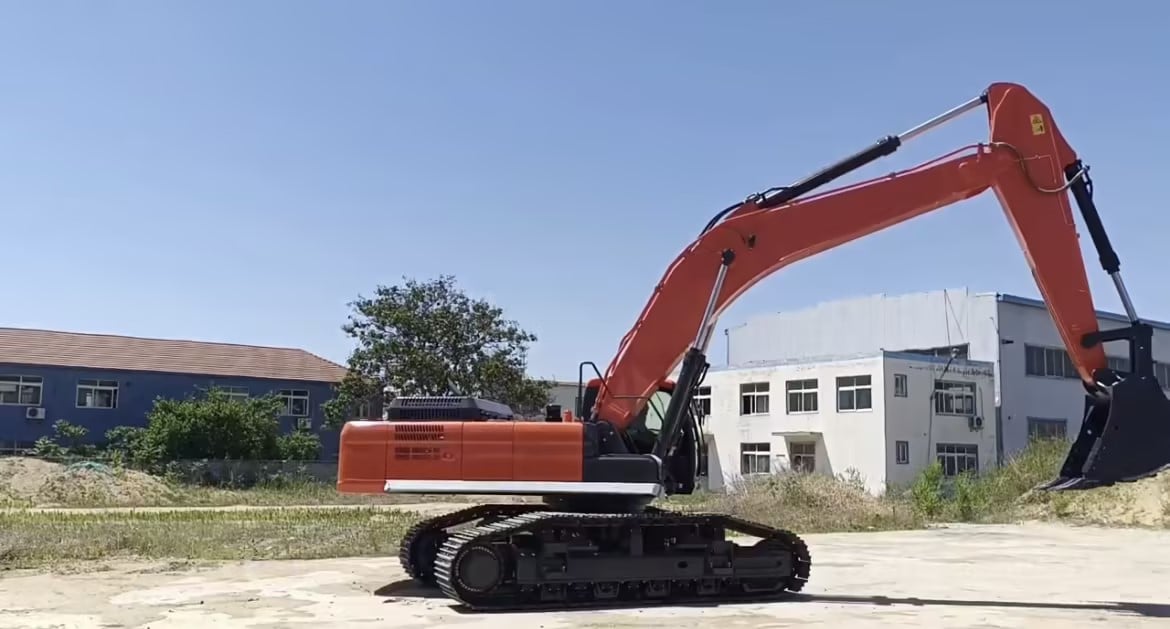
Tire blowouts caused by overloading represent one of the most dangerous hazards in underground mining operations. When haul trucks exceed their designed weight capacity, the excessive stress on tires can lead to catastrophic failures that endanger operators, damage expensive equipment, and halt production. The question mining operators frequently ask is whether onboard weighing systems can effectively prevent these tire blowouts from overloading. The answer is yes, when properly implemented and maintained, onboard weighing systems provide real-time load monitoring that directly prevents overloading conditions before they compromise tire integrity.
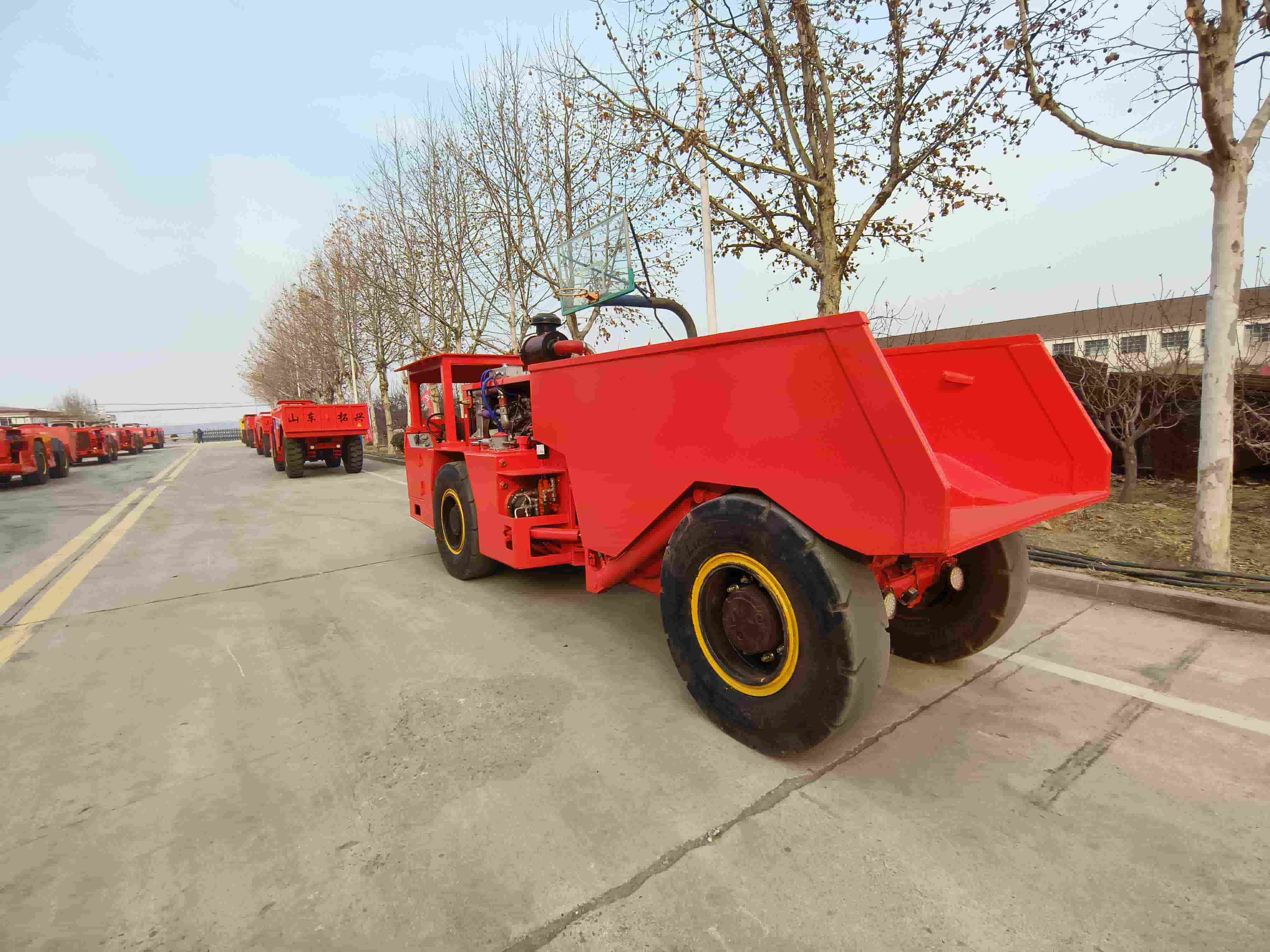
Underground mining environments create unique challenges for load management. Limited visibility, confined spaces, and pressure to maximize payload efficiency often lead operators to push weight limits. Traditional methods of load estimation based on visual assessment or bucket counts are notoriously unreliable. onboard weighing systems eliminate this guesswork by providing precise, immediate weight data directly in the operator cabin. This technology transforms load management from reactive problem-solving to proactive prevention, addressing overloading before it causes tire damage.
How Onboard Weighing Systems Detect and Prevent Overloading
Real-Time Load Monitoring Capabilities
Onboard weighing systems utilize advanced sensor technology integrated into the truck's hydraulic or suspension systems to measure payload weight continuously during the loading cycle. These systems calculate total vehicle weight by monitoring pressure changes in hydraulic cylinders or measuring suspension compression as material is added to the truck bed. The data processing happens in milliseconds, allowing operators to see accumulating weight in real time on dashboard displays. This immediate feedback enables operators to stop loading the instant the target weight is approached, preventing even momentary exceedance of safe capacity limits that could initiate tire stress damage.
Automated Warning and Load Limit Enforcement
Modern onboard weighing systems incorporate programmable alarm thresholds that activate visual and audible warnings when loads approach predefined limits. These safety features can be configured to alert at 90%, 95%, and 100% of rated capacity, giving operators multiple intervention points. Advanced onboard weighing systems can interface with truck control systems to automatically restrict further loading or prevent vehicle movement when dangerous overload conditions are detected. This automated enforcement removes human error and judgment variability from the safety equation, ensuring consistent adherence to weight specifications regardless of production pressure or operator experience level.
The Direct Connection Between Overloading and Tire Failure
Understanding Tire Load Rating and Failure Mechanisms
Every underground mining truck tire carries a specific load rating determined by its construction, materials, and design parameters. When onboard weighing systems reveal loads exceeding these ratings, the tire structure experiences stress beyond its engineered tolerance. Overloading causes excessive heat buildup within the tire carcass as the sidewalls flex beyond their optimal range. This thermal stress degrades rubber compounds and weakens the tire's internal structure. The steel belts and fabric plies that reinforce the tire begin to separate, creating weak points where catastrophic failures initiate. Without onboard weighing systems to prevent these overload conditions, tires operate in a failure-prone state that drastically reduces their service life and increases blowout risk.
How Weight Distribution Affects Tire Stress
Onboard weighing systems not only measure total payload but can also identify uneven load distribution that creates localized tire overloading. When material settles unevenly in the truck bed or loading occurs off-center, individual tires may carry disproportionate weight even when total payload remains within specifications. This uneven loading causes some tires to exceed their individual capacity while others remain underutilized. Advanced onboard weighing systems with multiple load cells can detect these distribution imbalances and alert operators to reposition loads before transport. This capability addresses a hidden overloading scenario that contributes significantly to premature tire failure in underground operations where uneven floor conditions and tight maneuvering exacerbate distribution problems.
Operational Benefits Beyond Tire Blowout Prevention
Extended Equipment Lifespan and Reduced Maintenance
While preventing tire blowouts represents the most immediate safety benefit, onboard weighing systems deliver broader equipment protection advantages. Consistent operation within design weight parameters reduces stress on transmissions, brakes, frames, and suspension components. Underground trucks equipped with onboard weighing systems experience fewer structural cracks, reduced bearing wear, and extended brake life compared to operations relying on estimation methods. The data collected by onboard weighing systems creates maintenance records that help identify emerging problems before they cause failures. Maintenance teams can track cumulative overload events and correlate them with component inspection findings, enabling predictive maintenance strategies that prevent costly breakdowns in difficult-to-access underground locations.
Productivity Optimization Through Accurate Loading
Onboard weighing systems eliminate the productivity loss associated with both underloading and overloading. Without accurate weight measurement, operators often underload trucks to avoid overweight penalties, leaving payload capacity unused on every cycle. Conversely, attempts to maximize loads without onboard weighing systems result in frequent overloading that necessitates partial unloading or creates safety delays. Onboard weighing systems enable operators to consistently achieve optimal payloads that maximize truck utilization without exceeding safe limits. This precision translates to more tons moved per shift, reduced fuel consumption per ton hauled, and improved overall operational efficiency. The production gains from onboard weighing systems often justify the system investment within months through increased throughput alone.
Compliance and Safety Documentation
Regulatory bodies increasingly require documented proof of load management practices in underground mining operations. Onboard weighing systems with data logging capabilities automatically create time-stamped weight records for every load cycle. These records demonstrate compliance with internal safety protocols and regulatory weight restrictions during safety audits and incident investigations. When tire failures do occur, onboard weighing systems data can definitively establish whether overloading contributed to the failure or whether other factors were responsible. This documentation protects operations from liability claims and helps safety teams identify root causes of equipment problems. Insurance providers often recognize operations using onboard weighing systems as lower-risk and may offer premium reductions based on the documented load management practices these systems enable.
FAQ
How accurate are onboard weighing systems in preventing overload conditions?
Onboard weighing systems typically achieve accuracy within plus or minus two percent of actual payload weight when properly calibrated and maintained. This precision level is more than sufficient to prevent overloading, as the systems can be programmed with safety margins that account for measurement tolerance. Regular calibration using certified test weights ensures onboard weighing systems maintain their accuracy despite the harsh conditions of underground mining. The key to effectiveness is not just measurement accuracy but the real-time nature of the data, which allows operators to make immediate loading adjustments before overload conditions develop.
Can onboard weighing systems work reliably in underground mining conditions?
Modern onboard weighing systems are specifically engineered to withstand the extreme conditions found in underground mining operations. The sensor components and electronic systems are sealed against moisture, dust, and corrosive atmospheres common in underground environments. Onboard weighing systems use vibration-dampened mounting systems and robust sensor designs that maintain calibration despite constant shock and vibration exposure. Many onboard weighing systems have proven operational lifespans exceeding ten years in continuous underground service when maintenance protocols are followed. The systems function reliably in temperature extremes and maintain accuracy on uneven underground floors where traditional scales would be impractical.
What maintenance do onboard weighing systems require to remain effective?
Onboard weighing systems require periodic calibration checks, typically quarterly or after any significant impact or repair to the truck suspension or hydraulic systems. Maintenance includes visual inspection of sensor mounting points, verification of electrical connections, and software updates when manufacturers release improvements. The calibration process involves loading the truck with known weights and adjusting the system response to match actual values. Most onboard weighing systems include self-diagnostic features that alert maintenance teams to sensor drift or component failures before they affect measurement accuracy. Proper maintenance ensures onboard weighing systems continue delivering the precise load data necessary to prevent tire overloading throughout the equipment's service life.