
 EN
EN
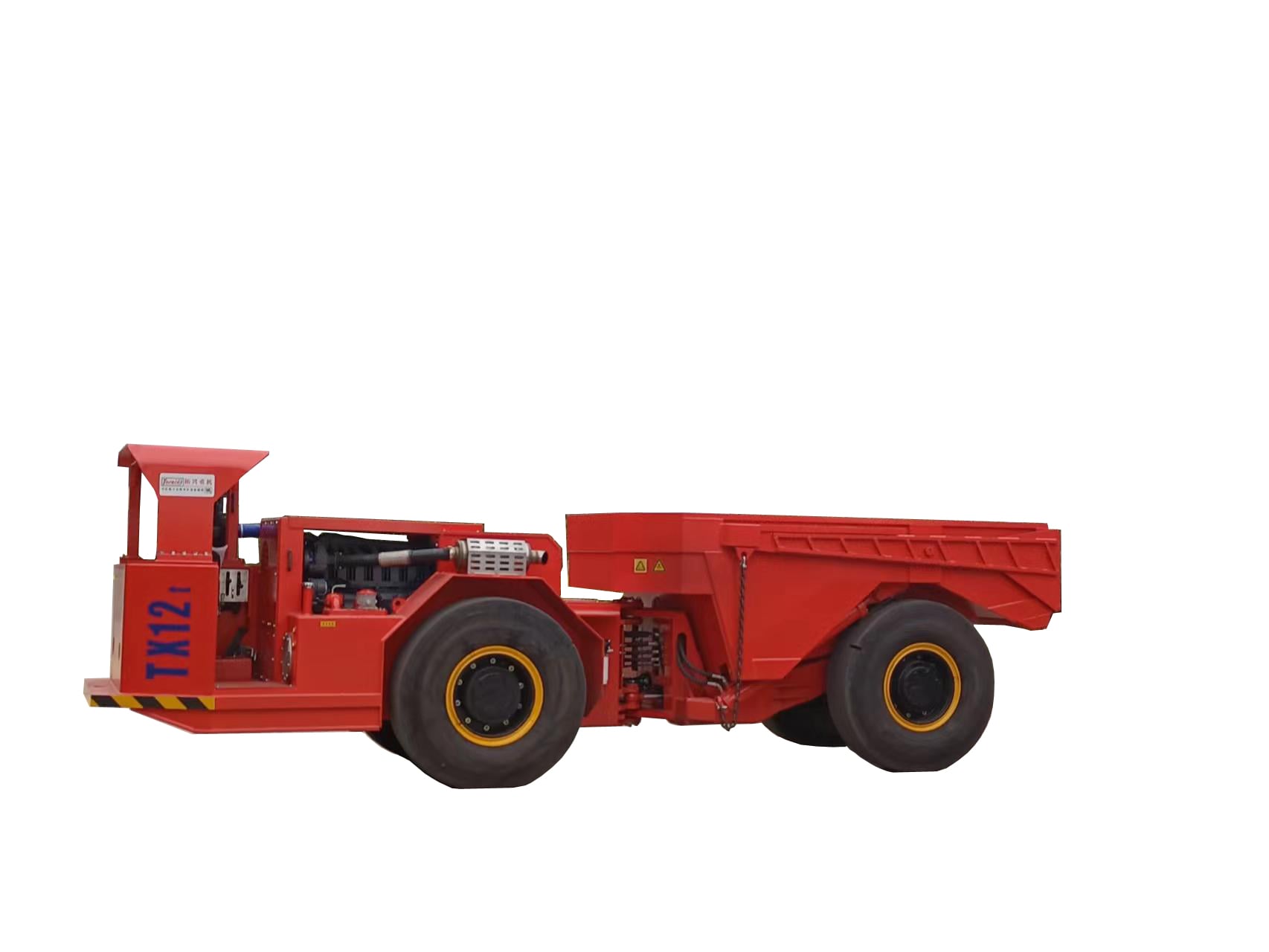
Selecting the right underground truck dimensions is critical for maximizing operational efficiency and safety in underground mining environments. When drift width and turning radius are not properly matched to underground truck dimensions, mining operations face costly delays, equipment damage, and serious safety hazards. Understanding how to evaluate underground truck dimensions against your specific drift geometry ensures smooth material transport, prevents collisions, and optimizes your underground haulage system. This guide provides practical methods for choosing underground truck dimensions that align with your drift width constraints and turning radius requirements.

Underground truck dimensions directly determine whether a vehicle can navigate your mine's drift network safely and productively. The relationship between underground truck dimensions, drift width, and turning radius forms the foundation of equipment selection decisions. Choosing underground truck dimensions without thoroughly analyzing drift geometry leads to operational bottlenecks, increased maintenance costs, and potential safety incidents. This article explains the systematic approach to evaluating underground truck dimensions based on your specific drift width measurements and required turning radius performance.
Understanding the Relationship Between Underground Truck Dimensions and Drift Width
Critical Dimensional Parameters for Drift Navigation
The primary underground truck dimensions that affect drift navigation include overall width, wheelbase length, front overhang, and rear overhang. When evaluating underground truck dimensions against drift width, the overall vehicle width must allow adequate clearance on both sides to prevent wall contact during normal operation. Industry standards typically require a minimum clearance of 0.3 to 0.5 meters on each side of the underground truck dimensions to account for operator error, uneven drift surfaces, and emergency maneuvering. The wheelbase length within underground truck dimensions affects how the vehicle tracks through curves and impacts the minimum drift width needed for safe passage.
Calculating Minimum Drift Width Requirements
To determine minimum drift width for specific underground truck dimensions, add the vehicle's overall width to twice the required side clearance, then add an additional safety margin of 10 to 15 percent. For example, if underground truck dimensions specify an overall width of 2.4 meters and you require 0.4 meters of clearance per side, the minimum drift width becomes 3.2 meters plus safety margin, resulting in approximately 3.5 to 3.7 meters. Underground truck dimensions must also account for load overhang when the vehicle carries wide materials or equipment. Evaluating underground truck dimensions against actual measured drift width rather than design specifications prevents costly sizing errors, as drift dimensions often vary due to ground movement, scaling operations, and construction tolerances.
Analyzing Turning Radius Requirements for Underground Truck Dimensions
How Turning Radius Affects Underground Truck Dimensions Selection
Turning radius represents the minimum space underground truck dimensions require to complete a 180-degree turn, typically measured from the outer wheel track. The turning radius directly correlates with underground truck dimensions such as wheelbase, steering angle capability, and articulation design. Shorter wheelbase underground truck dimensions generally provide tighter turning radius performance, making them suitable for narrow drift intersections and confined work areas. When comparing underground truck dimensions, articulated steering designs typically achieve 30 to 40 percent smaller turning radius compared to conventional steering configurations with similar overall dimensions. The underground truck dimensions you select must enable the vehicle to navigate your tightest intersection or turnaround point without requiring multiple-point turns.
Testing Turning Radius Against Drift Intersection Geometry
Before finalizing underground truck dimensions, conduct geometric analysis of critical intersection points where vehicles must turn. Map the turning radius requirements by measuring available maneuvering space at each intersection, accounting for obstacles such as ventilation infrastructure, electrical installations, and ground support elements. Underground truck dimensions should provide turning radius performance that allows completion of required turns with at least 0.2 meters clearance from walls and obstacles. For underground truck dimensions in operations with multiple intersection types, select the turning radius specification that satisfies your most restrictive turn while remaining efficient for typical hauls. Creating scale drawings or digital models that overlay underground truck dimensions and turning radius arcs onto drift layouts identifies potential clearance problems before equipment purchase.
Practical Decision Framework for Underground Truck Dimensions Selection
Step-by-Step Evaluation Process
Begin underground truck dimensions evaluation by documenting actual drift width measurements at the narrowest points along planned haul routes, including variations caused by ground conditions. Next, identify all locations where the vehicle must turn, recording available maneuvering space and geometric constraints. Compare candidate underground truck dimensions against these measurements, calculating required clearances and verifying turning radius capability at each critical point. Underground truck dimensions evaluation should include operational factors such as typical load configurations, expected traffic patterns, and maintenance access requirements. Consider how underground truck dimensions interact with other mobile equipment in your fleet, ensuring compatible passing clearances and coordination procedures.
Balancing Underground Truck Dimensions with Payload Capacity
While smaller underground truck dimensions improve maneuverability in restricted drifts, they typically reduce payload capacity and may decrease operational productivity. Evaluate the productivity trade-offs by calculating trips per shift for different underground truck dimensions and payload combinations. In some operations, selecting slightly larger underground truck dimensions with higher payload capacity but requiring drift widening at key bottlenecks proves more economical than choosing undersized underground truck dimensions that require excessive trips. Underground truck dimensions decisions should incorporate total cost analysis including equipment purchase price, operating costs, drift development expenses, and expected service life. The optimal underground truck dimensions balance geometric fit, turning radius performance, payload capacity, and overall system productivity.
FAQ
What clearance should I plan between underground truck dimensions and drift walls?
Plan for 0.3 to 0.5 meters of clearance on each side of the underground truck dimensions, depending on drift conditions, operator experience, and vehicle speed. Operations with rough drift surfaces, poor visibility, or less experienced operators should use the higher clearance values. This clearance in underground truck dimensions accounts for normal steering variations, uneven ground, and provides space for emergency maneuvering. Always add a 10 to 15 percent safety margin to calculated minimum drift width when evaluating underground truck dimensions.
How does wheelbase length in underground truck dimensions affect turning radius?
Longer wheelbase in underground truck dimensions increases turning radius, requiring more space to complete turns. The relationship is approximately linear—a 20 percent increase in wheelbase typically increases turning radius by 15 to 20 percent for conventional steering underground truck dimensions. Articulated steering underground truck dimensions partially offset wheelbase effects through pivot-point steering, achieving tighter turning radius despite similar overall length. When comparing underground truck dimensions, prioritize turning radius specifications tested under loaded conditions, as payload significantly affects actual turning performance.
Can I modify underground truck dimensions after purchase to fit narrower drifts?
Modifying underground truck dimensions after purchase is generally impractical and potentially unsafe. Reducing vehicle width affects structural integrity, load distribution, and stability characteristics that were engineered into the original underground truck dimensions. Such modifications typically void manufacturer warranties and may violate safety regulations. If your drift width cannot accommodate standard underground truck dimensions, work with manufacturers to specify custom-built underground truck dimensions designed specifically for your geometric constraints, or consider drift widening at critical bottleneck locations rather than compromising vehicle engineering.