Locomotive Mining Systems: Advanced Underground Transportation Solutions for Efficient Mineral Extraction

All Categories

locomotive mining

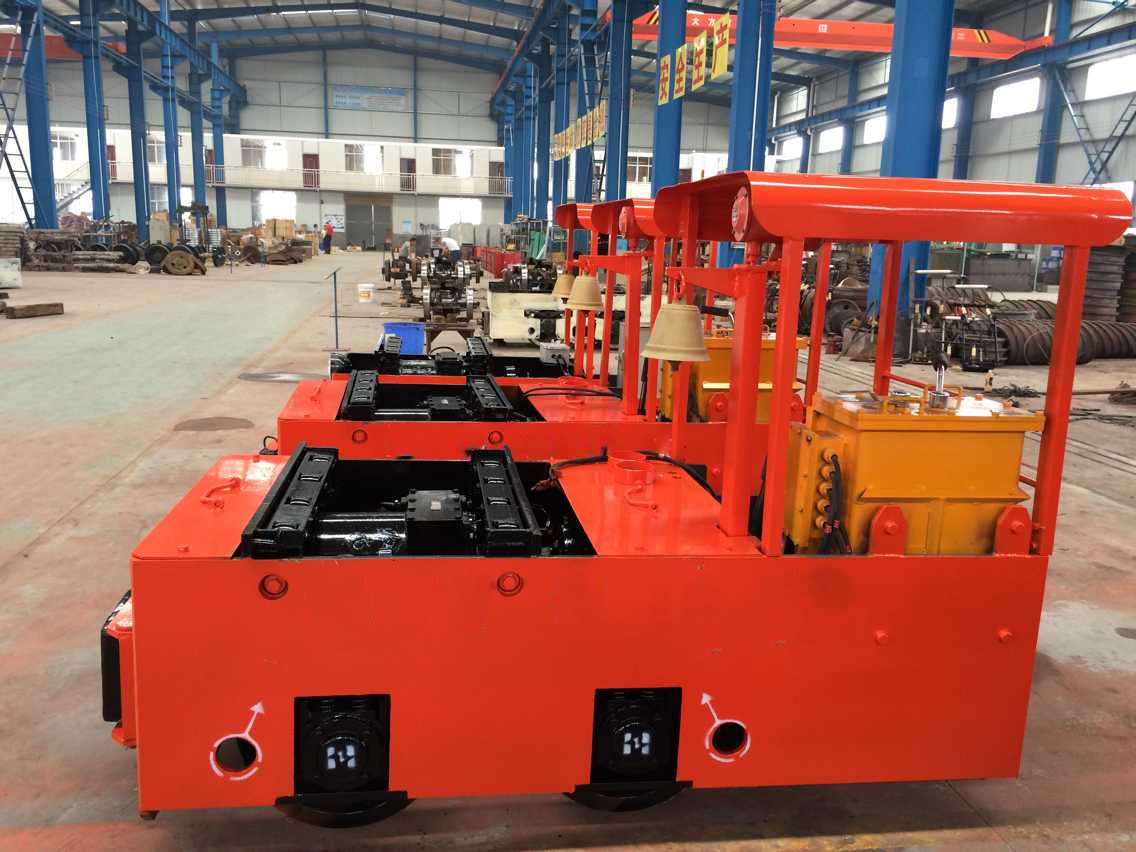
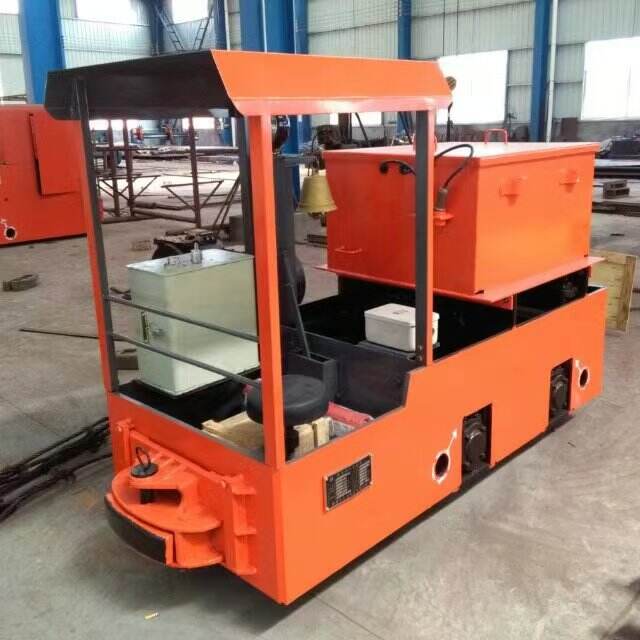
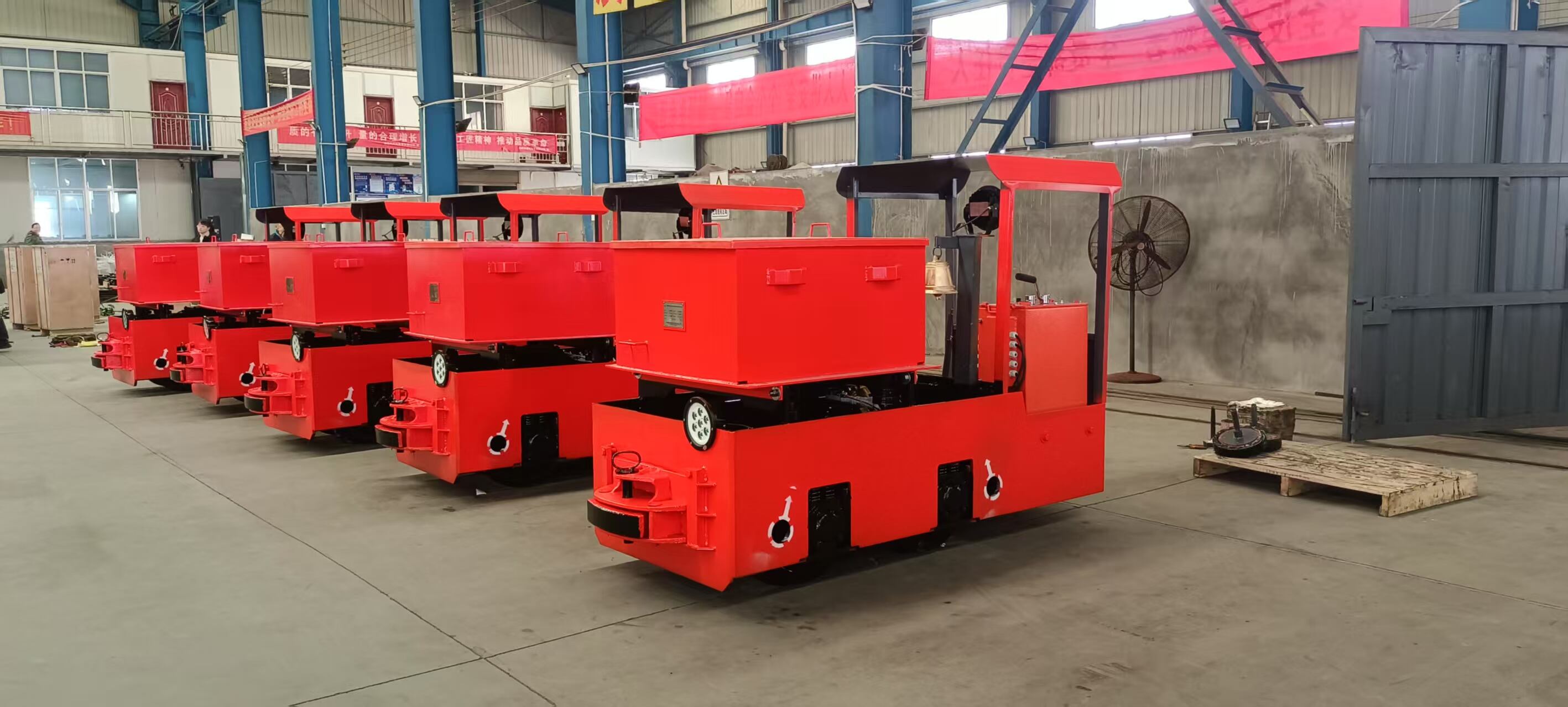
Locomotive mining represents a revolutionary approach to underground mineral extraction that combines traditional railway technology with modern mining operations. This system utilizes specially designed locomotives and rail-mounted equipment to transport personnel, materials, and extracted minerals throughout underground mine networks. The locomotive mining system serves as the backbone of efficient underground operations, providing reliable transportation infrastructure that connects various mining faces, storage areas, and surface exits. The main functions of locomotive mining include hauling ore cars filled with extracted materials from working faces to processing areas, transporting mining equipment and supplies to different sections of the mine, and safely moving workers between shifts. Technologically, locomotive mining systems incorporate advanced features such as automated braking systems, remote monitoring capabilities, and energy-efficient electric or diesel-electric power units. These locomotives are engineered to operate in challenging underground conditions, featuring robust construction, explosion-proof components for use in gaseous environments, and specialized lighting systems for low-visibility conditions. The applications of locomotive mining span across various mining sectors including coal extraction, metal ore mining, and industrial mineral operations. In coal mines, locomotive mining systems excel at removing large volumes of material efficiently while maintaining consistent production rates. Metal ore operations benefit from the ability to handle heavy loads over extended distances within complex underground networks. The technology proves particularly valuable in deep underground operations where alternative transportation methods become impractical or cost-prohibitive. Modern locomotive mining systems integrate with digital mine management platforms, enabling real-time tracking of material movement, predictive maintenance scheduling, and optimization of transportation routes. This integration enhances operational efficiency and safety standards across mining operations of all scales.


New Products

The advantages of locomotive mining make it an outstanding choice for operations seeking to maximize productivity while maintaining cost control and safety standards. First and foremost, this system delivers exceptional hauling capacity that significantly outperforms manual or alternative transportation methods. A single locomotive can pull multiple ore cars simultaneously, moving tons of material in one trip, which dramatically reduces the number of trips required and accelerates overall production cycles. This efficiency translates directly into lower operational costs per ton of extracted material, making locomotive mining an economically attractive option for both large-scale operations and medium-sized mining ventures. The system provides remarkable reliability that mining operations depend upon for consistent production schedules. Unlike wheeled vehicles that may struggle with underground terrain conditions, locomotive mining operates on fixed rail tracks that ensure stable, predictable movement regardless of ground conditions. This reliability minimizes unexpected downtime and helps operations maintain steady output levels that meet production targets. Safety benefits represent another crucial advantage, as locomotive mining systems incorporate multiple protective features that safeguard workers and equipment. The fixed rail pathway eliminates risks associated with navigation errors in underground environments, while modern braking systems prevent runaway situations. Enclosed operator cabins protect personnel from dust, noise, and potential hazards, creating a safer working environment compared to open vehicle operations. Energy efficiency stands out as a significant operational benefit, particularly with electric locomotive models that consume less power than diesel alternatives while producing zero underground emissions. This efficiency reduces operating costs while improving air quality in underground workspaces, benefiting both the bottom line and worker health. The modular nature of locomotive mining systems allows operations to scale capacity by simply adding more ore cars to existing consists, providing flexibility to respond to changing production demands without major infrastructure investments. Maintenance requirements remain manageable due to the robust, proven technology underlying locomotive designs, with straightforward component replacement and servicing procedures that minimize specialist expertise requirements. The longevity of properly maintained locomotive mining equipment ensures decades of productive service, spreading capital investment costs over extended operational periods and delivering superior return on investment compared to shorter-lived alternatives. Finally, locomotive mining systems adapt readily to various mine layouts and geological conditions, with customizable track configurations that accommodate expanding operations and changing mining plans throughout a facility's operational lifetime.

Tips And Tricks

How Can Maintenance Reduce Downtime for Underground Mining Dump Trucks?

17

Nov

How Can Maintenance Reduce Downtime for Underground Mining Dump Trucks?

Underground mining operations depend heavily on reliable equipment to maintain productivity and meet extraction targets. When heavy machinery experiences unexpected failures, the resulting downtime can cost mining companies thousands of dollars per h...
View More
How to Select a Scooptram 1 Cubic Yard for Narrow Vein Mines?

07

Jan

How to Select a Scooptram 1 Cubic Yard for Narrow Vein Mines?

Mining operations in narrow vein environments present unique challenges that require specialized equipment designed for confined spaces and efficient material handling. The selection of appropriate mining machinery becomes critical when working in re...
View More
Mining’s Next Frontier: How 5G and Remote-Controlled Underground LHDs Are Revolutionizing Underground Operations

18

Mar

Mining’s Next Frontier: How 5G and Remote-Controlled Underground LHDs Are Revolutionizing Underground Operations

The mining industry stands at a transformative crossroads where cutting-edge telecommunications technology meets advanced underground equipment automation. This revolution centers on the deployment of 5G networks paired with remote-controlled undergr...
View More
The Science of Climbing: How Drivetrain Design Determines Underground Truck Performance on Steep Ramps

18

Mar

The Science of Climbing: How Drivetrain Design Determines Underground Truck Performance on Steep Ramps

When underground operations push deeper into the earth, the challenges of moving materials up steep gradients become exponentially complex. The ability of an underground truck to conquer challenging ramps isn't just about raw power—it's fundamentally...
View More

Get a Free Quote

Our representative will contact you soon.
Email
Name
Company Name
Message
0/1000

locomotive mining

Superior Transportation Capacity and Operational Efficiency

Superior Transportation Capacity and Operational Efficiency

The transportation capacity offered by locomotive mining systems represents a game-changing advantage for underground operations seeking to maximize material movement while controlling costs. Unlike individual vehicle-based transportation that requires multiple units operating simultaneously, locomotive mining consolidates hauling power into efficient train consists that move substantially more material per operational hour. A typical locomotive mining setup can pull fifteen to thirty ore cars in a single consist, with each car carrying two to five tons of extracted material depending on configuration and mine conditions. This means a single locomotive operator can transport between thirty and one hundred fifty tons of ore in one trip, eliminating the need for multiple operators and vehicles that would otherwise be required to move equivalent volumes. The efficiency gains extend beyond raw capacity to encompass cycle time reductions that accelerate overall production throughput. Locomotive mining systems operate on dedicated tracks that provide direct routes between extraction points and processing areas, avoiding the delays associated with shared pathways and traffic congestion common in wheeled vehicle operations. The consistent speed maintained by locomotives, typically ranging from five to fifteen kilometers per hour depending on track conditions and safety requirements, ensures predictable transit times that mining planners can rely upon when scheduling operations. This predictability enables tighter coordination between extraction crews, transportation logistics, and processing facilities, creating a synchronized workflow that maximizes equipment utilization across the entire operation. Energy consumption per ton of material transported decreases substantially with locomotive mining compared to alternative methods, particularly when using electric locomotives powered by mine electrical infrastructure. The steel wheel on steel rail contact creates minimal rolling resistance, requiring less energy input to maintain motion compared to rubber tires on rough surfaces. Regenerative braking systems available on modern electric locomotives recapture energy during descent on inclined routes, feeding power back into mine electrical systems and further reducing net energy consumption. The reduced energy requirement translates directly into lower operating costs that compound over years of continuous operation, delivering significant financial benefits that improve project economics and competitiveness.
Enhanced Safety Standards and Risk Mitigation

Enhanced Safety Standards and Risk Mitigation

Safety considerations in underground mining operations cannot be overstated, and locomotive mining systems deliver substantial safety improvements that protect workers while reducing operational risks and liability exposure. The fixed rail infrastructure fundamental to locomotive mining eliminates numerous hazards associated with free-ranging vehicle operations in confined underground spaces. Operators follow predetermined paths that have been engineered for safe passage, removing risks of navigation errors that could lead to collisions with mine structures, equipment, or other vehicles operating in the same areas. The track system also prevents vehicles from accidentally entering dangerous zones or approaching unstable ground areas that might collapse under vehicle weight, as tracks are only installed in areas that have been certified safe by mine engineering teams. Modern locomotive mining equipment incorporates multiple redundant safety systems that protect against potential failure scenarios. Automatic braking mechanisms engage if operators become incapacitated or if control signals are interrupted, preventing runaway situations that could endanger personnel or damage infrastructure. Speed governors limit maximum velocity to safe levels appropriate for track conditions and visibility constraints, while collision avoidance systems on advanced models provide additional protection in operations where multiple consists share track networks. Emergency communication systems integrated into locomotive operator cabins ensure that personnel can quickly summon assistance if incidents occur, with some systems providing automatic distress signals if abnormal conditions are detected. The enclosed cabin design standard in modern locomotive mining equipment protects operators from multiple environmental hazards prevalent in underground mining. Dust suppression becomes more effective when operators work within sealed environments connected to filtered air supplies, reducing respiratory exposure to harmful particulates that represent significant long-term health risks. Noise isolation provided by cabin construction protects hearing while allowing clear communication through integrated radio systems, addressing another chronic health concern in mining operations. Protection from rockfall, equipment contact, and other physical hazards further enhances operator safety compared to open vehicle designs. The structured nature of locomotive mining operations facilitates better traffic management and reduces congestion in underground transportation corridors, as trains operate on scheduled intervals along dedicated routes rather than competing for limited roadway space with other vehicles and equipment.
Economic Value and Long-Term Investment Return

Economic Value and Long-Term Investment Return

The financial case for locomotive mining extends well beyond initial capital investment considerations to encompass lifecycle cost advantages that deliver superior economic value over extended operational periods. While establishing a locomotive mining system requires upfront investment in locomotives, ore cars, and track infrastructure, this investment generates returns through reduced operating costs, increased productivity, and exceptional equipment longevity that competitors struggle to match. The durability of locomotive mining equipment stands out as a primary economic advantage, with properly maintained locomotives regularly achieving thirty to forty years of productive service before requiring replacement. This longevity far exceeds typical wheeled vehicle lifespans of five to ten years in demanding underground mining conditions, meaning that a single locomotive investment serves operations through multiple vehicle replacement cycles that would be necessary with alternative transportation approaches. The reduced replacement frequency minimizes capital expenditure requirements during operational phases and eliminates the productivity disruptions associated with frequent equipment changeovers. Maintenance costs for locomotive mining systems remain manageable throughout equipment lifecycles due to the robust, proven mechanical designs that underlie locomotive technology. Components are standardized, widely available, and designed for straightforward replacement by general maintenance personnel rather than requiring specialized technicians for routine service work. The steel wheel and rail system experiences minimal wear compared to rubber tires on abrasive underground surfaces, dramatically reducing recurring costs for consumable components. Electric locomotives particularly benefit from simplified maintenance requirements, as electric motors contain fewer moving parts than diesel engines and require less frequent servicing, further reducing lifetime maintenance expenses. Labor efficiency represents another significant economic advantage, as locomotive mining systems require fewer operators per ton of material transported compared to individual vehicle fleets. A single locomotive operator manages an entire train consist that would otherwise require multiple vehicle drivers, directly reducing labor costs while simultaneously decreasing workforce management complexity. The labor savings compound continuously throughout operational life, generating substantial cumulative cost reductions that improve project profitability and competitive positioning. Scalability benefits allow operations to expand capacity incrementally by adding ore cars to existing locomotive consists rather than purchasing complete additional transportation units, providing cost-effective growth pathways that accommodate changing production requirements without major capital outlays. This flexibility proves particularly valuable for operations with variable production rates or those planning staged expansion approaches that match capacity increases with market demand development.

Get a Free Quote

Our representative will contact you soon.
Email
Name
Company Name
Message
0/1000