
 EN
EN

The mining industry stands at a transformative crossroads where cutting-edge telecommunications technology meets advanced underground equipment automation. This revolution centers on the deployment of 5G networks paired with remote-controlled underground LHDs, creating unprecedented opportunities for safer, more efficient, and more productive mining operations. As mining companies worldwide grapple with increasing safety regulations, labor shortages, and the need for enhanced operational efficiency, remote-controlled underground LHDs powered by 5G connectivity are emerging as the definitive solution for next-generation underground mining.
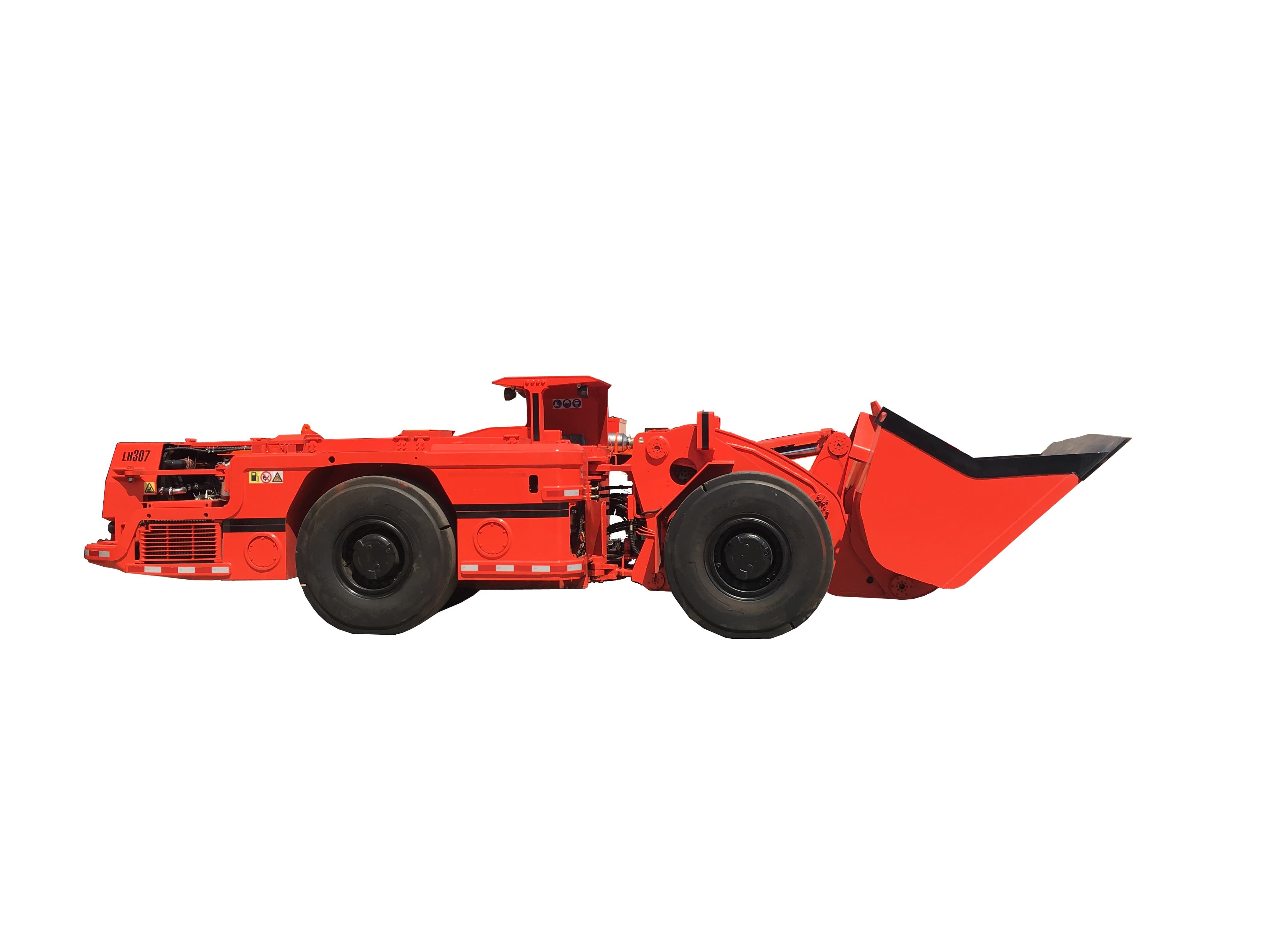
The convergence of 5G technology with remote-controlled underground LHDs represents more than just technological advancement—it fundamentally reshapes how underground mining operations are conceived, planned, and executed. This revolutionary approach addresses critical industry challenges including worker safety in hazardous environments, operational continuity during adverse conditions, and the precision control required for modern mining efficiency standards. The integration enables real-time data transmission, instantaneous equipment response, and sophisticated automation capabilities that were previously impossible with traditional underground communication systems.
The 5G Technology Foundation Enabling Underground LHD Remote Control
Ultra-Low Latency Communications in Underground Environments
The implementation of 5G networks in underground mining environments creates the essential communication backbone that makes remote-controlled underground LHDs operationally viable. Traditional underground communication systems suffered from significant latency issues, making real-time equipment control challenging and potentially dangerous. 5G technology delivers ultra-low latency communications, typically achieving response times under 5 milliseconds, which is crucial for the precise maneuvering required in underground mining operations.
This minimal latency ensures that operators controlling remote-controlled underground LHDs from surface locations can respond immediately to changing underground conditions. The instantaneous feedback loop between operator commands and equipment response eliminates the delay-related safety risks that plagued earlier remote control systems. Underground 5G networks utilize specialized signal boosters and mesh networking configurations designed specifically for the challenging RF environment of underground mining operations.
The reliability of 5G communications in underground settings directly impacts the effectiveness of remote-controlled underground LHDs. Advanced error correction protocols and redundant communication pathways ensure continuous connectivity even in areas with challenging geological formations or electromagnetic interference from heavy machinery. This robust communication foundation enables mining companies to deploy remote-controlled underground LHDs with confidence in their operational reliability.
High-Bandwidth Data Transmission for Real-Time Monitoring
Modern remote-controlled underground LHDs generate massive amounts of operational data, including high-definition video feeds, sensor telemetry, equipment diagnostics, and environmental monitoring information. 5G networks provide the high-bandwidth capabilities necessary to transmit this data in real-time to surface control centers. This continuous data stream enables operators to make informed decisions about equipment operation, maintenance needs, and safety protocols.
The bandwidth capacity of 5G systems supports multiple high-definition camera feeds from each remote-controlled underground LHD, providing operators with comprehensive visual awareness of the underground environment. This visual data, combined with sensor information about equipment status, load weights, hydraulic pressures, and environmental conditions, creates a complete operational picture that enhances both safety and productivity.
Advanced analytics processing capabilities enabled by high-bandwidth 5G connections allow for real-time optimization of remote-controlled underground LHDs operations. Machine learning algorithms can process operational data instantaneously, providing recommendations for improved efficiency, predictive maintenance alerts, and automated safety responses. This data-driven approach to underground mining operations represents a fundamental shift from reactive to proactive operational management.
Revolutionary Safety Enhancements Through Remote Underground LHD Operations
Eliminating Human Exposure to Underground Hazards
The deployment of remote-controlled underground LHDs fundamentally transforms underground mining safety by removing human operators from hazardous underground environments. Traditional underground mining operations expose workers to numerous risks including rock falls, equipment accidents, toxic gas exposure, and cave-ins. By enabling operators to control LHD equipment from secure surface locations, mining companies can virtually eliminate these exposure-related risks.
Remote operation capabilities allow mining companies to continue operations in conditions that would be too dangerous for human workers. During periods of seismic activity, poor air quality, or structural instability, remote-controlled underground LHDs can continue essential material handling operations while human workers remain safely on the surface. This operational continuity reduces production losses while maintaining the highest safety standards.
The psychological benefits of remote operation should not be underestimated. Workers operating remote-controlled underground LHDs from comfortable, well-lit surface control rooms experience reduced stress and fatigue compared to their underground counterparts. This improved working environment leads to better decision-making, increased productivity, and enhanced job satisfaction while maintaining the highest levels of operational safety.
Advanced Safety Monitoring and Emergency Response
Remote-controlled underground LHDs equipped with 5G connectivity provide unprecedented safety monitoring capabilities throughout underground mining operations. Advanced sensor arrays continuously monitor environmental conditions, equipment status, and operational parameters, transmitting this critical safety data to surface control centers in real-time. This comprehensive monitoring enables proactive safety management and rapid emergency response.
Emergency response capabilities are dramatically enhanced through remote-controlled underground LHDs systems. In the event of an underground emergency, these machines can be immediately redirected for evacuation assistance, emergency supply delivery, or hazard assessment without putting additional human lives at risk. The ability to deploy remote-controlled underground LHDs for emergency response operations provides mining companies with critical capabilities for managing underground incidents.
Automated safety protocols integrated into remote-controlled underground LHDs systems can initiate immediate protective responses when dangerous conditions are detected. These systems can automatically stop operations, move equipment to safe locations, or activate emergency procedures without waiting for human operator intervention. This automated safety response capability provides an additional layer of protection that significantly reduces the risk of accidents and injuries.
Operational Efficiency Gains from Remote-Controlled LHD Technology
Continuous Operations and Reduced Downtime
Remote-controlled underground LHDs enable mining operations to achieve unprecedented levels of operational continuity by eliminating many of the factors that traditionally caused production interruptions. Shift changes, worker break periods, and adverse underground conditions no longer necessitate equipment shutdown when operations can be conducted remotely from surface control centers. This capability allows mining companies to approach true 24/7 operations with minimal interruptions.
The flexibility of remote operations means that remote-controlled underground LHDs can be operated by different teams without the time and safety considerations required for underground crew changes. Surface-based operators can seamlessly transition between shifts, maintaining continuous equipment operation and maximizing productive time. This operational model significantly increases overall equipment utilization rates and improves mine productivity.
Maintenance and inspection activities for remote-controlled underground LHDs can be scheduled more efficiently since equipment can be remotely positioned for optimal maintenance access. Diagnostic data transmitted through 5G networks enables predictive maintenance strategies that minimize unplanned downtime while ensuring equipment reliability. This data-driven maintenance approach extends equipment life and reduces overall operating costs.
Precision Control and Optimized Material Handling
The precision control capabilities of remote-controlled underground LHDs, enabled by 5G connectivity and advanced control systems, allow for more accurate and efficient material handling operations than traditional manual operation. Operators working from surface control centers can utilize multiple camera angles, sensor feedback, and computer-assisted controls to achieve optimal loading and transport efficiency.
Advanced automation features integrated into remote-controlled underground LHDs can optimize travel routes, loading procedures, and dumping operations based on real-time analysis of underground conditions and operational requirements. These systems can automatically adjust operating parameters to maximize fuel efficiency, minimize wear and tear, and optimize cycle times for different operational scenarios.
The integration of artificial intelligence and machine learning capabilities with remote-controlled underground LHDs enables continuous optimization of operational performance. These systems learn from operational data to identify efficiency improvements, predict optimal operational parameters, and recommend operational strategies that maximize productivity while minimizing costs. This intelligent automation represents the next evolution in underground mining efficiency.
Economic Impact and Implementation Considerations
Return on Investment and Cost Reduction Strategies
The implementation of remote-controlled underground LHDs with 5G connectivity requires significant initial capital investment, but the long-term economic benefits typically provide compelling returns on investment. Reduced labor costs, improved safety records leading to lower insurance premiums, increased operational efficiency, and extended equipment life combine to create substantial economic advantages for mining operations.
Labor cost reductions represent one of the most immediate economic benefits of remote-controlled underground LHDs deployment. Surface-based operators can control multiple pieces of equipment simultaneously, reducing the overall workforce required for underground operations. Additionally, the improved working conditions for remote operators can help mining companies attract and retain skilled workers in an increasingly competitive labor market.
The enhanced safety profile of remote-controlled underground LHDs operations leads to reduced accident rates, lower workers' compensation costs, and improved regulatory compliance. These safety improvements translate directly to reduced operating costs and improved profitability for mining operations. The ability to maintain operations during adverse conditions also reduces production losses that would otherwise impact revenue.
Infrastructure Requirements and Implementation Challenges
Successful deployment of remote-controlled underground LHDs requires comprehensive underground 5G infrastructure including fiber optic networks, wireless access points, and redundant communication systems. This infrastructure must be designed to withstand the harsh underground mining environment while providing reliable, high-speed connectivity throughout the operational areas.
Training and change management represent significant implementation considerations for remote-controlled underground LHDs programs. Operators must develop new skills for remote equipment control, surface-based control center operations, and advanced technology systems management. Mining companies must invest in comprehensive training programs to ensure successful technology adoption and operational proficiency.
Integration with existing mining systems and equipment requires careful planning and execution to ensure seamless operational transitions. Remote-controlled underground LHDs must integrate with mine planning software, maintenance management systems, and safety protocols to achieve optimal operational effectiveness. This systems integration often requires customization and ongoing technical support to maintain operational efficiency.
Future Developments and Industry Transformation
Autonomous Operations and Artificial Intelligence Integration
The evolution of remote-controlled underground LHDs is progressing toward fully autonomous operations enabled by artificial intelligence and machine learning technologies. Future developments will see these machines capable of independent decision-making, autonomous navigation, and self-optimizing operational strategies that require minimal human oversight while maximizing operational efficiency and safety.
Advanced AI systems will enable remote-controlled underground LHDs to adapt to changing underground conditions automatically, optimize operational parameters in real-time, and coordinate with other autonomous mining equipment to achieve optimal overall mine productivity. These intelligent systems will continuously learn from operational experiences to improve performance and identify new efficiency opportunities.
The integration of predictive analytics with remote-controlled underground LHDs will enable proactive operational management that anticipates equipment needs, predicts maintenance requirements, and optimizes operational schedules to maximize productivity while minimizing costs. This predictive approach will transform mining operations from reactive to predictive management strategies.
Industry Standardization and Technology Adoption
As remote-controlled underground LHDs technology matures, industry standardization efforts are developing common protocols, safety standards, and operational procedures that will facilitate broader technology adoption across the mining industry. These standards will help ensure interoperability between different equipment manufacturers and technology providers while maintaining the highest safety and performance standards.
The broader adoption of remote-controlled underground LHDs technology will drive continued innovation and cost reductions as economies of scale reduce equipment costs and increase technology availability. This widespread adoption will make advanced remote mining technologies accessible to smaller mining operations that previously could not justify the investment in cutting-edge automation systems.
International mining companies are establishing remote-controlled underground LHDs as standard equipment requirements for new mining projects, recognizing the significant safety, efficiency, and economic advantages of remote operations. This industry-wide adoption trend is accelerating technology development and establishing remote control capabilities as essential requirements for competitive mining operations.
FAQ
What are the primary safety benefits of using remote-controlled underground LHDs in mining operations?
Remote-controlled underground LHDs eliminate human exposure to underground hazards including rock falls, toxic gases, equipment accidents, and cave-ins by allowing operators to control equipment from secure surface locations. This technology enables continuous operations during dangerous conditions while providing advanced safety monitoring and automated emergency response capabilities that significantly reduce accident risks and improve overall mining safety performance.
How does 5G technology specifically enhance the performance of remote-controlled underground LHDs?
5G technology provides ultra-low latency communications under 5 milliseconds, enabling real-time equipment control and immediate operator response to changing underground conditions. The high-bandwidth capabilities support multiple HD video feeds and comprehensive sensor data transmission, while reliable connectivity ensures continuous operation even in challenging underground environments with electromagnetic interference or difficult geological formations.
What are the key economic advantages of implementing remote-controlled underground LHDs systems?
Remote-controlled underground LHDs provide significant economic advantages including reduced labor costs through multi-equipment operation capability, lower insurance premiums from improved safety records, increased operational efficiency through continuous operations, and extended equipment life through optimized operation and predictive maintenance. These systems also reduce production losses during adverse conditions and enable 24/7 operations with minimal interruptions.
What infrastructure requirements are necessary for successful remote-controlled underground LHDs deployment?
Successful deployment requires comprehensive underground 5G infrastructure including fiber optic networks, wireless access points, and redundant communication systems designed for harsh underground environments. Additional requirements include surface control centers, operator training programs, integration with existing mining systems, and ongoing technical support to maintain optimal operational effectiveness and system reliability.
Table of Contents
- The 5G Technology Foundation Enabling Underground LHD Remote Control
- Revolutionary Safety Enhancements Through Remote Underground LHD Operations
- Operational Efficiency Gains from Remote-Controlled LHD Technology
- Economic Impact and Implementation Considerations
- Future Developments and Industry Transformation
-
FAQ
- What are the primary safety benefits of using remote-controlled underground LHDs in mining operations?
- How does 5G technology specifically enhance the performance of remote-controlled underground LHDs?
- What are the key economic advantages of implementing remote-controlled underground LHDs systems?
- What infrastructure requirements are necessary for successful remote-controlled underground LHDs deployment?