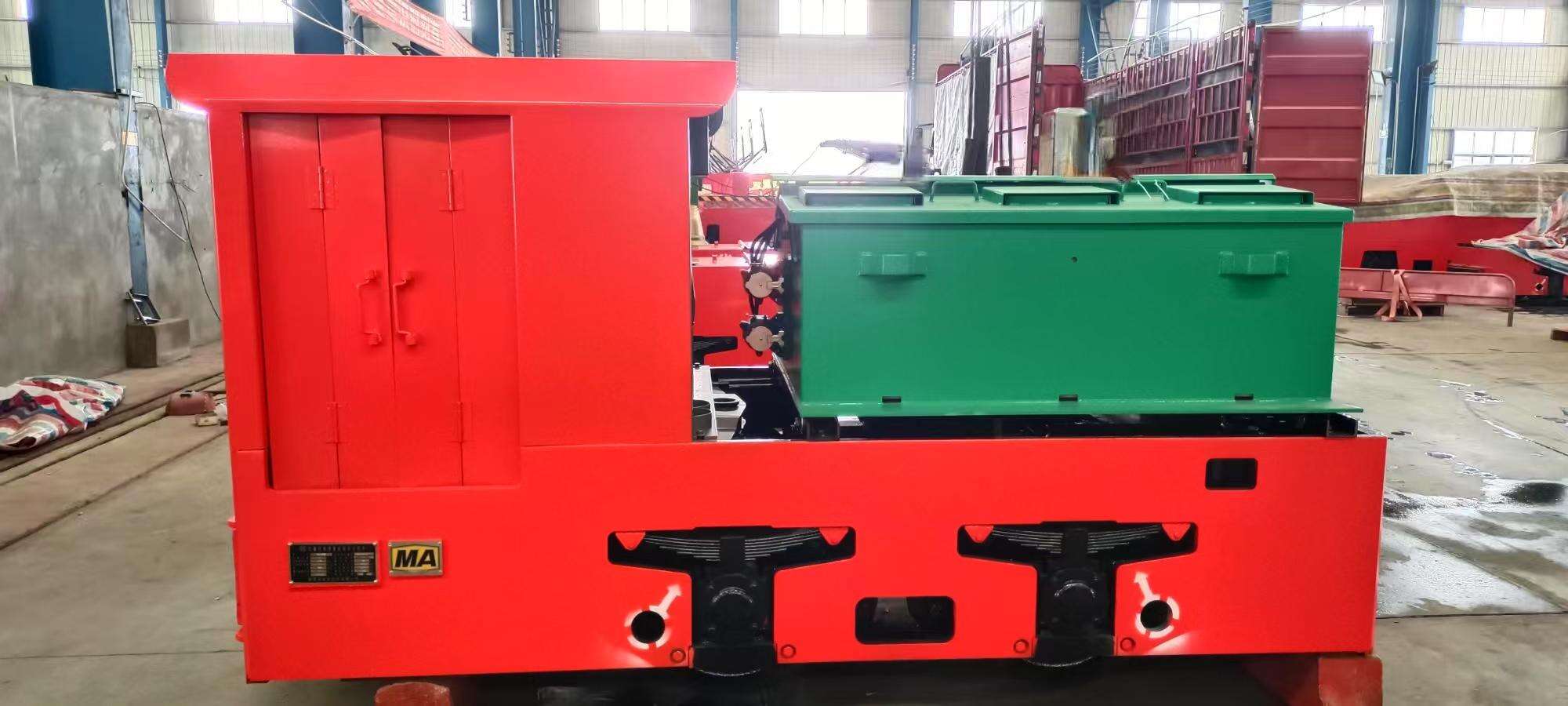
Locomotive in Mining: Advanced Rail Transportation Solutions for Mining Operations

All Categories

locomotive in mining

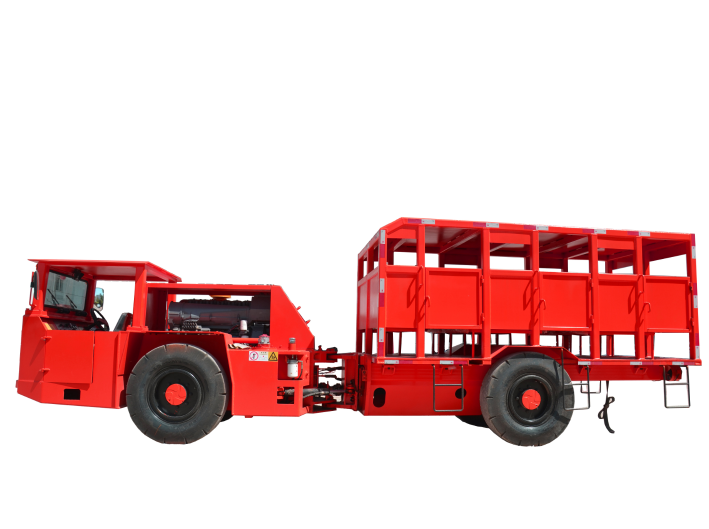
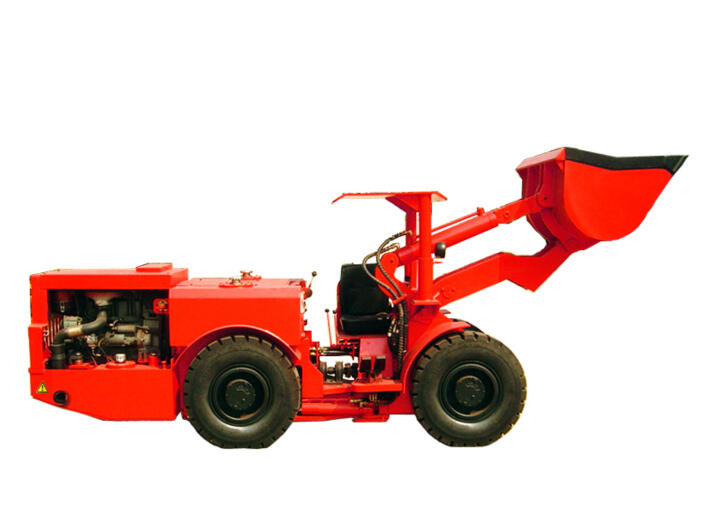
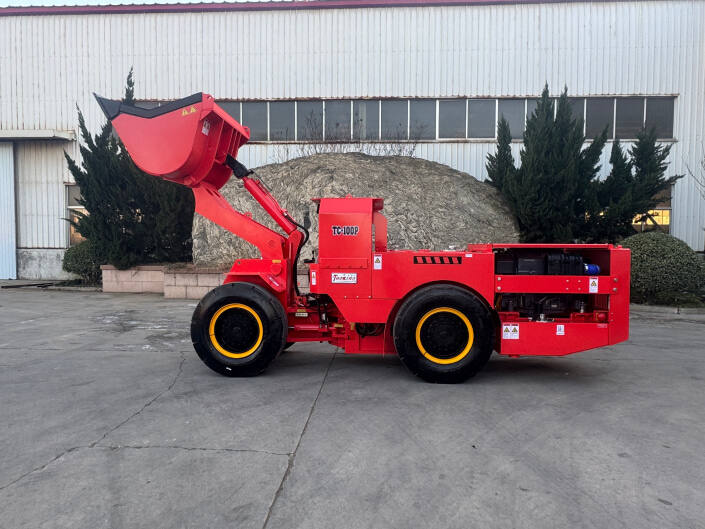
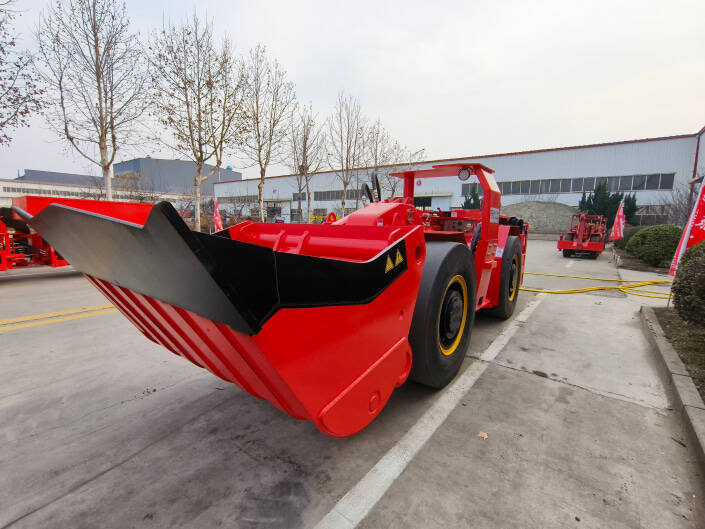
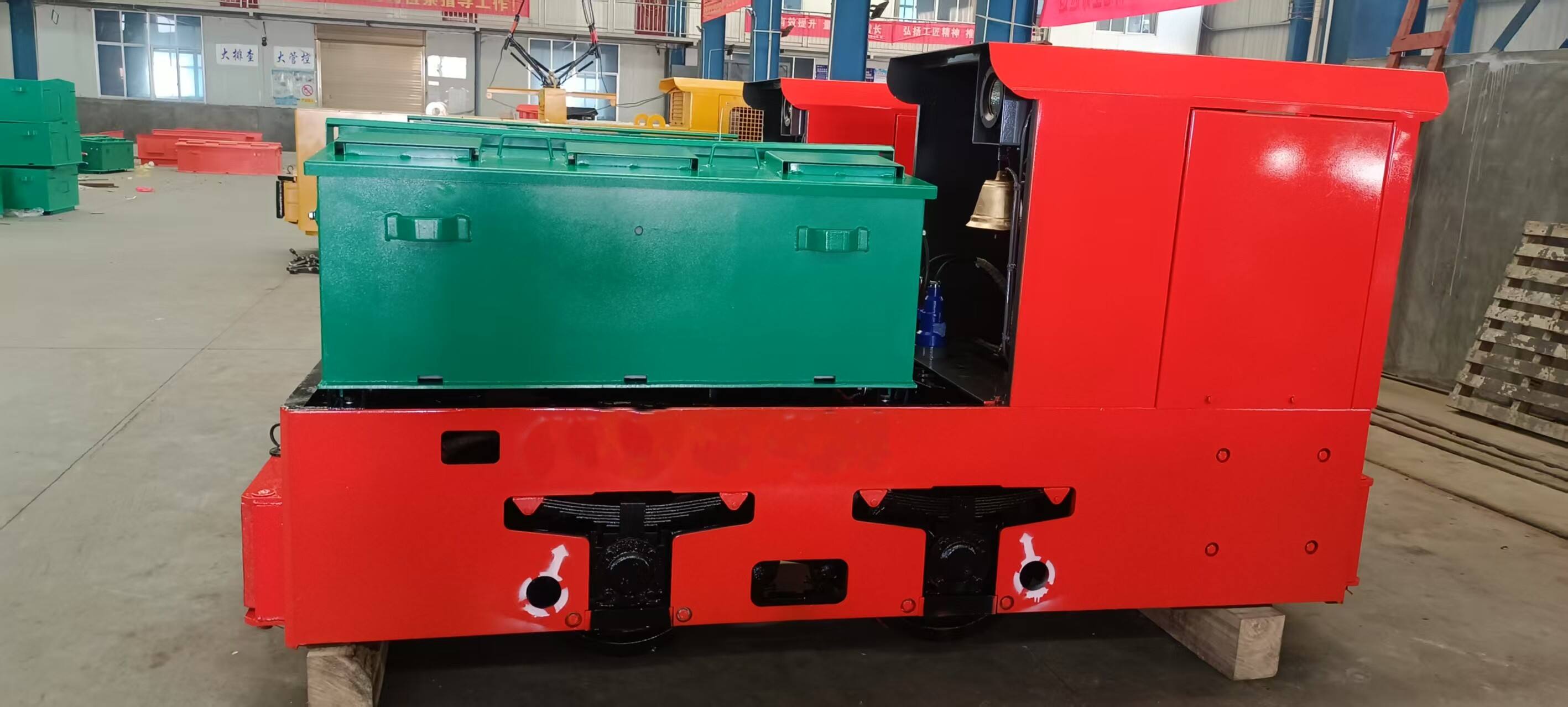
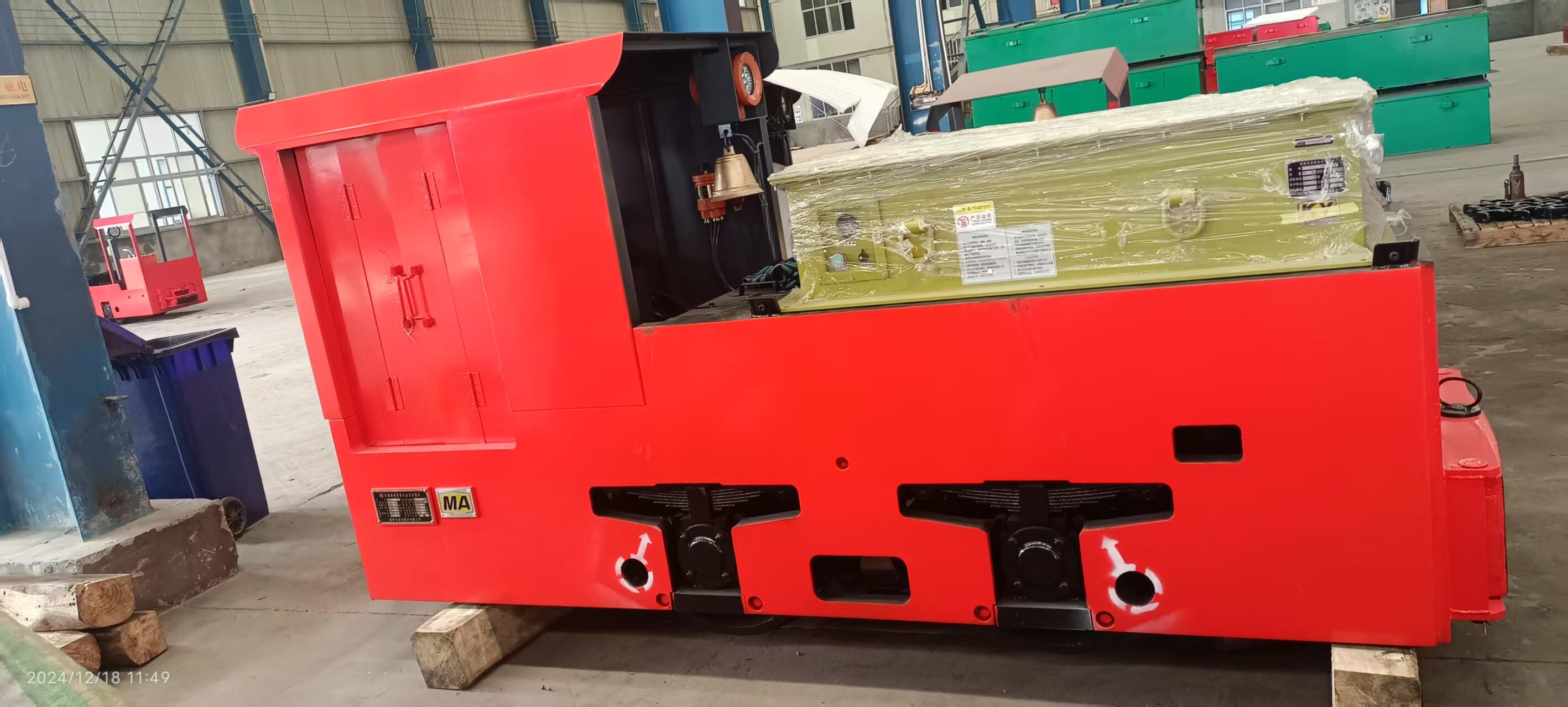
The locomotive in mining represents a critical component of underground and surface mining operations, serving as the primary transportation system for moving materials, equipment, and personnel throughout mining sites. These specialized rail-based vehicles are engineered to withstand the harsh conditions found in mining environments, including dust, moisture, temperature variations, and challenging terrain. A locomotive in mining functions as the backbone of material handling systems, efficiently transporting extracted ore, coal, minerals, and waste rock from extraction points to processing facilities or disposal areas. Modern mining locomotives incorporate advanced engineering solutions that address the unique challenges of mining operations, including confined spaces, steep gradients, and the need for explosion-proof equipment in certain environments. The main functions of a locomotive in mining extend beyond simple transportation. They facilitate the movement of heavy loads across extensive underground tunnel networks and surface mining areas, ensuring continuous workflow and minimizing downtime in mining operations. These locomotives are designed with robust construction to handle payload capacities ranging from several tons to hundreds of tons, depending on the specific mining application and operational requirements. Technological features of mining locomotives include electric, diesel, or battery-powered propulsion systems, each offering distinct advantages for different mining scenarios. Electric locomotives in mining provide zero-emission operation in underground environments, while diesel variants offer flexibility for surface operations and areas without electrified rail infrastructure. Battery-powered locomotives represent the latest innovation, combining emission-free operation with independence from overhead power lines. Applications of the locomotive in mining span various mining sectors, including coal mining, metal ore extraction, salt mining, and aggregate quarrying. They are equally valuable in both underground mining operations, where space constraints and ventilation concerns are paramount, and surface mining environments, where durability and high-capacity hauling are essential. The versatility of mining locomotives makes them indispensable across different mining methodologies, from room-and-pillar mining to longwall mining and open-pit operations.


New Product Recommendations

Investing in a locomotive in mining delivers substantial operational benefits that directly impact your bottom line and workplace safety. First and foremost, these specialized vehicles dramatically reduce transportation costs compared to alternative hauling methods. By moving large quantities of material in single trips, mining locomotives minimize fuel consumption per ton transported and reduce the number of required equipment operators, leading to significant labor cost savings. The efficiency gains translate into faster material movement cycles, allowing your mining operation to maintain consistent production schedules and meet delivery targets reliably. Safety improvements represent another compelling advantage of using a locomotive in mining. These rail-guided vehicles follow fixed paths, eliminating the risk of collisions common with free-roaming vehicles in confined mining spaces. The predictable movement patterns make it easier for workers to maintain safe distances from operational equipment, reducing accident rates and creating a more secure working environment. Modern mining locomotives feature enhanced braking systems, emergency stop mechanisms, and operator protection cabins that further enhance workplace safety standards. The reliability of a locomotive in mining ensures uninterrupted material flow throughout your operation. Built with heavy-duty components designed specifically for mining conditions, these locomotives require less frequent maintenance compared to rubber-tired vehicles operating in similar environments. The reduced downtime means more productive hours and fewer costly interruptions to your mining schedule. Track-based systems also experience less wear than roadways used by trucks, resulting in lower infrastructure maintenance expenses over time. Environmental considerations make the locomotive in mining an increasingly attractive choice for forward-thinking mining companies. Electric and battery-powered variants produce zero direct emissions, improving underground air quality and reducing ventilation requirements. This cleaner operation protects worker health while potentially lowering ventilation system operating costs. Surface operations benefit from reduced noise pollution and lower carbon footprints, helping mining companies meet increasingly stringent environmental regulations and corporate sustainability goals. The scalability of locomotive systems allows your mining operation to grow efficiently. As production demands increase, you can easily expand capacity by adding more locomotives or rail cars to existing infrastructure, rather than investing in entirely new transportation systems. This flexibility makes the locomotive in mining a smart long-term investment that adapts to changing operational needs. Additionally, the precision of rail-based transport enables better inventory tracking and material management, giving you greater control over your mining operations and improving overall productivity metrics.

Tips And Tricks

Why Is Automation Becoming Key in Underground Mining Dump Truck Design?

17

Nov

Why Is Automation Becoming Key in Underground Mining Dump Truck Design?

The mining industry is experiencing a revolutionary transformation as automation technologies reshape how operations are conducted beneath the earth's surface. Modern underground mining dump truck systems are at the forefront of this technological ev...
View More
Which Factors Affect the Lifespan of Underground Mining Dump Trucks?

17

Nov

Which Factors Affect the Lifespan of Underground Mining Dump Trucks?

The operational lifespan of underground mining dump trucks represents a critical investment consideration for mining operations worldwide. These specialized vehicles face some of the most challenging working conditions in industrial applications, ope...
View More
How Do B2B Mining Projects Choose the Right Underground Dump Truck?

17

Nov

How Do B2B Mining Projects Choose the Right Underground Dump Truck?

Selecting the appropriate underground dump truck for B2B mining operations represents a critical decision that directly impacts operational efficiency, safety standards, and long-term profitability. Mining contractors and project managers must naviga...
View More
LHD vs. Excavator: Why Underground Mines Choose One Over the Other

18

Mar

LHD vs. Excavator: Why Underground Mines Choose One Over the Other

Underground mining operations face critical equipment selection decisions that directly impact productivity, safety, and operational costs. When evaluating LHD vs excavator options, mining engineers must consider the unique challenges of subterranean...
View More

Get a Free Quote

Our representative will contact you soon.
Email
Name
Company Name
Message
0/1000

locomotive in mining

Exceptional Load Capacity and Hauling Efficiency

Exceptional Load Capacity and Hauling Efficiency

The locomotive in mining stands out for its remarkable ability to handle massive loads with superior efficiency compared to conventional mining transportation methods. This exceptional hauling capability stems from the fundamental physics of steel wheels on steel rails, which creates minimal rolling resistance and allows a single locomotive to pull multiple connected cars carrying hundreds of tons of material. Unlike rubber-tired vehicles that lose traction and efficiency on loose or wet surfaces common in mining environments, a locomotive in mining maintains consistent performance regardless of ground conditions because it operates on fixed rail infrastructure. This reliability translates into predictable hauling capacities that mining operations can depend on for production planning and scheduling. The load capacity advantage becomes particularly significant when considering the total cost of ownership for mining transportation systems. A single locomotive in mining can replace multiple trucks or other hauling vehicles, reducing the overall equipment fleet size required for operations. This consolidation leads to lower capital expenditures, reduced maintenance facilities and staff requirements, and simplified logistics management. The ability to configure train lengths based on current hauling needs provides operational flexibility without requiring additional locomotive units, as the same engine can pull varying numbers of cars depending on the material being transported and the distance involved. Mining companies benefit from the energy efficiency inherent in locomotive operations. The low rolling resistance of rail systems means that locomotives consume significantly less energy per ton-mile compared to rubber-tired alternatives. This efficiency advantage becomes more pronounced as hauling distances increase, making the locomotive in mining especially valuable for large-scale operations with extensive underground networks or long surface hauls from pit to processing facilities. The energy savings contribute directly to reduced operating costs while supporting environmental sustainability initiatives. Furthermore, the concentrated hauling capacity of a locomotive in mining enables more efficient use of mining infrastructure. Tunnels and haul roads designed for rail transport can be narrower than those required for two-way truck traffic, reducing initial development costs and ongoing maintenance expenses. The predictable traffic patterns of rail-based systems also simplify ventilation planning in underground operations, as air flow requirements can be more precisely calculated and controlled when vehicle movements follow fixed routes and schedules.
Enhanced Safety Features and Operational Control

Enhanced Safety Features and Operational Control

Safety represents a paramount concern in mining operations, and the locomotive in mining delivers substantial safety advantages that protect workers while reducing liability risks for mining companies. The guided nature of rail transport eliminates many hazards associated with operator error and vehicle collisions. Unlike free-roaming vehicles that can potentially deviate from designated paths, a locomotive in mining follows predetermined tracks, making its position and trajectory predictable to all personnel in the area. This predictability allows workers to establish safe work zones with confidence, knowing exactly where equipment will travel and when. Modern mining locomotives incorporate comprehensive safety systems designed specifically for the unique challenges of mining environments. Advanced braking mechanisms provide reliable stopping power even when hauling maximum loads on steep gradients common in mining operations. Emergency stop systems enable immediate response to unexpected situations, while dead-man switches ensure that locomotives cannot continue operating if the operator becomes incapacitated. Many contemporary locomotive designs include collision avoidance technology that automatically detects obstacles or other rail traffic ahead, applying brakes when necessary to prevent accidents. The operator environment in a locomotive in mining reflects decades of safety engineering refinement. Enclosed cabs protect operators from dust, noise, flying debris, and other environmental hazards present in mining operations. Ergonomic control layouts reduce operator fatigue during long shifts, while improved visibility designs and supplementary camera systems provide comprehensive awareness of surroundings. Climate control systems maintain comfortable operating temperatures regardless of external mining conditions, helping operators maintain focus and make better decisions throughout their shifts. Fire safety considerations make the locomotive in mining particularly valuable in underground operations where fire risks pose catastrophic dangers. Electric and battery-powered locomotives eliminate ignition sources associated with diesel engines, significantly reducing fire and explosion risks in coal mines and other potentially volatile environments. When diesel locomotives are necessary, modern designs incorporate sophisticated fire suppression systems and flame-proof construction that contains any potential fires within the engine compartment. The structural stability of rail-based transport contributes to overall safety in mining operations. The low center of gravity and lateral guidance provided by rails virtually eliminate rollover risks that affect rubber-tired vehicles operating on uneven mining surfaces. This stability remains consistent regardless of load conditions, unlike trucks where improper loading can create dangerous instability. The elimination of rollover risks protects both operators and nearby workers while preventing costly material spills and equipment damage.
Versatile Power Options for Different Mining Environments

Versatile Power Options for Different Mining Environments

The locomotive in mining offers unprecedented flexibility through multiple power system options, each optimized for specific mining conditions and operational requirements. This versatility enables mining companies to select the most appropriate propulsion technology for their unique circumstances, whether operating deep underground, in open-pit surface mines, or in transitional zones between surface and underground workings. Understanding the distinct advantages of each power option helps mining operations maximize efficiency while meeting safety and environmental standards. Electric locomotives represent the traditional workhorse of underground mining operations, drawing power from overhead trolley wires or third-rail systems. A locomotive in mining with electric propulsion delivers consistent power output regardless of altitude or ambient conditions, making it ideal for underground environments where ventilation capacity limits the use of combustion engines. The absence of exhaust emissions significantly improves air quality in confined spaces, reducing ventilation requirements and associated energy costs. Electric systems provide instant torque delivery, enabling smooth starts even with heavy loads on steep grades. The regenerative braking capability available in modern electric locomotives feeds energy back into the power system during descents, improving overall energy efficiency and reducing brake wear. Maintenance requirements for electric mining locomotives are typically lower than diesel alternatives because electric motors have fewer moving parts and require no oil changes, fuel filters, or exhaust system servicing. Battery-powered locomotives represent the cutting edge of mining transportation technology, combining the emission-free benefits of electric operation with freedom from fixed power infrastructure. A locomotive in mining equipped with advanced battery systems can operate throughout tunnel networks without overhead wires, reducing infrastructure costs and providing access to areas where electrification is impractical. Modern lithium-ion and other advanced battery technologies provide sufficient capacity for full-shift operation, while rapid charging systems minimize downtime between shifts. Battery locomotives offer particular advantages during mine development phases when permanent electrical infrastructure has not yet been installed, allowing operations to begin hauling immediately without waiting for electrification projects to complete. Diesel locomotives continue to serve important roles in mining operations, particularly in surface mines and well-ventilated underground areas. A locomotive in mining with diesel power provides complete independence from electrical infrastructure, offering maximum flexibility for operations that span large areas or require frequent relocation of equipment. Modern diesel mining locomotives incorporate sophisticated emission control technologies that significantly reduce pollutants compared to older designs, making them more acceptable for use in semi-confined spaces with adequate ventilation. The high power-to-weight ratio of diesel engines enables compact locomotive designs capable of navigating tight curves and restricted clearances while still delivering substantial hauling capacity. Hybrid power systems represent an emerging category, combining diesel engines with battery storage to optimize efficiency and reduce emissions. These locomotives in mining can operate in pure electric mode in sensitive areas, switch to diesel power for long hauls, and use regenerative braking to recharge batteries during normal operations. The flexibility of hybrid systems makes them particularly valuable for operations transitioning toward zero-emission goals while maintaining operational flexibility during the transition period.

Get a Free Quote

Our representative will contact you soon.
Email
Name
Company Name
Message
0/1000