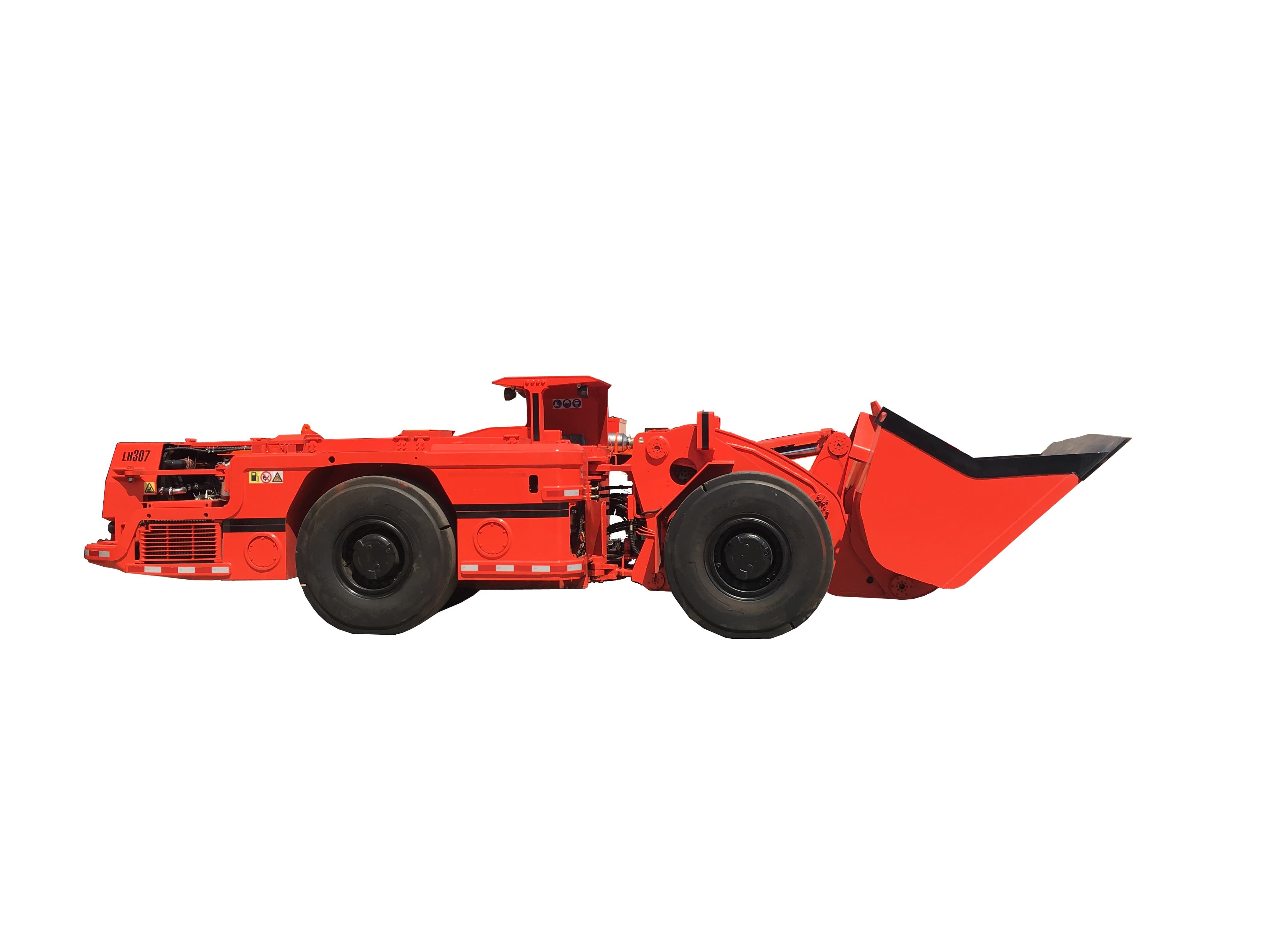
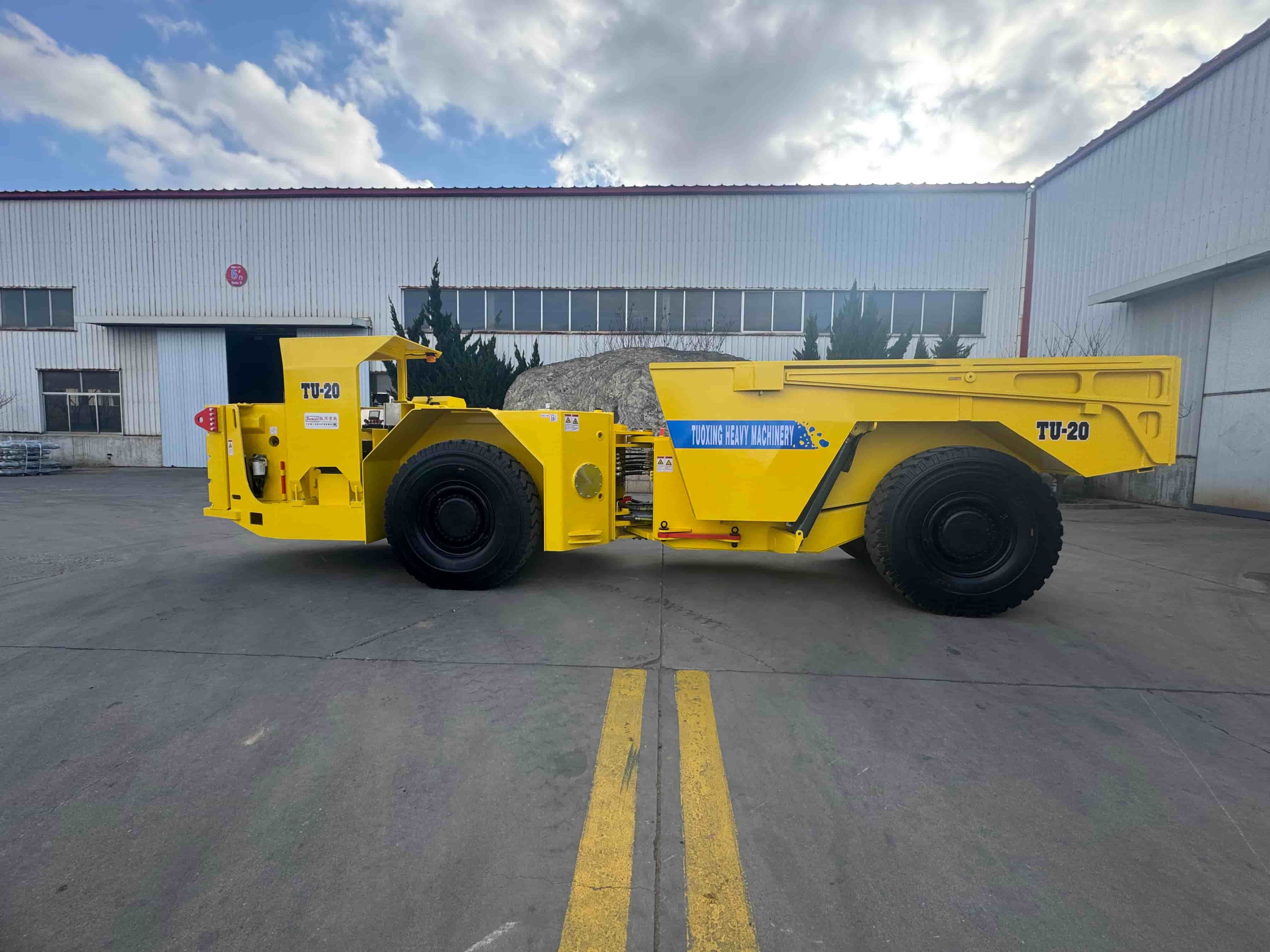
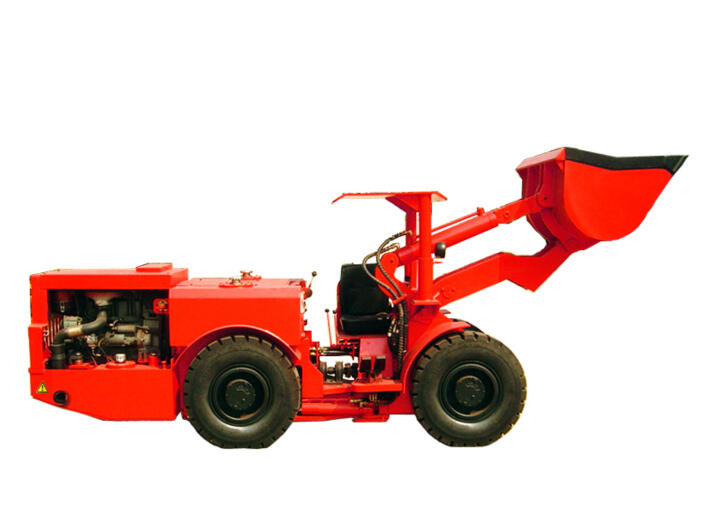
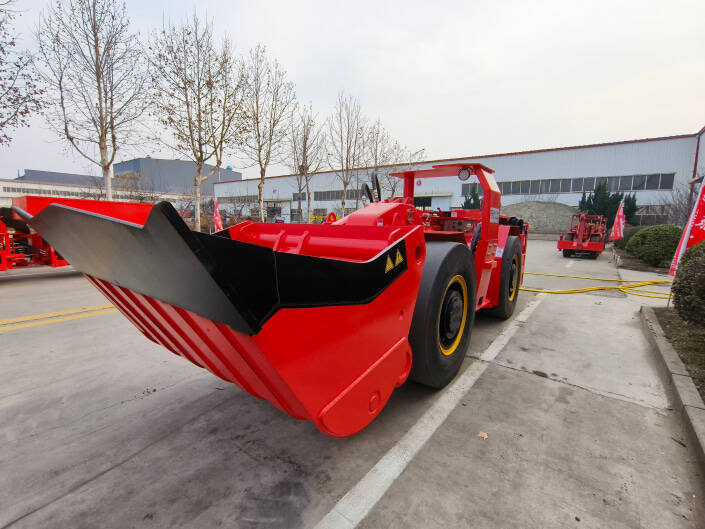
Underground Mining Locomotives: Advanced Transport Solutions for Modern Mining Operations

All Categories

underground mining locomotives

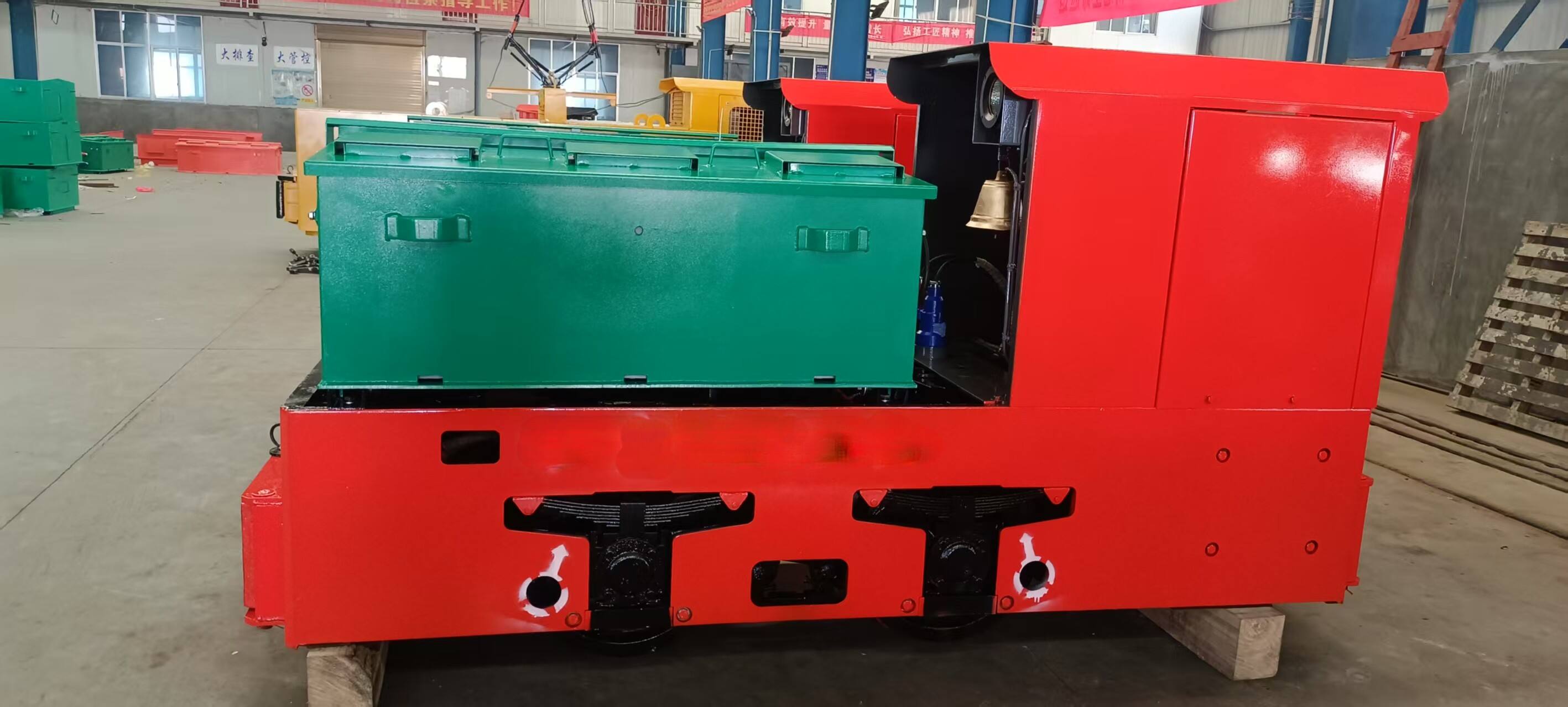
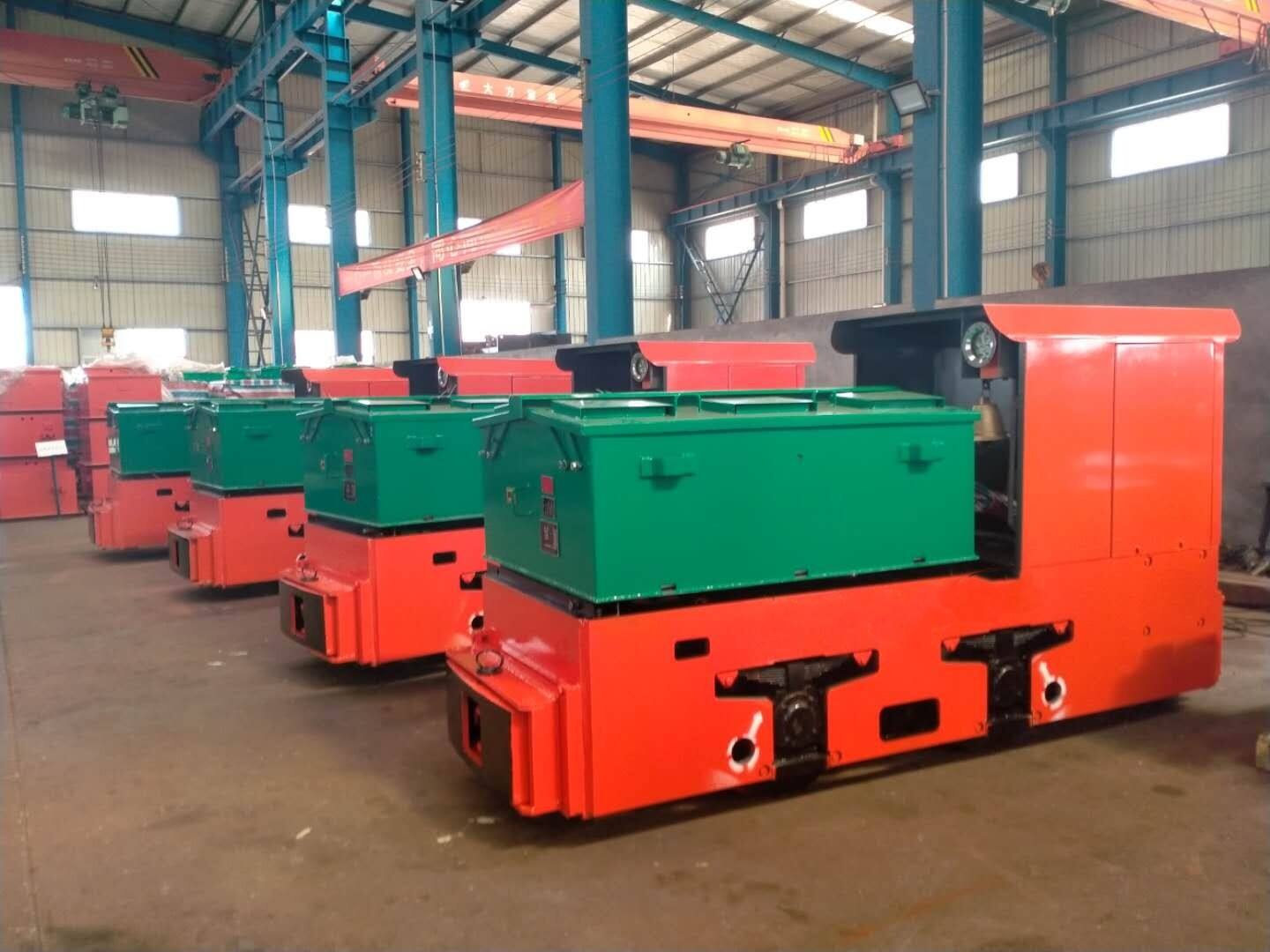
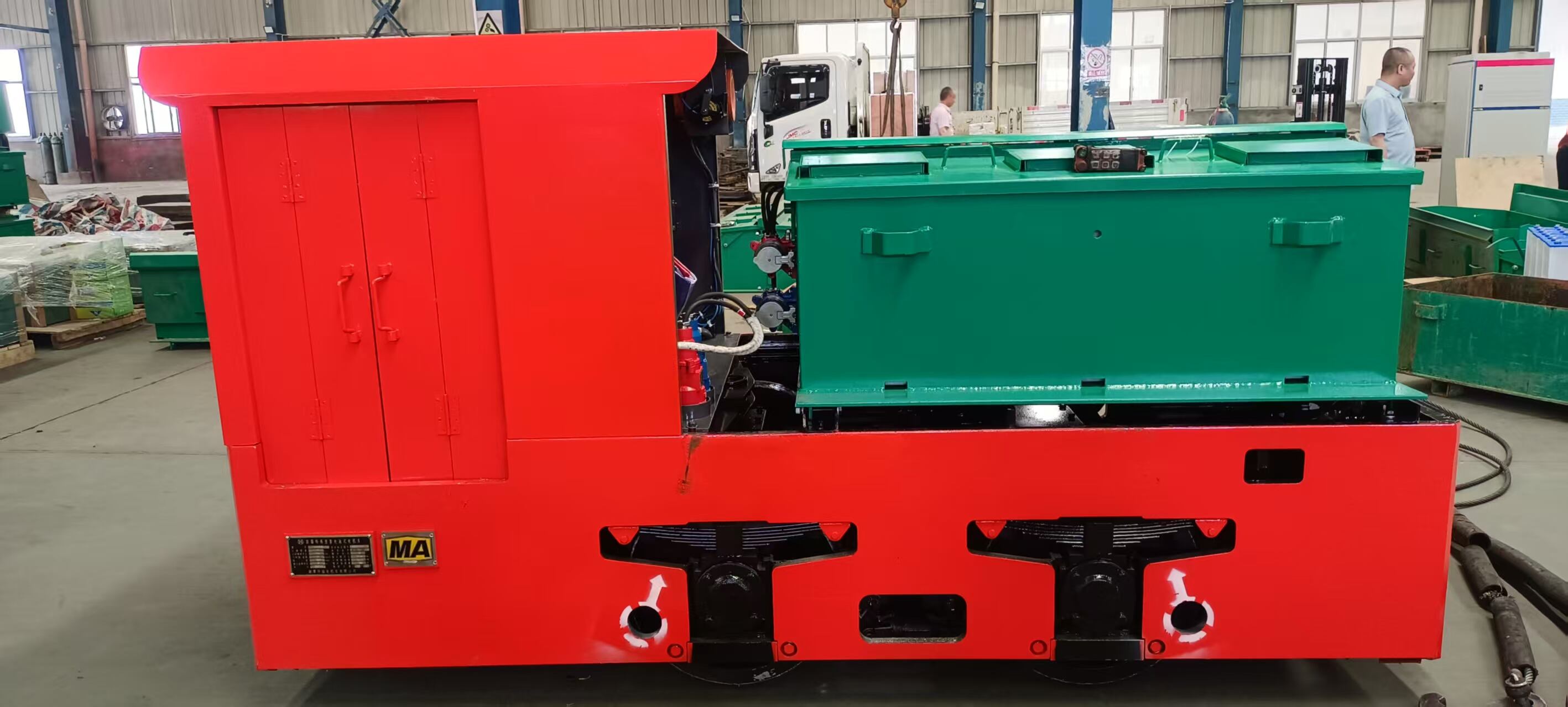
Underground mining locomotives represent essential transportation equipment specifically engineered for material handling and personnel movement within subterranean mining operations. These robust machines serve as the backbone of modern mining logistics, facilitating the efficient transport of ore, waste rock, equipment, and workers through narrow tunnels and challenging underground environments. The primary functions of underground mining locomotives include hauling loaded mine cars from extraction points to loading stations, transporting supplies and machinery to working faces, and ensuring safe personnel transit throughout the mine network. These specialized vehicles operate in confined spaces where conventional surface transportation equipment cannot function effectively. The technological features of underground mining locomotives incorporate advanced traction systems designed for steep gradients and tight curves common in underground passages. Modern models integrate electric or battery-powered propulsion systems that eliminate harmful exhaust emissions in enclosed spaces, protecting worker health and reducing ventilation requirements. Sophisticated braking mechanisms ensure precise control on inclined tracks, while reinforced construction withstands the harsh conditions of underground operations including moisture, dust, and occasional impacts. Control systems have evolved to include remote operation capabilities, automated speed regulation, and safety interlocks that prevent accidents in low-visibility environments. Applications of underground mining locomotives span various mining sectors including coal extraction, metal ore mining, and industrial mineral operations. They prove indispensable in room-and-pillar mining, longwall operations, and cut-and-fill mining methods. Different locomotive models accommodate varying track gauges, payload capacities, and operational environments, from small-scale operations requiring compact units to large industrial mines demanding high-capacity hauling systems. The versatility of underground mining locomotives extends to construction of underground infrastructure projects such as tunnels for transportation or hydroelectric facilities, where material movement in confined spaces presents similar challenges to traditional mining operations.


New Products

Underground mining locomotives deliver substantial operational benefits that directly impact productivity and profitability for mining operations. First and foremost, these machines significantly reduce labor costs by mechanizing material transport that would otherwise require extensive manual handling or multiple smaller vehicles. A single locomotive can replace dozens of workers while moving substantially greater volumes of material in less time, allowing mining companies to allocate human resources to more specialized tasks that generate higher value. The operational efficiency gains translate into faster cycle times from extraction to processing, accelerating overall production rates and enabling mines to meet demanding output targets without expanding workforce sizes. Energy efficiency stands as another compelling advantage, particularly with modern electric and battery-powered underground mining locomotives. These power systems consume considerably less energy per ton of material moved compared to diesel alternatives, reducing operating expenses while supporting environmental sustainability goals. The elimination of combustible fuel storage underground also removes significant safety hazards and simplifies logistics within mining facilities. Maintenance requirements for electric locomotives prove more predictable and less frequent than combustion engines, minimizing downtime and extending equipment lifespan, which protects capital investments over decades of service. Safety improvements represent perhaps the most valuable benefit of deploying underground mining locomotives in mining operations. These purpose-built machines incorporate multiple safety features including automatic braking systems, collision avoidance technology, and operator protection cabins that shield personnel from falling debris. By standardizing transportation on dedicated rail systems, mines create predictable traffic patterns that reduce accident risks compared to mixed vehicle environments. The reliable mechanical systems prevent unexpected failures that could strand workers or block emergency evacuation routes, contributing to comprehensive mine safety programs. Operational flexibility allows mining companies to configure underground mining locomotives for diverse tasks throughout different stages of mine development and production. Locomotives can pull different combinations of cars for ore, waste, supplies, or personnel, adapting quickly to changing operational priorities without requiring different vehicle types. This versatility reduces capital equipment needs and simplifies operator training programs. The scalability of locomotive-based transport systems enables mines to expand capacity incrementally by adding more cars or locomotives rather than redesigning entire material handling infrastructures, supporting growth without disruptive overhauls of established operations.

Practical Tips

How Can Maintenance Reduce Downtime for Underground Mining Dump Trucks?

17

Nov

How Can Maintenance Reduce Downtime for Underground Mining Dump Trucks?

Underground mining operations depend heavily on reliable equipment to maintain productivity and meet extraction targets. When heavy machinery experiences unexpected failures, the resulting downtime can cost mining companies thousands of dollars per h...
View More
How Does an Underground Loader Affect Operating Costs?

07

Jan

How Does an Underground Loader Affect Operating Costs?

The impact of equipment selection on mining operations extends far beyond initial purchase price, with underground loader choices significantly influencing long-term operational expenses. Underground mining operations face unique challenges that requ...
View More
Why Some Mines Still Choose Diesel Over Electric Underground Trucks

18

Mar

Why Some Mines Still Choose Diesel Over Electric Underground Trucks

The underground mining industry stands at a technological crossroads where electric vehicle adoption accelerates across surface operations, yet many mine operators continue selecting diesel-powered underground mining trucks for their critical hauling...
View More
The Science of Climbing: How Drivetrain Design Determines Underground Truck Performance on Steep Ramps

18

Mar

The Science of Climbing: How Drivetrain Design Determines Underground Truck Performance on Steep Ramps

When underground operations push deeper into the earth, the challenges of moving materials up steep gradients become exponentially complex. The ability of an underground truck to conquer challenging ramps isn't just about raw power—it's fundamentally...
View More

Get a Free Quote

Our representative will contact you soon.
Email
Name
Company Name
Message
0/1000

underground mining locomotives

Superior Load Capacity and Continuous Operation Performance

Superior Load Capacity and Continuous Operation Performance

Underground mining locomotives excel in delivering exceptional load capacity that fundamentally transforms material handling economics in subterranean operations. Unlike wheeled vehicles that face payload limitations due to tire capacity and traction constraints, rail-guided underground mining locomotives harness steel-on-steel contact that enables them to pull multiple coupled cars carrying substantially greater total weights. A single locomotive can routinely haul trains exceeding 100 tons through underground passages, moving more material per trip than any alternative transportation method available for confined spaces. This superior hauling capability directly reduces the number of trips required to transport daily production volumes, cutting fuel or electricity consumption per ton moved while freeing locomotives for additional productive work. The economic impact becomes particularly significant in deep mines where longer haulage distances amplify the efficiency advantages of high-capacity transport. Mining operations achieve faster return on investment when fewer locomotives handle the same workload that would require larger fleets of lower-capacity vehicles. The continuous operation capability of underground mining locomotives provides another dimension of performance advantage that maximizes asset utilization. Modern electric locomotives operate on continuous duty cycles without the cooling periods required by combustion engines, maintaining consistent productivity throughout extended shifts. Battery technology advancements now enable cordless underground mining locomotives to work full shifts between charging cycles, eliminating the operational interruptions associated with battery swaps or recharging during productive hours. This uninterrupted operation proves especially valuable during critical production periods when mines need to capitalize on favorable market conditions or meet contractual delivery commitments. The reliability of locomotive drive systems, with fewer moving parts than complex hydraulic or mechanical transmissions, minimizes unexpected breakdowns that disrupt production schedules. Predictive maintenance technologies integrated into contemporary underground mining locomotives monitor component wear and system performance, alerting operators to service needs before failures occur, thereby preventing costly unplanned downtime that cascades through entire production chains.
Enhanced Safety Systems and Ergonomic Operator Environment

Enhanced Safety Systems and Ergonomic Operator Environment

Safety considerations drive every aspect of underground mining locomotive design, reflecting the critical importance of protecting workers in inherently hazardous underground environments. Modern underground mining locomotives incorporate comprehensive safety systems that address multiple risk factors simultaneously, creating layers of protection that prevent accidents and minimize injury severity when incidents occur. Automatic braking systems constitute the primary safety feature, engaging immediately when operators release controls or when sensors detect obstacles on tracks ahead. These fail-safe mechanisms prevent runaway locomotives on steep grades, a hazard that historically caused serious accidents in underground operations. Proximity detection systems use radar or ultrasonic sensors to identify personnel or equipment in the locomotive path, triggering warnings and automatic stops before collisions occur. The integration of these technologies with mine-wide communication networks enables real-time tracking of all underground mining locomotives, allowing central control rooms to monitor traffic patterns and intervene if dangerous situations develop. Fire suppression systems built into locomotive designs provide rapid response to electrical faults or mechanical failures that generate heat, containing potential fires before they spread through ventilation systems and endanger workers across entire mine sections. Ergonomic operator environments within underground mining locomotives directly contribute to safety by reducing fatigue and improving decision-making capabilities during long shifts in challenging conditions. Enclosed, climate-controlled cabins protect operators from dust, noise, and temperature extremes that cause distraction and physical stress. Vibration isolation systems minimize the repetitive strain that leads to musculoskeletal disorders and impairs operator alertness over time. Intuitive control layouts position all essential functions within easy reach, reducing the cognitive load required for routine operations and allowing operators to focus attention on environmental awareness rather than managing complex vehicle systems. Adjustable seating with proper lumbar support prevents the back problems that plague operators of poorly designed equipment. Enhanced visibility through strategically positioned windows and supplementary camera systems eliminates blind spots that create collision risks in congested underground areas. Lighting systems on underground mining locomotives illuminate track sections ahead while providing visibility to other workers, establishing clear communication of locomotive movements in environments where dust or darkness obscures visual cues. These operator-focused design elements recognize that human factors critically influence safety outcomes, and that comfortable, alert operators make better decisions that prevent accidents and protect their colleagues working throughout mining operations.
Minimal Environmental Impact and Reduced Operating Costs

Minimal Environmental Impact and Reduced Operating Costs

Underground mining locomotives equipped with electric propulsion systems deliver substantial environmental advantages that align with increasingly stringent regulatory requirements and corporate sustainability commitments. The elimination of diesel exhaust emissions in underground spaces removes a major source of air quality degradation that affects worker health and requires extensive ventilation infrastructure to maintain acceptable atmospheric conditions. Electric underground mining locomotives produce zero point-of-use emissions, dramatically reducing the concentration of particulate matter, nitrogen oxides, and carbon monoxide in underground atmospheres. This cleaner air environment translates directly into better respiratory health for mine workers and reduces the long-term healthcare costs associated with occupational lung diseases. The reduced ventilation requirements enabled by emission-free locomotives generate cascading economic benefits, as mines can downsize ventilation fan capacities, lower electricity consumption for air circulation, and reduce the infrastructure investment needed to supply fresh air throughout workings. Battery-powered underground mining locomotives extend these environmental advantages by eliminating the need for overhead power delivery systems or trailing cables that complicate underground layouts. Modern lithium-ion battery technologies provide sufficient energy density to power full-shift operations while supporting rapid charging during breaks or shift changes. The absence of combustion processes also eliminates fuel storage requirements underground, removing explosion risks and preventing soil and groundwater contamination from fuel spills that occasionally occur with diesel-powered equipment. From a broader environmental perspective, electric underground mining locomotives support mines in reducing their overall carbon footprint, an increasingly important factor as mining companies face investor pressure and regulatory mandates to demonstrate environmental stewardship. Operating cost advantages of electric underground mining locomotives become apparent across multiple expense categories throughout equipment lifecycles. Electricity costs substantially less per unit of energy than diesel fuel in most jurisdictions, and electric drive systems convert energy to motion more efficiently than combustion engines, compounding the economic advantage. Maintenance expenses decrease markedly because electric motors contain fewer wearing components than diesel engines with their complex fuel injection systems, turbochargers, and exhaust treatment equipment. Oil changes, filter replacements, and fuel system repairs become unnecessary, simplifying maintenance schedules and reducing consumable inventories. The longer service life of electric drive components means less frequent major overhauls and extended replacement intervals for underground mining locomotives, protecting capital investments and improving return on assets. Operator training costs also diminish because electric locomotives feature simpler control systems without the complexity of managing transmission shifts, engine speeds, and emission control systems. This operational simplicity reduces learning curves for new operators and decreases the likelihood of operating errors that damage equipment or create safety hazards.

Get a Free Quote

Our representative will contact you soon.
Email
Name
Company Name
Message
0/1000