Underground Locomotive: Advanced Mining Transport Solutions for Maximum Efficiency and Safety

All Categories

underground locomotive

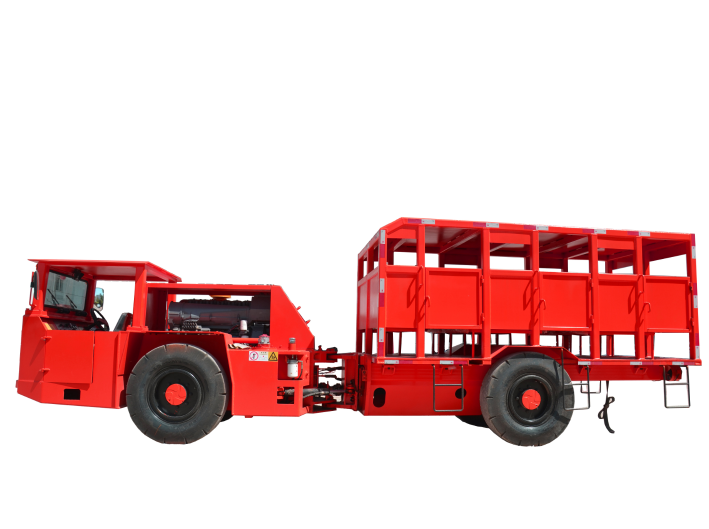
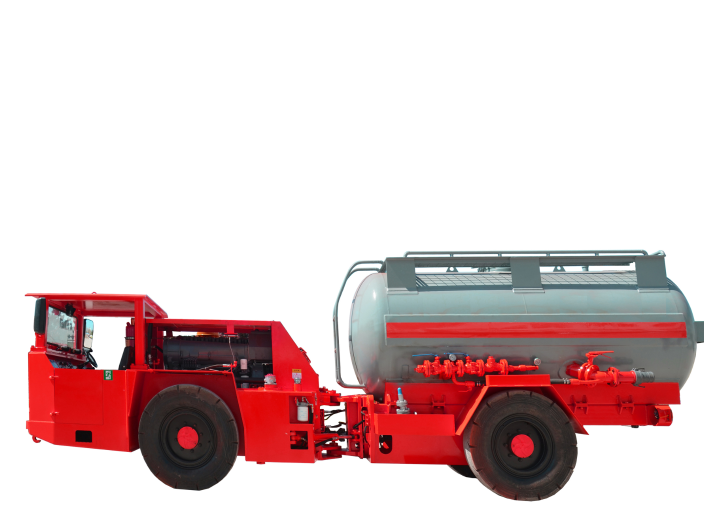
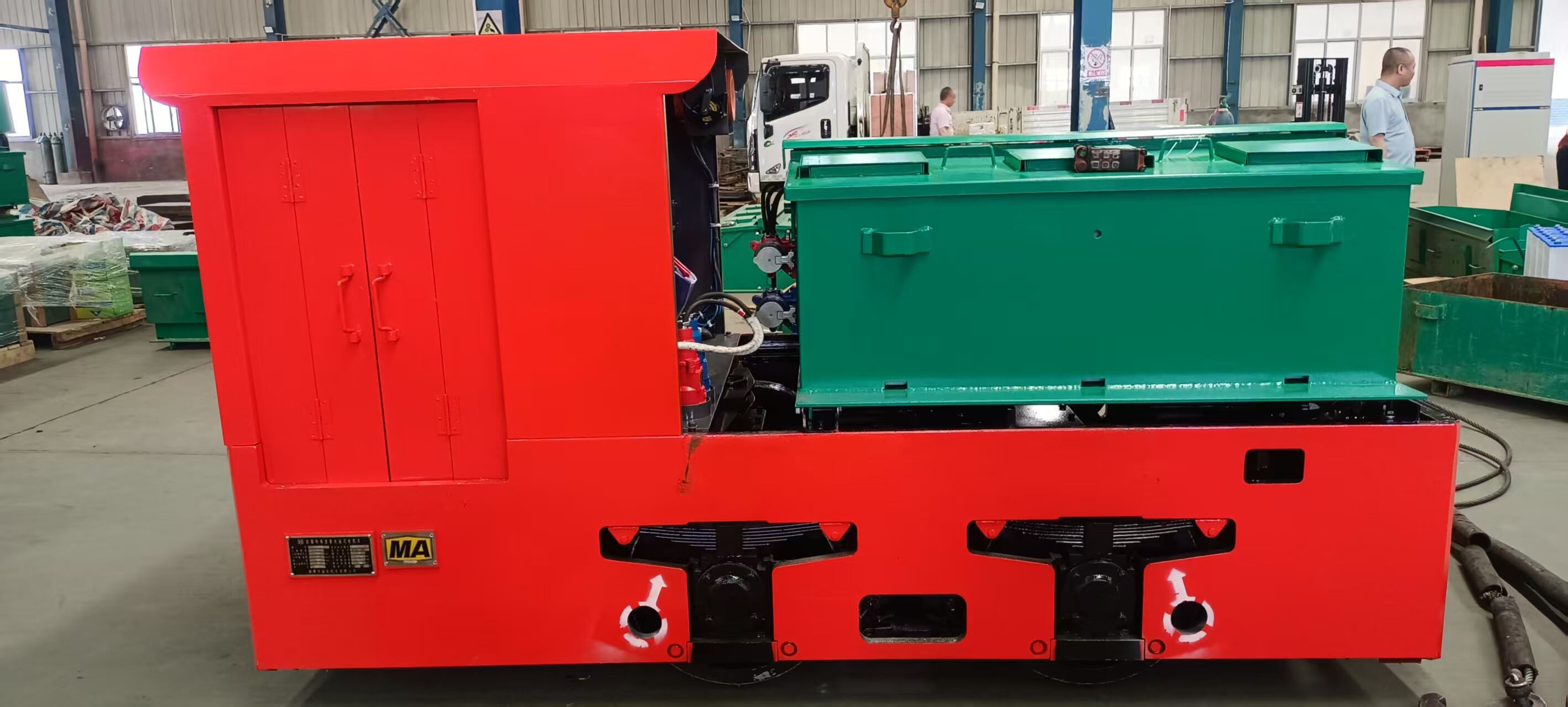
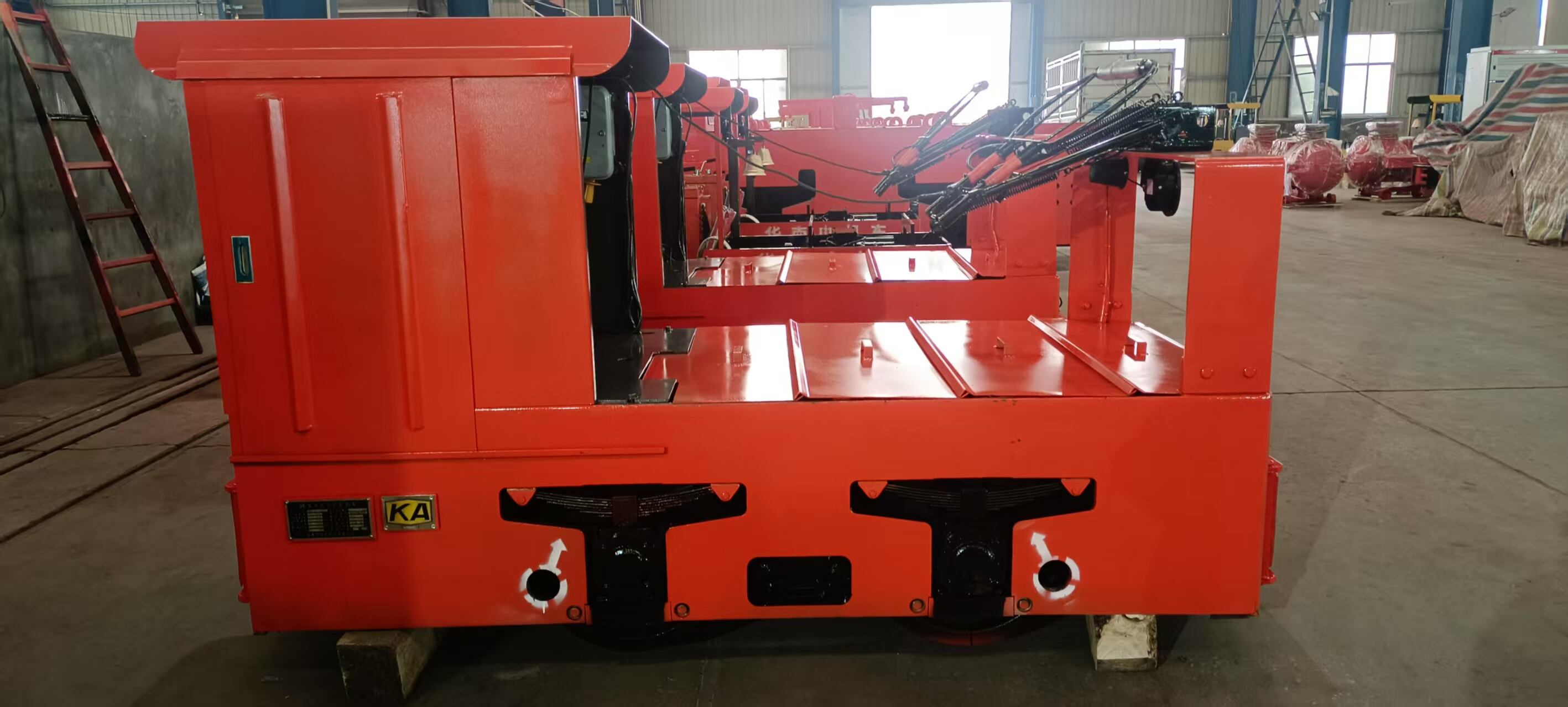
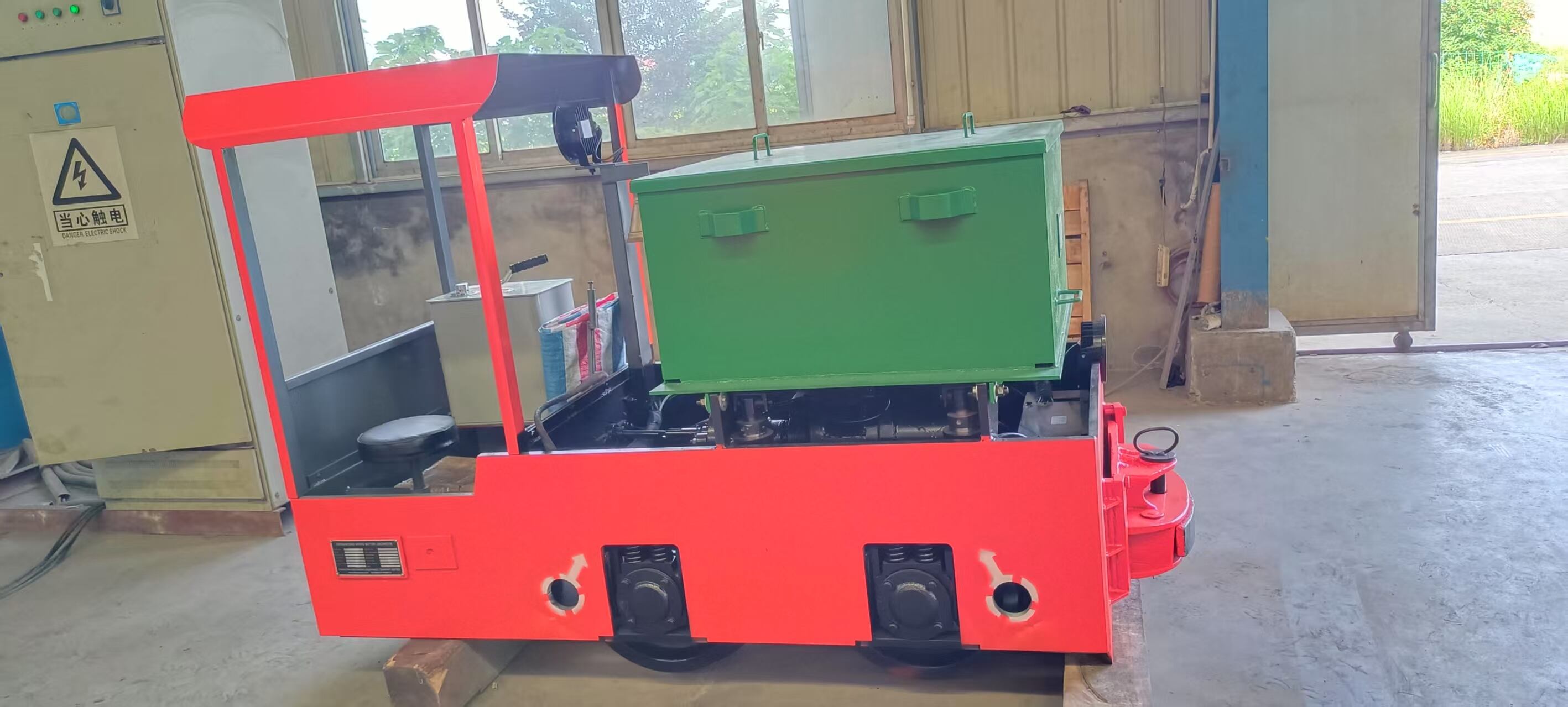
An underground locomotive represents a specialized piece of mining equipment designed specifically for transporting materials, personnel, and equipment through underground mining operations and tunnel systems. This robust machinery serves as the backbone of subsurface transportation infrastructure, enabling efficient movement of resources in challenging environments where conventional vehicles cannot operate. The underground locomotive functions primarily as a hauling system that pulls train cars loaded with ore, waste rock, supplies, or workers through narrow tunnels and shafts deep beneath the earth's surface. These powerful machines are engineered to withstand harsh conditions including limited ventilation, high humidity, rock dust, and confined spaces while maintaining reliable performance day after day. Modern underground locomotive designs incorporate advanced technological features such as electric or diesel-electric power systems, sophisticated braking mechanisms, remote control capabilities, and comprehensive safety monitoring systems. The electric variants typically draw power from overhead trolley wires or battery packs, eliminating harmful exhaust emissions in enclosed spaces and reducing ventilation requirements. The locomotive's compact dimensions allow navigation through tight curves and restricted clearances common in underground mining environments. Applications for underground locomotives span various industries including coal mining, hard rock mining operations for precious metals and base metals, potash extraction, salt mining, and major infrastructure tunnel construction projects. These machines prove indispensable in deep underground mines where vertical shafts connect to horizontal drift systems requiring continuous material transport over considerable distances. The underground locomotive also plays a crucial role in maintenance operations, emergency response situations, and daily workforce transportation to active mining faces located kilometers from shaft stations. Their load capacity ranges from several tons to over one hundred tons depending on model specifications and operational requirements, making them adaptable to projects of different scales and production targets.

New Product Releases

The underground locomotive delivers exceptional reliability in demanding subsurface environments where equipment failure can halt entire mining operations and compromise worker safety. These machines operate continuously in conditions that would quickly destroy standard surface vehicles, providing mining companies with dependable transportation solutions that minimize costly downtime and maintain production schedules. One significant practical benefit stems from their energy efficiency, particularly electric models that convert power directly into traction force without the losses associated with combustion engines. This efficiency translates into lower operational costs over the equipment's lifespan, allowing mining operations to reduce their energy expenditure while moving larger payloads. The underground locomotive offers superior maneuverability in confined spaces, with specialized wheel configurations and compact designs that navigate sharp curves, steep gradients, and narrow tunnels where other transport options simply cannot fit. This capability enables mining companies to extract resources from areas previously considered inaccessible, expanding their operational reach and extending mine life. Safety features integrated into modern underground locomotives protect both operators and nearby personnel through automatic braking systems, collision avoidance technology, speed governors, and emergency stop mechanisms that respond instantly to hazardous situations. These safety enhancements reduce accident rates, lower insurance premiums, and create a more secure working environment that helps attract and retain skilled workers. The versatility of underground locomotives allows them to handle diverse tasks beyond simple hauling, including transporting maintenance equipment, delivering supplies to remote work areas, and evacuating personnel during emergencies. This multi-purpose functionality provides mining operations with a single solution for multiple transport needs, eliminating the requirement to invest in separate specialized vehicles for different tasks. Maintenance accessibility represents another key advantage, with modular component designs that enable quick repairs and part replacements without removing the entire machine from underground locations. Technicians can service critical systems efficiently, reducing repair time and keeping equipment productive. The underground locomotive also generates minimal vibration compared to wheeled vehicles operating on uneven tunnel floors, protecting sensitive cargo, reducing wear on rail infrastructure, and providing smoother rides for personnel transport. Environmental benefits extend beyond zero underground emissions for electric models to include reduced noise pollution, lower heat generation that decreases cooling demands, and elimination of petroleum product spillage risks in sensitive groundwater zones. These factors contribute to regulatory compliance and support corporate sustainability goals while creating better working conditions underground. The scalability of underground locomotive systems allows mining operations to expand capacity by adding more cars to existing trains rather than purchasing additional locomotives, providing flexible growth options that match production increases without major capital investments.

Latest News

How Do Underground Mining Dump Trucks Handle Extreme Tunnel Conditions?

17

Nov

How Do Underground Mining Dump Trucks Handle Extreme Tunnel Conditions?

Underground mining operations present some of the most challenging working environments in industrial machinery, where specialized equipment must perform reliably under extreme conditions. Underground mining dump trucks represent a critical component...
View More
What Factors Affect the Performance of an Underground Mining Scoop?

07

Jan

What Factors Affect the Performance of an Underground Mining Scoop?

The performance of an underground mining scoop depends on numerous interconnected factors that directly impact productivity, safety, and operational efficiency in mining operations. Understanding these variables is crucial for mining engineers and op...
View More
How Does an Underground Loader Affect Operating Costs?

07

Jan

How Does an Underground Loader Affect Operating Costs?

The impact of equipment selection on mining operations extends far beyond initial purchase price, with underground loader choices significantly influencing long-term operational expenses. Underground mining operations face unique challenges that requ...
View More
Why Some Mines Still Choose Diesel Over Electric Underground Trucks

18

Mar

Why Some Mines Still Choose Diesel Over Electric Underground Trucks

The underground mining industry stands at a technological crossroads where electric vehicle adoption accelerates across surface operations, yet many mine operators continue selecting diesel-powered underground mining trucks for their critical hauling...
View More

Get a Free Quote

Our representative will contact you soon.
Email
Name
Company Name
Message
0/1000

underground locomotive

Advanced Electric Propulsion Technology for Zero-Emission Underground Operations

Advanced Electric Propulsion Technology for Zero-Emission Underground Operations

The underground locomotive equipped with cutting-edge electric propulsion technology represents a revolutionary advancement in subsurface transportation, delivering powerful performance while maintaining completely emission-free operation in enclosed mining environments. This feature holds tremendous importance for mining operations struggling with ventilation challenges and air quality management in deep underground settings. Traditional diesel equipment releases harmful exhaust gases including carbon monoxide, nitrogen oxides, and particulate matter that accumulate in confined spaces, requiring extensive ventilation systems that consume massive amounts of energy and create operational complications. The electric underground locomotive eliminates these concerns entirely by drawing power from trolley wire systems or advanced battery banks, producing zero emissions at the point of use and dramatically improving air quality for workers. This technology brings substantial value through reduced ventilation infrastructure costs, as mining operations can downsize expensive fan systems and decrease the volume of fresh air that must be circulated to remote working areas. The elimination of diesel particulate matter also protects worker health, reducing respiratory illness risks and creating a more attractive workplace that aids recruitment efforts in competitive labor markets. Electric propulsion systems in underground locomotives deliver superior torque characteristics compared to diesel engines, providing stronger pulling power at low speeds when hauling heavy loads from standstill positions or climbing steep gradients common in underground rail networks. This enhanced performance translates into larger payload capacities and faster cycle times that boost overall mining productivity. The regenerative braking capability integrated into electric underground locomotive designs captures energy during downhill runs and returns it to the power system, creating additional efficiency gains that compound cost savings over millions of operating hours. Maintenance requirements decrease substantially with electric propulsion technology, as these systems contain fewer moving parts than complex diesel engines with their fuel injection systems, turbochargers, emission control devices, and cooling systems that demand regular servicing. The simplified mechanical design of electric underground locomotives reduces spare parts inventory costs, shortens repair durations, and extends equipment availability for productive hauling tasks. Battery-powered variants offer even greater flexibility by enabling operation in areas where trolley wire installation proves impractical, with modern lithium-ion battery technologies providing sufficient capacity for full shift operations before requiring recharging. The quiet operation of electric underground locomotives creates a more pleasant working environment with reduced noise fatigue, while also enabling better communication between crew members and earlier detection of mechanical problems through acoustic monitoring.
Robust Safety Systems Protecting Personnel and Assets in Hazardous Environments

Robust Safety Systems Protecting Personnel and Assets in Hazardous Environments

Safety represents the paramount concern in underground mining operations, and the underground locomotive incorporates comprehensive protection systems specifically engineered to prevent accidents and safeguard both operators and nearby workers in challenging subsurface conditions. These integrated safety features deliver critical value by reducing injury rates, preventing fatalities, minimizing equipment damage, and ensuring regulatory compliance with increasingly stringent mining safety standards. The multi-layered approach to safety begins with automatic train protection systems that continuously monitor locomotive speed, track conditions, and proximity to other equipment, automatically applying brakes when preset safety parameters are exceeded regardless of operator action. This technology prevents runaway situations on steep downgrades, stops collisions with stationary equipment or personnel, and enforces speed restrictions in areas with limited visibility or sharp curves. The underground locomotive features advanced proximity detection systems utilizing radar, ultrasonic sensors, or RFID technology to identify workers or obstacles in the travel path, triggering audible warnings and automatic stopping sequences that give people time to move to safe locations. These systems prove especially valuable in poorly lit areas, around blind corners, or during shift changes when multiple crews occupy the same spaces. Emergency stop mechanisms provide both operators and trackside personnel with easily accessible controls that immediately halt locomotive movement in dangerous situations, with bright red mushroom-style buttons positioned at multiple locations on the machine and wireless emergency stop transmitters carried by workers. The importance of these safety features extends beyond immediate accident prevention to include long-term cultural impacts, as visible commitment to worker protection builds trust, improves morale, and fosters a safety-conscious mindset throughout the organization. Automatic fire suppression systems integrated into underground locomotives detect temperature increases or flame presence and deploy extinguishing agents within seconds, preventing small mechanical fires from escalating into catastrophic incidents in confined spaces where evacuation options are limited. Collision avoidance technology brings substantial value by protecting expensive infrastructure including tunnel supports, ventilation systems, power distribution equipment, and communication networks from damage caused by derailments or impacts. The financial consequences of destroying critical underground infrastructure can exceed equipment repair costs by orders of magnitude, making collision prevention systems highly cost-effective investments. Operator protection features including rollover protection structures, impact-absorbing cab designs, and secure restraint systems ensure that locomotive operators remain safe even during unusual incidents, while integrated communication systems enable continuous contact with surface control rooms for rapid emergency response coordination.

Exceptional Durability and Minimal Maintenance Requirements for Continuous Operation

Exceptional Durability and Minimal Maintenance Requirements for Continuous Operation

The underground locomotive is specifically engineered for exceptional durability and longevity in the harshest possible operating conditions, incorporating heavy-duty construction and carefully selected materials that withstand constant exposure to moisture, corrosive chemicals, abrasive rock dust, and mechanical impacts that would quickly destroy lesser equipment. This fundamental design philosophy delivers enormous practical value to mining operations by maximizing equipment availability, extending replacement intervals, and minimizing the total cost of ownership over decades of service life. The frame and chassis of underground locomotives utilize high-strength steel alloys with corrosion-resistant coatings that maintain structural integrity despite continuous exposure to groundwater, chemical drainage, and aggressive dust environments common in subsurface mining. This robust construction prevents catastrophic failures and extends operational life well beyond conventional equipment, allowing mining companies to amortize capital investments over longer periods and reduce the frequency of expensive equipment replacements. Critical drive components including motors, gearboxes, and axle assemblies are sealed against contaminant intrusion and designed with generous safety factors that prevent premature wear even under sustained heavy loading conditions encountered when hauling maximum capacity trains through adverse gradients. The importance of this durability becomes evident when considering the logistical challenges and costs associated with removing failed equipment from underground locations, transporting replacement machinery through restricted access points, and reinstalling systems in active mining areas where production delays directly impact revenue. Minimal maintenance requirements represent another crucial advantage of modern underground locomotives, achieved through careful engineering that reduces service intervals, simplifies procedures, and enables maintenance activities to occur during natural production breaks rather than requiring dedicated shutdown periods. Modular component designs allow technicians to quickly replace entire assemblies rather than performing complex repairs in cramped underground workshops with limited tools and lighting. This approach dramatically reduces mean time to repair, keeping equipment productive and preventing maintenance backlogs that can constrain entire mining operations. The underground locomotive incorporates centralized lubrication systems that automatically distribute grease to dozens of critical bearing points on programmed schedules, eliminating manual greasing tasks that consume labor hours and are often performed inconsistently. Condition monitoring systems continuously track operating parameters including motor temperatures, bearing vibrations, brake wear, and battery charge states, providing early warning of developing problems before they cause failures and enabling predictive maintenance approaches that schedule repairs during planned downtime. This proactive maintenance capability prevents unexpected breakdowns that halt production and create cascading delays throughout mining operations.

Get a Free Quote

Our representative will contact you soon.
Email
Name
Company Name
Message
0/1000