Superior Economic Performance Through Reduced Operating and Maintenance Costs
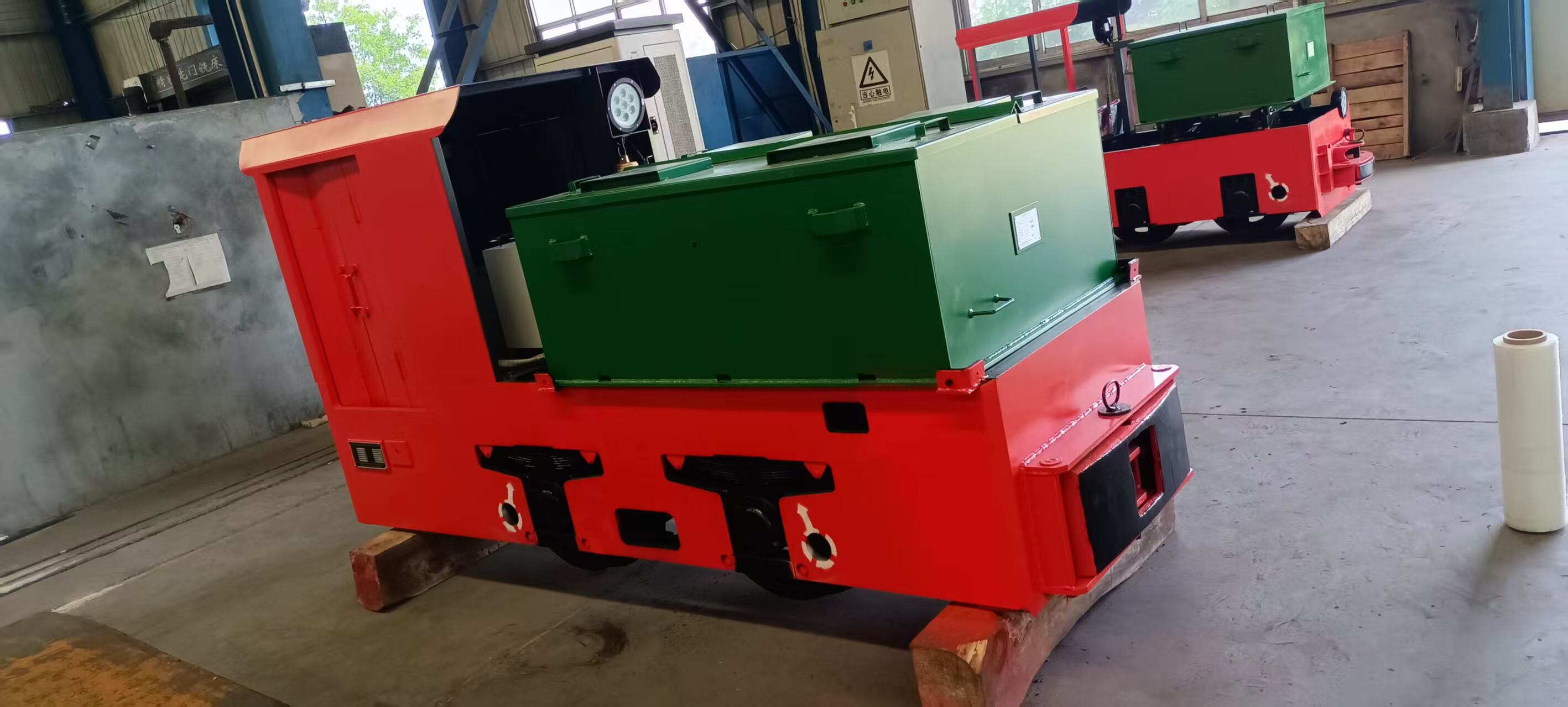
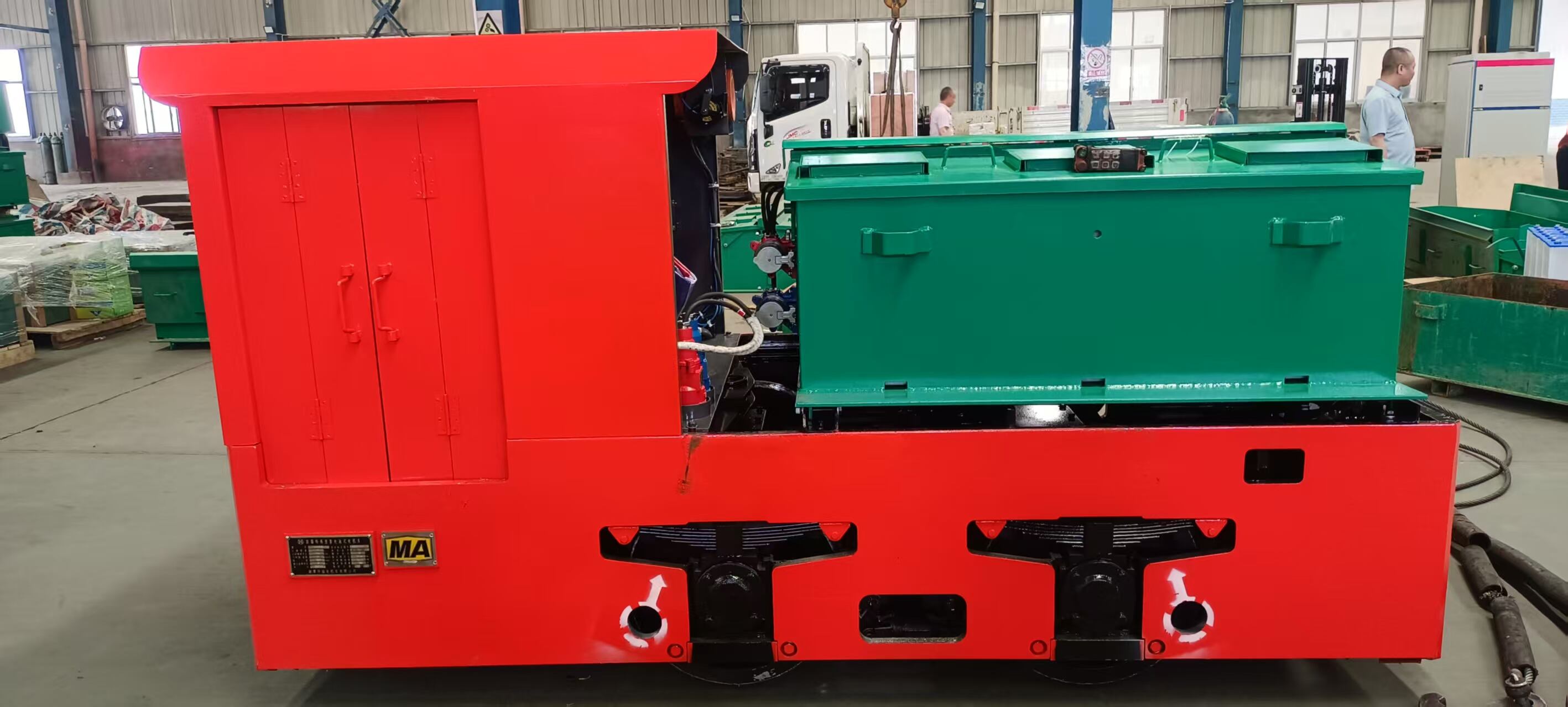
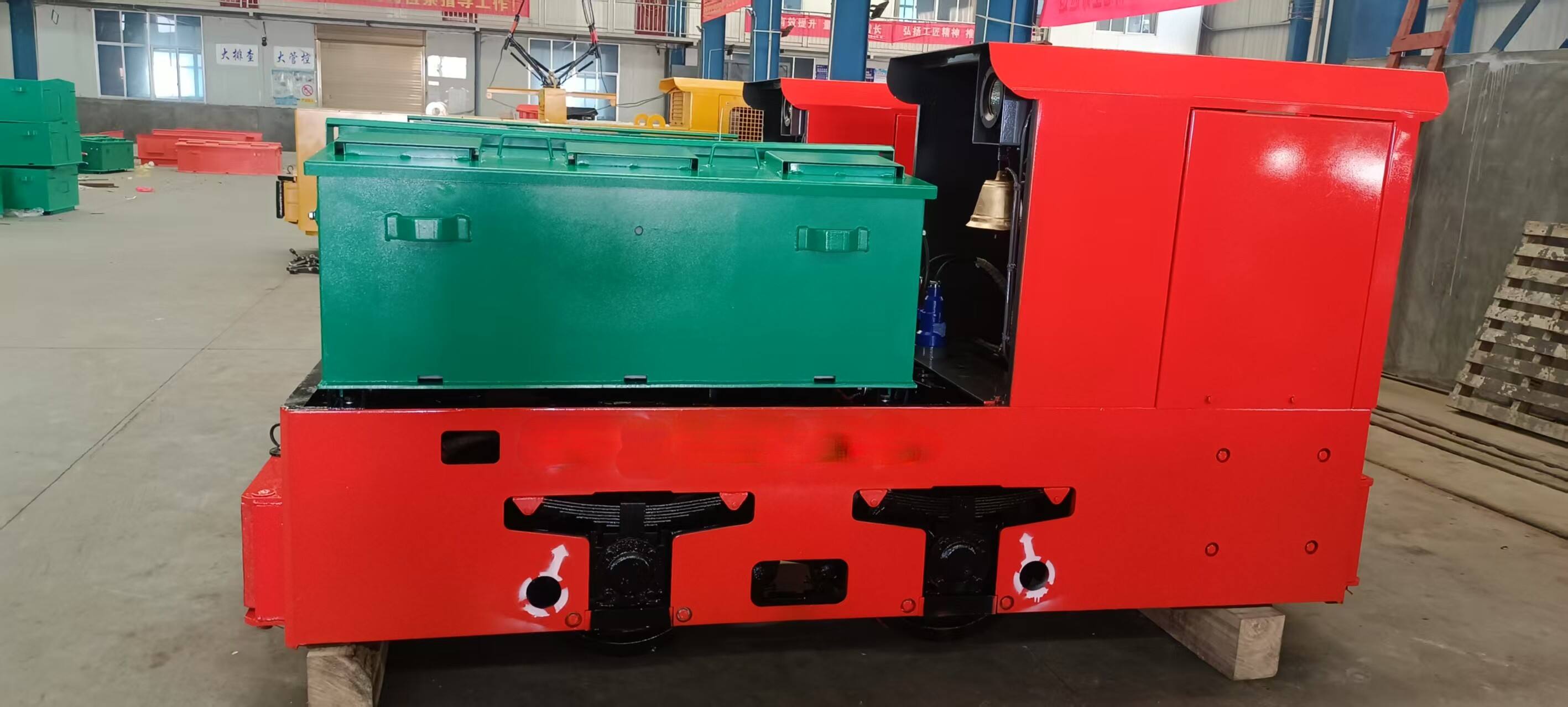
The electric trolley locomotive for underground rail transport delivers compelling financial advantages that significantly improve the bottom line for mining and construction operations through multiple cost reduction mechanisms that accumulate substantial savings over the equipment lifecycle. Electricity costs considerably less per energy unit than diesel fuel, and this price advantage remains relatively stable compared to petroleum products that experience volatile price fluctuations driven by geopolitical events, refining capacity constraints, and seasonal demand variations that make budget forecasting difficult. The electric trolley locomotive for underground rail transport eliminates fuel transportation logistics, which in remote mining locations can add substantial markup to diesel prices due to trucking costs, storage requirements, and handling losses that never appear in published fuel price indices. Electric motors contain fewer moving parts than internal combustion engines, with simple construction featuring a rotor, stator, bearings, and electrical connections rather than pistons, crankshafts, camshafts, fuel injection systems, turbochargers, and emission control equipment that require regular inspection, adjustment, and replacement. This mechanical simplicity translates directly into reduced maintenance labor hours, lower spare parts inventory costs, and decreased equipment downtime that would otherwise halt production and prevent revenue generation. The electric trolley locomotive for underground rail transport typically operates for thousands of hours between major service intervals, compared to diesel locomotives requiring oil changes every few hundred hours along with filter replacements, cooling system maintenance, and periodic engine rebuilds that consume considerable resources. Maintenance personnel require less specialized training to service electric propulsion systems, reducing labor costs and making it easier to develop internal maintenance capabilities rather than depending on expensive external service contractors or factory-trained technicians. The absence of engine-related breakdowns means production schedules become more predictable and reliable, allowing mine planners to commit confidently to delivery schedules with customers and optimize extraction sequences without building in excessive buffer time to accommodate equipment failures. The electric trolley locomotive for underground rail transport demonstrates exceptional durability with operational lifespans frequently exceeding twenty years when properly maintained, providing superior return on capital investment compared to diesel alternatives that often require major overhauls or replacement after shorter service periods. Energy efficiency advantages become particularly significant in operations with steep gradients, where modern electric locomotives equipped with regenerative braking capture kinetic energy during descent and feed it back into the electrical system, effectively recovering energy that diesel locomotives waste entirely as brake heat while simultaneously reducing brake wear and replacement costs.

 EN
EN