
 EN
EN
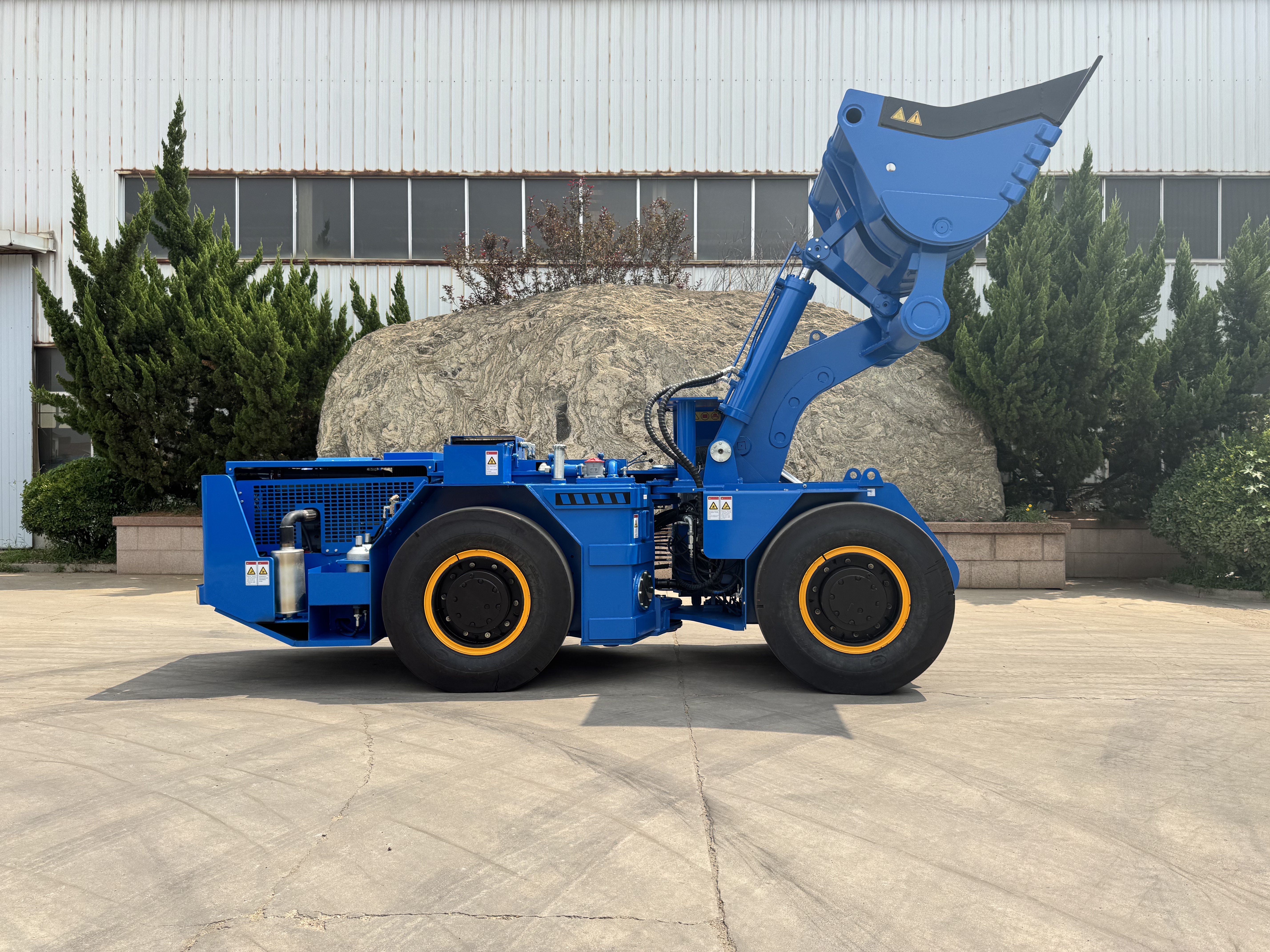
Mining operations in narrow vein environments present unique challenges that require specialized equipment designed for confined spaces and efficient material handling. The selection of appropriate mining machinery becomes critical when working in restricted underground areas where traditional large-scale equipment cannot operate effectively. A scooptram 1 cubic yard represents an ideal solution for these challenging mining conditions, offering the perfect balance between capacity and maneuverability. These compact yet powerful machines are specifically engineered to navigate tight spaces while maintaining productivity levels essential for profitable mining operations. Understanding the key factors in selecting the right scooptram 1 cubic yard for your narrow vein mine ensures optimal performance and long-term operational success.
Understanding Narrow Vein Mining Requirements
Dimensional Constraints in Underground Operations
Narrow vein mining operations typically involve working within confined spaces where tunnel heights range from 2.5 to 4 meters and widths may be as narrow as 3 to 5 meters. These spatial limitations directly impact equipment selection, requiring machinery that can operate efficiently within these parameters. The scooptram 1 cubic yard is specifically designed to meet these dimensional challenges while maintaining adequate bucket capacity for productive operations. Mine planners must carefully consider the relationship between equipment dimensions and tunnel specifications to ensure smooth material flow and prevent operational bottlenecks.
The low-profile design characteristic of modern scooptram 1 cubic yard units allows for operation in environments with limited overhead clearance. This design feature becomes particularly important when considering ventilation requirements and support structure placement in narrow vein mines. Equipment manufacturers have responded to these challenges by developing compact machines that maximize operational capability while minimizing spatial footprint requirements.
Material Handling Efficiency Considerations
Effective material handling in narrow vein environments requires equipment capable of rapid loading, transport, and dumping cycles within constrained spaces. The scooptram 1 cubic yard provides an optimal balance between bucket capacity and cycle time efficiency. Smaller bucket capacities allow for more frequent loading cycles, which can actually improve overall productivity in situations where larger equipment would be unable to operate effectively. This approach maximizes material movement while accommodating the physical limitations inherent in narrow vein mining operations.
Transport distances in narrow vein mines are often shorter than in large-scale mining operations, making the scooptram 1 cubic yard an ideal choice for frequent short-haul applications. The combination of compact size and adequate capacity ensures that material handling remains efficient despite spatial constraints. Operators benefit from improved maneuverability and reduced cycle times compared to larger equipment attempting to operate in similar conditions.
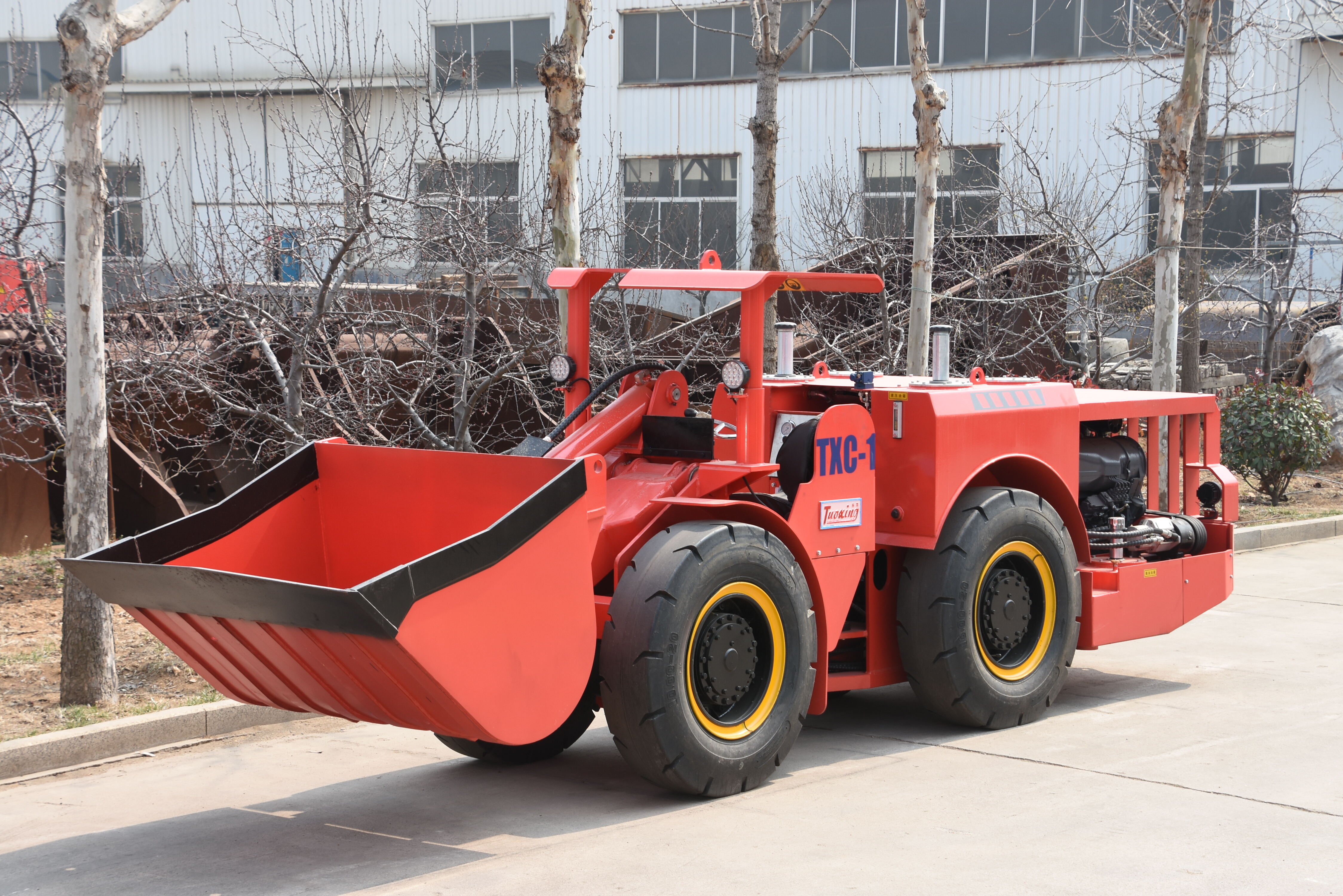
Technical Specifications and Performance Criteria
Engine Power and Fuel Efficiency
The engine specifications of a scooptram 1 cubic yard significantly impact operational performance and long-term operating costs. Modern units typically feature diesel engines optimized for underground operations, providing reliable power output while maintaining fuel efficiency standards appropriate for continuous operation. Engine power ratings generally range from 75 to 120 horsepower, providing sufficient torque for loading operations while maintaining reasonable fuel consumption rates. The selection of appropriate engine power depends on factors including material density, operating gradients, and required cycle times.
Fuel efficiency becomes particularly important in remote mining operations where fuel transportation costs can significantly impact overall operational expenses. Advanced engine management systems found in quality scooptram 1 cubic yard units optimize fuel consumption through intelligent power delivery and automated engine control functions. These features contribute to reduced operating costs and extended operational periods between refueling requirements.
Hydraulic System Performance
The hydraulic system design directly influences the loading capacity and operational efficiency of any scooptram 1 cubic yard. High-performance hydraulic systems provide rapid bucket cycling, efficient lifting capacity, and precise control for material handling operations. Typical hydraulic specifications include operating pressures ranging from 200 to 300 bar, with flow rates optimized for quick bucket response and smooth operation. The integration of load-sensing hydraulic systems improves overall efficiency by adjusting hydraulic flow based on operational demands.
Hydraulic system reliability becomes critical in underground mining environments where equipment downtime can significantly impact production schedules. Quality scooptram 1 cubic yard units feature robust hydraulic components designed to withstand the demanding conditions typical of narrow vein mining operations. Regular maintenance requirements and component accessibility should be carefully evaluated during the selection process to ensure long-term operational reliability.
Operational Advantages in Confined Spaces
Maneuverability and Navigation Benefits
The compact design of a scooptram 1 cubic yard provides exceptional maneuverability advantages in narrow vein mining environments. Tight turning radii, typically ranging from 3 to 4 meters, allow operators to navigate confined spaces and complex tunnel layouts with minimal difficulty. This enhanced maneuverability reduces the need for extensive tunnel widening or complex material transfer systems, resulting in significant cost savings during mine development phases. The ability to operate effectively in existing tunnel infrastructure maximizes resource extraction efficiency while minimizing capital expenditure requirements.
Advanced steering systems and responsive controls enable precise positioning during loading and dumping operations, even in the most confined working areas. The scooptram 1 cubic yard design incorporates operator-friendly control systems that reduce fatigue and improve operational precision. These features become particularly valuable during extended operating shifts common in continuous mining operations where operator comfort directly impacts productivity levels.
Versatility in Multiple Applications
Beyond primary material handling duties, a well-selected scooptram 1 cubic yard can serve multiple functions within narrow vein mining operations. These versatile machines can be utilized for development work, maintenance activities, and emergency response situations where larger equipment would be impractical. The ability to quickly transition between different operational roles maximizes equipment utilization rates and improves overall operational flexibility. This versatility proves particularly valuable in smaller mining operations where equipment resources must be maximized across multiple applications.
Support functions such as personnel transport, equipment delivery, and maintenance material handling can be efficiently performed using the same scooptram 1 cubic yard unit. This multi-purpose capability reduces the need for additional specialized equipment, resulting in lower capital investment requirements and simplified maintenance programs. The economic benefits of equipment versatility become particularly apparent in narrow vein mining operations where space limitations prevent the deployment of multiple specialized machines.
Safety Considerations and Compliance Standards
Underground Safety Requirements
Safety compliance represents a fundamental consideration when selecting any scooptram 1 cubic yard for underground mining operations. Modern units must meet stringent safety standards including MSHA compliance, flame-resistant construction, and advanced safety monitoring systems. Fire suppression systems, emergency shutdown capabilities, and operator protection features are essential components that directly impact operational safety and regulatory compliance. The integration of these safety systems should not compromise operational efficiency or increase maintenance complexity beyond acceptable levels.
Visibility improvements through advanced lighting systems and operator cabin design contribute significantly to operational safety in narrow vein environments. The scooptram 1 cubic yard must provide adequate visibility during all phases of operation, including loading, transport, and dumping activities. Modern LED lighting systems offer improved illumination while reducing electrical power consumption and maintenance requirements compared to traditional lighting technologies.
Operator Protection and Ergonomics
Operator safety and comfort features directly impact both safety performance and operational productivity in underground mining environments. ROPS certification, climate-controlled operator cabins, and ergonomic control placement are essential features that should be carefully evaluated during the selection process. The scooptram 1 cubic yard operator environment must provide adequate protection from environmental hazards while maintaining comfortable working conditions during extended operating periods.
Advanced safety monitoring systems that provide real-time feedback on machine performance and environmental conditions enhance operator awareness and response capabilities. These systems can include proximity detection, load monitoring, and automatic safety shutdown features that prevent accidents and equipment damage. The integration of these technologies improves overall safety performance while reducing the likelihood of operational incidents that could impact production schedules.
Maintenance and Service Considerations
Accessibility and Service Requirements
Maintenance accessibility represents a critical factor in the long-term operational success of any scooptram 1 cubic yard in narrow vein mining applications. Equipment design must facilitate routine maintenance procedures while accommodating the spatial limitations inherent in underground mining environments. Service point accessibility, component replacement procedures, and diagnostic system integration should be carefully evaluated to ensure maintenance operations can be performed efficiently within confined spaces.
The availability of local service support and parts supply networks significantly impacts operational continuity and maintenance costs. Selecting a scooptram 1 cubic yard from manufacturers with established service networks ensures timely support and reduces equipment downtime risks. Comprehensive service documentation and operator training programs contribute to improved maintenance quality and extended equipment service life.
Preventive Maintenance Programs
Developing comprehensive preventive maintenance programs specifically tailored to narrow vein mining conditions ensures optimal performance and service life from your scooptram 1 cubic yard investment. These programs should address the unique challenges associated with confined space operations, including increased dust exposure, limited ventilation, and intensive operating cycles. Regular inspection schedules, component replacement intervals, and performance monitoring procedures must be adapted to accommodate the demanding conditions typical of narrow vein mining environments.
Advanced diagnostic systems integrated into modern scooptram 1 cubic yard units provide valuable maintenance planning information through continuous monitoring of critical system parameters. These systems enable predictive maintenance approaches that can prevent unexpected failures and optimize maintenance scheduling. The implementation of condition-based maintenance programs reduces overall maintenance costs while improving equipment availability and operational reliability.
Economic Factors and Return on Investment
Initial Investment and Operating Costs
The economic evaluation of a scooptram 1 cubic yard investment must consider both initial capital costs and long-term operating expenses. While compact mining equipment may require higher per-cubic-yard investment compared to larger machines, the ability to operate effectively in narrow vein environments often provides superior return on investment through improved resource extraction efficiency. Operating cost components including fuel consumption, maintenance requirements, and operator training must be carefully analyzed to develop accurate economic projections.
Financing options and lease arrangements can significantly impact the financial viability of scooptram 1 cubic yard acquisitions, particularly for smaller mining operations with limited capital resources. Manufacturer financing programs, equipment leasing options, and used equipment availability should be explored to optimize investment structures. The total cost of ownership analysis should include depreciation, financing costs, insurance, and residual value considerations over the expected equipment service life.
Productivity and Efficiency Benefits
Productivity improvements achieved through the deployment of appropriately selected scooptram 1 cubic yard equipment often justify initial investment costs through improved material handling efficiency and reduced operational bottlenecks. The ability to maintain consistent production levels in narrow vein environments where larger equipment cannot operate provides significant competitive advantages. Quantifying these productivity benefits requires careful analysis of material handling rates, cycle times, and overall operational efficiency improvements.
Indirect economic benefits including reduced development costs, improved working conditions, and enhanced operational flexibility contribute additional value that should be considered during the economic evaluation process. The scooptram 1 cubic yard selection may enable mining operations in areas that would otherwise be uneconomical with conventional equipment, expanding resource extraction opportunities and extending mine life expectations.
FAQ
What are the key dimensional specifications to consider when selecting a scooptram 1 cubic yard for narrow vein mining
The most critical dimensional specifications include overall height, width, length, and turning radius. Typical scooptram 1 cubic yard units feature heights ranging from 2.2 to 2.8 meters, widths from 1.8 to 2.2 meters, and overall lengths between 6 to 8 meters. The turning radius should not exceed 4 meters to ensure adequate maneuverability in confined spaces. These dimensions must be carefully matched to existing tunnel infrastructure and operational requirements to prevent access limitations and ensure efficient material handling cycles.
How does engine power selection impact performance in narrow vein mining operations
Engine power selection directly influences loading capacity, transport speed, and overall productivity in narrow vein environments. Scooptram 1 cubic yard units typically require 75 to 120 horsepower to handle dense materials and navigate inclined tunnels effectively. Higher power ratings provide improved performance on steep grades and faster cycle times, while lower power options may offer better fuel efficiency for applications with lighter materials and level terrain. The optimal power selection depends on specific material characteristics, tunnel gradients, and required production rates.
What safety features are essential for underground scooptram 1 cubic yard operations
Essential safety features include ROPS-certified operator cabins, fire suppression systems, emergency shutdown controls, and comprehensive lighting packages. Modern scooptram 1 cubic yard units should incorporate proximity detection systems, backup alarms, and automatic safety interlocks to prevent operational accidents. Flame-resistant construction materials and spark-resistant electrical systems are mandatory for most underground mining applications. Additionally, integrated monitoring systems that track machine performance and environmental conditions enhance overall operational safety.
How can maintenance requirements be optimized for narrow vein mining conditions
Maintenance optimization requires selecting scooptram 1 cubic yard units with accessible service points, comprehensive diagnostic systems, and robust component designs suited to harsh underground conditions. Preventive maintenance programs should be adapted to address increased dust exposure and intensive operating cycles typical of narrow vein mining. Regular component inspections, proactive replacement of wear items, and condition-based monitoring help prevent unexpected failures. Establishing relationships with qualified service providers and maintaining adequate spare parts inventory ensures minimal downtime and optimal equipment availability.
Table of Contents
- Understanding Narrow Vein Mining Requirements
- Technical Specifications and Performance Criteria
- Operational Advantages in Confined Spaces
- Safety Considerations and Compliance Standards
- Maintenance and Service Considerations
- Economic Factors and Return on Investment
-
FAQ
- What are the key dimensional specifications to consider when selecting a scooptram 1 cubic yard for narrow vein mining
- How does engine power selection impact performance in narrow vein mining operations
- What safety features are essential for underground scooptram 1 cubic yard operations
- How can maintenance requirements be optimized for narrow vein mining conditions