
 EN
EN
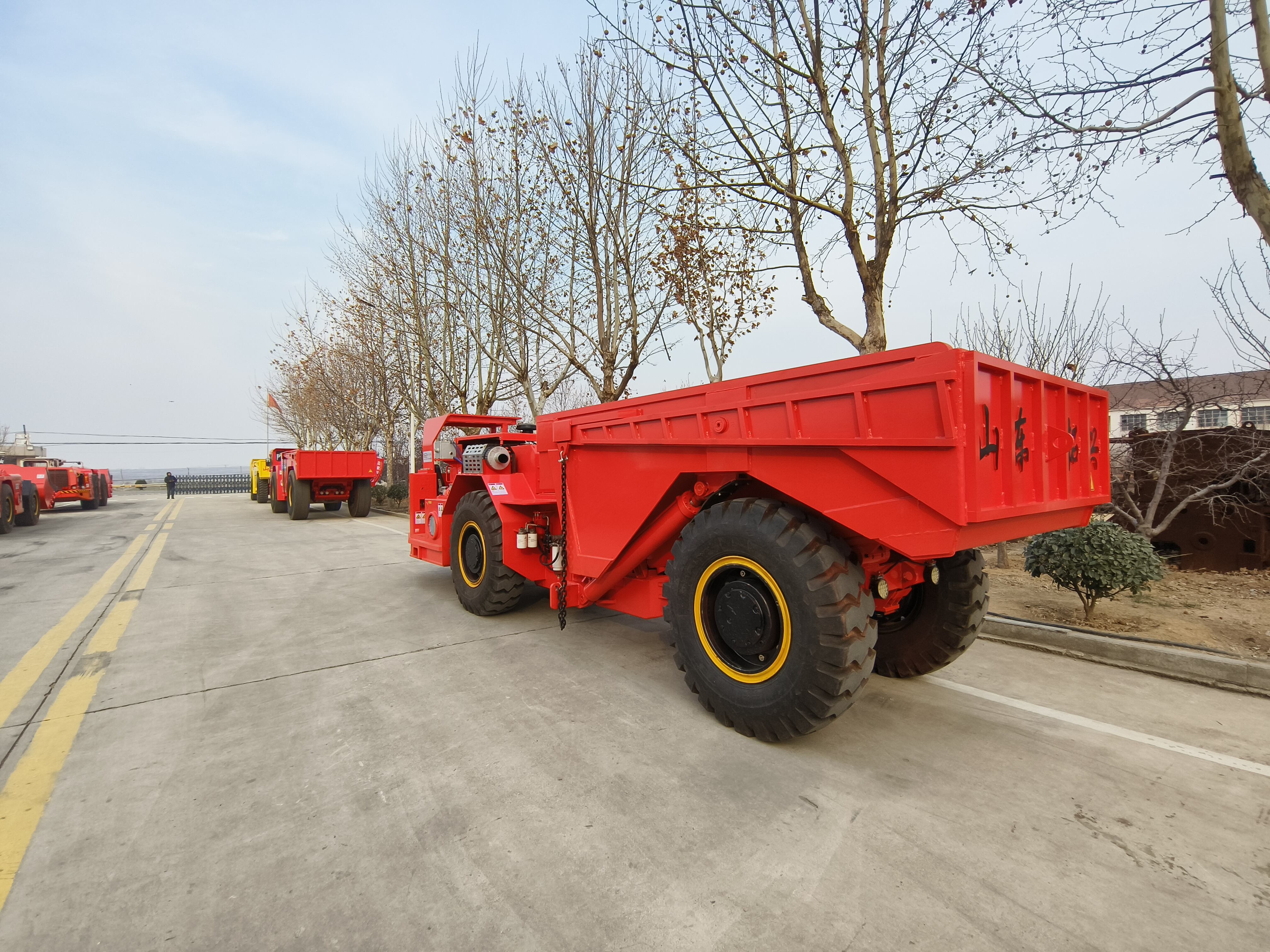
When underground operations push deeper into the earth, the challenges of moving materials up steep gradients become exponentially complex. The ability of an underground truck to conquer challenging ramps isn't just about raw power—it's fundamentally about how drivetrain engineering translates mechanical force into controlled traction. Understanding this relationship between drivetrain architecture and climbing performance reveals why some mining operations achieve consistent productivity while others struggle with equipment limitations on inclined surfaces.
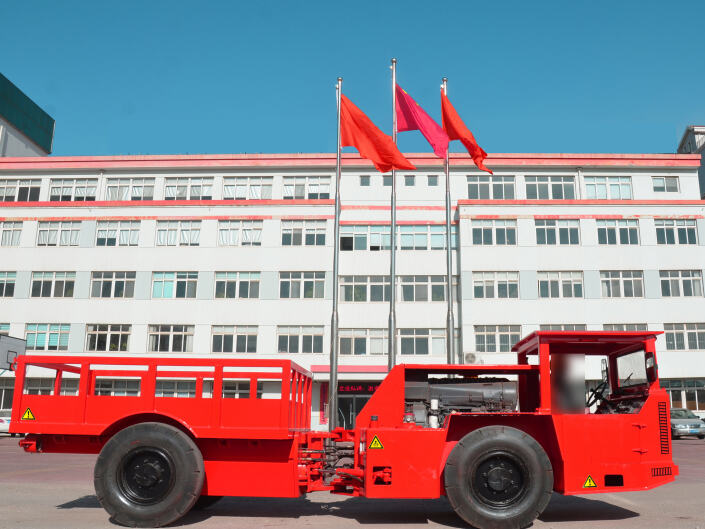
The physics of underground truck performance on steep ramps involves a delicate balance of torque multiplication, traction distribution, and thermal management. Modern drivetrain systems must overcome gravitational resistance while maintaining precise control over heavily loaded vehicles navigating confined spaces. This engineering challenge has driven significant innovations in transmission technology, differential design, and cooling systems specifically optimized for subterranean environments where every degree of incline amplifies the technical demands on mechanical components.
Torque Multiplication and Power Delivery Systems
Understanding Transmission Gear Ratios for Steep Gradients
The foundation of effective underground truck climbing performance lies in how transmission systems multiply engine torque to overcome gravitational forces. When an underground truck encounters a steep ramp, the drivetrain must convert relatively high-speed, moderate-torque engine output into low-speed, high-torque wheel rotation. This transformation occurs through carefully engineered gear reduction ratios that can multiply input torque by factors of ten or more.
Advanced underground truck transmissions typically feature multiple gear ranges specifically designed for different climbing scenarios. Low-range gearing provides maximum torque multiplication for the steepest gradients, while mid-range ratios balance climbing ability with reasonable travel speeds on moderate inclines. The precision of these ratios directly impacts fuel efficiency, component longevity, and operational productivity in underground environments.
Modern electronically controlled transmissions in underground truck applications can automatically select optimal gear ratios based on load sensors, gradient detection, and operator input. This intelligent power management ensures that engines operate within their most efficient torque bands while maximizing traction force delivery to the wheels, resulting in smoother climbs and reduced mechanical stress.
Hydraulic vs. Mechanical Power Transfer
The choice between hydraulic and mechanical power transfer systems significantly influences underground truck climbing capabilities. Hydraulic drive systems offer infinite variable ratios and can provide maximum torque from zero speed, making them exceptionally effective for stop-and-go operations on steep ramps. The fluid coupling inherent in hydraulic systems also provides natural shock absorption that protects drivetrain components from sudden load changes.
Mechanical transmission systems in underground truck applications typically provide higher overall efficiency and more direct power transfer, resulting in better fuel economy during extended climbing operations. However, they require more sophisticated clutch and synchronizer systems to manage the extreme torque loads encountered on steep gradients without component damage.
Hybrid systems that combine hydraulic and mechanical elements are increasingly common in modern underground truck designs. These systems can switch between mechanical direct drive for efficiency and hydraulic assistance for maximum climbing torque, optimizing performance across the full range of underground operating conditions.
Traction Control and Differential Management
All-Wheel Drive Configuration Advantages
The distribution of driving force across multiple wheels fundamentally determines an underground truck's ability to maintain traction on steep, often irregular surfaces. All-wheel drive systems in underground truck applications must manage torque distribution between front and rear axles while accounting for varying load conditions and surface irregularities that can cause individual wheels to lose contact or traction.
Advanced underground truck AWD systems incorporate electronic traction control that can rapidly redistribute torque between wheels based on real-time traction feedback. When one wheel encounters loose material or reduced friction, the system immediately transfers power to wheels with better grip, maintaining forward momentum and preventing the spinning that could strand a vehicle on a critical ramp.
The mechanical design of AWD transfer cases in underground truck applications must withstand extreme stress cycles while maintaining precise control. Heavy-duty viscous couplings, electronically controlled clutches, and limited-slip differentials work together to ensure that maximum available traction is utilized regardless of surface conditions or load distribution.
Limited Slip and Locking Differential Technologies
Differential design represents one of the most critical aspects of underground truck drivetrain engineering for steep gradient performance. Traditional open differentials, while providing smooth cornering, can be catastrophic on steep ramps when one wheel encounters reduced traction. Limited slip differentials address this challenge by automatically transferring torque from slipping wheels to wheels with better grip.
Modern underground truck applications increasingly utilize electronically controlled locking differentials that can be activated on demand. When climbing steep ramps with heavy loads, operators can engage differential locks to ensure equal torque distribution to both wheels on an axle, maximizing climbing traction regardless of surface variations or load shifting.
The integration of differential control with overall vehicle stability systems allows underground truck operators to optimize traction management for specific climbing scenarios. Sensors monitoring wheel speed, throttle position, and vehicle inclination work together to automatically engage the most appropriate differential setting for current conditions.
Thermal Management in High-Stress Climbing Operations
Cooling System Design for Continuous Grade Climbing
The thermal challenges faced by underground truck drivetrains during steep gradient climbing are among the most demanding in mobile equipment applications. Continuous high-torque operation generates substantial heat in transmission components, differential assemblies, and final drive units. Without adequate cooling, these temperatures can cause fluid breakdown, seal failure, and permanent component damage.
Specialized cooling systems for underground truck applications incorporate multiple heat exchangers designed to manage both engine coolant and drivetrain fluid temperatures. Transmission oil coolers, differential coolers, and hydraulic system heat exchangers must be sized to handle the extreme heat loads generated during sustained climbing operations while operating in confined underground spaces with limited air circulation.
Advanced underground truck designs integrate intelligent cooling management systems that can adjust fan speeds, coolant flow rates, and operational parameters based on real-time temperature monitoring. These systems can temporarily reduce power output or engage cooling modes that optimize heat dissipation during critical climbing operations.
Fluid Selection and Maintenance Considerations
The selection of drivetrain fluids for underground truck applications directly impacts climbing performance and component longevity. High-performance synthetic lubricants designed for extreme pressure and temperature conditions provide superior protection during the intense loading cycles associated with steep gradient climbing. These fluids maintain viscosity stability across wide temperature ranges and resist breakdown under high shear conditions.
Underground truck maintenance programs must account for the accelerated wear and contamination that occurs during frequent climbing operations. Drivetrain fluid change intervals may need to be shortened, and filtration systems must be sized to handle increased particle loading from high-stress operation. Regular fluid analysis becomes critical for detecting early signs of component wear or thermal degradation.
Modern underground truck systems incorporate condition monitoring sensors that track fluid temperature, pressure, and quality parameters in real-time. These systems can provide early warning of potential problems and optimize maintenance scheduling to prevent costly failures during critical climbing operations.
Electronic Controls and Performance Optimization
Engine-Transmission Integration Systems
The seamless integration between engine management and transmission control systems determines how effectively an underground truck can optimize power delivery for climbing performance. Modern electronic control units continuously monitor engine torque output, transmission gear selection, and vehicle load conditions to maintain optimal power band operation during grade climbing.
Advanced underground truck systems utilize predictive algorithms that can anticipate power requirements based on gradient sensors, load monitoring, and operator inputs. These systems can pre-select appropriate gear ratios, adjust engine parameters, and optimize fuel delivery to ensure maximum climbing torque is available when needed while maintaining efficient operation.
The integration of GPS and terrain mapping data allows some underground truck systems to automatically adjust drivetrain parameters based on known route profiles. This predictive capability can optimize gear selection, engine loading, and cooling system operation for specific climbing challenges before they are encountered.
Adaptive Performance Algorithms
Modern underground truck drivetrains incorporate sophisticated adaptive algorithms that learn from operational patterns and optimize performance for specific climbing scenarios. These systems analyze factors such as load weight, gradient angle, surface conditions, and operator behavior to automatically adjust transmission shift points, differential engagement, and traction control sensitivity.
Machine learning algorithms in advanced underground truck systems can identify optimal climbing strategies for different ramp configurations and automatically implement these strategies during subsequent operations. This continuous optimization improves both climbing performance and component longevity by reducing unnecessary stress and wear.
The data collected by these adaptive systems also provides valuable feedback for maintenance planning and operational optimization. Fleet managers can identify patterns in drivetrain performance that indicate potential issues or opportunities for improved climbing efficiency across their underground truck operations.
Material and Design Innovations
Advanced Metallurgy in Drivetrain Components
The extreme stresses encountered during underground truck climbing operations have driven significant advances in drivetrain component metallurgy. Modern gear materials utilize advanced steel alloys with enhanced fatigue resistance and thermal stability to withstand the repeated high-load cycles associated with steep gradient climbing. These materials maintain their strength characteristics even under the elevated temperatures generated during sustained climbing operations.
Surface treatments and coatings for underground truck drivetrain components have evolved to provide superior wear resistance and reduced friction losses. Advanced case hardening, nitriding, and specialized coating technologies create component surfaces that can withstand the extreme contact pressures while minimizing power losses that reduce climbing efficiency.
The development of lightweight yet stronger materials for underground truck drivetrain applications helps optimize the power-to-weight ratio critical for climbing performance. Advanced aluminum alloys, composite materials, and hybrid construction techniques reduce rotating mass while maintaining the structural integrity required for high-torque climbing operations.
Modular Design Approaches
Modern underground truck drivetrain designs increasingly utilize modular approaches that allow optimization for specific climbing requirements and operating conditions. Modular transmission designs enable operators to configure gear ratios, torque capacities, and control systems to match the specific gradient challenges encountered in their underground operations.
The modular approach extends to differential and final drive assemblies, allowing underground truck operators to select optimal gear ratios and traction management systems for their specific applications. This flexibility ensures that climbing performance can be maximized without over-engineering components for loads and conditions that may not be encountered.
Modular cooling and filtration systems allow underground truck operators to scale thermal management capabilities to match the intensity of their climbing operations. This approach optimizes both performance and cost by providing exactly the cooling capacity needed for specific operational requirements.
FAQ
What gear ratio provides the best climbing performance for underground trucks on steep ramps?
The optimal gear ratio for underground truck climbing performance typically ranges from 15:1 to 25:1 in low range, depending on engine characteristics, vehicle weight, and maximum gradient requirements. Higher ratios provide more torque multiplication for steeper climbs but reduce maximum climbing speed. The best approach uses multiple gear ranges that allow operators to select the most appropriate ratio for current conditions while maintaining engine operation in its optimal torque band.
How does all-wheel drive improve underground truck performance compared to two-wheel drive systems?
All-wheel drive systems in underground truck applications provide superior climbing performance by distributing driving force across four wheels instead of two, effectively doubling the potential traction contact area. This distribution allows the vehicle to maintain forward momentum even when individual wheels encounter reduced friction or lose contact with irregular surfaces. AWD systems also provide better load distribution and reduce the likelihood of wheel spin that can strand vehicles on critical ramps.
What maintenance considerations are most critical for underground truck drivetrains used in steep gradient applications?
Underground truck drivetrains operating in steep gradient conditions require shortened fluid change intervals, typically 50% more frequent than standard applications, due to increased thermal stress and contamination. Regular monitoring of drivetrain fluid temperatures, pressure readings, and vibration analysis helps identify wear patterns before they cause failures. Cooling system maintenance becomes critical, with more frequent cleaning of heat exchangers and replacement of coolant to maintain optimal thermal management during sustained climbing operations.
Can electronic traction control systems completely eliminate wheel spin during steep climbs?
While electronic traction control systems significantly reduce wheel spin incidents, they cannot completely eliminate the physics-based limitations of available traction. These systems can rapidly redistribute torque from spinning wheels to wheels with better grip and can modulate power delivery to prevent excessive wheel slip. However, when overall available traction is insufficient for the gradient and load combination, even the most advanced systems cannot create traction that doesn't exist. The key is optimizing the use of available traction rather than creating additional grip.
Table of Contents
- Torque Multiplication and Power Delivery Systems
- Traction Control and Differential Management
- Thermal Management in High-Stress Climbing Operations
- Electronic Controls and Performance Optimization
- Material and Design Innovations
-
FAQ
- What gear ratio provides the best climbing performance for underground trucks on steep ramps?
- How does all-wheel drive improve underground truck performance compared to two-wheel drive systems?
- What maintenance considerations are most critical for underground truck drivetrains used in steep gradient applications?
- Can electronic traction control systems completely eliminate wheel spin during steep climbs?