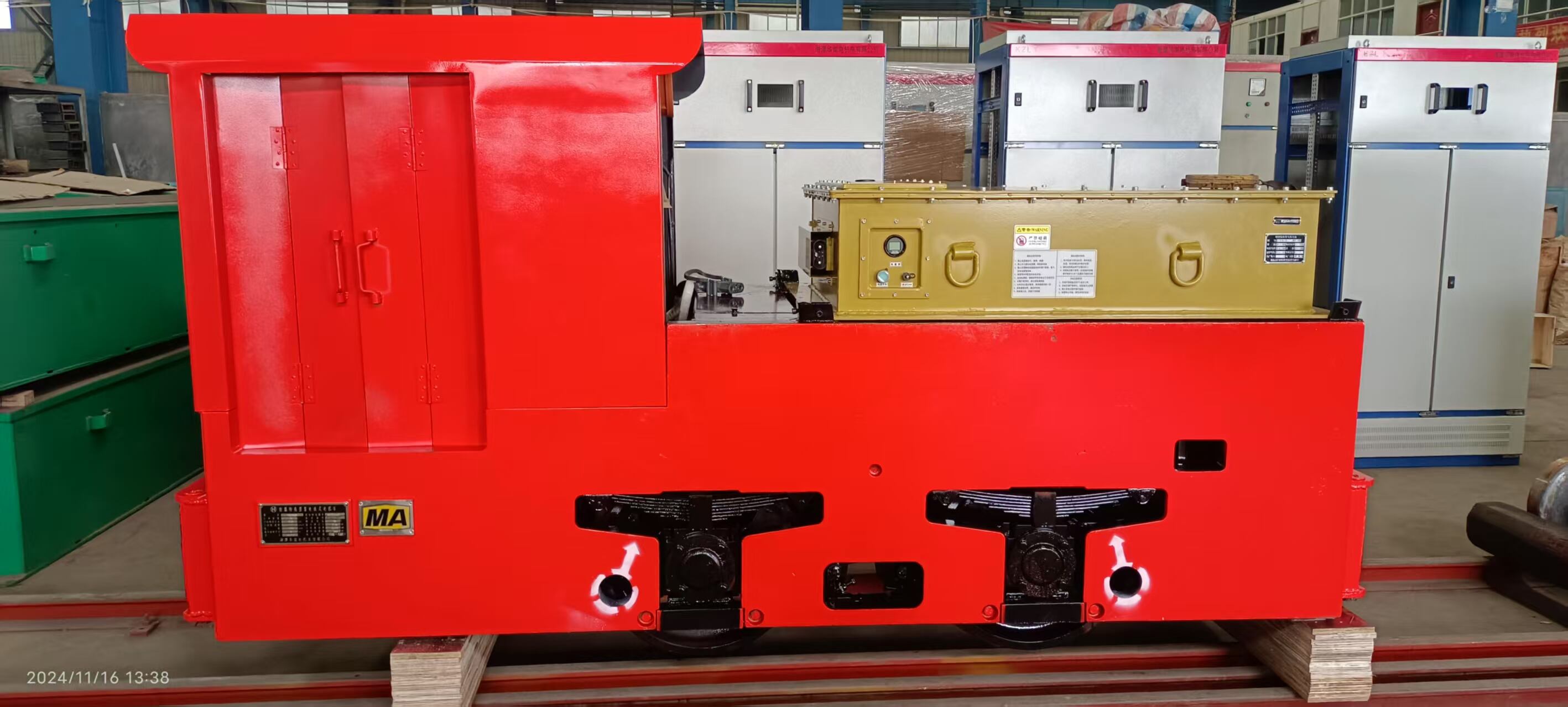
Underground Mining Locomotive - Efficient Rail Haulage Solutions for Subterranean Operations

All Categories

underground mining locomotive

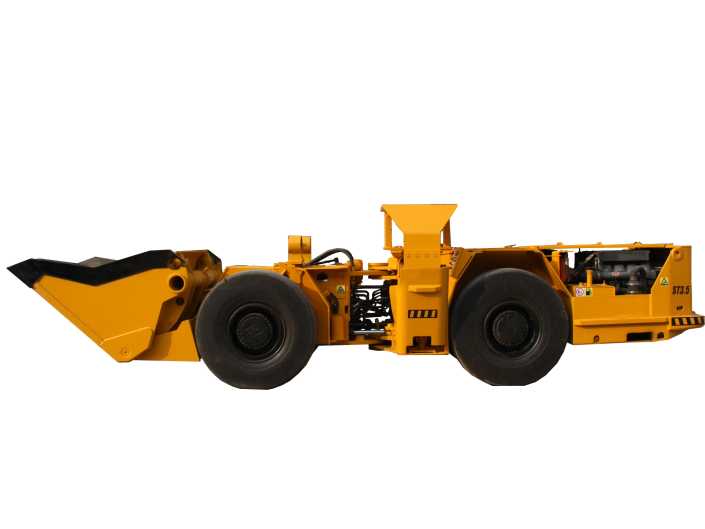
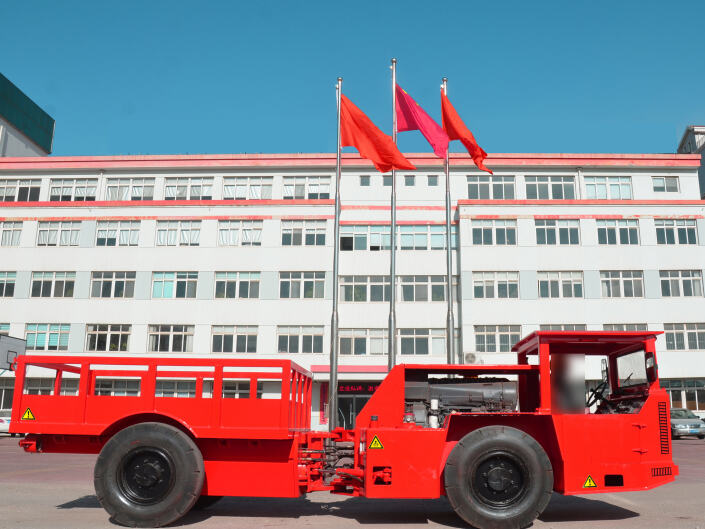
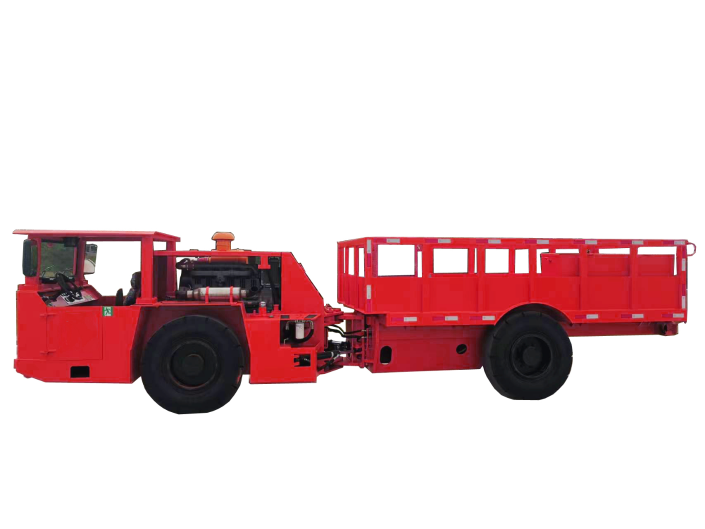
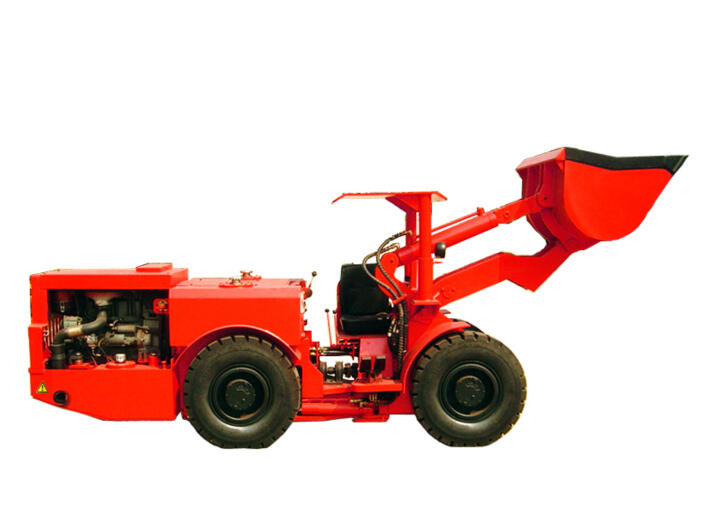
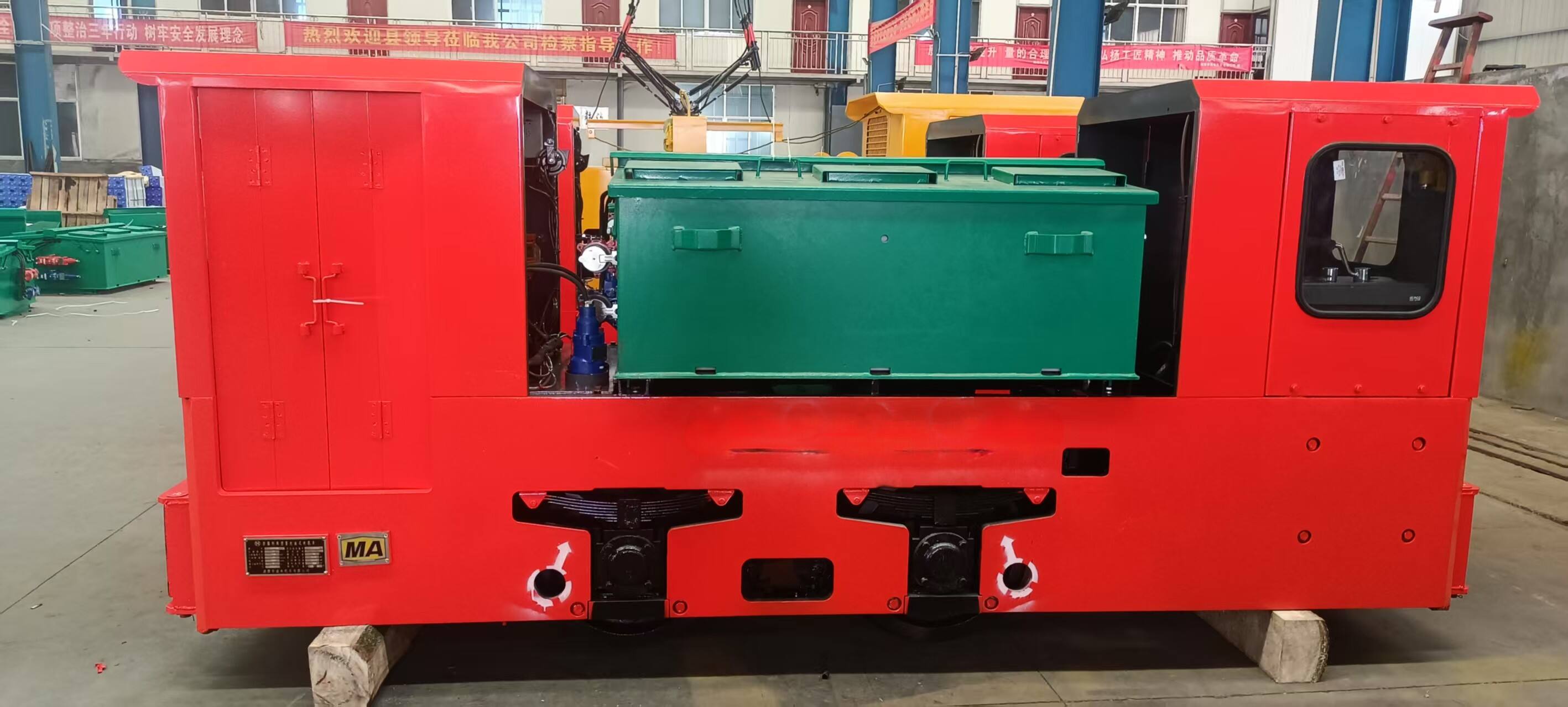
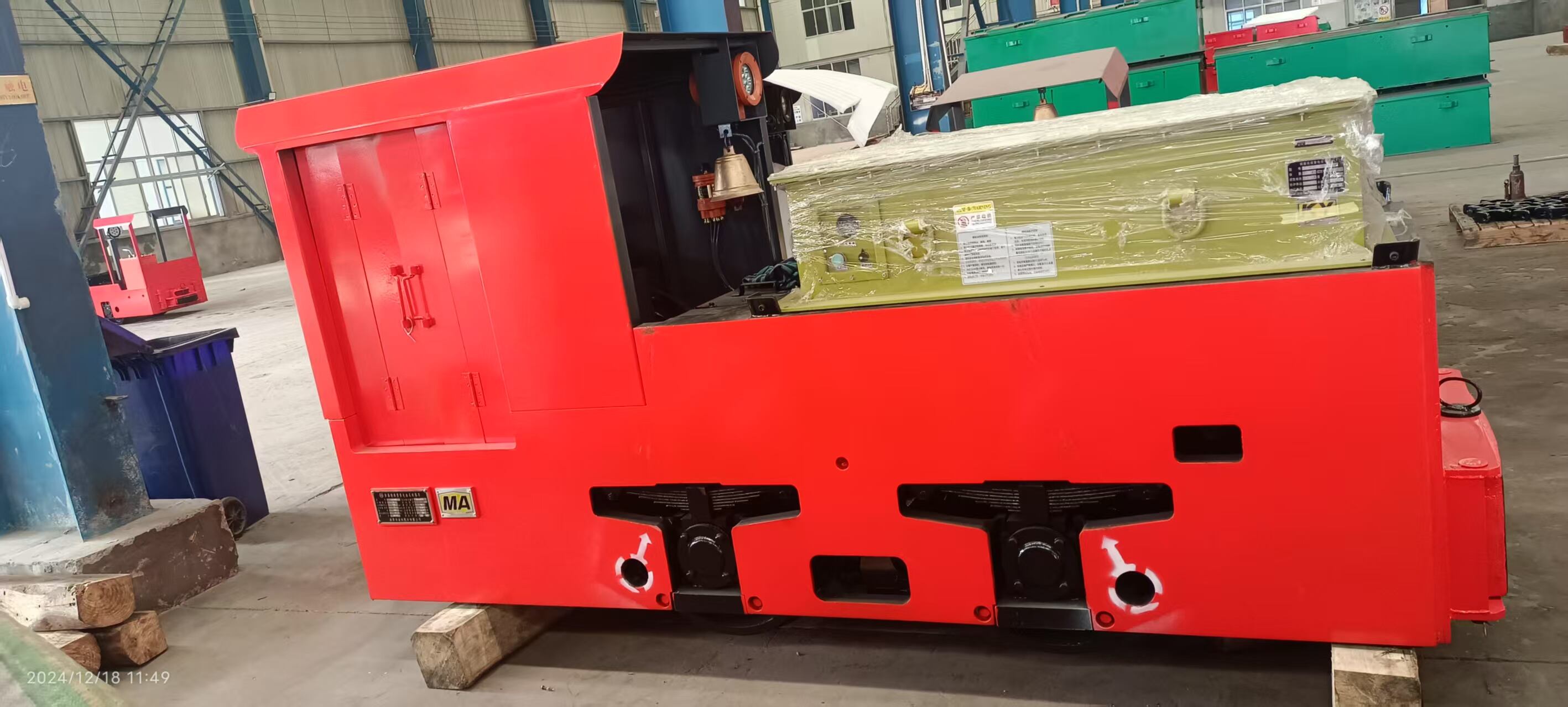
An underground mining locomotive serves as the backbone of material transportation systems in subterranean mining operations, providing reliable and efficient conveyance of ore, equipment, personnel, and supplies through extensive tunnel networks. These specialized rail vehicles are engineered specifically to withstand the challenging conditions found deep beneath the earth's surface, including high humidity, limited ventilation, confined spaces, and exposure to dust and corrosive elements. The primary function of an underground mining locomotive involves hauling loaded ore cars from extraction points to surface hoisting stations or intermediate transfer locations, while also returning empty cars to active mining faces. Modern underground mining locomotive units incorporate advanced technological features such as battery-powered electric motors that eliminate harmful exhaust emissions in enclosed spaces, ensuring worker safety and environmental compliance. These machines utilize robust construction with reinforced frames, heavy-duty wheels, and powerful traction systems designed to navigate steep gradients and tight curves commonly encountered in underground railway systems. Sophisticated control mechanisms allow operators to manage speed, braking, and direction with precision, even when pulling substantial loads through challenging terrain. Underground mining locomotive systems often integrate wireless communication capabilities, enabling real-time monitoring of vehicle location, battery status, and operational parameters from central control rooms. Safety features include emergency braking systems, automated collision avoidance technology, and lighting systems that illuminate dark tunnel passages. The versatility of these locomotives extends across various mining sectors, including coal extraction, metal ore recovery, potash mining, and construction of underground infrastructure projects. Their compact dimensions allow navigation through narrow tunnels while maintaining sufficient power to transport heavy loads efficiently. As mining operations extend deeper and further from entry points, the underground mining locomotive becomes increasingly critical for maintaining productivity and ensuring continuous material flow throughout the extraction cycle.


New Products

The underground mining locomotive delivers substantial operational benefits that directly impact your mining operation's productivity and profitability. First and foremost, these vehicles dramatically reduce manual labor requirements by mechanizing the transportation process, allowing your workforce to focus on higher-value extraction activities rather than exhausting material handling tasks. This mechanization translates into significant cost savings over time, as fewer personnel are needed for haulage operations while throughput increases substantially. The electric-powered design of modern underground mining locomotive units eliminates the need for diesel fuel in confined underground spaces, removing dangerous exhaust fumes that would otherwise compromise air quality and worker health. This clean operation means you spend less on ventilation systems and avoid the complications associated with fuel storage and handling in underground environments. The locomotives provide consistent and predictable transportation capacity, enabling better planning and scheduling of mining activities. Unlike manual methods or less reliable alternatives, these machines operate continuously throughout shifts with minimal downtime when properly maintained. Their robust construction ensures longevity even in harsh underground conditions, delivering excellent return on investment through years of dependable service. The precision control systems allow operators to move loads safely through complex tunnel networks without damaging infrastructure or cargo, reducing waste and improving resource utilization. Battery technology advancements mean these locomotives can operate for extended periods between charging cycles, maintaining workflow continuity and eliminating frequent interruptions. The relatively simple maintenance requirements keep operating costs manageable, with standardized components that technicians can service efficiently. Many operations experience immediate productivity gains after implementing underground mining locomotive systems, as the consistent pace and capacity exceed what traditional methods achieve. The safety improvements cannot be overstated, as mechanical hauling eliminates many risks associated with manual material movement in confined spaces. Workers face fewer injuries from strain, trips, or being struck by moving loads. Insurance costs often decrease as safety records improve. The locomotives adapt to various track configurations and can be scaled to match your operation's specific requirements, whether you need compact units for narrow tunnels or more powerful versions for heavy-duty applications. The investment pays dividends through increased output, lower operating expenses, enhanced safety performance, and improved worker satisfaction as physically demanding tasks become mechanized.

Tips And Tricks

How Can Maintenance Reduce Downtime for Underground Mining Dump Trucks?

17

Nov

How Can Maintenance Reduce Downtime for Underground Mining Dump Trucks?

Underground mining operations depend heavily on reliable equipment to maintain productivity and meet extraction targets. When heavy machinery experiences unexpected failures, the resulting downtime can cost mining companies thousands of dollars per h...
View More
Which Factors Affect the Lifespan of Underground Mining Dump Trucks?

17

Nov

Which Factors Affect the Lifespan of Underground Mining Dump Trucks?

The operational lifespan of underground mining dump trucks represents a critical investment consideration for mining operations worldwide. These specialized vehicles face some of the most challenging working conditions in industrial applications, ope...
View More
Why Are LHD Loaders Preferred for Material Handling in Confined Spaces?

11

Dec

Why Are LHD Loaders Preferred for Material Handling in Confined Spaces?

Underground mining operations and construction projects in confined spaces present unique challenges that require specialized equipment capable of navigating narrow tunnels and restricted work areas. LHD loaders have emerged as the preferred solution...
View More
LHD vs. Excavator: Why Underground Mines Choose One Over the Other

18

Mar

LHD vs. Excavator: Why Underground Mines Choose One Over the Other

Underground mining operations face critical equipment selection decisions that directly impact productivity, safety, and operational costs. When evaluating LHD vs excavator options, mining engineers must consider the unique challenges of subterranean...
View More

Get a Free Quote

Our representative will contact you soon.
Email
Name
Company Name
Message
0/1000

underground mining locomotive

Superior Load Capacity and Efficiency for Maximum Productivity

Superior Load Capacity and Efficiency for Maximum Productivity

The underground mining locomotive stands out in the industry due to its exceptional load capacity that fundamentally transforms how mining operations handle material transportation. These powerful machines can haul multiple fully-loaded ore cars simultaneously, with some models capable of pulling trains exceeding twenty cars depending on track conditions and gradient profiles. This multi-car capability means each trip moves substantially more material than alternative transportation methods, directly multiplying your operational throughput without requiring additional equipment or personnel. The efficiency gains become particularly significant when you consider the cumulative effect over thousands of trips throughout a mining operation's lifecycle. Where manual methods or smaller vehicles might require dozens of separate journeys to transport the same volume, an underground mining locomotive accomplishes the task in a fraction of the time with fewer trips. This efficiency extends beyond simple volume calculations, as the consistent pace and reliability of these locomotives create predictable workflow patterns that optimize the entire production chain. Mine planners can accurately forecast transportation capacity and schedule extraction activities accordingly, eliminating bottlenecks that plague operations relying on less dependable methods. The powerful electric motors provide strong starting torque, enabling these locomotives to initiate movement even with heavy loads on inclined tracks where other vehicles would struggle or fail completely. This capability proves invaluable in underground environments where level terrain is rare and most routes involve significant elevation changes. The sophisticated power management systems ensure optimal energy utilization, extracting maximum performance from battery capacity while extending operational time between charging sessions. Many operations report that a single underground mining locomotive can replace multiple smaller vehicles or eliminate entire manual handling crews, consolidating transportation into a streamlined system that requires fewer resources to maintain and operate. The reduced complexity means fewer potential failure points and easier troubleshooting when issues arise. The standardized coupling systems allow quick connection and disconnection of ore cars, minimizing time spent on train assembly and enabling rapid turnaround at loading and unloading points. This quick-change capability keeps the locomotive in productive motion rather than sitting idle during lengthy preparation procedures. The result is a transportation system that maximizes every hour of operation, delivering consistent performance that directly correlates to improved extraction rates and enhanced profitability for your mining enterprise.
Advanced Safety Features Protecting Your Most Valuable Asset

Advanced Safety Features Protecting Your Most Valuable Asset

Safety represents the paramount concern in underground mining environments, and the underground mining locomotive incorporates multiple advanced protective systems that safeguard personnel, equipment, and infrastructure. Modern locomotive designs integrate comprehensive safety architectures that go far beyond basic operational requirements, providing layers of protection that create secure working conditions even in challenging underground settings. The emergency braking system serves as a critical safety component, featuring redundant mechanisms that can halt the locomotive and its trailing load quickly when hazards are detected or operators initiate emergency stops. These braking systems function independently of primary controls, ensuring stopping capability remains available even if main systems experience failures. The graduated braking response allows operators to control deceleration rates, preventing sudden stops that could cause load shifting or car derailments while still providing rapid stopping when situations demand immediate action. Proximity detection systems represent another vital safety innovation found in contemporary underground mining locomotive designs, using sensors that monitor the space ahead of the vehicle and alert operators to obstacles, personnel, or other equipment in the travel path. Some advanced systems automatically reduce speed or stop the locomotive when potential collisions are detected, providing crucial reaction time that prevents accidents before they occur. The enhanced lighting systems illuminate tunnel passages far ahead of the locomotive, giving operators clear visibility of track conditions, switches, and any unexpected obstructions that might pose hazards. These powerful LED arrays consume minimal battery power while delivering exceptional brightness that penetrates the darkness inherent in underground workings. Operator protection features include enclosed cabs on many models, shielding drivers from falling debris, dust exposure, and environmental hazards while providing ergonomic controls that reduce operator fatigue during extended shifts. The stable platform and smooth acceleration characteristics minimize jarring movements that could cause operator injury or discomfort. Communication systems enable constant contact between locomotive operators and surface control centers or other underground personnel, facilitating coordination that prevents conflicting movements in shared tunnel sections. The robust construction of the underground mining locomotive itself provides inherent safety advantages, with reinforced frames designed to protect operators in the unlikely event of collisions or structural failures in surrounding rock. Regular safety inspections become straightforward thanks to accessible component layouts that allow maintenance teams to verify system integrity efficiently. Training requirements for operators remain manageable due to intuitive controls and comprehensive safety interlocks that prevent dangerous operating sequences, yet the systems provide sufficient sophistication to handle complex underground transportation scenarios effectively.
Environmental Sustainability and Operational Cost Reduction

Environmental Sustainability and Operational Cost Reduction

The environmental profile of the underground mining locomotive delivers compelling advantages that align with contemporary sustainability goals while simultaneously reducing operational expenses significantly. The battery-electric power system eliminates combustion processes entirely, producing zero exhaust emissions during operation and removing a major source of underground air contamination that diesel-powered alternatives create. This clean operation transforms the underground atmosphere, maintaining air quality at levels that protect worker health without requiring massive ventilation infrastructure to dilute and evacuate harmful fumes. The absence of combustion byproducts means you avoid the substantial costs associated with installing and operating powerful ventilation fans capable of clearing diesel exhaust from extensive tunnel networks. These ventilation systems consume enormous amounts of electricity and require significant capital investment, costs that electric underground mining locomotive operations avoid entirely. The reduction in ventilation requirements also decreases the physical size of ventilation shafts and ducting needed throughout the mine, simplifying infrastructure and lowering construction expenses. Battery technology continues advancing rapidly, with modern lithium-ion and other advanced chemistries providing longer operational periods, faster charging times, and extended service life compared to older battery types. These improvements enhance the economic case for electric underground mining locomotive systems as total cost of ownership decreases with each technology generation. The elimination of fuel purchasing, transportation, and storage removes entire cost categories from operational budgets while also avoiding the safety risks and environmental liabilities associated with maintaining diesel fuel supplies underground. Maintenance requirements for electric drive systems prove substantially lower than combustion engine alternatives, as electric motors contain fewer moving parts, require no oil changes, need no exhaust system maintenance, and avoid the complexity of fuel injection and emission control systems. This simplicity translates directly into lower maintenance labor costs and reduced spare parts inventory requirements. The energy efficiency of electric propulsion systems exceeds combustion alternatives significantly, converting higher percentages of stored energy into useful work rather than waste heat. This efficiency means each unit of energy input produces more transportation capacity, lowering the energy cost per ton of material moved through your mining operation. The regenerative braking capabilities found in many underground mining locomotive designs capture energy during deceleration and return it to batteries, further improving overall energy efficiency and extending operational time between charging cycles. The quiet operation of electric locomotives reduces noise pollution in underground environments, improving working conditions and potentially decreasing hearing protection requirements. The environmental benefits extend beyond the immediate operational site, as eliminating diesel consumption reduces your operation's carbon footprint and greenhouse gas emissions, supporting corporate sustainability initiatives and potentially improving your standing with regulators and community stakeholders.

Get a Free Quote

Our representative will contact you soon.
Email
Name
Company Name
Message
0/1000