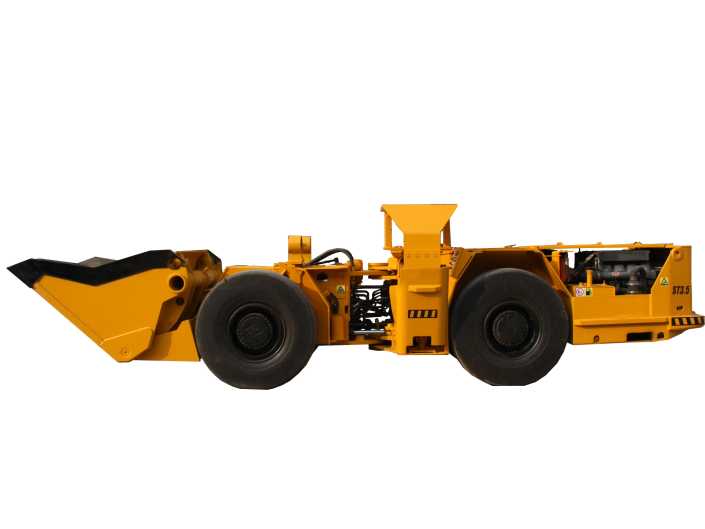
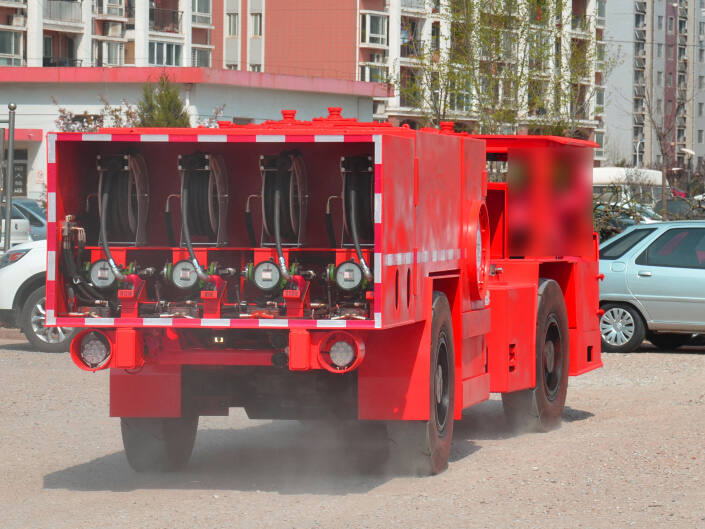
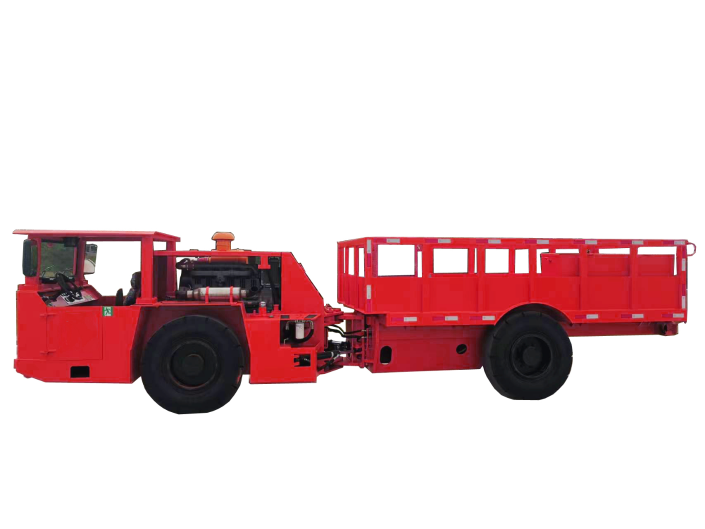
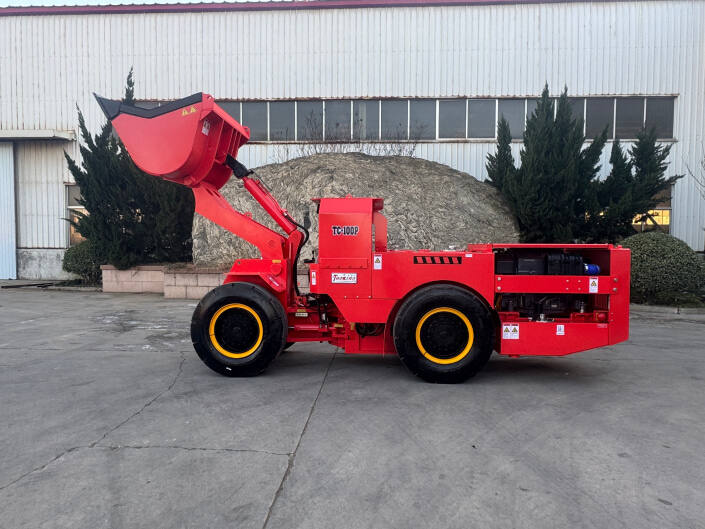
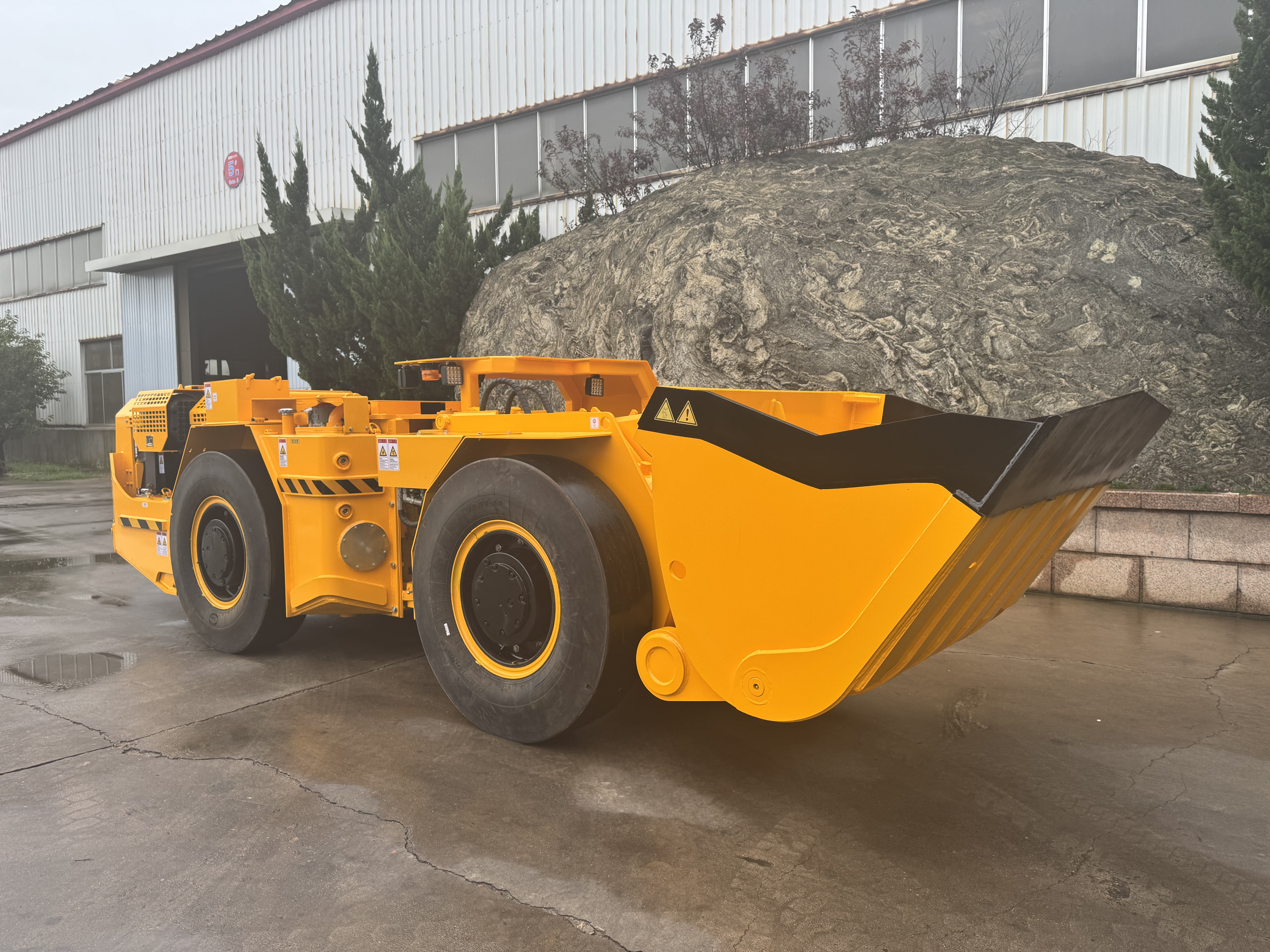
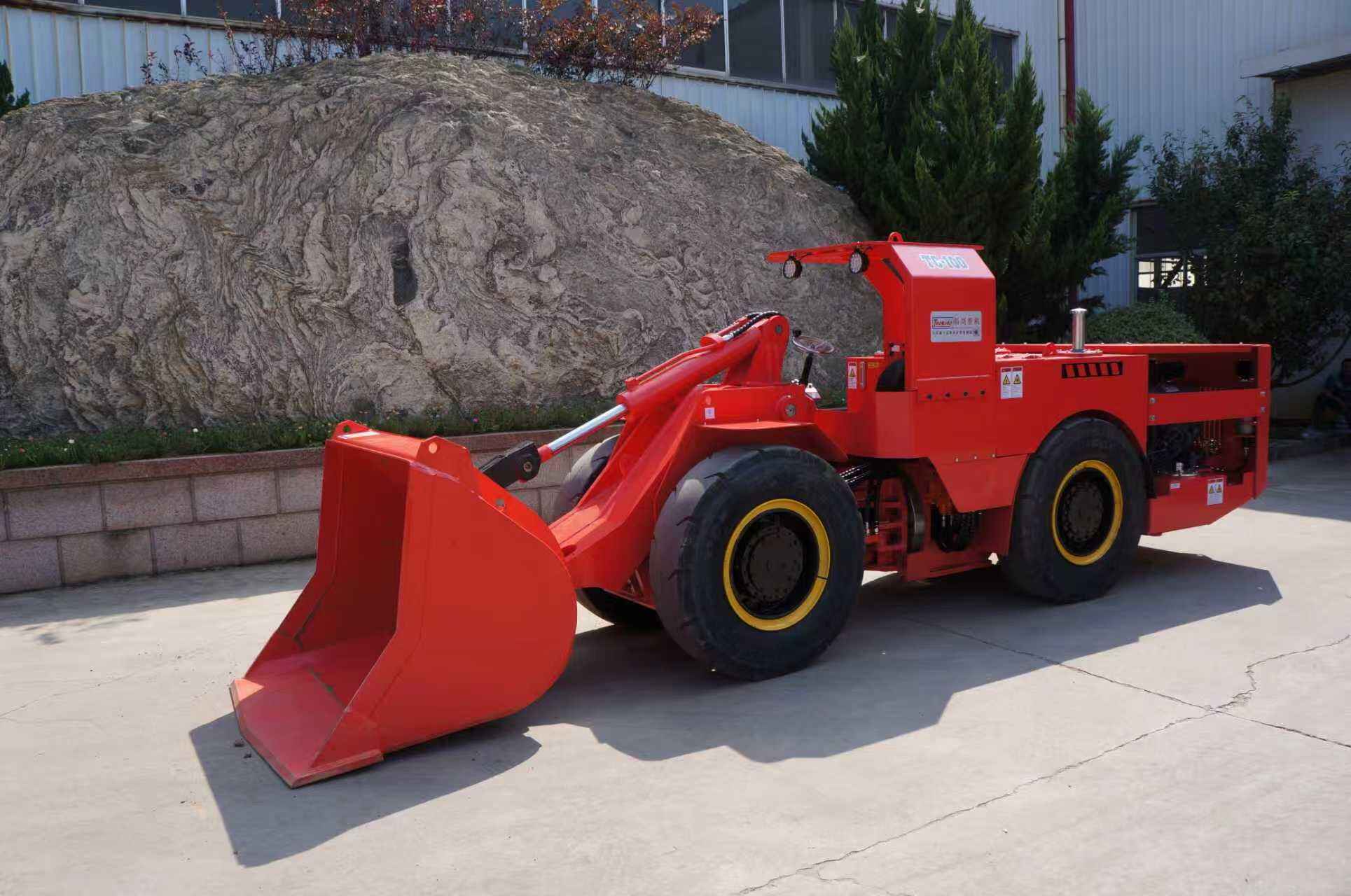
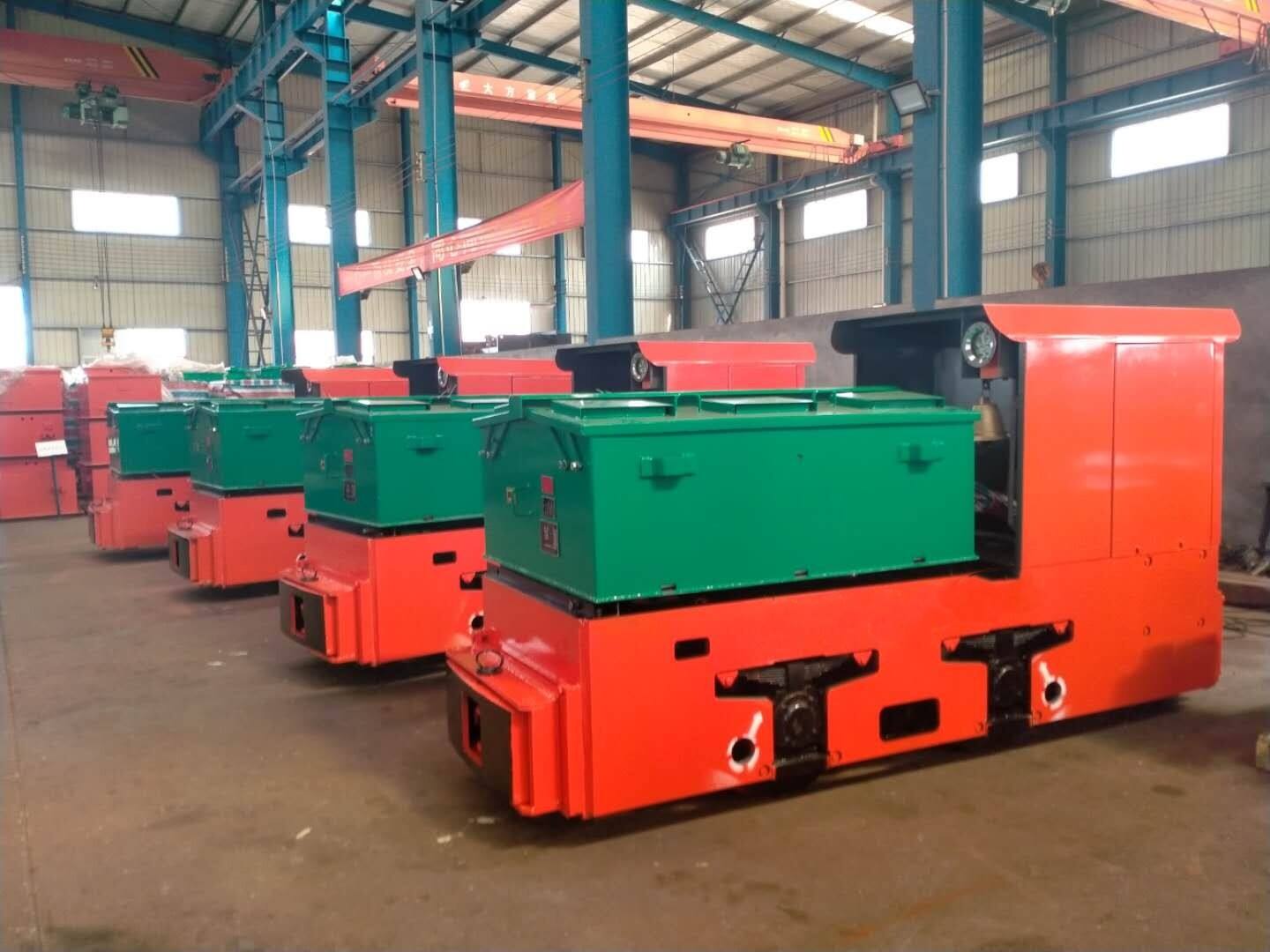
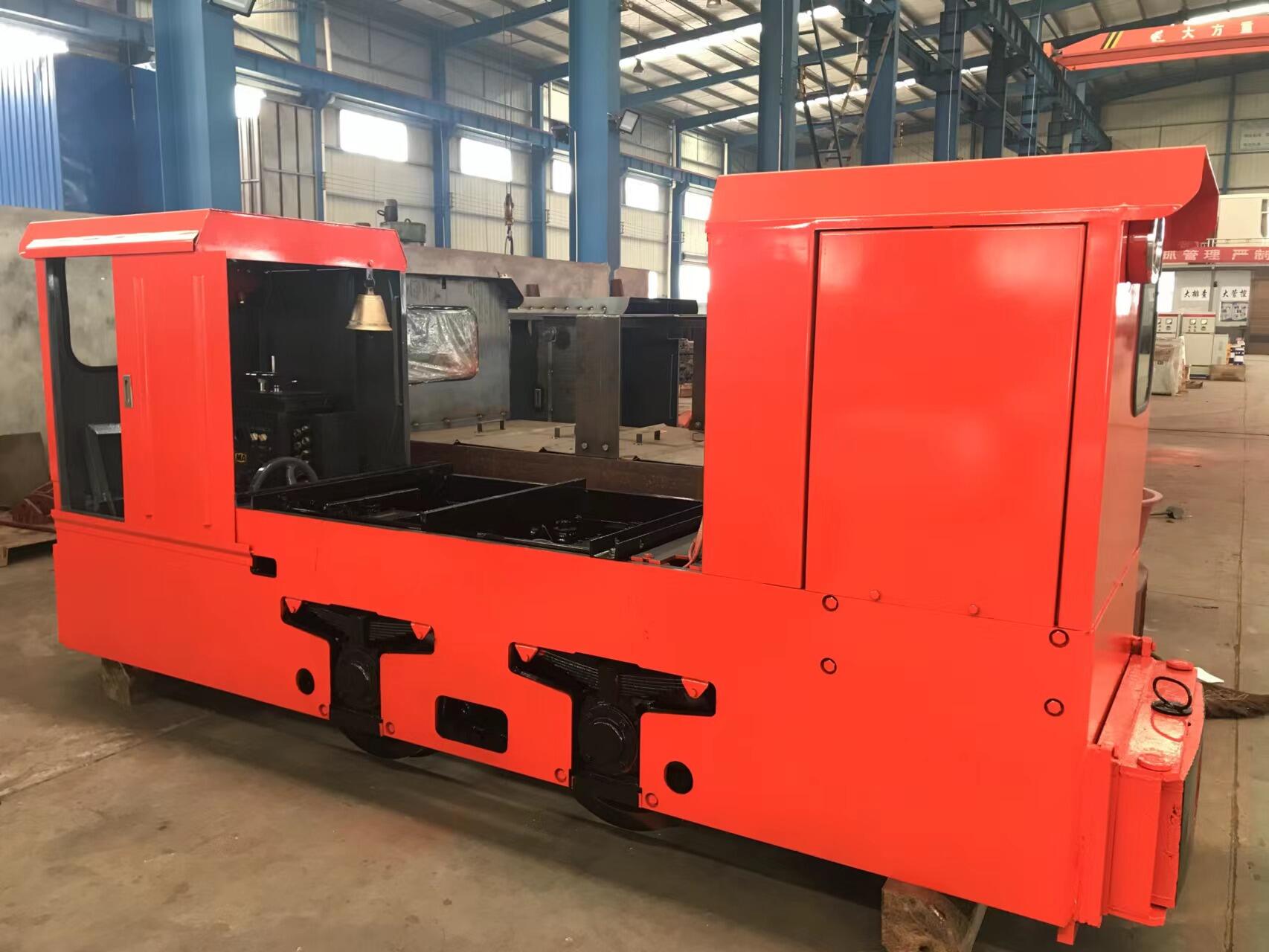
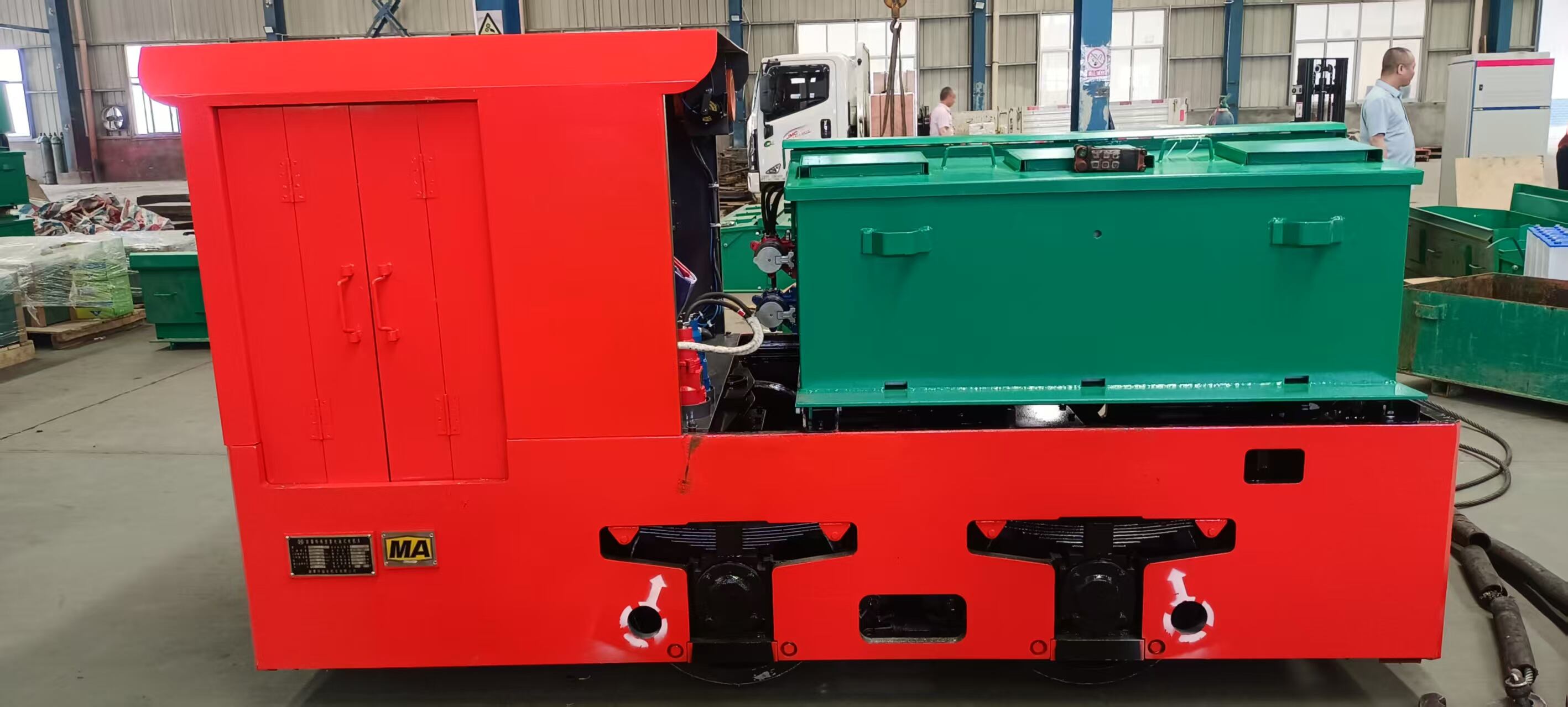
Diesel Mining Locomotive: Powerful, Flexible Underground Transport Solutions for Mining Operations

All Categories

diesel mining locomotive

The diesel mining locomotive represents a critical piece of equipment in underground and surface mining operations, serving as the primary transportation solution for moving materials, equipment, and personnel throughout mining facilities. This robust machine combines diesel engine technology with specialized railway components designed to withstand the harsh conditions found in mining environments. The diesel mining locomotive operates on rail tracks laid within mine tunnels and surface areas, providing reliable hauling capabilities for ore cars, supply wagons, and maintenance equipment. These locomotives are engineered with powerful diesel engines that generate substantial torque and pulling force, enabling them to transport heavy loads across varying gradients and challenging terrain. The technological features of a diesel mining locomotive include reinforced chassis construction, advanced cooling systems to manage engine heat in confined spaces, and sophisticated braking mechanisms that ensure safe operation on inclines. Modern diesel mining locomotives incorporate electronic control systems that allow operators to precisely manage speed, acceleration, and braking functions. The applications of these locomotives extend across multiple mining sectors, including coal mining, metal ore extraction, and industrial mineral operations. They serve essential functions in transporting raw ore from extraction points to processing areas, delivering timber and support materials to working faces, and facilitating the movement of personnel during shift changes. The diesel mining locomotive offers superior flexibility compared to electric alternatives, as it does not require overhead power lines or complex electrical infrastructure. This independence makes diesel locomotives particularly valuable in newly developed mining areas where electrical systems have not yet been installed. The machines feature compact designs that allow them to navigate tight curves and restricted tunnel dimensions while maintaining operational efficiency. Safety features built into diesel mining locomotives include emergency braking systems, operator protection cabins, lighting systems for low-visibility environments, and exhaust treatment systems that reduce harmful emissions in enclosed spaces.


New Product Recommendations

The diesel mining locomotive delivers numerous practical benefits that directly impact mining operations and profitability. First and foremost, these machines provide exceptional mobility and operational independence. Unlike electric locomotives that depend on continuous power supply through overhead lines or third rails, diesel mining locomotives carry their own fuel source, allowing them to operate in areas where electrical infrastructure is unavailable or impractical to install. This autonomy proves especially valuable during mine expansion phases or when working in remote sections of the facility. The cost advantages become apparent when considering infrastructure requirements. Mining companies can deploy diesel mining locomotives without investing in expensive electrical distribution systems, substations, or continuous maintenance of power lines throughout the mine. This translates to significant capital savings during initial setup and ongoing operational phases. The maintenance profile of diesel mining locomotives favors operational efficiency. These machines feature accessible engine compartments and modular component designs that simplify routine servicing and repairs. Maintenance crews can perform most tasks using standard tools and readily available diesel engine parts, reducing downtime and keeping locomotives productive. The power-to-weight ratio of diesel mining locomotives enables them to handle substantial loads while maintaining manageable equipment size. This efficiency means fewer trips are needed to transport materials, increasing overall productivity and reducing fuel consumption per ton of material moved. Operators appreciate the straightforward controls and responsive handling characteristics of diesel mining locomotives. The direct mechanical connection between engine output and wheel traction provides intuitive operation, allowing personnel to quickly master the equipment and work safely. Diesel mining locomotives excel in versatility across different mining conditions. They perform equally well in cold climates where electrical systems might struggle, and in hot environments where cooling systems keep engines operating within optimal temperature ranges. The fuel efficiency of modern diesel engines has improved dramatically, with contemporary diesel mining locomotives consuming less fuel while producing more power than older models. This efficiency reduces operating costs and extends the range between refueling stops. Safety features integrated into diesel mining locomotives protect both operators and nearby workers. Enclosed operator cabins shield personnel from environmental hazards, while modern exhaust systems minimize air quality concerns in underground settings. The reliable starting capability of diesel engines ensures that diesel mining locomotives remain ready for immediate deployment, eliminating delays associated with electrical system warm-up or power availability issues. Finally, the proven track record of diesel technology in mining applications provides confidence in long-term reliability and parts availability.

Practical Tips

How Do Underground Mining Dump Trucks Handle Extreme Tunnel Conditions?

17

Nov

How Do Underground Mining Dump Trucks Handle Extreme Tunnel Conditions?

Underground mining operations present some of the most challenging working environments in industrial machinery, where specialized equipment must perform reliably under extreme conditions. Underground mining dump trucks represent a critical component...
View More
How Do Load Capacity and Size Affect Underground LHD Loader Performance?

11

Dec

How Do Load Capacity and Size Affect Underground LHD Loader Performance?

Underground mining operations depend heavily on efficient material handling equipment, with the underground LHD loader serving as the backbone of productive ore extraction and transportation. These versatile machines must navigate confined spaces whi...
View More
What Performance Factors Define a Scooptram 1 Cubic Yard?

07

Jan

What Performance Factors Define a Scooptram 1 Cubic Yard?

Underground mining operations demand precision, reliability, and efficiency from every piece of equipment deployed in challenging subterranean environments. The scooptram 1 cubic yard represents a crucial component in modern mining fleets, offering t...
View More
Mining’s Next Frontier: How 5G and Remote-Controlled Underground LHDs Are Revolutionizing Underground Operations

18

Mar

Mining’s Next Frontier: How 5G and Remote-Controlled Underground LHDs Are Revolutionizing Underground Operations

The mining industry stands at a transformative crossroads where cutting-edge telecommunications technology meets advanced underground equipment automation. This revolution centers on the deployment of 5G networks paired with remote-controlled undergr...
View More

Get a Free Quote

Our representative will contact you soon.
Email
Name
Company Name
Message
0/1000

diesel mining locomotive

Unmatched Power and Hauling Capacity for Heavy-Duty Mining Operations

Unmatched Power and Hauling Capacity for Heavy-Duty Mining Operations

The diesel mining locomotive stands out in the industry due to its exceptional power generation and hauling capacity, specifically engineered to meet the demanding requirements of modern mining operations. At the core of this capability lies a high-performance diesel engine designed to deliver consistent torque across a wide range of operating speeds. This power characteristic proves essential when pulling loaded ore cars up steep gradients or accelerating heavy trains from a standstill. The engine displacement and turbocharging systems work together to maximize power output while maintaining fuel efficiency, a balance that directly affects operational costs. The transmission system in a diesel mining locomotive transfers engine power to the wheels through carefully calibrated gear ratios, ensuring optimal performance whether the machine is hauling maximum loads at steady speeds or maneuvering through tight switchbacks. The adhesion between locomotive wheels and rail tracks receives special engineering attention, with weight distribution and wheel design optimized to prevent slippage while maximizing traction. This attention to traction becomes particularly important in underground mining environments where moisture, dust, and rail condition variations can affect grip. The hauling capacity of a diesel mining locomotive typically ranges from 15 to 150 tons depending on the model and configuration, with larger units capable of pulling multiple loaded cars in a single trip. This capacity directly translates to operational efficiency, as fewer trips mean reduced fuel consumption, lower labor costs, and faster material throughput from extraction points to processing facilities. The robust frame construction of diesel mining locomotives distributes pulling forces evenly throughout the structure, preventing stress concentrations that could lead to premature failure. Reinforced coupling mechanisms connect the locomotive to ore cars, designed to withstand the shock loads that occur during starting, stopping, and traversing uneven track sections. Modern diesel mining locomotives incorporate sophisticated engine management systems that optimize fuel injection timing, air-fuel ratios, and exhaust gas recirculation to maximize power output while minimizing emissions. These electronic controls also provide diagnostic capabilities, alerting operators to potential maintenance needs before minor issues become major failures. The cooling system deserves special mention, as it must dissipate substantial heat generated by the diesel engine while operating in confined spaces with limited air circulation. Advanced radiator designs and fan systems ensure consistent engine temperatures regardless of ambient conditions or workload intensity.
Superior Operational Flexibility and Infrastructure Independence

Superior Operational Flexibility and Infrastructure Independence

One of the most compelling advantages of the diesel mining locomotive lies in its operational flexibility and complete independence from fixed electrical infrastructure. This characteristic fundamentally changes how mining operations can be planned, expanded, and executed. Traditional electric locomotives require extensive overhead catenary systems or third rail installations that demand significant capital investment and ongoing maintenance. These electrical systems must be designed, installed, and energized before locomotive operations can begin, creating timeline delays and adding complexity to mine development. The diesel mining locomotive eliminates these constraints entirely. Mining companies can lay track and begin hauling operations immediately, without waiting for electrical contractors or dealing with power distribution challenges. This speed advantage proves particularly valuable when opening new mining sections or responding quickly to changes in ore body locations. The flexibility extends to operational scenarios where electrical power may be unreliable or unavailable. During power outages or electrical system failures, diesel mining locomotives continue operating without interruption, maintaining production flow and preventing costly downtime. This reliability becomes critical in remote mining locations where electrical grid connections may be unstable or subject to weather-related disruptions. The diesel mining locomotive adapts easily to changing mine layouts and operational requirements. As mining progresses and new tunnels are developed, locomotives can follow track extensions without requiring parallel expansion of electrical infrastructure. This adaptability reduces capital expenditure and accelerates the timeline from development to production. Maintenance scheduling for diesel mining locomotives offers greater flexibility compared to electric alternatives. Servicing can occur at convenient times without coordinating electrical system shutdowns or dealing with high-voltage safety protocols. Diesel engine maintenance follows well-established procedures familiar to maintenance personnel worldwide, reducing training requirements and improving workforce efficiency. The fuel supply system for diesel mining locomotives provides logistical advantages over electrical power distribution. Fuel storage tanks can be positioned strategically throughout the mine, and refueling operations take minutes rather than requiring connection to fixed charging stations for extended periods. This quick turnaround keeps locomotives productive and available for continuous operation across multiple shifts. Environmental considerations have driven improvements in diesel engine technology, with modern diesel mining locomotives featuring advanced exhaust treatment systems that significantly reduce particulate matter and harmful emissions, making them suitable even for underground operations with ventilation constraints.
Cost-Effective Solution with Long-Term Economic Benefits

Cost-Effective Solution with Long-Term Economic Benefits

The diesel mining locomotive represents a financially sound investment that delivers measurable economic benefits throughout its operational lifetime. The total cost of ownership analysis reveals advantages that extend well beyond the initial purchase price, encompassing infrastructure requirements, maintenance expenses, fuel efficiency, and operational productivity. When evaluating the upfront costs associated with establishing a locomotive-based transportation system in a mine, the diesel mining locomotive eliminates the substantial capital expenditure required for electrical infrastructure. Installing overhead catenary systems or third rail power distribution networks can cost millions of dollars depending on mine size and layout complexity. These electrical systems also require substations, transformers, circuit protection equipment, and backup power systems, all adding to initial investment requirements. The diesel mining locomotive bypasses these expenses entirely, requiring only fuel storage facilities and basic maintenance equipment. The maintenance cost profile of diesel mining locomotives favors long-term economic performance. Diesel engines have proven their durability across countless industrial applications, with well-documented maintenance intervals and predictable component replacement schedules. Parts availability for diesel engines exceeds that of specialized electric motor systems, and competitive pricing among multiple suppliers keeps maintenance costs manageable. Maintenance personnel can service diesel mining locomotives using standard diagnostic tools and mechanical skills, avoiding the need for specialized high-voltage electrical training and safety equipment. Fuel efficiency directly impacts operating costs, and modern diesel mining locomotives achieve impressive performance through advanced engine management systems and optimized power delivery. The cost per ton of material transported becomes a key performance metric, and diesel locomotives consistently deliver competitive results while providing operational flexibility that electric systems cannot match. The productivity advantages of diesel mining locomotives contribute significantly to economic benefits. Their ability to operate continuously without depending on electrical system availability means higher utilization rates and greater material throughput. Fewer locomotives can accomplish the same work when operational reliability improves, reducing both capital equipment needs and ongoing operating expenses. The resale value and equipment lifecycle of diesel mining locomotives support long-term economic performance. These machines maintain their value due to diesel engine longevity and the universal applicability of the technology across different mining operations and geographical locations. When operations conclude or equipment upgrades occur, diesel mining locomotives can be redeployed to other facilities or sold to different operators, recovering a portion of the initial investment. Insurance costs for diesel mining locomotives typically run lower than for electric alternatives, as the fire risk associated with electrical systems and the complexity of high-voltage equipment repairs affect underwriting calculations. The straightforward mechanical nature of diesel locomotives simplifies risk assessment and reduces premium expenses.

Get a Free Quote

Our representative will contact you soon.
Email
Name
Company Name
Message
0/1000