
 EN
EN
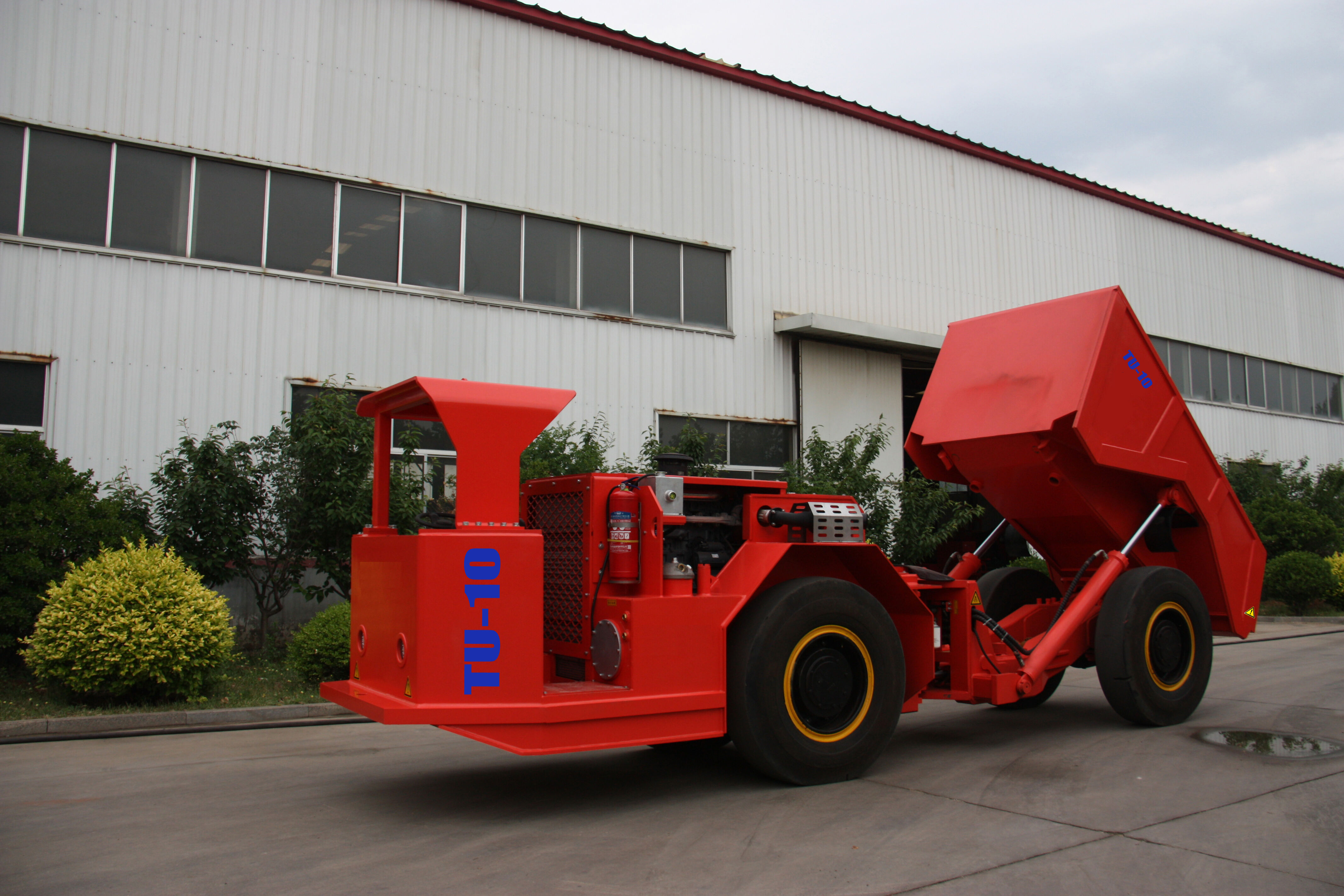
The power source selection for electric LHDs represents one of the most critical decisions facing underground mining operations today. As mines push deeper and operational demands intensify, the choice between cable-fed and battery-powered electric LHDs directly impacts productivity, safety, maintenance costs, and operational flexibility. Understanding the fundamental differences between these two power delivery systems enables mining engineers to make informed decisions that align with their specific underground conditions and operational requirements.
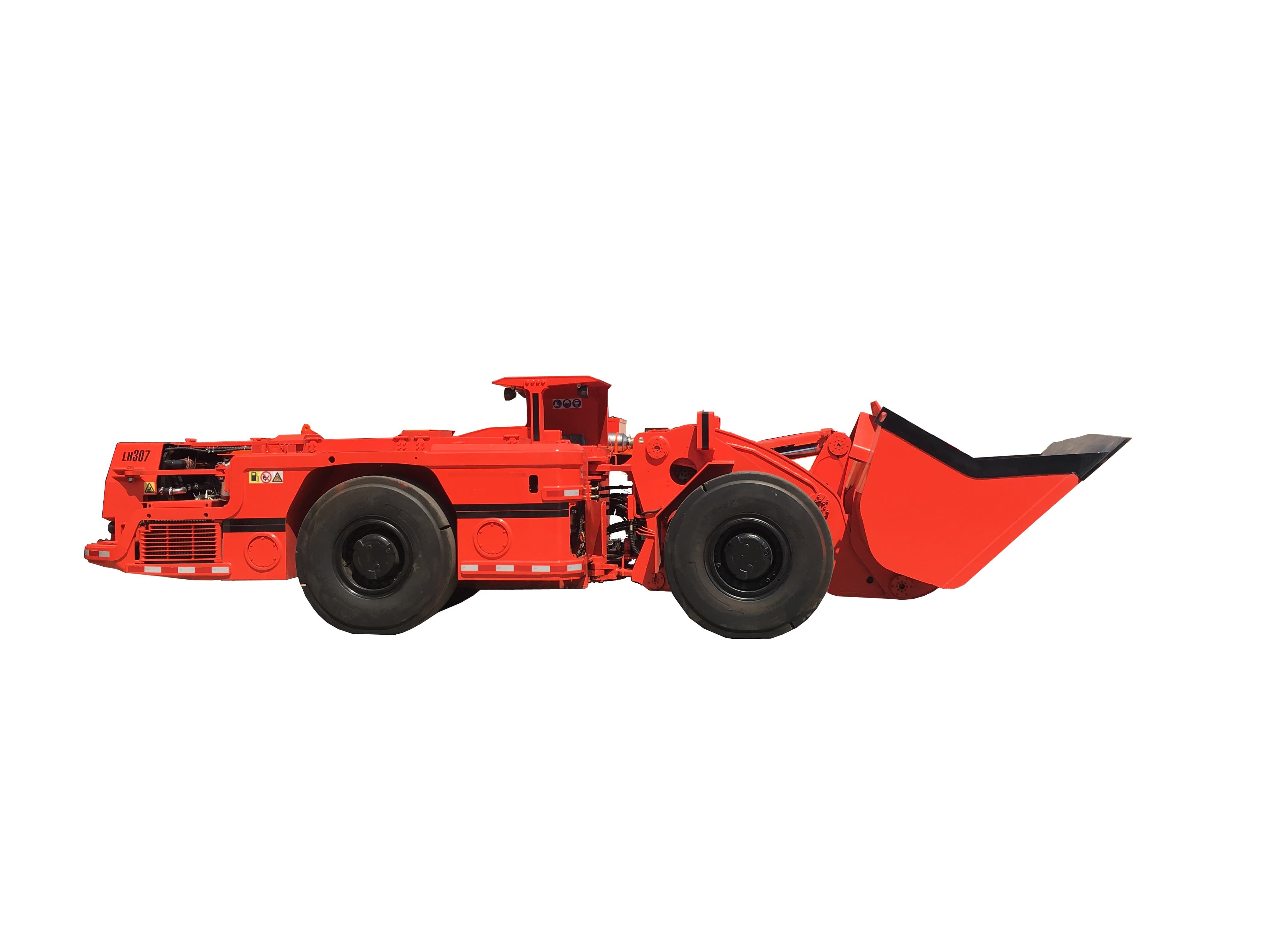
The evolution of electric LHDs has reached a pivotal point where both cable and battery technologies offer distinct advantages for different mining scenarios. Cable-fed systems provide continuous, high-power operation with minimal downtime, while battery-powered units deliver unprecedented mobility and operational flexibility. The comparison between these power sources extends beyond simple energy delivery to encompass maintenance strategies, operational workflows, infrastructure requirements, and long-term cost implications that define the success of underground mining operations.
Power Delivery Mechanisms and Operational Characteristics
Cable-Fed Power System Architecture
Cable-fed electric LHDs operate through a continuous power connection that delivers electricity directly from surface or underground power stations through heavy-duty trailing cables. This power delivery system maintains consistent voltage and current supply, enabling continuous operation without interruption for battery charging or replacement cycles. The cable connection typically provides 440V to 1000V power supply, supporting high-power electric motors that deliver substantial torque and hydraulic system pressure for demanding underground applications.
The trailing cable system requires robust construction to withstand underground conditions, including moisture, abrasive materials, and frequent flexing during equipment operation. Modern cable-fed electric LHDs incorporate automatic cable reeling systems that manage cable deployment and retrieval during equipment movement, reducing manual handling and potential cable damage. The power delivery remains stable regardless of operational duration, making cable-fed systems particularly suitable for high-utilization mining environments where continuous operation maximizes productivity.
Cable management represents a critical operational consideration for cable-fed electric LHDs. The trailing cable length determines the operational radius from power connection points, requiring strategic placement of power outlets throughout the underground workings. Advanced cable management systems incorporate tension monitoring, automatic reeling, and protective routing to minimize cable wear and prevent operational delays caused by cable handling issues.
Battery Power System Technology
Battery-powered electric LHDs utilize advanced lithium-ion or lead-acid battery systems that store electrical energy for independent operation without continuous external power connections. Modern battery systems provide substantial energy density, enabling extended operational cycles between charging sessions while maintaining consistent power output throughout the discharge cycle. The battery configuration typically involves multiple battery modules connected in series and parallel arrangements to achieve the required voltage and current capacity for electric LHD operation.
Contemporary battery technology for electric LHDs incorporates sophisticated battery management systems that monitor individual cell performance, temperature, voltage, and current draw to optimize battery life and prevent dangerous operating conditions. These management systems provide real-time feedback on remaining capacity, estimated operating time, and charging requirements, enabling operators to plan work cycles efficiently and avoid unexpected power depletion during critical operations.
Battery charging infrastructure requires dedicated charging stations positioned strategically throughout underground operations to minimize equipment downtime during charging cycles. Fast-charging technology enables rapid battery replenishment, while battery swapping systems allow continued operation with minimal interruption by quickly replacing depleted battery packs with fully charged units. The charging infrastructure must accommodate the specific voltage and current requirements of the battery systems while providing safe charging environments in underground conditions.
Operational Mobility and Work Area Access
Cable System Movement Limitations
Cable-fed electric LHDs face inherent mobility constraints due to the trailing cable connection that limits operational radius and requires careful route planning to prevent cable damage or entanglement. The maximum operational distance depends on cable length and power drop considerations, typically ranging from 300 to 800 meters from power connection points. This limitation requires strategic placement of power outlets and may necessitate equipment repositioning to access different work areas, potentially affecting operational efficiency in large or complex underground layouts.
Cable routing through underground workings requires consideration of traffic patterns, equipment interactions, and potential hazards that could damage the trailing cable. Operators must maintain awareness of cable position during equipment movement, avoiding sharp turns, obstacles, or areas where other equipment might damage the cable. The cable management system must accommodate varying terrain conditions, including steep grades, uneven surfaces, and confined spaces that characterize underground mining environments.
Power outlet infrastructure for cable-fed electric LHDs requires substantial electrical installation throughout underground workings, including power distribution panels, cable connection points, and protective systems. This infrastructure represents significant capital investment and ongoing maintenance requirements, particularly in dynamic mining environments where work areas change frequently and power distribution systems must adapt to new operational layouts.
Battery System Mobility Advantages
Battery-powered electric LHDs provide unrestricted mobility throughout underground workings, enabling access to remote areas, complex layouts, and confined spaces without cable management concerns. This mobility advantage allows operators to work in areas that would be challenging or impossible for cable-fed systems, including long-distance hauling, multi-level operations, and areas with complex routing requirements that would create cable management difficulties.
The absence of trailing cables eliminates cable-related operational delays, damage risks, and safety hazards associated with cable handling and routing. Battery-powered electric LHDs can operate in areas with heavy equipment traffic without cable interference, navigate through narrow passages without cable routing constraints, and respond quickly to emergency situations without cable disconnection procedures. This operational freedom enables more efficient work patterns and reduces the operational complexity associated with cable management.
Battery-powered systems support flexible operational strategies, including equipment sharing between different work areas, rapid deployment to emergency situations, and adaptive work scheduling based on operational priorities rather than power infrastructure limitations. The mobility advantage becomes particularly significant in mines with extensive underground layouts, multiple working levels, or frequent changes in operational focus that would require constant power infrastructure modifications for cable-fed systems.
Maintenance Requirements and System Reliability
Cable System Maintenance Demands
Cable-fed electric LHDs require extensive maintenance attention focused on cable integrity, connection reliability, and power system components exposed to harsh underground conditions. Cable maintenance involves regular inspection for cuts, abrasion, moisture intrusion, and connection degradation that could compromise power delivery or create safety hazards. The trailing cable experiences continuous flexing, tension, and potential impact damage that necessitates frequent assessment and preventive maintenance to avoid operational failures.
Cable reeling systems require regular lubrication, tension adjustment, and mechanical component inspection to ensure proper cable management during equipment operation. The automatic reeling mechanisms involve complex mechanical systems that can experience wear, jamming, or failure under demanding underground conditions. Maintenance personnel must possess specialized skills in electrical systems, cable repair, and mechanical systems to effectively maintain cable-fed electric LHDs.
Power connection points throughout underground operations require regular inspection and maintenance to ensure reliable electrical connections and prevent power quality issues that could affect equipment performance. The electrical infrastructure supporting cable-fed systems involves transformers, distribution panels, and protective systems that require specialized electrical maintenance expertise and may experience extended downtime for major repairs or upgrades.
Battery System Maintenance Characteristics
Battery-powered electric LHDs require maintenance focused primarily on battery performance, charging system integrity, and battery management system functionality. Battery maintenance involves monitoring individual cell performance, maintaining proper electrolyte levels in applicable battery types, and ensuring proper ventilation and temperature control during charging and operation. Modern lithium-ion battery systems require less maintenance than traditional lead-acid systems but demand sophisticated monitoring and management systems.
Charging infrastructure maintenance includes regular inspection of charging stations, electrical connections, and safety systems that protect against overcharging, overheating, or electrical faults during battery charging cycles. The charging systems require calibration and testing to ensure proper charging profiles that maximize battery life while providing adequate charging speed for operational requirements. Maintenance personnel must understand battery technology, charging systems, and safety protocols specific to battery-powered equipment.
Battery replacement represents a significant maintenance consideration for battery-powered electric LHDs, requiring planning for battery lifecycle management, replacement scheduling, and disposal or recycling of spent battery systems. The battery replacement process may involve substantial downtime and specialized equipment for safe battery handling, particularly for large battery systems that require crane assistance or specialized lifting equipment for removal and installation.
Cost Analysis and Economic Considerations
Cable System Cost Structure
Cable-fed electric LHDs involve substantial upfront costs for electrical infrastructure installation, including power distribution systems, cable connection points, and electrical safety systems throughout underground workings. The infrastructure investment extends beyond individual equipment costs to encompass comprehensive electrical systems that support multiple pieces of equipment and may require significant electrical engineering and installation expertise. Cable replacement and maintenance costs accumulate over time as cables experience wear and damage from underground conditions.
Operational costs for cable-fed systems include electricity consumption, cable maintenance and replacement, and specialized maintenance personnel with electrical system expertise. The continuous power availability eliminates concerns about operational delays due to battery depletion but requires ongoing infrastructure maintenance and potential expansion as mining operations evolve. Cable-fed systems typically demonstrate lower operational costs per operating hour due to continuous availability and elimination of battery replacement cycles.
Long-term cost considerations for cable-fed electric LHDs include infrastructure adaptability as mining layouts change, electrical system upgrades to accommodate new equipment, and potential power supply limitations that could restrict operational expansion. The electrical infrastructure represents a long-term asset that may support multiple equipment generations but requires ongoing investment in maintenance, upgrades, and expansion to meet evolving operational requirements.
Battery System Economic Factors
Battery-powered electric LHDs involve higher initial equipment costs due to sophisticated battery systems, charging infrastructure, and battery management technology integrated into the equipment. The battery system represents a significant portion of the total equipment cost and requires replacement at regular intervals based on charge cycles, operating conditions, and battery technology limitations. Battery replacement costs must be factored into long-term operational budgets as a recurring expense that affects total cost of ownership.
Charging infrastructure costs include installation of charging stations, electrical supply systems, and safety equipment necessary for safe battery charging in underground environments. The charging infrastructure requires less extensive electrical distribution than cable-fed systems but demands specialized charging equipment designed for specific battery technologies and underground safety requirements. Charging station maintenance and potential upgrades represent ongoing operational expenses.
Operational cost advantages of battery-powered systems include reduced infrastructure maintenance, elimination of cable replacement costs, and potential energy cost savings through optimized charging scheduling during off-peak electrical rates. The operational flexibility of battery-powered electric LHDs may enable improved productivity and reduced operational delays that offset higher equipment and battery costs through enhanced operational efficiency and equipment utilization rates.
FAQ
Which power source provides better operational uptime for electric LHDs?
Cable-fed electric LHDs typically provide superior uptime for continuous operations since they maintain constant power availability without interruption for charging cycles. However, battery-powered systems can achieve comparable uptime through strategic charging scheduling, battery swapping systems, or multiple equipment rotation that maintains continuous operation while individual units charge. The actual uptime depends on operational patterns, infrastructure design, and maintenance effectiveness for each system type.
How do underground safety considerations differ between cable and battery power sources?
Cable-fed systems present safety risks related to cable damage, electrical connections, and potential trip hazards from trailing cables, while requiring extensive electrical safety systems and grounding protection. Battery-powered systems eliminate cable-related hazards but introduce concerns about battery thermal management, gas emissions during charging, and safe battery handling procedures. Both systems require comprehensive safety protocols, but the specific safety considerations and training requirements differ significantly between power source types.
What factors should determine the choice between cable and battery power for specific mining operations?
The power source selection should consider operational mobility requirements, work area layout complexity, infrastructure investment capacity, maintenance capabilities, and long-term operational strategies. Cable-fed systems suit operations with concentrated work areas, continuous high-utilization requirements, and established electrical infrastructure, while battery-powered systems better serve operations requiring high mobility, remote area access, or flexible equipment deployment across diverse underground layouts.
How do the environmental impacts compare between cable and battery-powered electric LHDs?
Both power sources offer environmental advantages over diesel equipment through reduced underground emissions and improved air quality. Cable-fed systems provide consistent environmental benefits through direct electrical power usage, while battery-powered systems depend on charging source cleanliness and battery lifecycle environmental impact. The overall environmental comparison depends on local electrical grid composition, battery recycling programs, and operational efficiency differences that affect total energy consumption patterns.
Table of Contents
- Power Delivery Mechanisms and Operational Characteristics
- Operational Mobility and Work Area Access
- Maintenance Requirements and System Reliability
- Cost Analysis and Economic Considerations
-
FAQ
- Which power source provides better operational uptime for electric LHDs?
- How do underground safety considerations differ between cable and battery power sources?
- What factors should determine the choice between cable and battery power for specific mining operations?
- How do the environmental impacts compare between cable and battery-powered electric LHDs?