
 EN
EN
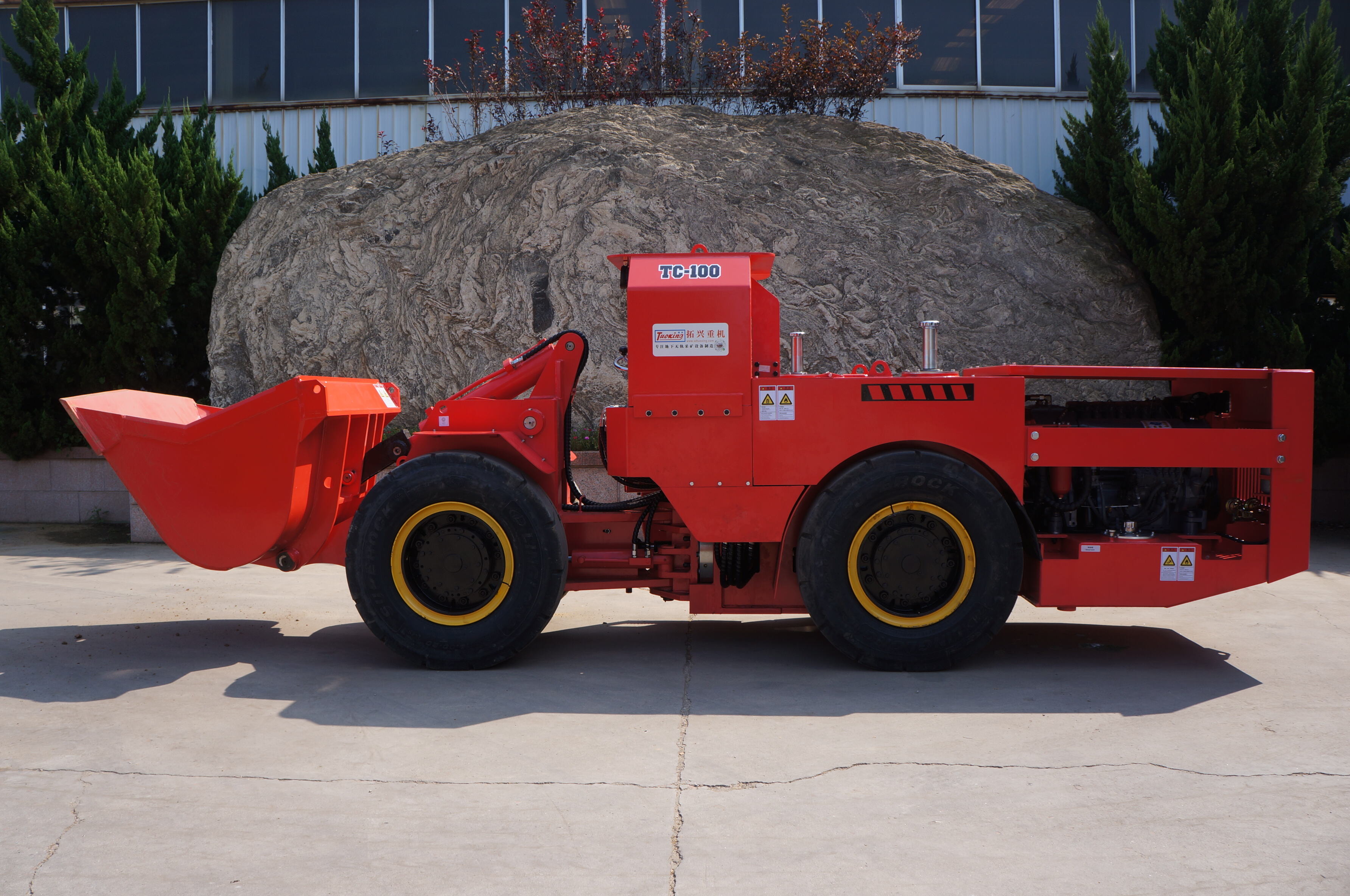
Underground mining operations require specialized equipment that can withstand harsh conditions while maintaining optimal performance and safety standards. The selection of an underground LHD loader represents one of the most critical decisions mining companies face, as these machines serve as the backbone of material handling operations in confined spaces. With advances in technology and evolving industry standards, choosing the right underground LHD loader involves careful evaluation of multiple technical, operational, and economic factors that directly impact productivity and profitability.
Technical Specifications and Performance Capabilities
Load Capacity and Bucket Configuration
The load capacity of an underground LHD loader determines its ability to move material efficiently through narrow tunnels and confined spaces. Mining companies must evaluate bucket sizes ranging from 1.5 to 10 cubic yards, depending on the specific application and tunnel dimensions. The bucket configuration significantly affects the machine's center of gravity and maneuverability, requiring careful consideration of material density and loading patterns. Proper bucket selection ensures optimal payload distribution while maintaining stability during transport operations in challenging underground environments.
Advanced bucket designs incorporate features such as reinforced cutting edges, improved dumping mechanisms, and enhanced wear resistance to maximize operational lifespan. The hydraulic system powering these components must provide sufficient force for effective penetration into various material types while maintaining precise control during delicate positioning tasks. Mining operations benefit from loaders equipped with adjustable bucket configurations that accommodate different material characteristics and loading requirements throughout the mine's operational lifecycle.
Engine Power and Fuel Efficiency
Engine specifications play a crucial role in determining the overall performance and operational cost of an underground LHD loader. Modern diesel engines must comply with stringent emission standards while delivering adequate power for heavy-duty applications in oxygen-restricted environments. The power-to-weight ratio affects acceleration, climbing ability, and overall productivity, making engine selection a critical factor in equipment evaluation. Mining companies should prioritize engines that offer optimal fuel consumption rates without compromising performance capabilities.
Turbocharging and aftercooling technologies enhance engine efficiency while reducing emissions and heat generation in confined spaces. Variable speed drives and electronic engine management systems provide precise control over power delivery, enabling operators to optimize performance based on specific operational requirements. The integration of regenerative braking systems and energy recovery mechanisms further improves fuel efficiency while reducing operational costs and environmental impact throughout the equipment's service life.
Safety Systems and Operator Protection
Rollover Protection and Structural Integrity
Safety considerations represent paramount importance in underground mining operations, where equipment failures can have catastrophic consequences. Rollover protection systems (ROPS) and falling object protection systems (FOPS) must meet international safety standards while providing maximum operator protection in hazardous environments. The structural integrity of an underground LHD loader depends on reinforced frame construction and strategic placement of protective components throughout the machine's design.
Articulated steering systems enhance maneuverability while maintaining structural stability during operation in tight spaces and uneven terrain. The integration of advanced suspension systems reduces operator fatigue and improves machine longevity by minimizing vibration and impact forces. Emergency shutdown systems and fire suppression capabilities provide additional safety layers, ensuring rapid response to potentially dangerous situations that may arise during underground operations.
Visibility and Lighting Systems
Operator visibility directly impacts safety and productivity in underground environments where lighting conditions are challenging and spatial awareness is critical. Comprehensive lighting systems must provide adequate illumination for safe operation while minimizing energy consumption and heat generation. LED technology offers superior brightness and longevity compared to traditional lighting solutions, reducing maintenance requirements and improving operational reliability in harsh underground conditions.
Camera systems and proximity sensors enhance situational awareness by providing real-time monitoring of blind spots and potential hazards around the machine. Integrated display systems present critical information to operators through intuitive interfaces that minimize distraction while maximizing operational efficiency. The strategic placement of mirrors and transparent panels in the operator cabin ensures comprehensive visibility during all phases of material handling operations.
Operational Efficiency and Productivity Features
Automation and Control Systems
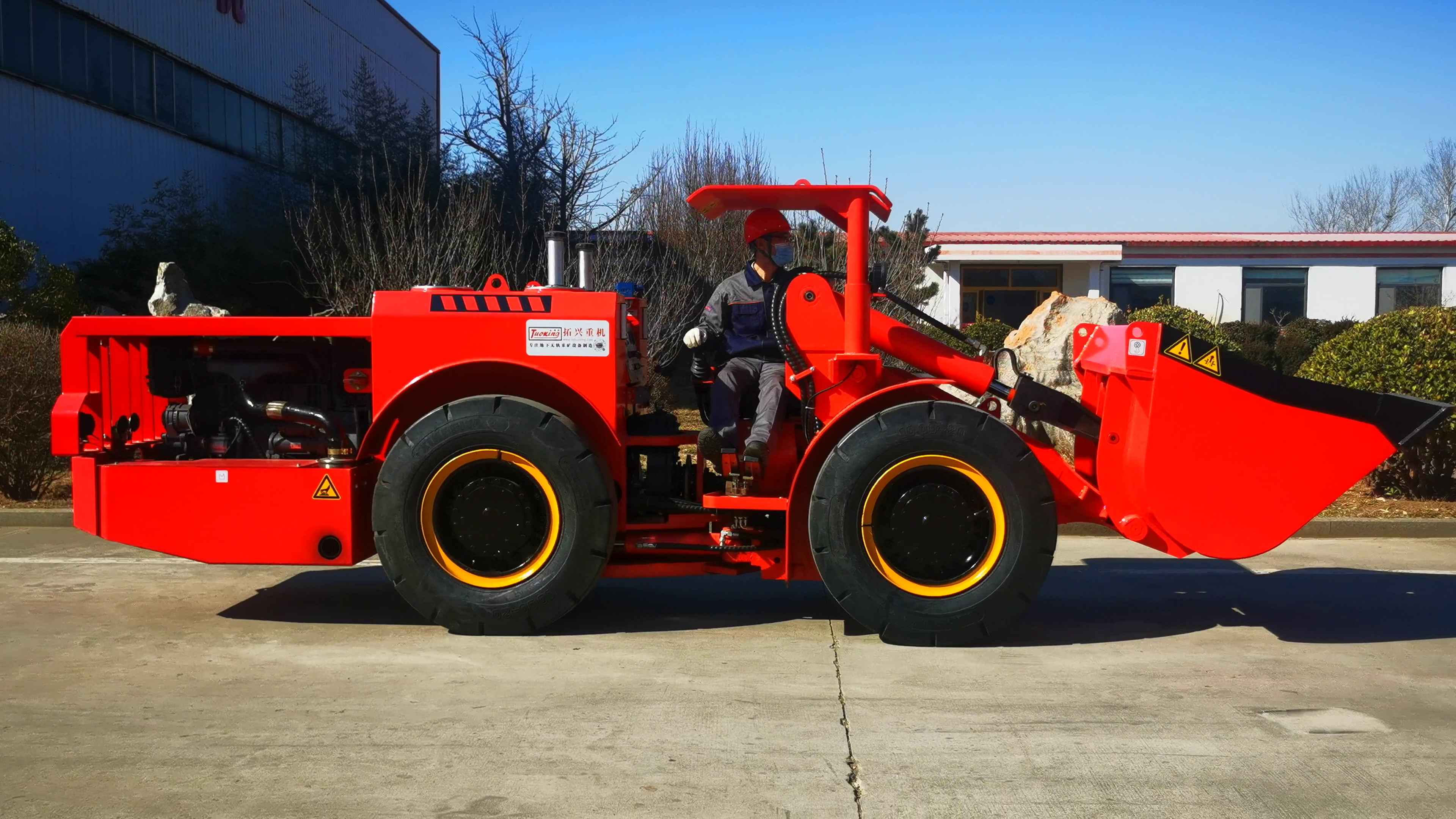
Modern underground LHD loaders incorporate sophisticated automation technologies that enhance operational efficiency while reducing operator workload and human error. Automated loading cycles optimize bucket positioning and material handling sequences, ensuring consistent performance regardless of operator skill level. Remote operation capabilities enable personnel to maintain safe distances from hazardous areas while maintaining full control over equipment functionality and performance monitoring.
Integrated GPS and positioning systems provide precise navigation assistance in complex underground tunnel networks, reducing cycle times and improving operational accuracy. Telemetry systems collect real-time performance data that enables predictive maintenance scheduling and operational optimization based on actual usage patterns. These advanced control systems contribute to improved productivity while reducing operational costs and extending equipment service life through optimized maintenance practices.
Maintenance Accessibility and Serviceability
Equipment maintenance in underground environments presents unique challenges that require careful consideration during the selection process. Accessible service points and modular component design facilitate routine maintenance tasks while minimizing downtime and reducing maintenance costs. Hydraulic quick-disconnect fittings and easily removable panels enable rapid component replacement and inspection procedures in confined spaces.
Diagnostic systems provide real-time monitoring of critical components, enabling proactive maintenance scheduling and early detection of potential issues before they result in costly failures. The availability of replacement parts and technical support from manufacturers significantly impacts the total cost of ownership and operational reliability. Mining companies should evaluate the global service network and parts availability when selecting underground LHD loader suppliers to ensure long-term operational support.
Environmental Considerations and Compliance
Emission Control and Air Quality
Environmental regulations governing underground mining operations continue to evolve, requiring equipment that meets stringent emission standards while maintaining operational performance. Advanced emission control systems including diesel particulate filters and selective catalytic reduction technology reduce harmful emissions without compromising engine power or fuel efficiency. Proper ventilation system integration ensures effective removal of exhaust gases from confined underground spaces.
Alternative power systems including battery-electric and hybrid drive technologies offer emission-free operation while reducing ventilation requirements and improving air quality for underground personnel. These systems eliminate diesel exhaust completely, creating healthier working environments and reducing the infrastructure requirements for air circulation and cooling systems. The selection of environmentally friendly power systems demonstrates corporate responsibility while potentially reducing long-term operational costs.
Noise Reduction and Operator Comfort
Noise levels in underground mining operations affect worker health and communication effectiveness, making sound reduction a critical consideration in equipment selection. Advanced engine enclosures and sound dampening materials minimize noise transmission while maintaining adequate cooling and accessibility for maintenance procedures. Operator cabin design incorporates acoustic insulation and vibration dampening to create comfortable working environments during extended operating periods.
Ergonomic seating systems and climate control features enhance operator comfort and productivity while reducing fatigue during long shifts in challenging underground conditions. The integration of communication systems enables clear coordination with surface personnel and other underground equipment operators. These comfort features contribute to improved safety and operational efficiency while supporting workforce retention and satisfaction in demanding mining environments.
Economic Evaluation and Total Cost of Ownership
Initial Investment and Financing Options
The acquisition cost of an underground LHD loader represents a significant capital investment that requires thorough financial analysis and planning. Mining companies must evaluate the relationship between initial purchase price and long-term operational benefits, including productivity improvements and reduced maintenance costs. Financing options and lease arrangements provide flexibility in equipment acquisition while preserving capital for other operational requirements.
Technology upgrades and customization options add value but increase initial investment costs, requiring careful evaluation of the return on investment for specific operational requirements. The residual value and depreciation schedule affect the total cost of ownership calculation and influence equipment replacement timing decisions. Mining companies should consider the potential for equipment modifications and upgrades throughout the operational lifecycle when evaluating initial investment decisions.
Operational Cost Analysis
Fuel consumption represents one of the largest ongoing operational expenses for underground LHD loaders, making fuel efficiency a critical factor in total cost of ownership calculations. Maintenance costs including scheduled servicing, component replacement, and unexpected repairs significantly impact operational budgets and equipment availability. The complexity of underground operations requires detailed analysis of cycle times, productivity rates, and operational efficiency metrics.
Insurance costs, operator training requirements, and regulatory compliance expenses contribute to the comprehensive cost analysis that guides equipment selection decisions. The availability of manufacturer support and service networks affects maintenance costs and equipment downtime, influencing overall operational profitability. Mining companies should develop comprehensive cost models that account for all operational expenses over the expected equipment lifecycle to make informed selection decisions.
FAQ
What is the typical lifespan of an underground LHD loader in mining operations
The operational lifespan of an underground LHD loader typically ranges from 8 to 15 years, depending on operating conditions, maintenance practices, and usage intensity. Proper maintenance schedules and operator training can significantly extend equipment life while reducing overall operating costs. Many mining operations achieve optimal return on investment by replacing equipment after 10-12 years of service, balancing maintenance costs with technological advances and reliability improvements in newer models.
How does tunnel size affect underground LHD loader selection
Tunnel dimensions directly influence the maximum size and configuration of underground LHD loaders that can operate safely and efficiently in confined spaces. The minimum turning radius, overall height, and width specifications must accommodate the narrowest sections of the tunnel network while providing adequate clearance for safe operation. Mining companies typically select equipment with dimensions that provide at least 18 inches of clearance on all sides to ensure safe maneuvering and emergency evacuation procedures.
What training requirements exist for underground LHD loader operators
Underground LHD loader operators must complete comprehensive training programs that include equipment operation, safety procedures, and emergency response protocols. Most jurisdictions require certified training programs lasting 40-80 hours, including both classroom instruction and hands-on operational experience. Ongoing training and certification renewal ensure operators maintain proficiency with evolving safety standards and equipment technologies throughout their careers in underground mining operations.
How do electric underground LHD loaders compare to diesel models
Electric underground LHD loaders offer zero emissions operation, reduced noise levels, and lower maintenance requirements compared to diesel models, but require charging infrastructure and may have limited operating range. Initial purchase costs for electric models are typically higher, but operational costs are often lower due to reduced fuel and maintenance expenses. The choice between electric and diesel depends on specific operational requirements, infrastructure availability, and long-term environmental objectives of the mining operation.