Long-Term Economic Value and Operational Sustainability
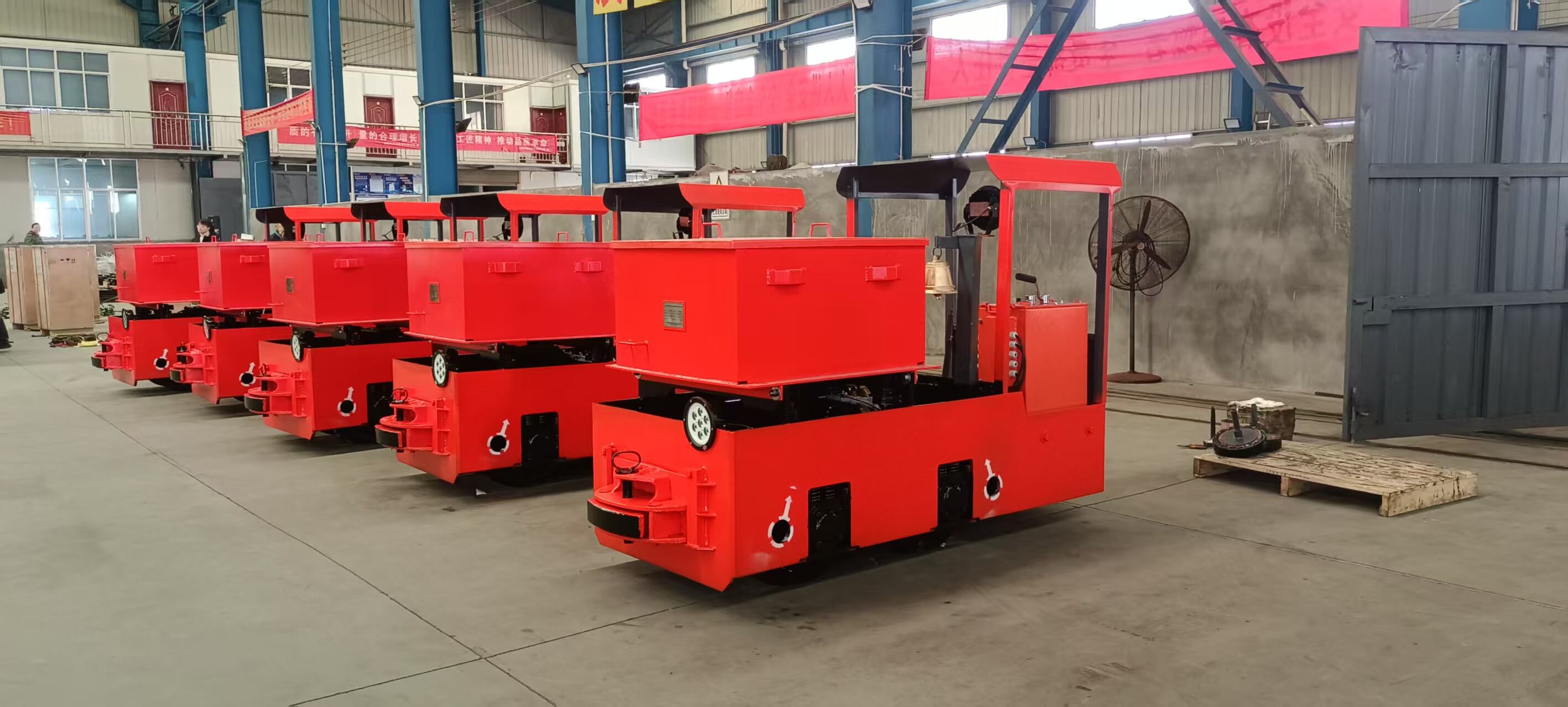
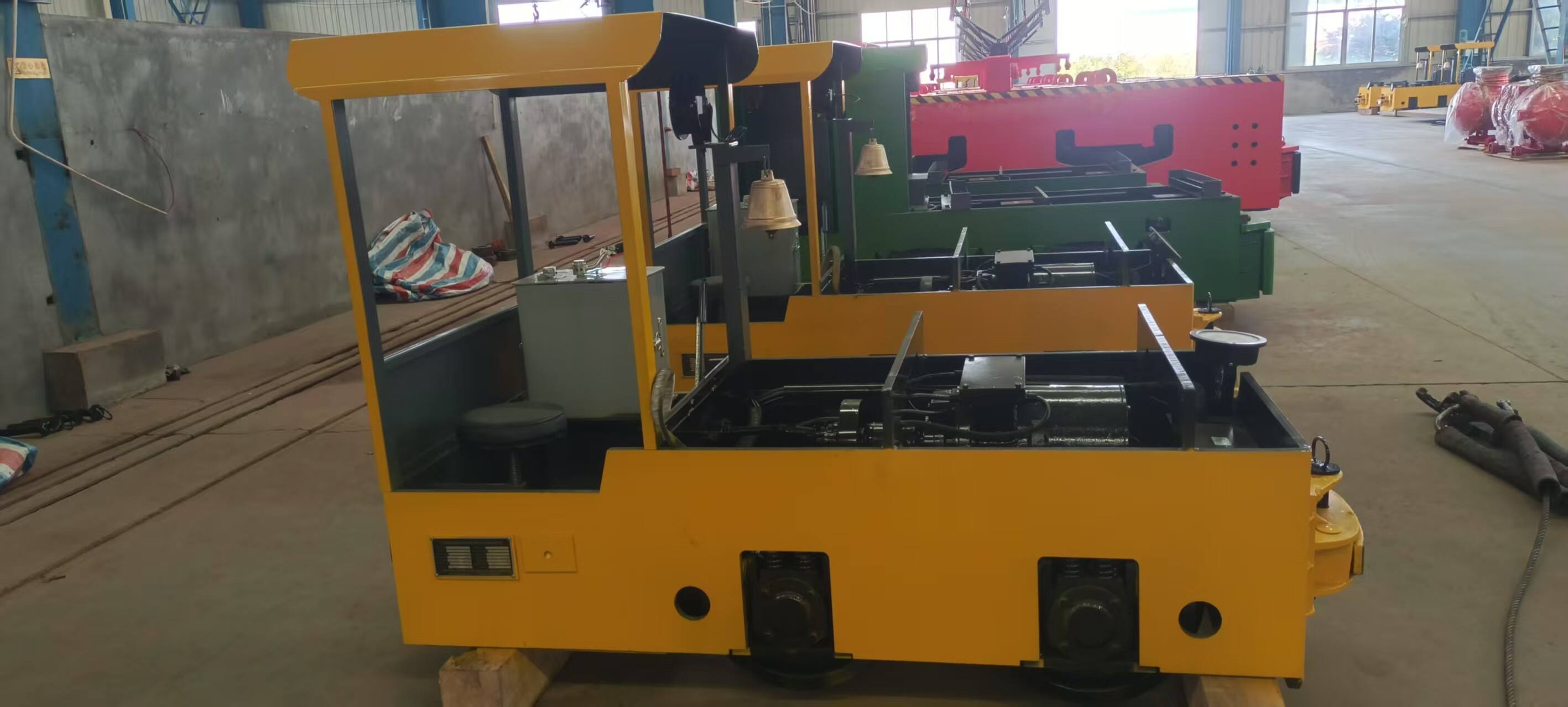
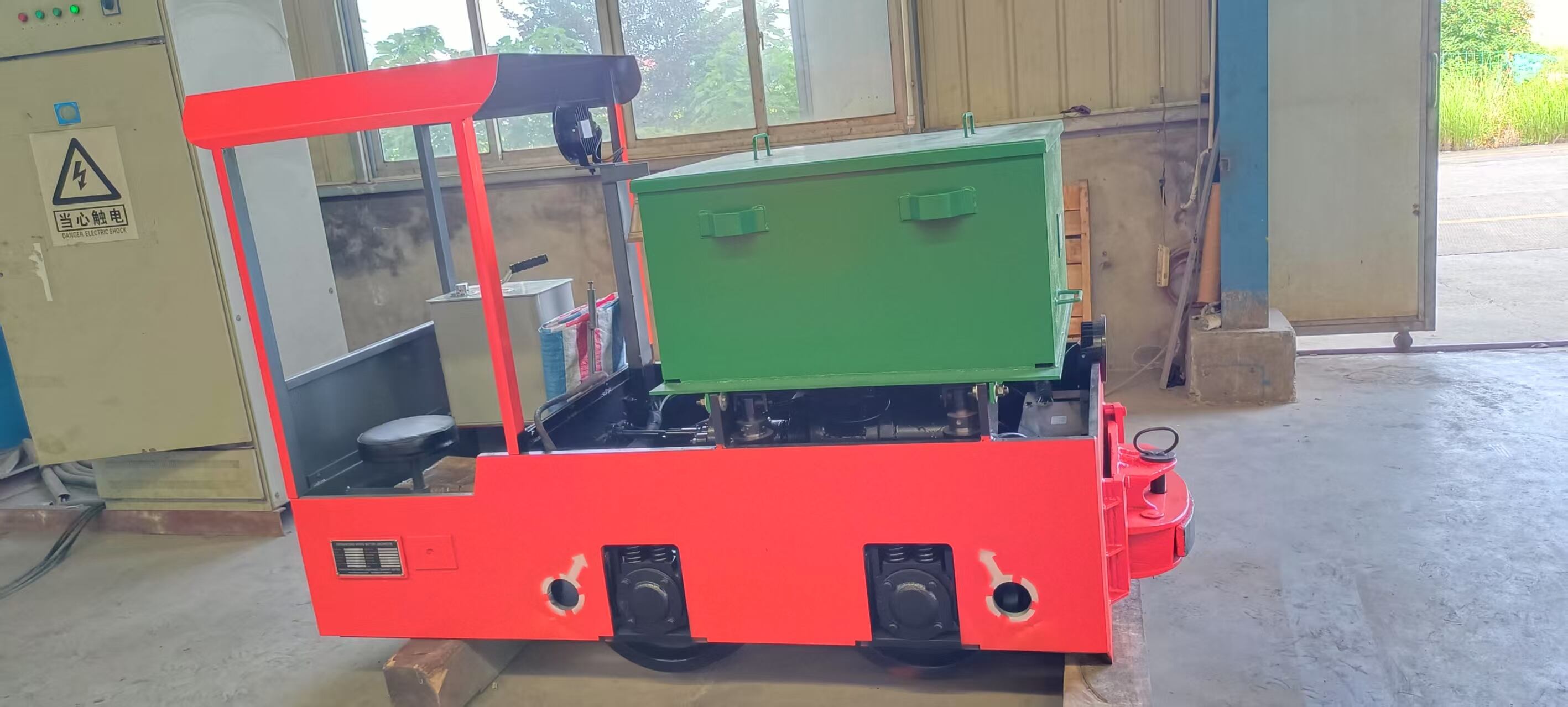
The locomotive underground represents a strategic investment that delivers exceptional long-term economic value through durability, operational efficiency, and adaptability to evolving operational needs. Unlike mobile equipment that suffers accelerated wear in harsh underground conditions, requiring replacement every five to seven years, a properly maintained locomotive underground operates reliably for two decades or more, dramatically reducing lifecycle costs and capital reinvestment requirements. The simplicity of locomotive underground mechanical systems, with fewer moving parts than trucks or loaders, translates directly to lower maintenance expenses and reduced spare parts inventory. Maintenance schedules for locomotive underground equipment are predictable and straightforward, allowing operations to plan downtime during production lulls rather than suffering unexpected breakdowns during critical periods. The rail infrastructure supporting locomotive underground operations, once installed, requires minimal maintenance compared to underground roadways that need constant repair due to heavy truck traffic, rutting, and moisture damage. This infrastructure longevity means your initial investment in tracks and electrical systems continues delivering value across multiple equipment generations, as new locomotive underground units utilize existing rail networks without requiring complete system replacement. Energy efficiency provides ongoing cost advantages, with electric locomotive underground models consuming significantly less energy per ton-hauled than diesel alternatives, while regenerative braking captures otherwise wasted energy during descents. As energy costs rise over time, these efficiency advantages compound, making locomotive underground operations increasingly economical relative to alternatives. The modular nature of locomotive underground transport systems provides exceptional scalability, allowing operations to match capacity precisely to current needs while maintaining easy expansion pathways as production increases. Adding cars to existing trains or introducing additional locomotive underground units to your fleet requires minimal infrastructure modification, unlike truck-based systems that need extensive roadway expansion to accommodate more vehicles. Resale value of well-maintained locomotive underground equipment remains strong, as these specialized machines find ready markets among mining and tunneling operations worldwide, protecting your investment even when operations conclude. Environmental sustainability increasingly influences operational licensing and community relations, areas where locomotive underground technology excels through emissions reduction, noise minimization, and efficient resource utilization. Regulatory compliance becomes simpler with electric locomotive underground systems that inherently meet stringent air quality standards without requiring expensive emission control retrofits as regulations tighten. The operational data modern locomotive underground units generate enables continuous process optimization, identifying efficiency opportunities and maintenance needs before they impact production, transforming equipment management from reactive to proactive. For operations planning decade-long mine lives or multi-year tunneling projects, the locomotive underground provides the reliable, cost-effective transportation backbone that supports consistent production targets, predictable operating costs, and sustainable growth trajectories that satisfy stakeholders and ensure long-term viability in competitive markets.

 EN
EN