
 EN
EN
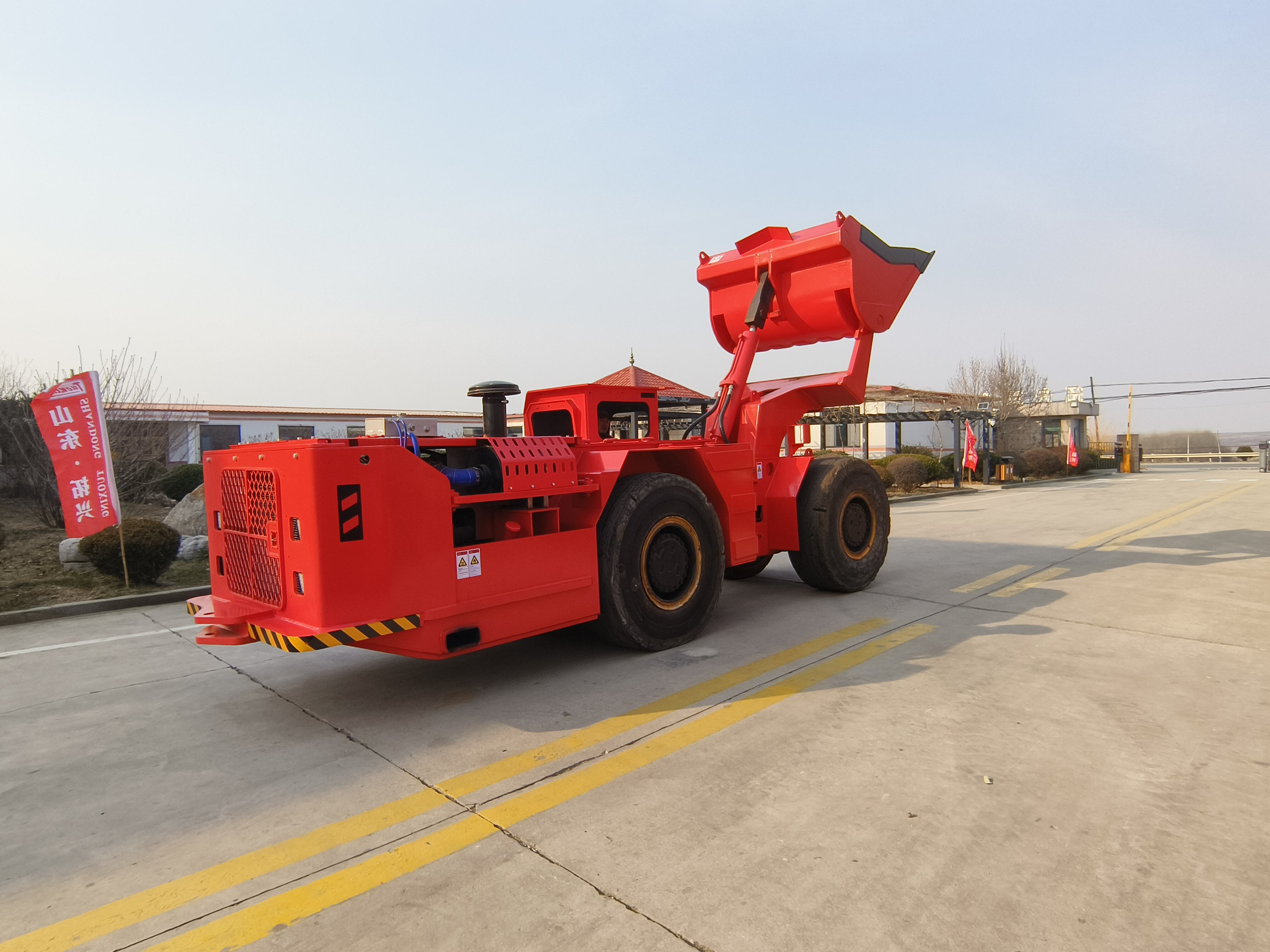
The underground mining industry stands at a technological crossroads where electric vehicle adoption accelerates across surface operations, yet many mine operators continue selecting diesel-powered underground mining trucks for their critical hauling operations. This persistent preference for diesel technology in subterranean environments reflects complex operational realities that extend far beyond simple cost considerations, encompassing infrastructure limitations, performance requirements, and risk management strategies that define modern mining operations.
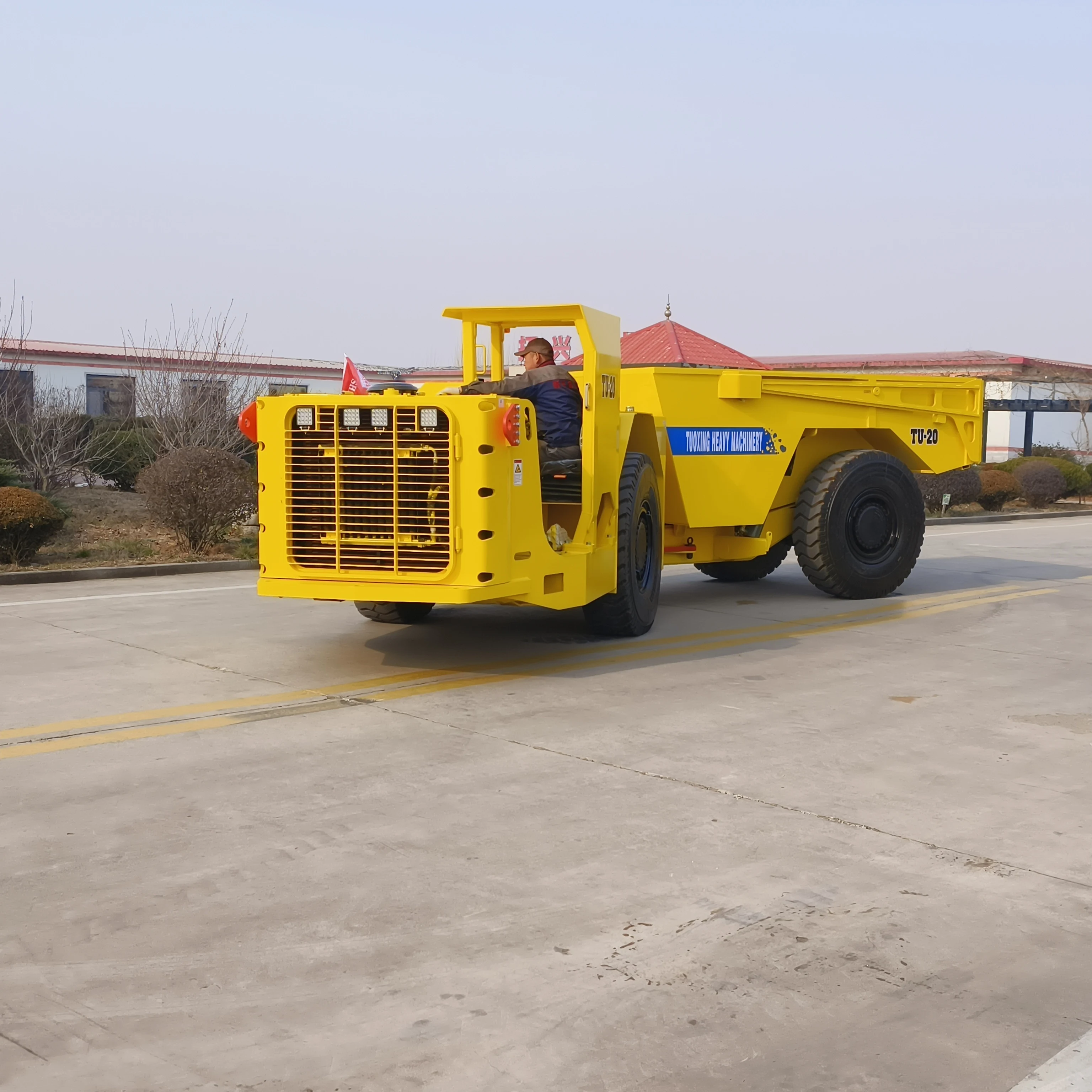
While environmental regulations and corporate sustainability commitments drive the mining sector toward electrification, the unique challenges of underground operations create distinct decision-making frameworks for equipment selection. Mine operators evaluating underground mining trucks must balance immediate operational needs against long-term strategic goals, considering factors such as existing infrastructure capacity, operational flexibility requirements, and the proven reliability that diesel systems have demonstrated in harsh underground environments over decades of industrial application.
Infrastructure and Power Grid Limitations in Underground Operations
Electrical Infrastructure Constraints
Underground mining operations face significant electrical infrastructure challenges that influence equipment selection decisions for underground mining trucks. Many existing mines operate with electrical systems designed decades ago, featuring power distribution networks that lack the capacity to support large-scale electric vehicle fleets. The cost of upgrading electrical infrastructure to accommodate electric underground mining trucks often exceeds hundreds of thousands of dollars per operational level, creating substantial capital expenditure barriers that make diesel alternatives more financially attractive in the short term.
The complexity of underground electrical systems extends beyond simple power capacity issues. Mine operators must consider voltage stability, power quality, and electrical safety protocols that become increasingly complex when introducing high-power electric vehicles into underground environments. Diesel underground mining trucks eliminate these electrical infrastructure concerns, allowing operators to focus resources on core mining activities rather than extensive electrical system modifications that may require extended operational shutdowns for implementation.
Grid Reliability and Power Continuity
Power grid reliability represents a critical factor in underground mining truck selection, particularly in remote mining locations where electrical supply interruptions can halt entire operations. Diesel-powered underground mining trucks provide operational independence from electrical grid fluctuations, ensuring continuous hauling capacity even during power outages or electrical system maintenance periods. This operational autonomy becomes especially valuable in mines operating continuous shift schedules where equipment downtime directly impacts production targets and operational profitability.
The geographical isolation of many mining operations compounds grid reliability concerns, as remote locations often experience higher frequencies of power interruptions due to weather events, equipment failures, or transmission line issues. Mine operators in these environments frequently prioritize diesel underground mining trucks as a risk mitigation strategy, maintaining operational capability regardless of external electrical supply conditions while avoiding the complexity of backup power systems required for electric vehicle charging infrastructure.
Operational Flexibility and Performance Requirements
Range and Runtime Considerations
Underground mining operations demand exceptional runtime performance from hauling equipment, with underground mining trucks often operating continuously for 12-hour shifts or longer in demanding conditions. Diesel-powered units provide extended operational range without the charging downtime required by electric alternatives, enabling mine operators to maintain consistent production schedules without incorporating charging periods into operational planning. This continuous operation capability becomes particularly critical in high-production mines where hauling capacity directly correlates with overall mine output and revenue generation.
The refueling process for diesel underground mining trucks requires significantly less time than electric vehicle charging, typically completing fuel replenishment in minutes rather than hours. This rapid refueling capability allows mine operators to maximize equipment utilization rates while minimizing operational interruptions that could impact production schedules. Additionally, diesel fuel storage and distribution systems in underground environments are well-established technologies with proven safety protocols, whereas electric charging infrastructure introduces new safety considerations and operational procedures that require additional training and risk management protocols.
Load Capacity and Power Delivery
Heavy-duty applications in underground mining environments place extreme demands on vehicle power systems, with underground mining trucks requiring consistent high-torque performance for loaded hauling cycles through challenging terrain. Diesel engines provide immediate power delivery across wide operating ranges, maintaining performance levels regardless of ambient temperature conditions or operational duration. This consistent power delivery proves essential in underground environments where temperature fluctuations and humidity levels can impact electric vehicle battery performance and overall system efficiency.
The power-to-weight ratio advantages of diesel systems become pronounced in underground applications where vehicle weight restrictions and dimensional constraints limit equipment options. Diesel underground mining trucks typically achieve higher payload capacities relative to vehicle weight compared to electric alternatives, maximizing hauling efficiency within the confined spaces and weight limitations common in underground mining operations. This efficiency advantage directly impacts operational costs and productivity metrics that drive equipment selection decisions in competitive mining markets.
Economic Factors and Total Cost of Ownership
Initial Capital Investment Analysis
The initial purchase price differential between diesel and electric underground mining trucks represents a significant factor in equipment selection decisions, particularly for mining operations operating under tight capital budget constraints. Diesel-powered units typically require lower upfront investments, allowing mine operators to acquire necessary hauling capacity without the premium pricing associated with electric vehicle technology. This cost advantage becomes especially important for smaller mining operations or companies expanding existing fleets where capital allocation efficiency directly impacts operational sustainability and growth potential.
Beyond vehicle acquisition costs, the infrastructure requirements for electric underground mining trucks add substantial capital expenditures that many operators find prohibitive. Charging station installation, electrical system upgrades, and safety system modifications can double or triple the total project cost compared to diesel fleet deployment. These infrastructure investments often require multi-year payback periods that may not align with mine life planning or operational timelines, making diesel alternatives more attractive from financial planning perspectives.
Operational Cost Considerations
Fuel costs for diesel underground mining trucks remain predictable and manageable within established operational budgets, with fuel consumption patterns well-understood across various operational scenarios. Mine operators can accurately forecast fuel expenses and incorporate these costs into production planning models with high confidence levels. Additionally, diesel fuel procurement and storage systems leverage existing infrastructure and supply chain relationships that have been optimized over decades of mining industry development.
Maintenance cost structures for diesel underground mining trucks benefit from established service networks, readily available parts inventory, and technician expertise that exists throughout the global mining industry. Electric vehicle maintenance requirements introduce new cost variables including battery replacement schedules, specialized electronic component service needs, and technician training requirements that can create unpredictable expense patterns. The proven reliability and serviceability of diesel systems provides cost certainty that many mine operators value highly in long-term operational planning processes.
Technical Reliability and Proven Performance
Field-Tested Durability
Diesel-powered underground mining trucks have demonstrated exceptional reliability across decades of operation in harsh underground environments, establishing performance benchmarks that electric alternatives have yet to match in real-world applications. This proven track record provides mine operators with confidence in equipment performance expectations, maintenance requirements, and operational limitations based on extensive industry experience. The accumulated operational data from diesel systems enables accurate lifecycle planning and replacement scheduling that reduces operational uncertainty and supports predictable maintenance budgeting.
The robust construction and simplified mechanical systems of diesel underground mining trucks contribute to operational reliability in environments characterized by dust, moisture, temperature fluctuations, and mechanical stress. These units continue operating effectively under conditions that may challenge sensitive electronic components found in electric vehicles, providing operational assurance in environments where equipment failure can create safety hazards and costly production interruptions. The mechanical nature of diesel systems allows for field repairs and troubleshooting using standard tools and techniques familiar to mining maintenance teams.
Environmental Adaptation
Underground mining environments present unique challenges including temperature variations, humidity levels, and atmospheric conditions that can impact vehicle performance and reliability. Diesel engines maintain consistent performance across wide temperature ranges without the capacity degradation that affects battery systems in extreme conditions. This environmental adaptability ensures that underground mining trucks deliver expected performance regardless of seasonal variations or operational depth changes that alter ambient conditions in underground workings.
The ventilation requirements for diesel underground mining trucks are well-established within existing mine ventilation systems, with safety protocols and air quality management procedures refined through decades of operational experience. While electric vehicles eliminate exhaust emissions, they introduce new safety considerations related to battery systems, charging equipment, and electrical hazards that require additional training and safety protocol development. Many mine operators prefer the familiar safety profile of diesel systems while regulatory frameworks and industry best practices for electric vehicle safety continue evolving.
Strategic Risk Management and Operational Continuity
Technology Maturity Assessment
Mine operators evaluating underground mining trucks must consider technology maturity levels and the associated risks of adopting emerging technologies in critical production applications. Diesel technology represents mature, fully-developed systems with known performance characteristics, failure modes, and maintenance requirements that enable accurate operational planning and risk assessment. Electric vehicle technology, while advancing rapidly, still faces ongoing development in areas such as battery longevity, charging system reliability, and cold-weather performance that create uncertainty in long-term operational planning.
The conservative approach that characterizes mining industry equipment selection reflects the high costs associated with operational interruptions and equipment failures in underground environments. Diesel underground mining trucks provide operational certainty that allows mine operators to focus on geological challenges and market conditions rather than equipment technology risks. This risk-averse approach becomes particularly important in mines with limited equipment redundancy where vehicle reliability directly impacts overall operational capability and safety performance.
Supply Chain and Service Network Considerations
Global service networks for diesel underground mining trucks provide comprehensive support including parts availability, technical expertise, and emergency service capabilities that ensure minimal operational downtime. The established infrastructure supporting diesel technology includes parts distribution centers, certified service technicians, and technical support networks that operate across all major mining regions worldwide. This comprehensive support network reduces operational risk and provides service assurance that many mine operators consider essential for critical hauling equipment.
Electric vehicle service networks continue developing but currently lack the comprehensive coverage and immediate response capabilities that exist for diesel systems. The specialized knowledge and equipment required for electric vehicle service may not be readily available in remote mining locations, potentially creating extended downtime periods for repairs or major maintenance procedures. Mine operators in isolated locations often prioritize equipment technologies supported by established service networks that can provide rapid response and comprehensive technical support when operational issues arise.
FAQ
What are the main advantages of diesel underground mining trucks over electric alternatives?
Diesel underground mining trucks offer several key advantages including extended operational range without charging downtime, rapid refueling capabilities, independence from electrical infrastructure limitations, proven reliability in harsh underground conditions, lower initial capital requirements, and comprehensive global service network support. These factors combine to provide operational flexibility and risk mitigation that many mine operators value highly in critical hauling applications.
How do infrastructure requirements differ between diesel and electric underground mining trucks?
Diesel systems require minimal infrastructure modifications beyond fuel storage and distribution facilities that most mines already maintain, while electric underground mining trucks necessitate substantial electrical system upgrades including high-capacity charging stations, enhanced power distribution networks, and upgraded electrical safety systems. These infrastructure requirements can add hundreds of thousands of dollars to electric vehicle deployment costs and may require extended operational shutdowns for installation.
Do diesel underground mining trucks still make sense given environmental regulations?
Many mine operators continue selecting diesel underground mining trucks while implementing advanced emission control technologies, improved ventilation systems, and operational efficiency measures that reduce environmental impact while maintaining the operational advantages of diesel systems. The decision often reflects a balanced approach considering immediate operational needs, infrastructure constraints, and long-term electrification planning that may phase in electric vehicles as technology matures and infrastructure develops.
How does the total cost of ownership compare between diesel and electric underground mining trucks?
Total cost of ownership analysis varies significantly based on mine-specific factors including electrical infrastructure status, operational requirements, fuel costs, and equipment utilization patterns. While electric vehicles may offer lower operating costs in optimal conditions, diesel systems typically provide lower initial investment requirements and more predictable lifecycle costs that many operators find advantageous for financial planning and operational budgeting purposes in current market conditions.
Table of Contents
- Infrastructure and Power Grid Limitations in Underground Operations
- Operational Flexibility and Performance Requirements
- Economic Factors and Total Cost of Ownership
- Technical Reliability and Proven Performance
- Strategic Risk Management and Operational Continuity
-
FAQ
- What are the main advantages of diesel underground mining trucks over electric alternatives?
- How do infrastructure requirements differ between diesel and electric underground mining trucks?
- Do diesel underground mining trucks still make sense given environmental regulations?
- How does the total cost of ownership compare between diesel and electric underground mining trucks?