
 EN
EN
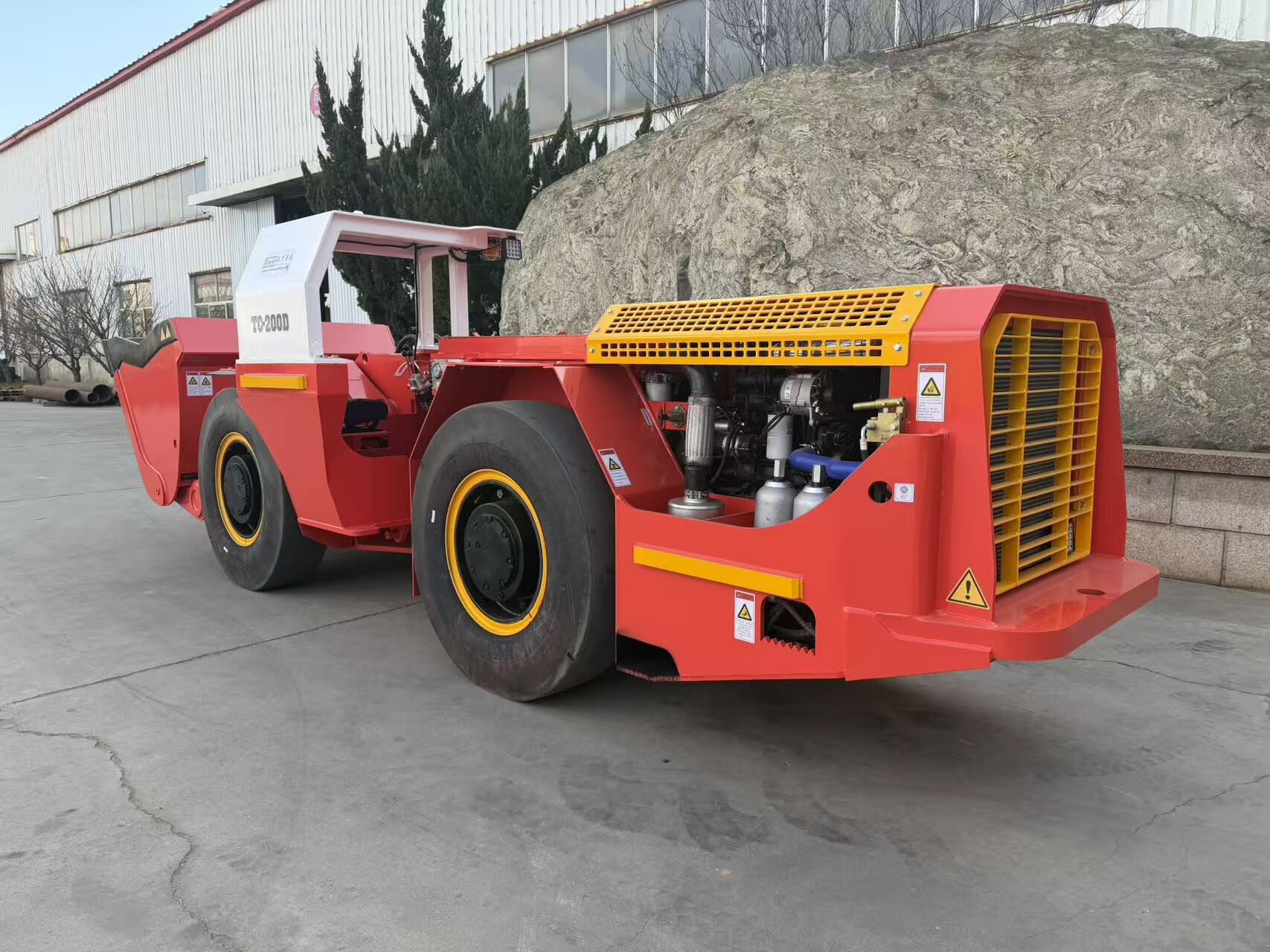
The performance of an underground mining scoop depends on numerous interconnected factors that directly impact productivity, safety, and operational efficiency in mining operations. Understanding these variables is crucial for mining engineers and operators who need to optimize their equipment selection and operational strategies. An underground mining scoop serves as a critical piece of machinery in subterranean mining environments, where space constraints, ventilation challenges, and material handling requirements demand specialized engineering solutions. The effectiveness of these machines can make the difference between profitable operations and costly delays in mineral extraction processes.
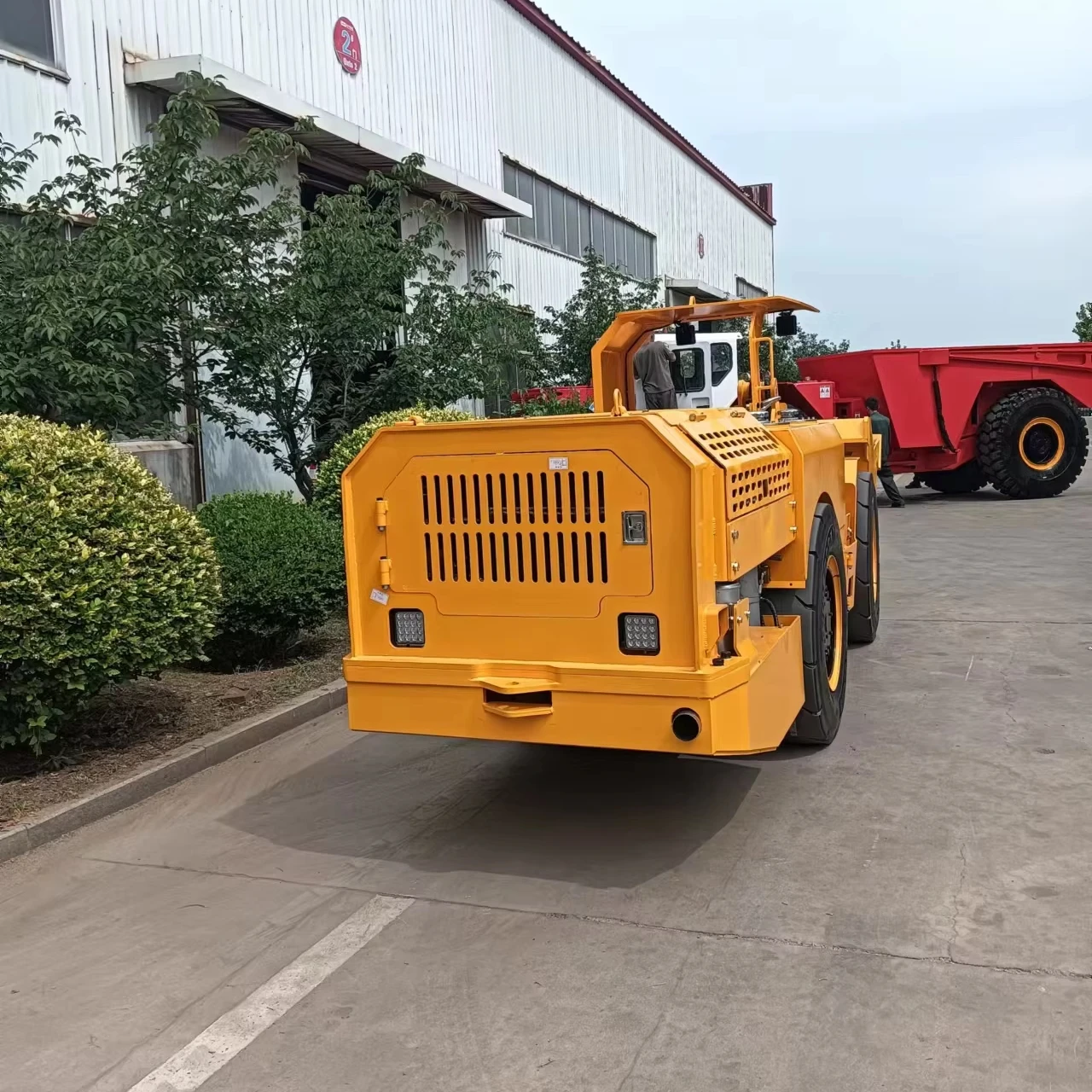
Engine Specifications and Power Systems
Diesel Engine Performance Characteristics
The heart of any underground mining scoop lies in its engine specifications, which determine the machine's ability to perform under demanding conditions. Diesel engines typically power these machines due to their superior torque characteristics and fuel efficiency in continuous operation scenarios. The power output directly correlates with the scoop's ability to handle heavy loads, navigate steep gradients, and maintain consistent performance throughout extended shifts. Modern underground mining scoop designs incorporate advanced engine management systems that optimize fuel consumption while maximizing power delivery.
Engine displacement and configuration play vital roles in determining overall performance capabilities. Larger displacement engines generally provide greater torque output, enabling the underground mining scoop to handle heavier material loads and work in more challenging geological conditions. The engine's cooling system becomes particularly critical in underground environments where ambient temperatures and restricted airflow can cause overheating issues. Advanced cooling technologies, including oversized radiators and auxiliary cooling fans, help maintain optimal operating temperatures.
Transmission and Power Transfer Systems
The transmission system of an underground mining scoop significantly influences operational efficiency and operator comfort. Power-shift transmissions offer smooth gear changes under load, reducing cycle times and minimizing stress on mechanical components. The gear ratios must be carefully selected to provide optimal performance across different operating conditions, from precise positioning during loading operations to maximum speed during transport phases. Modern transmission systems often feature electronic controls that automatically adjust shift points based on load conditions and operator inputs.
Hydrostatic transmission systems provide another option for underground mining scoop applications, offering infinite speed control and excellent low-speed maneuverability. These systems excel in applications requiring precise positioning and frequent direction changes. The choice between conventional power-shift and hydrostatic transmissions depends on specific operational requirements, maintenance capabilities, and cost considerations. Each system has distinct advantages that affect the overall performance profile of the underground mining scoop.
Hydraulic System Design and Capacity
Hydraulic Pump Configuration
The hydraulic system represents a critical performance factor for any underground mining scoop, as it powers the loading mechanism, steering system, and various auxiliary functions. Pump displacement and pressure ratings determine the speed and force available for bucket operations, directly impacting cycle times and loading efficiency. Variable displacement pumps offer advantages in terms of fuel efficiency and heat generation, as they can adjust output based on demand. The hydraulic reservoir capacity and filtration system quality also influence system reliability and component longevity.
Load-sensing hydraulic systems provide enhanced performance by delivering hydraulic flow only when needed, reducing energy consumption and heat generation. These systems automatically adjust pump output based on implement demand, resulting in improved fuel economy and reduced component wear. The integration of electronic controls with hydraulic systems enables advanced features such as automated bucket positioning and load-sensing steering, which enhance both productivity and operator comfort in underground mining scoop applications.
Hydraulic Component Quality and Maintenance
The quality of hydraulic components directly affects the performance and reliability of an underground mining scoop. High-quality cylinders, valves, and hoses withstand the harsh conditions encountered in underground mining environments, including dust, moisture, and temperature variations. Regular maintenance of hydraulic systems, including oil changes, filter replacements, and component inspections, prevents performance degradation and costly breakdowns. The accessibility of hydraulic components for maintenance purposes becomes a crucial design consideration that affects overall equipment availability.
Contamination control within hydraulic systems proves essential for maintaining peak performance in underground mining scoop operations. Proper filtration systems, including return filters, suction strainers, and breather caps, prevent contaminants from entering the system. The hydraulic oil specification and change intervals must account for the demanding operating environment, with synthetic oils often providing superior performance in extreme temperature conditions. System monitoring capabilities, including temperature and pressure sensors, enable predictive maintenance strategies that maximize equipment uptime.
Bucket Design and Material Handling Capabilities
Bucket Geometry and Capacity
The bucket design of an underground mining scoop fundamentally determines its material handling capabilities and operational efficiency. Bucket capacity must balance maximum payload with maneuverability constraints in confined underground spaces. The bucket geometry, including width, depth, and cutting edge angle, affects penetration characteristics and loading efficiency across different material types. Proper bucket design minimizes spillage during transport while maximizing the volume of material that can be handled in each cycle.
Cutting edge design and wear protection significantly impact the performance and operating costs of an underground mining scoop. Replaceable cutting edges fabricated from high-strength steel or carbide materials extend service life and maintain cutting performance throughout the operating cycle. The mounting system for cutting edges must provide secure attachment while enabling efficient replacement procedures. Side cutters and wear plates protect the bucket structure from abrasive materials, reducing maintenance requirements and extending equipment life.
Material Flow Characteristics
The internal geometry of an underground mining scoop bucket affects material flow patterns during loading and dumping operations. Smooth internal surfaces and optimized curves minimize material adhesion and promote complete discharge, particularly important when handling sticky or cohesive materials. The bucket floor angle and side wall design influence the natural angle of repose for different materials, affecting both loading efficiency and discharge characteristics. Proper material flow design reduces cycle times and minimizes the energy required for complete bucket discharge.
Specialized bucket designs may incorporate features such as high-lift capabilities for dumping into elevated hoppers or trucks, extending the versatility of the underground mining scoop. The hydraulic cylinder configuration and linkage geometry determine the maximum dump height and reach capabilities, which must align with the requirements of the specific mining operation. Advanced bucket designs may include features such as automatic leveling systems that maintain optimal bucket orientation throughout the lift cycle, improving material retention and reducing spillage.
Mobility and Maneuverability Factors
Axle Configuration and Differential Systems
The axle configuration of an underground mining scoop significantly influences its mobility and performance in challenging underground conditions. Four-wheel drive systems provide superior traction and climbing ability, essential for navigating steep ramps and loose material surfaces. Limited-slip or locking differentials enhance traction by distributing power to wheels with the best grip, preventing wheel spin and improving overall mobility. The gear reduction ratios in the axles affect both maximum speed and tractive force capabilities.
Ground clearance and approach angles determine the underground mining scoop's ability to navigate uneven surfaces and obstacles commonly encountered in mining environments. Adequate ground clearance prevents damage to critical components while maintaining mobility over rough terrain. The wheelbase length affects turning radius and stability, with shorter wheelbases providing better maneuverability in tight spaces while longer wheelbases offer improved stability when carrying heavy loads. These design trade-offs must be carefully balanced based on the specific requirements of the mining operation.
Tire Selection and Ground Contact
Tire selection plays a crucial role in the performance of an underground mining scoop, affecting traction, ride quality, and component longevity. Solid tires offer puncture resistance and consistent performance in environments with sharp rocks and debris, while pneumatic tires provide better shock absorption and traction on hard surfaces. The tread pattern and compound must be selected based on the predominant surface conditions and material types encountered in the specific mining application.
Tire pressure monitoring and maintenance procedures directly impact the performance and operating costs of an underground mining scoop. Proper tire pressure ensures optimal contact patch area, maximizing traction while minimizing tire wear. The load rating of the tires must exceed the maximum operating weight of the loaded machine, including safety factors for dynamic loading conditions. Regular tire inspection and rotation procedures extend service life and maintain consistent performance throughout the operating cycle.
Operator Environment and Control Systems
Cabin Design and Ergonomics
The operator environment significantly affects the performance of an underground mining scoop through its impact on operator comfort, visibility, and control precision. Ergonomically designed control layouts reduce operator fatigue and improve productivity during extended shifts. The cabin must provide protection from environmental hazards while maintaining excellent visibility of the work area and travel path. Climate control systems become essential for operator comfort in underground environments with variable temperature and humidity conditions.
Seat design and adjustment capabilities affect operator comfort and control precision throughout the operating cycle. Suspension seats with multiple adjustment points accommodate operators of different sizes while reducing vibration transmission from the machine structure. The positioning of controls, displays, and visibility aids must follow ergonomic principles to minimize operator strain and maximize operational efficiency. Sound insulation and vibration dampening materials create a more comfortable working environment while reducing long-term health impacts on operators.
Control System Technology
Advanced control systems enhance the performance capabilities of modern underground mining scoop designs through improved precision and automated functions. Electrohydraulic controls provide precise implement positioning and consistent response characteristics, reducing operator workload and improving productivity. Integrated display systems provide real-time feedback on machine performance, maintenance requirements, and operational parameters, enabling optimized performance and preventive maintenance strategies.
Load-sensing steering systems reduce operator effort while providing precise directional control, particularly important in confined underground spaces. Electronic control modules can incorporate features such as automatic bucket return-to-carry position, reducing operator workload and improving cycle consistency. Advanced control systems may include programmable operating modes that optimize machine performance for specific applications or material types, maximizing efficiency while minimizing fuel consumption and component wear.
Environmental Considerations and Operational Conditions
Underground Environment Challenges
The unique challenges of underground mining environments significantly impact the performance requirements and design considerations for an underground mining scoop. Limited ventilation affects engine performance and cooling system requirements, necessitating specialized designs that operate efficiently in oxygen-reduced environments. Dust and moisture exposure requires enhanced sealing systems and component protection to maintain reliable operation. The confined spaces typical of underground operations demand compact designs while maintaining adequate power and capacity for efficient material handling.
Ceiling height restrictions in underground mining environments directly influence the design profile of an underground mining scoop, requiring low-profile configurations that maintain accessibility to all service points. The machine must navigate through tunnels and workings with limited overhead clearance while maintaining structural integrity and component protection. Specialized lighting systems become essential for safe operation in low-light conditions, with LED technology providing energy-efficient illumination of the work area and travel paths.
Material Characteristics and Handling Requirements
The characteristics of the materials being handled significantly affect the performance requirements and operational efficiency of an underground mining scoop. Abrasive materials increase wear rates on bucket components and cutting edges, requiring enhanced wear protection and more frequent maintenance intervals. Sticky or cohesive materials may require specialized bucket designs or discharge assistance systems to ensure complete material release. The bulk density and particle size distribution of the materials affect loading efficiency and transport capacity.
Corrosive materials or environments may require specialized coatings and component materials to prevent premature degradation of critical systems. The pH level and chemical composition of materials and groundwater affect material selection for hydraulic seals, hoses, and metal components. Temperature variations in underground environments, from freezing conditions near portals to elevated temperatures at depth, require component designs that maintain performance across a wide temperature range.
Maintenance Accessibility and Service Requirements
Service Point Design and Accessibility
Maintenance accessibility represents a critical factor affecting the overall performance and availability of an underground mining scoop. Service points must be positioned for easy access without requiring extensive disassembly or specialized tools. Hood and panel designs should provide adequate clearance for routine maintenance tasks while protecting critical components from environmental contamination. The layout of service points affects maintenance time requirements and influences the total cost of ownership for the equipment.
Diagnostic capabilities and service information systems enhance maintenance efficiency by providing technicians with real-time data on component condition and performance parameters. Electronic diagnostic systems can identify potential issues before they result in equipment failure, enabling proactive maintenance strategies that minimize downtime. Service manuals and maintenance procedures must be clearly documented and readily accessible to maintenance personnel working in challenging underground environments.
Component Life and Replacement Intervals
The design life of critical components directly affects the operational performance and maintenance costs of an underground mining scoop. High-quality components with extended service intervals reduce maintenance frequency and improve equipment availability. The standardization of fasteners, filters, and common wear items simplifies inventory management and reduces maintenance complexity. Component designs must balance initial cost with service life and replacement convenience to optimize total cost of ownership.
Predictive maintenance technologies, including vibration monitoring, oil analysis, and thermal imaging, enable condition-based maintenance strategies that optimize component replacement timing. These technologies help identify developing issues before they cause equipment failure, reducing unplanned downtime and maintenance costs. The integration of monitoring systems with maintenance management software provides comprehensive tracking of component performance and replacement history.
FAQ
How does engine power affect underground mining scoop performance
Engine power directly influences the underground mining scoop's ability to handle heavy loads, climb steep grades, and maintain productivity in demanding conditions. Higher power ratings enable faster cycle times, greater material handling capacity, and improved performance in challenging geological conditions. The power-to-weight ratio affects fuel efficiency and overall operational costs, while adequate power reserves ensure consistent performance throughout the equipment's service life.
What role does hydraulic system capacity play in scoop efficiency
Hydraulic system capacity determines the speed and force available for bucket operations, steering, and auxiliary functions. Adequate hydraulic flow and pressure ratings enable fast cycle times and precise implement control, directly impacting productivity. Modern load-sensing systems optimize hydraulic power delivery based on demand, improving fuel efficiency while maintaining performance. Proper hydraulic system design also affects component longevity and maintenance requirements in harsh underground environments.
Why is bucket design critical for material handling performance
Bucket design fundamentally determines loading efficiency, material retention, and discharge characteristics of an underground mining scoop. Optimal bucket geometry maximizes material capacity while ensuring complete discharge and minimizing spillage during transport. Cutting edge design and wear protection affect penetration ability and service life, while internal bucket geometry influences material flow patterns. Proper bucket design reduces cycle times and energy consumption while extending component life.
How do underground conditions impact scoop design requirements
Underground mining environments present unique challenges including limited ventilation, confined spaces, dust exposure, and variable ground conditions. These factors require specialized design considerations such as enhanced cooling systems, compact profiles, robust sealing, and improved lighting systems. The underground mining scoop must operate reliably in challenging conditions while maintaining accessibility for maintenance and service operations. Environmental factors directly influence component selection, system design, and operational procedures.
Table of Contents
- Engine Specifications and Power Systems
- Hydraulic System Design and Capacity
- Bucket Design and Material Handling Capabilities
- Mobility and Maneuverability Factors
- Operator Environment and Control Systems
- Environmental Considerations and Operational Conditions
- Maintenance Accessibility and Service Requirements
- FAQ