
 EN
EN
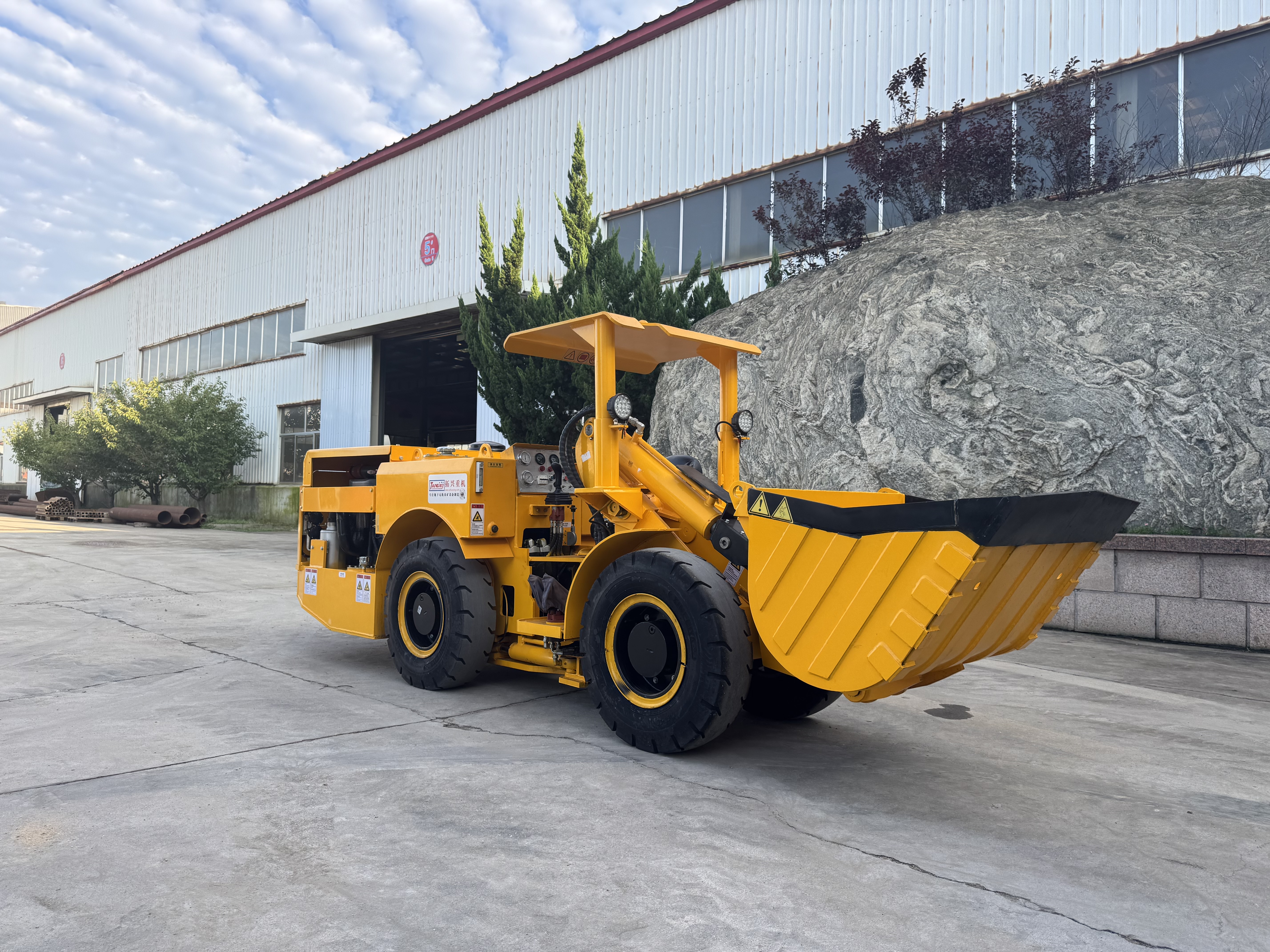
The impact of equipment selection on mining operations extends far beyond initial purchase price, with underground loader choices significantly influencing long-term operational expenses. Underground mining operations face unique challenges that require specialized machinery capable of handling demanding environments while maintaining cost-effective performance. Understanding how underground loader specifications, efficiency ratings, and operational characteristics translate into real-world cost implications helps mining operators make informed decisions that affect their bottom line for years to come.
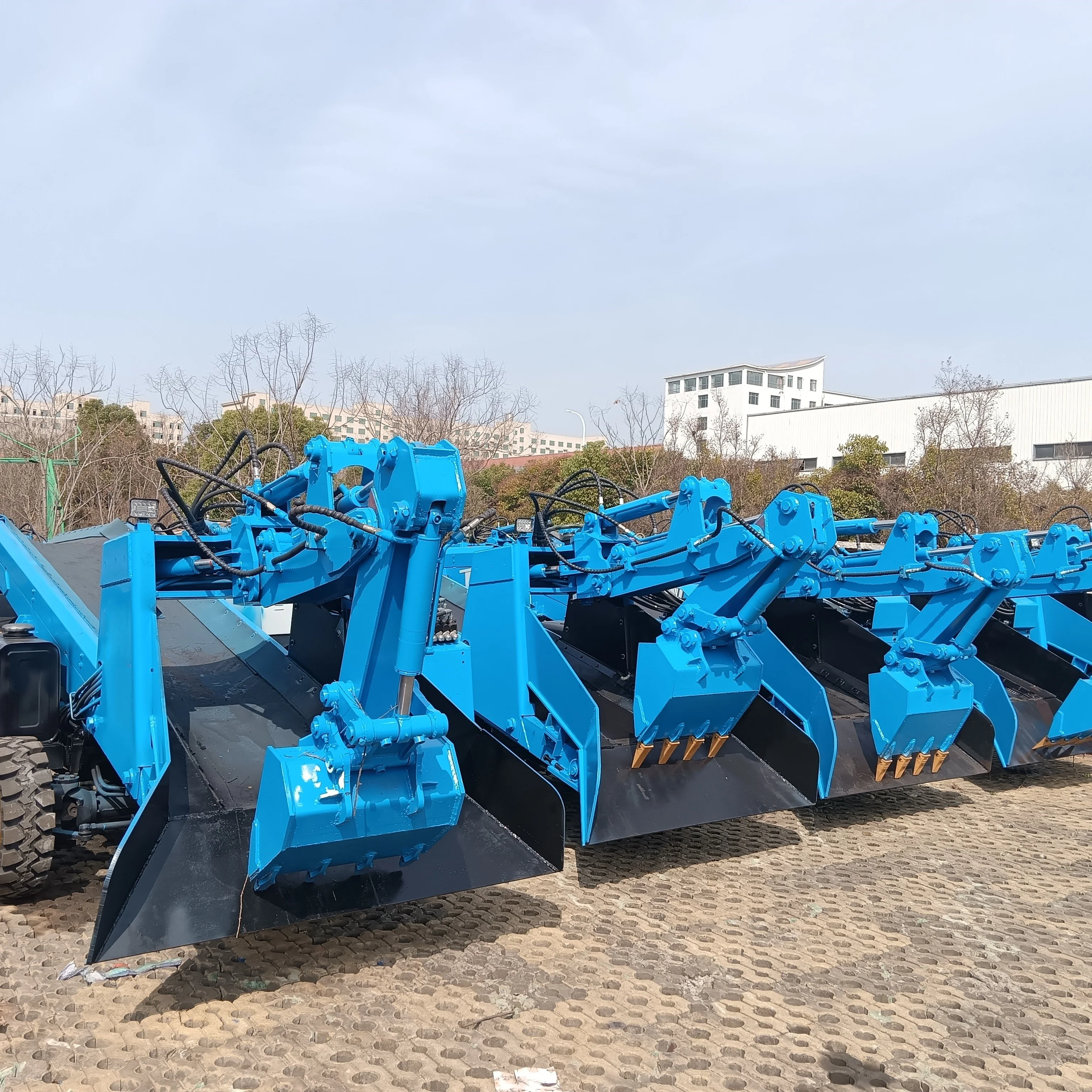
Modern mining operations require careful analysis of total cost ownership rather than focusing solely on upfront equipment investments. Each underground loader deployment creates ripple effects throughout operational budgets, affecting fuel consumption, maintenance schedules, labor productivity, and facility infrastructure requirements. Mining companies that thoroughly evaluate these interconnected cost factors position themselves for sustained profitability in increasingly competitive markets.
Direct Operating Cost Components
Fuel Consumption and Energy Efficiency
Fuel expenses represent one of the largest ongoing costs associated with underground loader operations, often accounting for twenty to thirty percent of total equipment operating expenses. Modern underground loader designs incorporate advanced engine technologies that optimize fuel combustion while maintaining the power output necessary for heavy-duty mining applications. Operators who select fuel-efficient models can realize substantial savings over equipment lifecycles, particularly in operations running multiple shifts or extended operating hours.
Energy efficiency improvements in contemporary underground loader systems extend beyond engine optimization to include hydraulic system enhancements, transmission improvements, and load management technologies. These integrated efficiency measures reduce fuel consumption per ton of material moved, creating measurable cost advantages that compound over time. Mining operations benefit from conducting detailed fuel consumption analyses when comparing different underground loader options, as seemingly minor efficiency differences translate into significant cost variations across operational lifespans.
Maintenance Requirements and Scheduling
Maintenance costs for underground loader equipment vary dramatically based on design quality, component accessibility, and operational environment factors. Equipment designed with maintenance accessibility in mind reduces labor hours required for routine service, while robust component selection minimizes unexpected repair incidents that disrupt production schedules. Underground mining environments subject machinery to harsh conditions that accelerate wear patterns, making maintenance cost projections crucial for accurate operational budgeting.
Preventive maintenance programs significantly impact underground loader operating costs through reduced downtime, extended component lifecycles, and improved operational reliability. Mining operations that implement comprehensive maintenance tracking systems identify cost optimization opportunities while preventing expensive equipment failures. The relationship between maintenance investment and operational cost control requires careful balance, as inadequate maintenance leads to exponentially higher repair expenses and production losses.
Productivity Impact on Cost Per Ton
Loading Capacity and Cycle Times
Loading capacity specifications directly influence the cost-effectiveness of underground loader operations by determining how much material moves per operational cycle. Higher-capacity loaders reduce the number of trips required to complete specific tasks, decreasing fuel consumption, operator labor costs, and equipment wear per ton of material handled. However, capacity optimization must consider tunnel dimensions, infrastructure limitations, and material characteristics to ensure maximum efficiency gains.
Cycle time efficiency encompasses more than loading speed, incorporating factors such as travel times, positioning accuracy, and material discharge rates. Underground loader designs that minimize cycle times through improved hydraulics, enhanced maneuverability, or automated functions create measurable productivity advantages that translate directly into reduced operating costs. Mining operations benefit from analyzing complete cycle workflows rather than isolated performance metrics when evaluating underground loader cost impacts.
Operator Efficiency and Ergonomics
Operator efficiency plays a crucial role in determining actual underground loader productivity and associated operating costs. Equipment designed with intuitive controls, comfortable operator environments, and enhanced visibility features enables operators to work more efficiently while reducing fatigue-related errors or slowdowns. Investment in operator-friendly underground loader designs typically generates positive returns through increased daily productivity and reduced training requirements.
Ergonomic considerations affect long-term operating costs through reduced operator turnover, decreased injury-related expenses, and improved operational consistency. Modern underground loader cabins incorporate noise reduction, vibration dampening, and climate control systems that support operator wellness while maintaining productivity levels throughout extended shifts. These human factor investments contribute to operational cost reduction through multiple pathways that compound over time.
Infrastructure and Support Costs
Facility Requirements and Modifications
Underground loader deployment often necessitates facility modifications or infrastructure investments that impact total operational costs. Equipment dimensions, power requirements, and service access needs influence facility design decisions that affect both initial setup costs and ongoing operational efficiency. Mining operations must consider these infrastructure implications when evaluating different underground loader options to ensure accurate cost projections.
Ventilation requirements for underground loader operations create ongoing infrastructure costs that vary based on engine specifications, emission characteristics, and facility layout considerations. Modern low-emission underground loader designs reduce ventilation system demands, creating opportunities for infrastructure cost savings while meeting environmental compliance requirements. These indirect cost benefits often justify premium equipment investments through reduced facility operating expenses.
Parts Availability and Service Support
Parts availability directly impacts underground loader operating costs through maintenance scheduling flexibility, inventory carrying costs, and downtime duration during repair events. Equipment manufacturers with comprehensive parts distribution networks enable mining operations to maintain lower inventory levels while ensuring rapid access to replacement components when needed. This supply chain efficiency translates into reduced carrying costs and minimized production interruptions.
Service support quality affects underground loader operating costs through diagnostic accuracy, repair efficiency, and preventive maintenance effectiveness. Manufacturers offering comprehensive service programs, technical training, and remote monitoring capabilities help mining operations optimize maintenance costs while maximizing equipment availability. These support services create value through improved operational planning and reduced emergency repair expenses.
Long-Term Cost Considerations
Equipment Lifecycle and Depreciation
Underground loader lifecycle costs extend beyond immediate operational expenses to include depreciation patterns, resale values, and replacement timing considerations. Equipment designed for durability and longevity provides better total cost performance through extended useful life and higher residual values. Mining operations benefit from analyzing complete lifecycle cost projections when comparing underground loader alternatives rather than focusing solely on short-term operating expenses.
Depreciation strategies for underground loader assets require careful consideration of technological advancement rates, regulatory changes, and operational requirement evolution. Rapid technological improvements may accelerate economic depreciation regardless of physical condition, while regulatory changes could obsolete otherwise functional equipment. These factors influence optimal replacement timing and total cost calculations for underground loader investments.
Technology Integration and Upgradeability
Technology integration capabilities affect underground loader operating costs through automation potential, data collection opportunities, and system interoperability benefits. Equipment designed with upgrade pathways allows mining operations to incorporate new technologies without complete equipment replacement, extending useful life while improving operational efficiency. These integration capabilities create long-term value through reduced obsolescence risk and enhanced operational optimization opportunities.
Modern underground loader systems increasingly incorporate telematics, automated functions, and predictive maintenance capabilities that reduce operating costs through improved efficiency and reduced downtime. Mining operations that leverage these technological capabilities achieve better cost performance through optimized maintenance scheduling, improved operator training, and enhanced operational visibility. Technology adoption requires initial investment but typically generates positive returns through multiple operational improvements.
FAQ
How much can fuel-efficient underground loader designs reduce operating costs
Fuel-efficient underground loader designs typically reduce fuel consumption by fifteen to twenty-five percent compared to conventional models, translating into annual savings of thousands of dollars per machine depending on operating hours and fuel prices. These efficiency improvements become more significant in high-utilization operations where equipment runs multiple shifts or extended hours. Mining companies often recover the premium cost of efficient equipment within two to three years through fuel savings alone.
What maintenance cost differences exist between underground loader brands
Maintenance costs vary significantly between underground loader manufacturers, with differences of twenty to forty percent common across similar capacity equipment. Premium brands typically offer better component quality and design accessibility, reducing labor hours and parts costs over equipment lifecycles. However, initial purchase price differences must be weighed against long-term maintenance advantages to determine total cost effectiveness for specific operational requirements.
How do underground loader productivity improvements affect overall mining costs
Underground loader productivity improvements create cascading cost benefits throughout mining operations by reducing equipment requirements, labor costs, and infrastructure demands per ton of material processed. A twenty percent productivity increase often translates into ten to fifteen percent reduction in total extraction costs when considering reduced equipment needs and improved facility utilization. These productivity gains become more valuable in operations approaching capacity constraints or facing expansion requirements.
What factors determine the optimal replacement timing for underground loader equipment
Optimal underground loader replacement timing depends on maintenance cost trends, productivity decline rates, technology advancement benefits, and tax consideration factors. Generally, replacement becomes economically justified when annual maintenance costs exceed twenty-five to thirty percent of replacement equipment value, or when productivity losses significantly impact operational efficiency. Modern telematics systems provide detailed performance data that enables more precise replacement timing decisions based on actual operational metrics rather than arbitrary age criteria.
Table of Contents
- Direct Operating Cost Components
- Productivity Impact on Cost Per Ton
- Infrastructure and Support Costs
- Long-Term Cost Considerations
-
FAQ
- How much can fuel-efficient underground loader designs reduce operating costs
- What maintenance cost differences exist between underground loader brands
- How do underground loader productivity improvements affect overall mining costs
- What factors determine the optimal replacement timing for underground loader equipment