Advanced Automation and Intelligent Control Systems
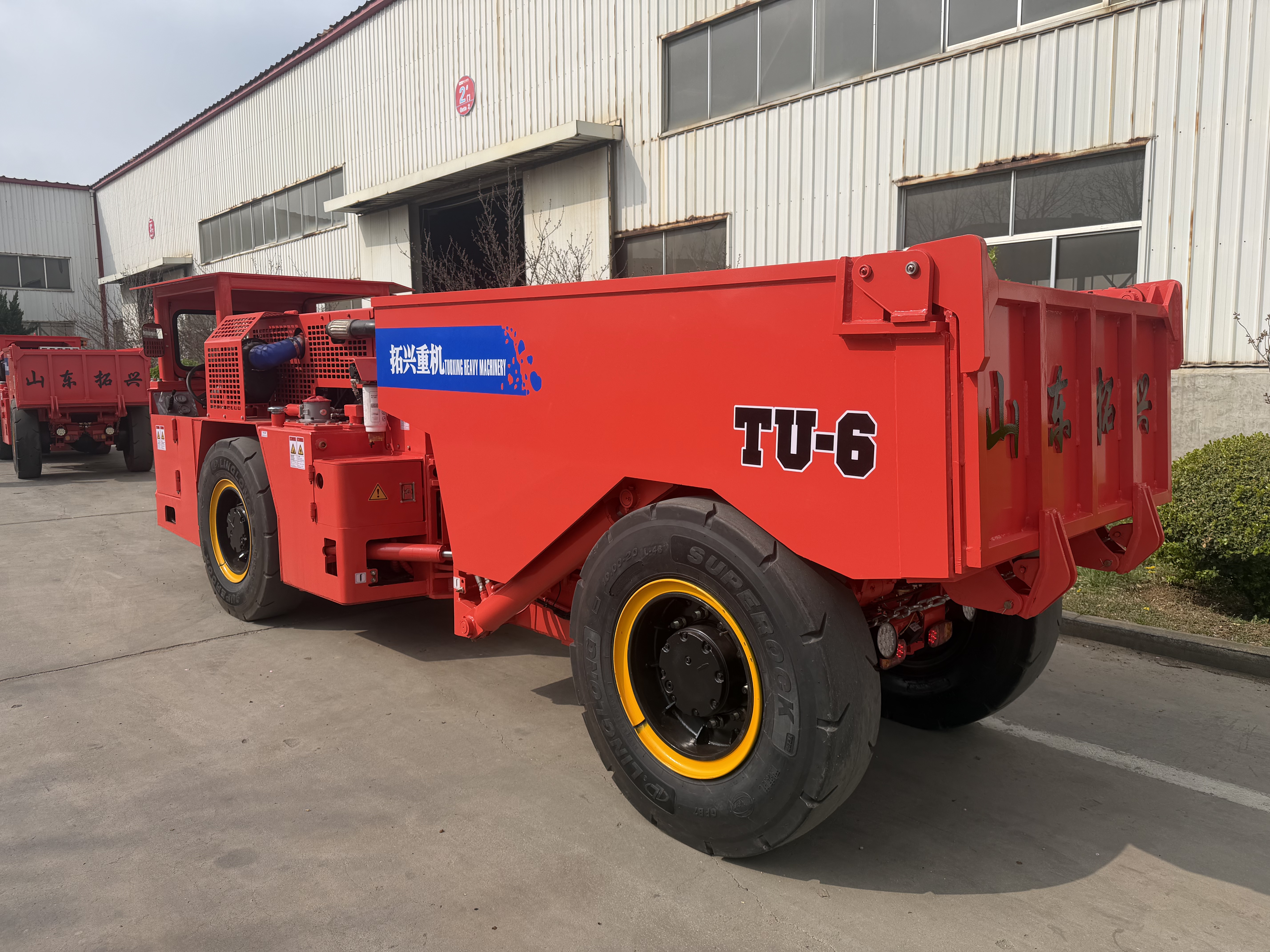
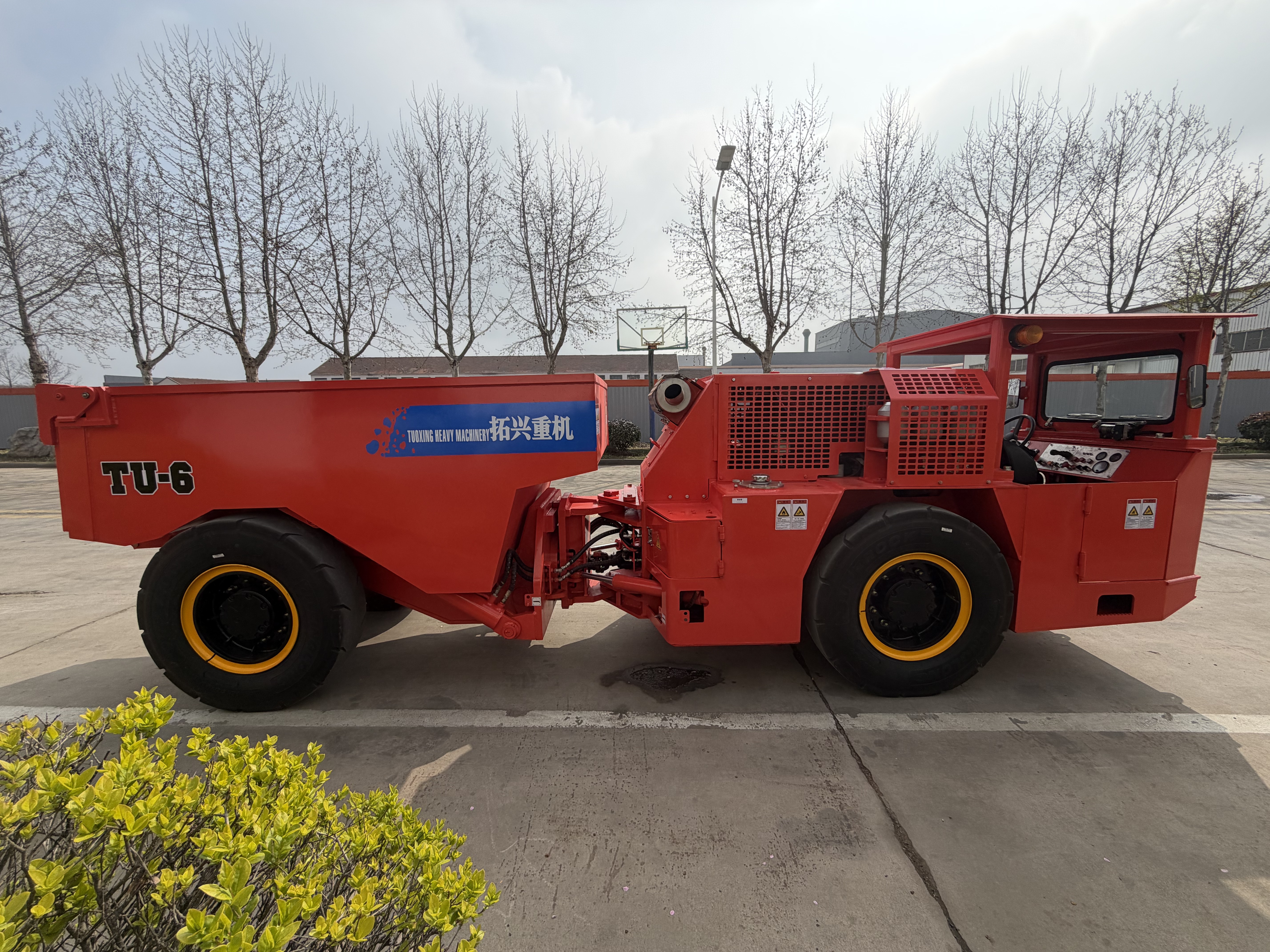
Modern mega mining machines incorporate sophisticated automation technologies that transform how operators interact with equipment and how efficiently material gets processed. The intelligent control systems featured in these machines utilize multiple sensors distributed throughout the structure to gather real-time data about position, load, hydraulic pressure, engine performance, and environmental conditions. This information feeds into central processors that analyze patterns and make instantaneous adjustments to optimize performance without operator intervention. The automation extends to bucket filling operations, where sensors detect material density and adjust digging angles to maximize payload with each scoop while minimizing wear on cutting edges and bucket components. This intelligent bucket management increases productivity by ensuring optimal loads every cycle and reduces maintenance costs by preventing overloading that accelerates component degradation. Operators benefit from intuitive touchscreen interfaces that display critical information in easily understood formats, eliminating the need to interpret complex gauges or memorize numerous settings. The control systems in mega mining machines also include programmable work modes that automatically configure hydraulic flow, engine speed, and implement response characteristics for specific tasks such as trenching, loading, or grading. Switching between these modes takes seconds, allowing operators to optimize performance for changing conditions throughout their shift without manual adjustments to individual parameters. GPS integration provides precise positioning data that enables grade control systems to automatically maintain exact depths and slopes during excavation, reducing the need for surveyors and ensuring compliance with engineering specifications. This automated grade control proves particularly valuable in preparation work where precise elevations are critical for subsequent construction phases. The remote monitoring capabilities built into mega mining machines allow fleet managers to access detailed performance data from any internet-connected device, providing visibility into fuel consumption, idle time, production rates, and maintenance requirements across entire fleets. This centralized monitoring enables data-driven decisions about equipment deployment and identifies opportunities for operator training or process improvements. Predictive maintenance algorithms analyze vibration patterns, temperature variations, and operational cycles to forecast component failures before they occur, scheduling maintenance proactively and preventing costly breakdowns that halt production and require emergency repairs.

 EN
EN