Comprehensive Data Intelligence for Informed Decision Making
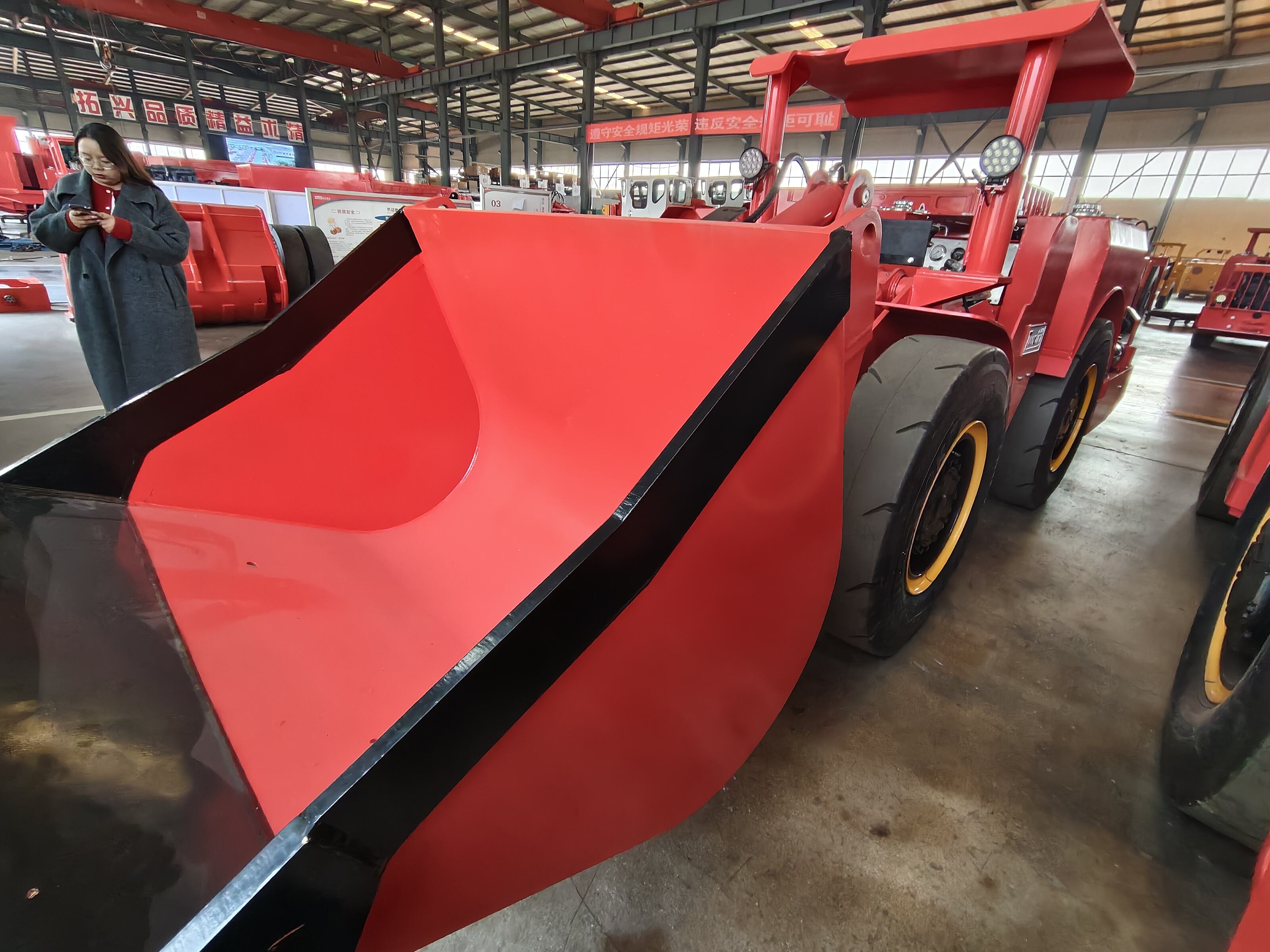
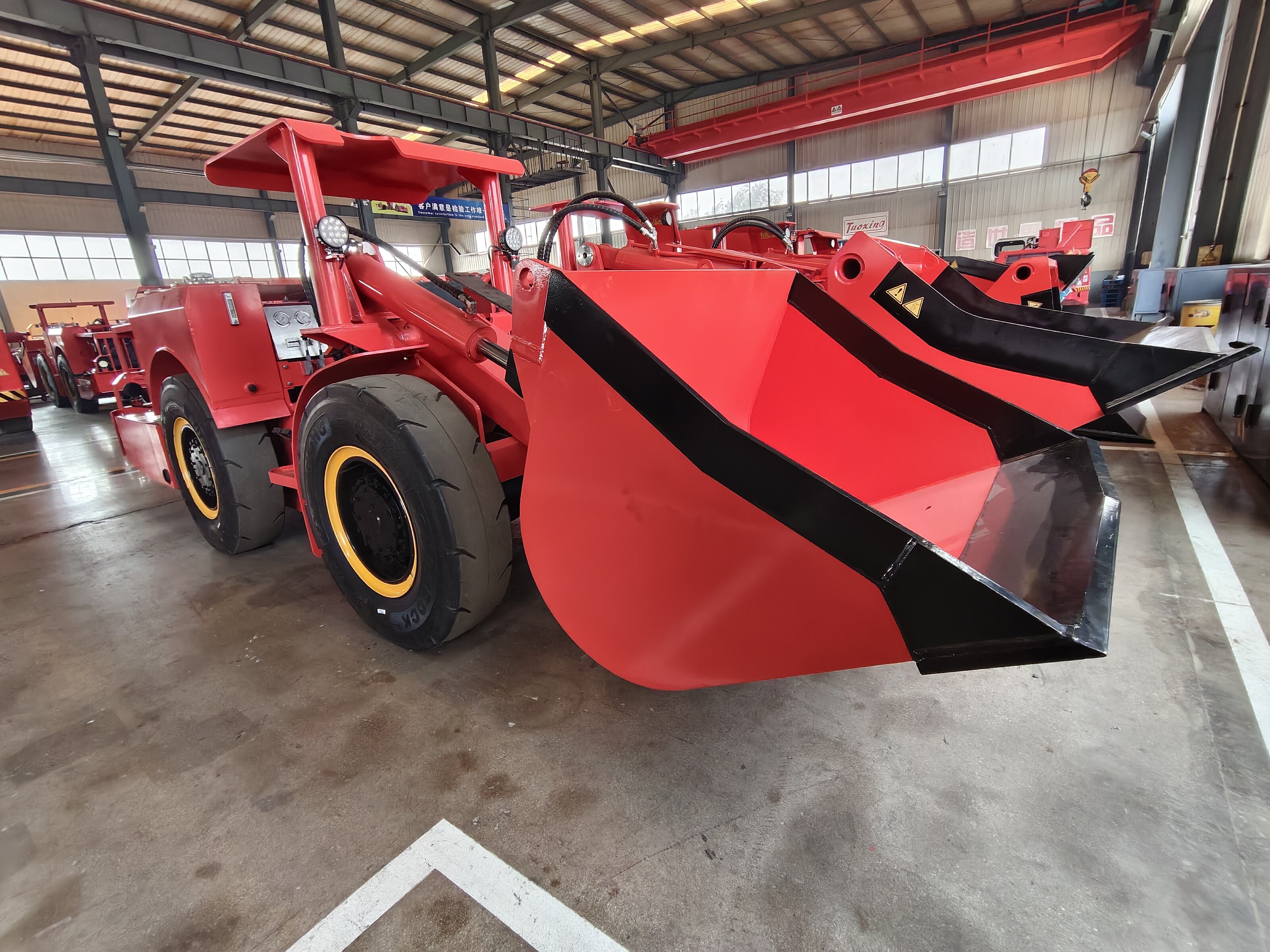
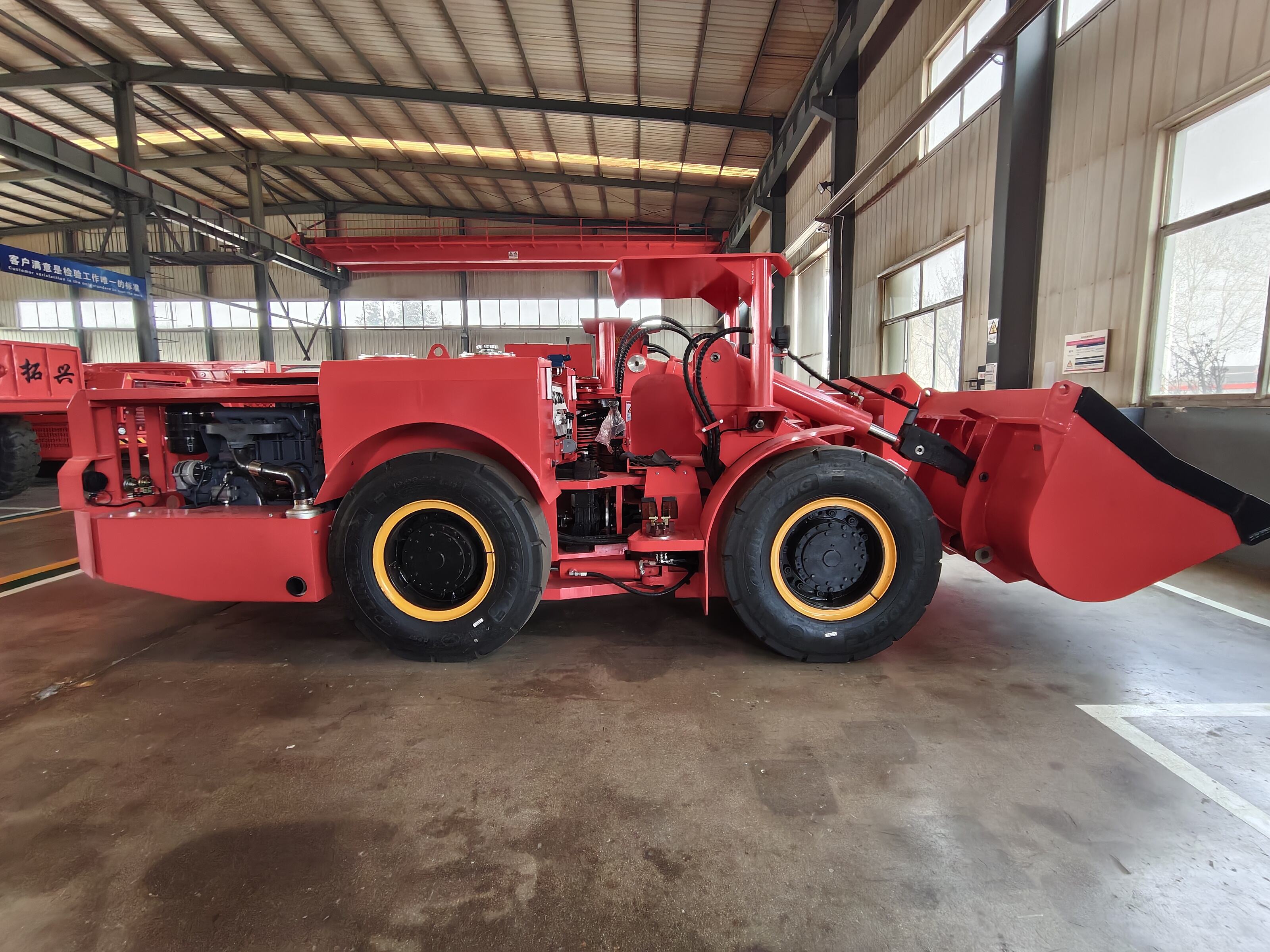
Automated mining equipment serves as sophisticated data collection platforms that transform mining operations from experience-based practices into data-driven scientific processes, providing unprecedented operational intelligence that empowers better decision making at every organizational level. Every automated machine continuously generates streams of detailed information about its performance, the materials it encounters, environmental conditions, and operational events, creating comprehensive digital records of all mining activities. This data capture happens automatically without requiring manual logging or observation, eliminating human recording errors and ensuring complete documentation of operations. Sensor arrays embedded throughout automated mining equipment monitor hundreds of parameters simultaneously, including engine performance metrics, hydraulic pressures, electrical system status, fuel consumption rates, component temperatures, vibration signatures indicating wear patterns, and GPS coordinates tracking precise positioning and movement paths. Material characterization sensors analyze the properties of ore and overburden during extraction, providing real-time geological data that helps optimize processing strategies and improves resource estimation accuracy. Production analytics derived from automated mining equipment data reveal actual cycle times, tonnage moved, equipment utilization rates, and bottlenecks limiting throughput, enabling operations managers to identify improvement opportunities and track the impact of optimization initiatives with precise measurements rather than estimates. Fleet management systems aggregate data from all automated mining equipment across an operation, providing centralized visibility into entire production systems and enabling coordinated decision making that optimizes overall performance rather than individual machine metrics. Predictive analytics applications process historical data patterns to forecast future equipment failures, production rates, and maintenance requirements, allowing proactive planning that prevents problems rather than reacting to breakdowns. Quality control monitoring through automated mining equipment sensors ensures consistent material handling and processing, detecting deviations from specifications immediately and enabling rapid corrective action before large quantities of off-spec material accumulate. Environmental compliance tracking documents dust levels, noise generation, and emissions automatically, providing auditable records that demonstrate regulatory adherence and identify opportunities for environmental performance improvement. Cost accounting becomes more accurate and granular with automated mining equipment data, as companies can track exact fuel consumption, maintenance expenses, and production volumes for each machine and operation, calculating true costs per ton and identifying the most economical operating practices. Safety analysis benefits tremendously from automated mining equipment data logging, as incident investigation teams can review detailed records of machine status, operator inputs, and environmental conditions leading up to accidents, identifying root causes and preventing recurrence. Benchmarking capabilities emerge when companies compare performance data across multiple sites, machines, and operating conditions, identifying best practices and underperforming assets that need attention. Integration with enterprise resource planning systems enables automated mining equipment data to flow into broader business intelligence platforms, connecting operational performance with financial results, inventory management, and strategic planning processes, creating unified visibility across the entire mining value chain.

 EN
EN