
 EN
EN
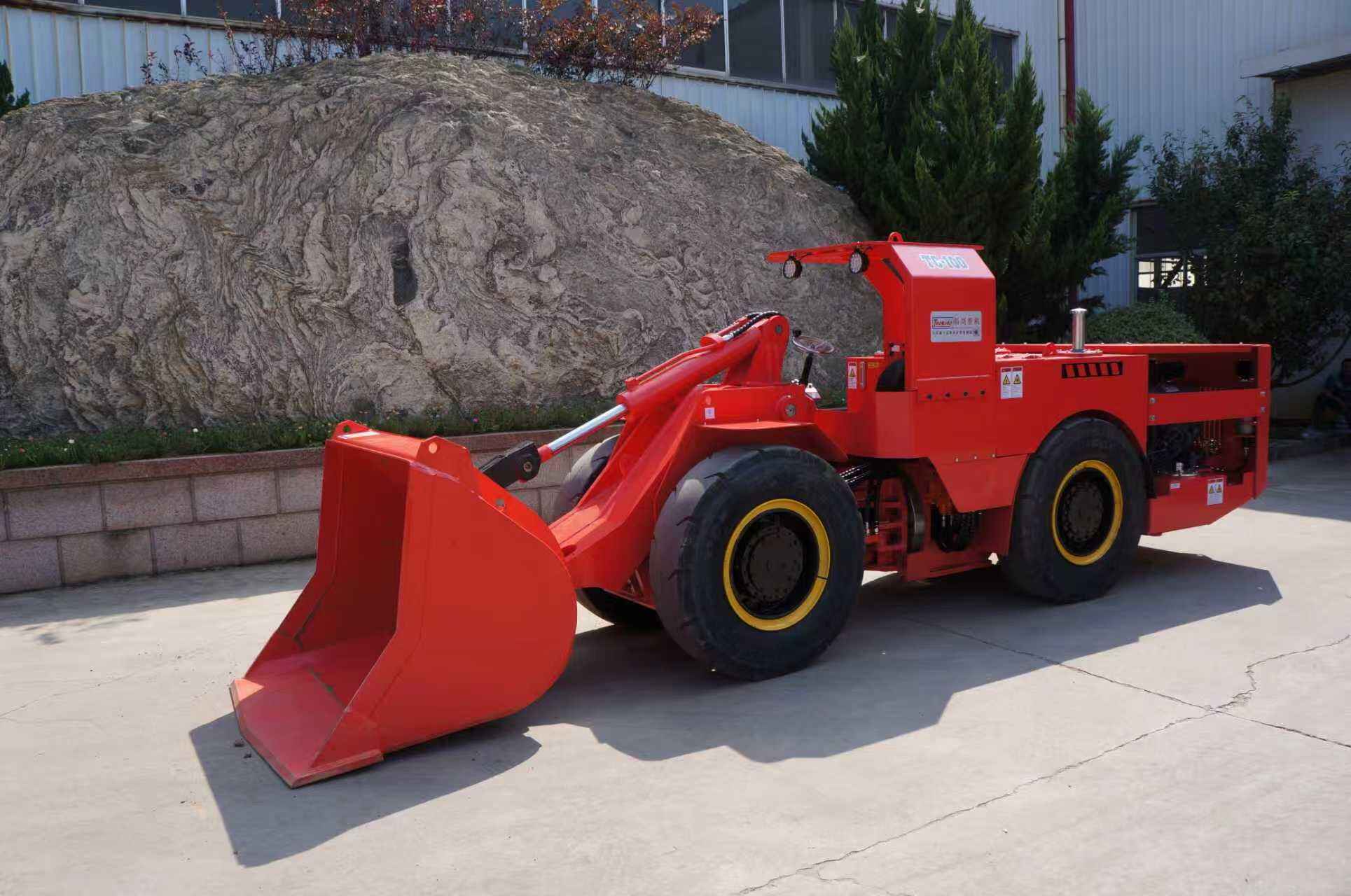
Underground mining operations demand precision, reliability, and efficiency from every piece of equipment deployed in challenging subterranean environments. The scooptram 1 cubic yard represents a crucial component in modern mining fleets, offering the perfect balance between maneuverability and hauling capacity for medium-scale operations. These versatile machines have revolutionized underground material handling by providing operators with enhanced productivity while maintaining the compact footprint necessary for confined mining spaces. Understanding the performance factors that define these machines becomes essential for mining engineers, equipment managers, and operation supervisors who must optimize their underground logistics and material movement strategies.
Engine Performance and Power Systems
Diesel Engine Specifications
The heart of any scooptram 1 cubic yard lies in its diesel engine configuration, which must deliver consistent power output while operating in demanding underground conditions. Modern units typically feature robust engines ranging from 75 to 120 horsepower, engineered specifically for continuous duty cycles in confined spaces. These engines incorporate advanced cooling systems designed to maintain optimal operating temperatures despite limited airflow in underground environments. The power-to-weight ratio becomes critical for ensuring adequate performance while maintaining the machine's ability to navigate tight tunnels and confined work areas.
Engine torque characteristics play a pivotal role in determining the scooptram's ability to handle heavy loads and navigate steep inclines commonly encountered in underground mining operations. Peak torque delivery at lower RPMs ensures efficient fuel consumption while providing the necessary pulling power for loaded operations. Advanced fuel injection systems optimize combustion efficiency, reducing emissions and extending engine life in dusty mining environments where air quality management remains paramount.
Transmission and Drive Systems
The transmission system of a scooptram 1 cubic yard significantly impacts operational efficiency and operator comfort during extended work shifts. Modern units employ powershift transmissions that enable smooth gear changes without interrupting forward momentum, crucial for maintaining productivity in time-sensitive mining operations. These transmissions feature multiple forward and reverse gears, allowing operators to select appropriate speed ranges for different operational phases, from precise positioning during loading to efficient transport during hauling cycles.
Advanced drive systems incorporate differential locks and traction control mechanisms that enhance performance on uneven surfaces and loose materials commonly found in underground mining environments. The integration of hydrostatic drive components provides precise speed control and improved fuel efficiency, particularly beneficial during extended operational periods where fuel consumption directly impacts operating costs and logistical requirements for underground refueling operations.
Bucket Design and Material Handling Capabilities
Bucket Configuration and Geometry
The bucket design of a scooptram 1 cubic yard represents a carefully engineered balance between capacity, durability, and operational versatility required for diverse underground applications. Standard bucket configurations feature reinforced construction with high-strength steel components designed to withstand the abrasive nature of rock, ore, and debris handling operations. The bucket geometry incorporates optimal angles for efficient material penetration and retention, minimizing spillage during transport while maximizing loading efficiency in confined spaces.
Cutting edge design and replaceable wear components extend bucket life and maintain consistent performance throughout the machine's operational lifecycle. Advanced bucket designs feature curved profiles that improve material flow characteristics and reduce loading forces required from the hydraulic system. The integration of side cutting edges and reinforced corners enhances durability when working with sharp or abrasive materials commonly encountered in mining operations.
Hydraulic System Performance
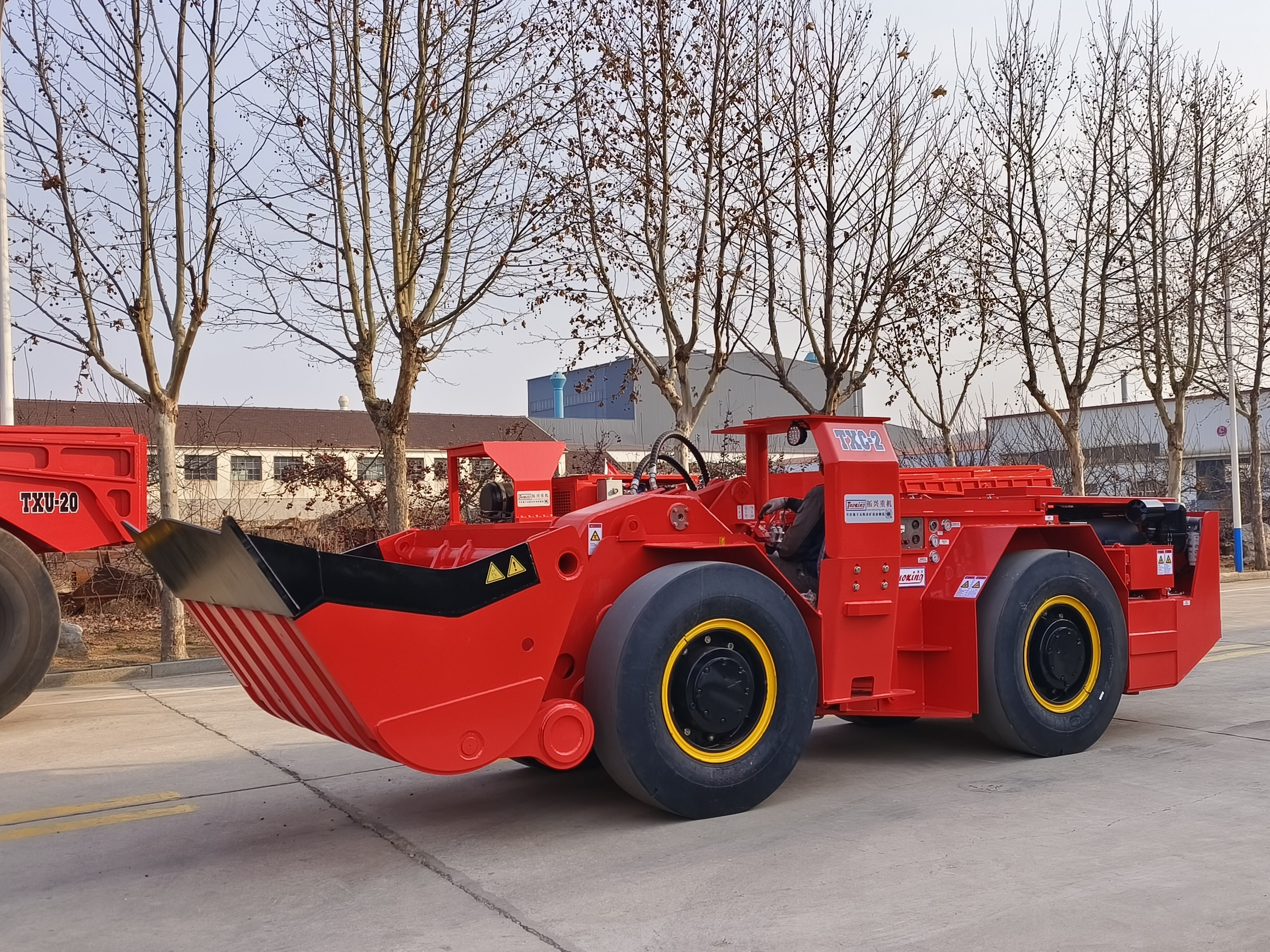
The hydraulic system powering the bucket and lift mechanisms of a scooptram 1 cubic yard determines the machine's lifting capacity, cycle times, and overall operational efficiency. High-pressure hydraulic pumps deliver the necessary force for rapid bucket filling and smooth lifting operations, while precise flow control systems enable operators to perform delicate positioning tasks when required. The hydraulic system's response characteristics directly impact productivity by minimizing cycle times and reducing operator fatigue during repetitive loading and dumping operations.
Advanced hydraulic circuits incorporate load-sensing technology that automatically adjusts system pressure based on operational demands, optimizing fuel consumption while maintaining consistent performance. Integrated cooling systems prevent hydraulic fluid overheating during intensive operations, ensuring reliable performance throughout extended work shifts. The incorporation of pressure relief valves and safety systems protects both the hydraulic components and operators from potential system failures or overload conditions.
Operational Efficiency and Productivity Metrics
Cycle Time Optimization
Cycle time represents one of the most critical performance metrics for evaluating scooptram 1 cubic yard effectiveness in underground mining operations. Efficient machines complete full loading, transport, and dumping cycles in minimal time while maintaining consistent material handling quality. Factors influencing cycle times include travel speed, turning radius, hydraulic response times, and operator visibility, all of which must be optimized for specific underground conditions and operational requirements.
Modern scooptram designs incorporate features that reduce non-productive time elements, such as improved visibility systems that enable faster positioning and enhanced transmission systems that minimize gear change delays. The integration of automated features, including bucket return-to-dig positioning and programmable hydraulic functions, further reduces cycle times while maintaining operational safety standards. Continuous monitoring systems provide real-time feedback on operational efficiency, enabling supervisors to identify opportunities for further productivity improvements.
Load Factor and Payload Management
Effective payload management ensures that each scooptram 1 cubic yard operates at optimal capacity without exceeding design limitations or compromising safety standards. The machine's ability to consistently achieve full bucket loads depends on material characteristics, operator skill, and bucket design optimization. Advanced load monitoring systems provide operators with real-time feedback on payload distribution and machine stability, preventing overloading conditions that could compromise safety or equipment longevity.
Payload distribution affects machine stability, tire wear, and overall operational safety, particularly when navigating slopes or uneven surfaces common in underground mining environments. Proper weight distribution techniques and automatic load leveling systems help maintain optimal center of gravity throughout the operational cycle. The integration of payload monitoring technology enables fleet managers to track productivity metrics and optimize material handling strategies based on actual performance data rather than theoretical calculations.
Safety Systems and Underground Compliance
Operator Protection Features
Safety systems integrated into scooptram 1 cubic yard designs prioritize operator protection while maintaining operational efficiency in challenging underground environments. Reinforced operator compartments feature rollover protection structures (ROPS) and falling object protection systems (FOPS) engineered to meet or exceed international safety standards. Advanced seating systems with shock absorption capabilities reduce operator fatigue and injury risk during extended operational periods on rough underground surfaces.
Visibility enhancement systems, including LED lighting packages and backup cameras, improve operator awareness and reduce collision risks in confined spaces where multiple machines and personnel operate simultaneously. Emergency shutdown systems and fire suppression capabilities provide additional layers of protection against potential hazards common in underground mining operations. Ergonomic control layouts reduce operator strain and improve precision during detailed maneuvering tasks required in tight underground spaces.
Environmental and Emission Controls
Modern scooptram 1 cubic yard units incorporate advanced emission control systems designed to meet stringent underground air quality requirements while maintaining optimal engine performance. Diesel particulate filters and selective catalytic reduction systems significantly reduce harmful emissions, improving air quality for underground workers and reducing ventilation system demands. These systems operate automatically without requiring operator intervention, ensuring consistent emission control throughout operational cycles.
Noise reduction technologies minimize sound levels to protect operator hearing and reduce noise pollution in confined underground spaces where sound amplification can create hazardous conditions. Advanced muffler systems and engine enclosures reduce noise transmission while maintaining engine cooling efficiency. The integration of idle management systems automatically reduces engine speed during non-productive periods, further reducing emissions and noise while extending engine life and reducing fuel consumption.
Maintenance Requirements and Service Accessibility
Preventive Maintenance Protocols
Effective maintenance protocols ensure that scooptram 1 cubic yard units maintain peak performance throughout their operational lifecycle while minimizing unexpected downtime that could disrupt mining operations. Scheduled maintenance intervals are designed around actual operating hours and conditions rather than calendar-based schedules, reflecting the demanding nature of underground mining environments. Critical maintenance points include engine oil changes, hydraulic fluid replacement, air filter servicing, and cooling system maintenance, all designed for efficient execution in underground maintenance facilities.
Advanced diagnostic systems continuously monitor critical components and provide early warning indicators for potential maintenance issues before they result in operational failures. Predictive maintenance capabilities enable maintenance teams to schedule repairs during planned downtime periods rather than responding to emergency breakdowns. The integration of remote monitoring systems allows maintenance supervisors to track machine health metrics and optimize maintenance schedules based on actual operating conditions and component wear patterns.
Component Accessibility and Serviceability
Service accessibility design considerations ensure that routine maintenance tasks can be completed efficiently in underground environments where space constraints and limited access complicate traditional maintenance procedures. Strategically positioned access panels and hinged engine compartments provide technicians with adequate working space for routine inspections and component replacement. Centralized lubrication systems reduce maintenance time requirements while ensuring consistent component protection throughout operational cycles.
Modular component design enables efficient replacement of wear items and major components without requiring extensive disassembly or specialized lifting equipment. The positioning of critical service points at accessible heights reduces maintenance time and improves technician safety during routine service operations. Advanced filtration systems extend component life and reduce maintenance frequency requirements, particularly important for operations where maintenance windows are limited and downtime costs are significant.
Technology Integration and Modern Features
Digital Control Systems
Contemporary scooptram 1 cubic yard units integrate sophisticated digital control systems that enhance operational precision while providing comprehensive performance monitoring capabilities. Electronic control modules manage engine performance, transmission shifting, and hydraulic system operation to optimize efficiency and reduce operator workload. These systems continuously adjust operational parameters based on load conditions, terrain characteristics, and operational requirements, ensuring consistent performance across varied working conditions.
Integrated display systems provide operators with real-time information about machine performance, maintenance requirements, and operational efficiency metrics. Advanced human-machine interfaces feature intuitive controls that reduce training requirements while improving operational safety through enhanced system feedback. The integration of GPS tracking and fleet management systems enables supervisors to monitor machine location, utilization rates, and performance metrics for optimized fleet deployment and maintenance scheduling.
Connectivity and Data Analytics
Modern scooptram 1 cubic yard units feature advanced connectivity systems that enable real-time data transmission for comprehensive fleet management and performance optimization. Wireless communication systems provide continuous monitoring of machine health, operational efficiency, and maintenance requirements, enabling proactive management decisions based on actual performance data. These systems integrate with mine management software to optimize material handling schedules and equipment deployment strategies.
Data analytics capabilities provide insights into operational patterns, efficiency trends, and maintenance optimization opportunities that traditional monitoring methods cannot detect. Predictive analytics algorithms identify potential issues before they impact operations, enabling maintenance teams to address concerns during scheduled downtime periods. The integration of machine learning capabilities continuously improves system performance by adapting operational parameters based on historical performance data and operational conditions.
FAQ
What factors determine the optimal engine size for a scooptram 1 cubic yard?
Engine size selection depends on several critical factors including operational cycle requirements, grade conditions, payload expectations, and fuel efficiency targets. Typically, engines ranging from 75 to 120 horsepower provide adequate power for most applications while maintaining fuel efficiency. The key consideration is matching engine torque characteristics to the specific operational demands of the mining environment, including maximum grade percentages, typical payload weights, and required travel speeds.
How does bucket design impact overall machine performance?
Bucket design significantly influences loading efficiency, material retention, and overall productivity of scooptram 1 cubic yard operations. Optimal bucket geometry ensures efficient material penetration while minimizing spillage during transport cycles. Reinforced construction with replaceable wear components maintains consistent performance while reducing long-term operating costs. The bucket's cutting edge design and side protection features directly impact durability when handling abrasive materials common in mining operations.
What maintenance intervals are recommended for underground operations?
Maintenance intervals for scooptram 1 cubic yard units in underground operations typically follow operating hour schedules rather than calendar-based timing due to varying operational intensity. Standard intervals include daily inspections, 250-hour service cycles for filters and fluids, and 500-hour intervals for major component inspections. However, harsh underground conditions may require shortened intervals, and advanced monitoring systems can provide condition-based maintenance recommendations that optimize both equipment reliability and maintenance costs.
How do modern safety systems enhance underground operation security?
Contemporary safety systems integrate multiple protection layers including operator compartment reinforcement, visibility enhancement systems, and automated emergency responses. ROPS and FOPS structures protect operators from rollover and falling object hazards, while advanced lighting and camera systems improve operational awareness. Emergency shutdown capabilities and fire suppression systems provide additional protection against potential underground hazards, and ergonomic designs reduce operator fatigue that could contribute to safety incidents.