Professional Drilling Machine in Mining Solutions - Advanced Technology for Efficient Mineral Extraction

All Categories

drilling machine in mining

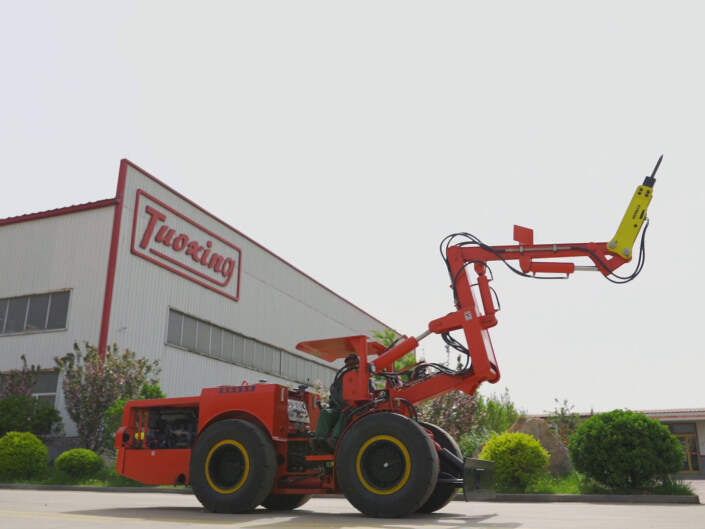
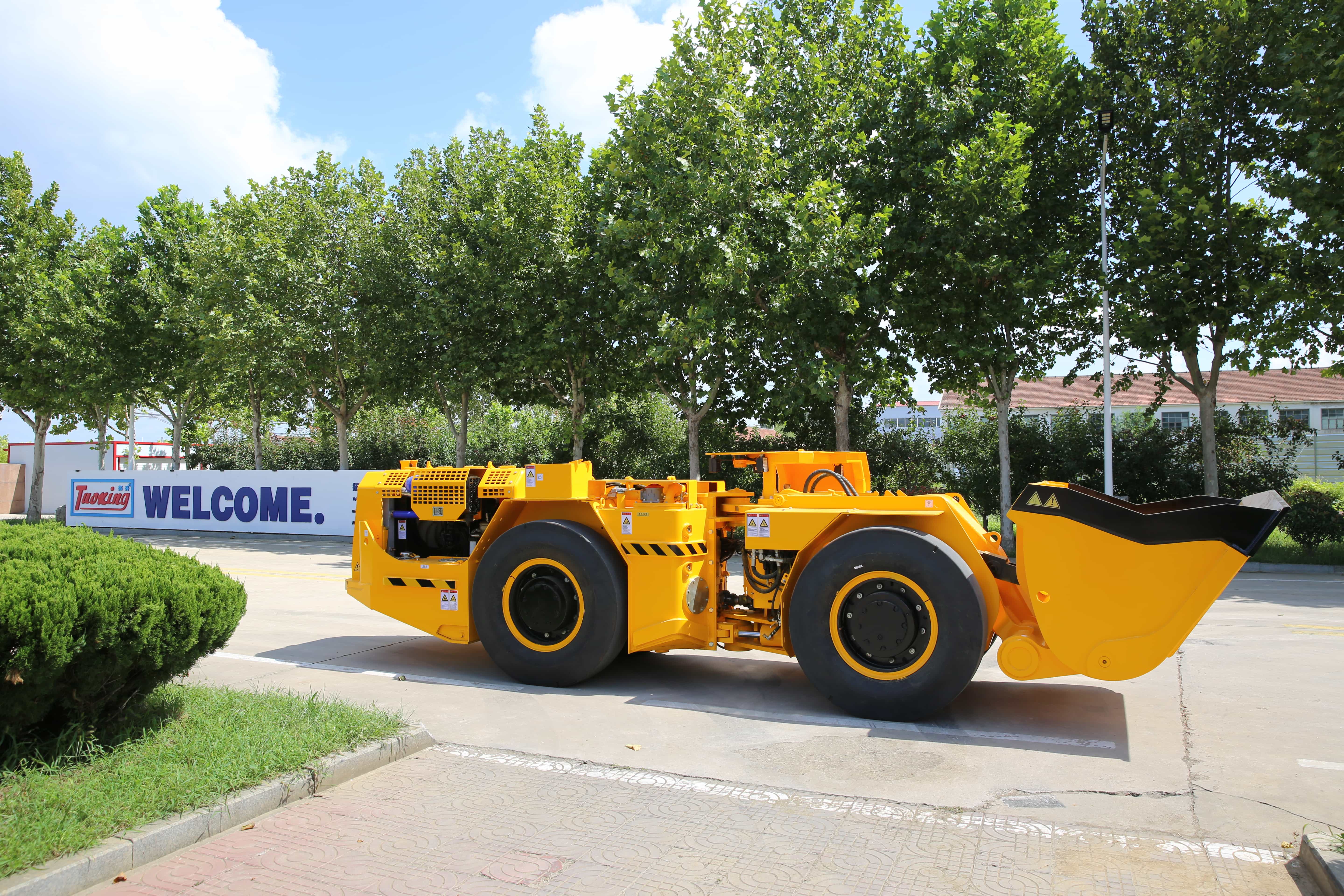
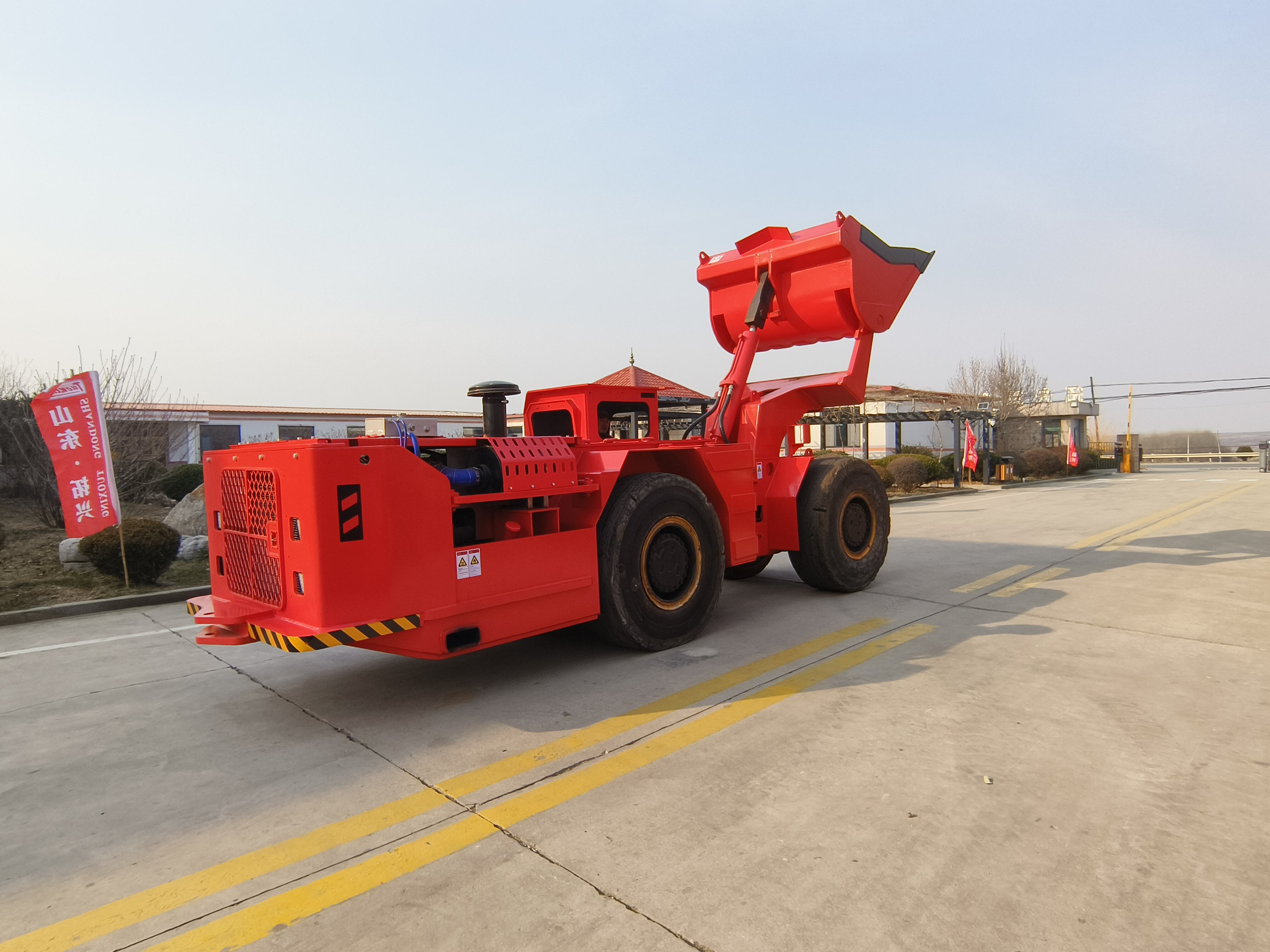
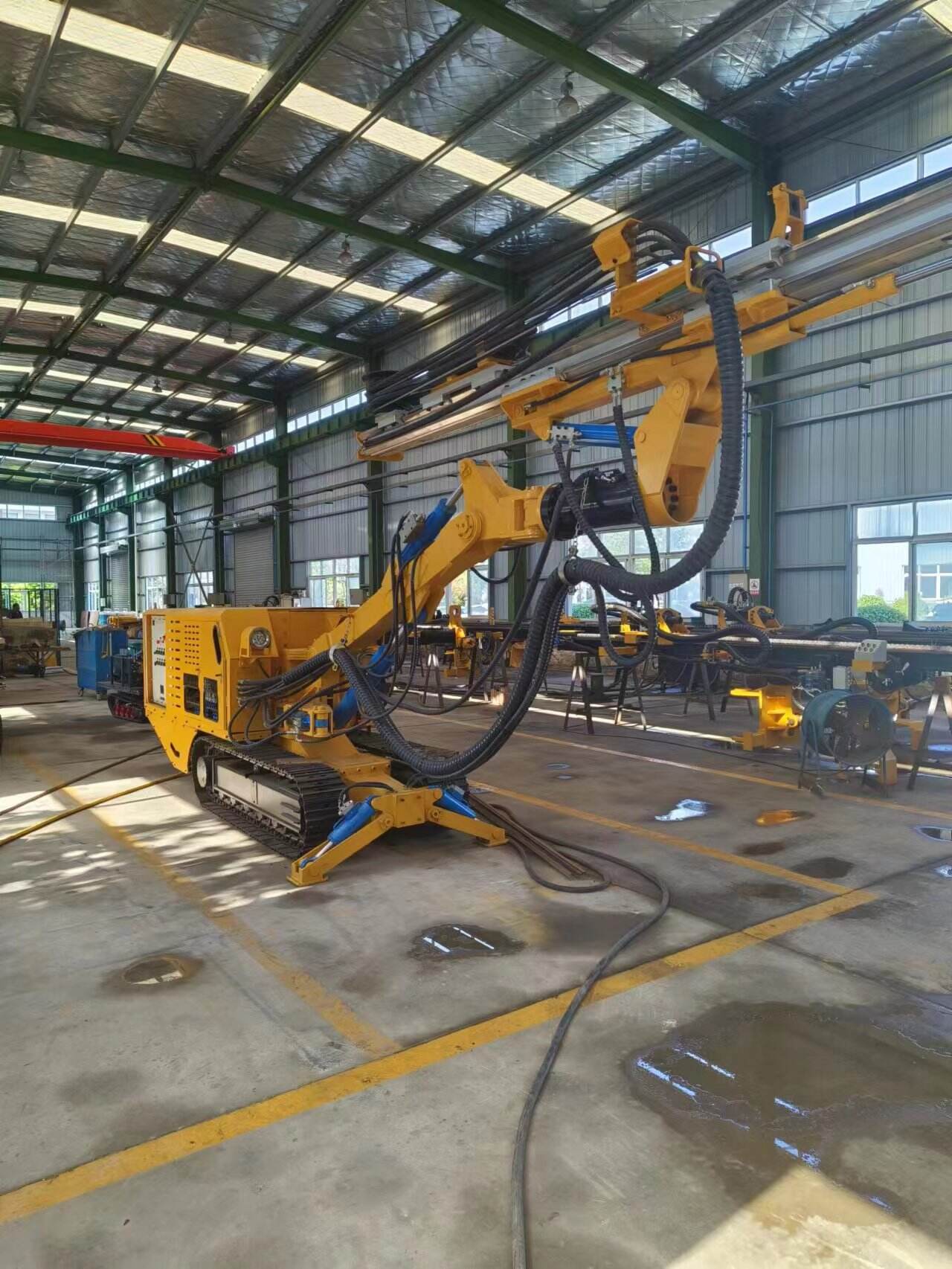
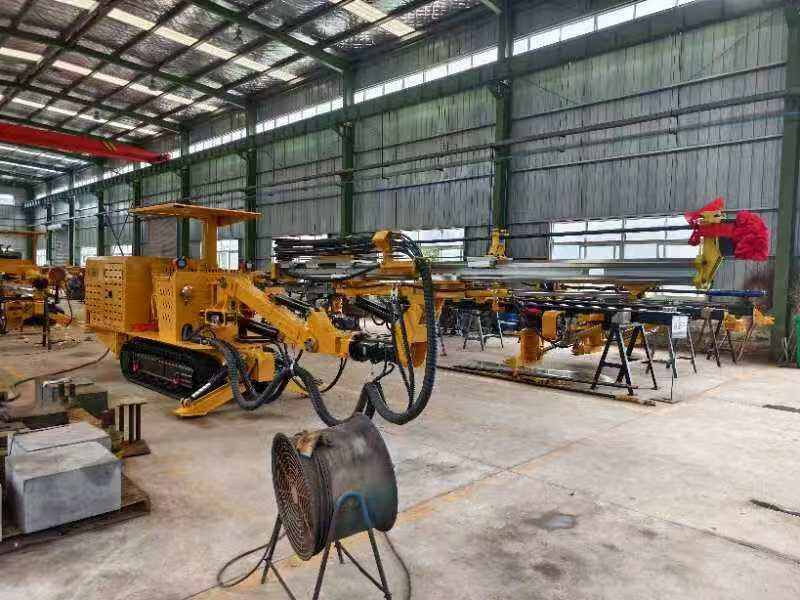
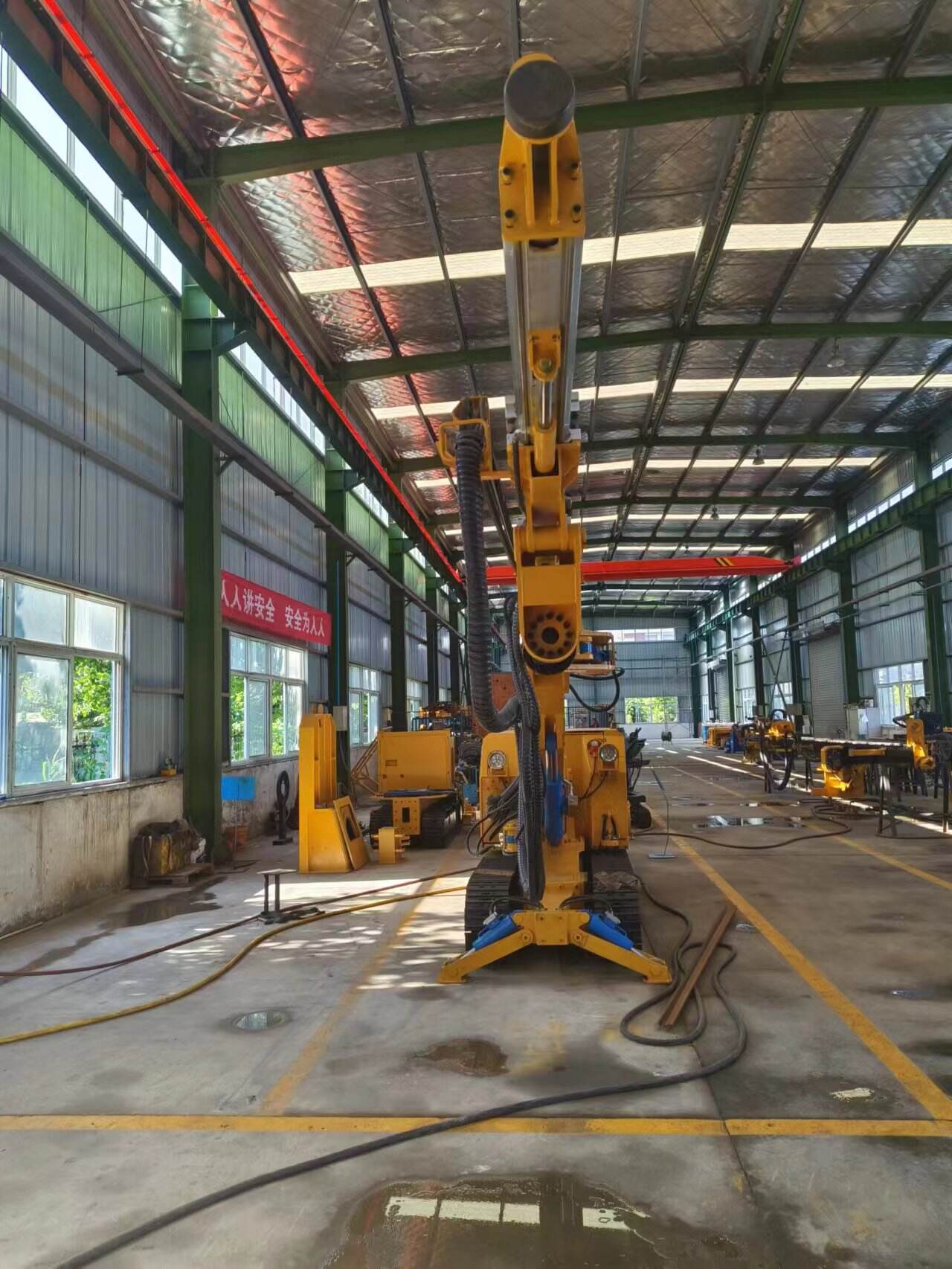
The drilling machine in mining represents a fundamental piece of equipment that has revolutionized how extraction operations are conducted across various mineral deposits worldwide. This sophisticated machinery serves as the primary tool for creating boreholes in rock formations, enabling efficient mineral extraction and exploration activities. Modern drilling machines in mining combine mechanical power with precision engineering to penetrate hard rock surfaces, creating pathways for explosive placement, core sampling, and resource assessment. These machines operate through various mechanisms including rotary drilling, percussion drilling, and combination methods that adapt to different geological conditions. The primary function of a drilling machine in mining involves boring holes of specific diameters and depths into rock strata, which serves multiple purposes from blasting preparation to geological surveying. Technological features integrated into contemporary drilling machines include automated depth control systems, hydraulic feed mechanisms, advanced dust suppression technologies, and computer-assisted operation interfaces that enhance both safety and productivity. The equipment typically consists of a power unit, drill string assembly, feed system, and control panel, all engineered to withstand harsh mining environments. Applications of drilling machines in mining span surface mining operations, underground development, exploration drilling, and production blasting preparation. In open-pit mining contexts, these machines create blast hole patterns that optimize fragmentation and material movement efficiency. Underground mining operations utilize specialized drilling machines for tunnel advancement, roof bolting, and ore body delineation. The versatility of drilling machines allows operators to adjust parameters such as rotation speed, penetration rate, and thrust force according to rock hardness and operational requirements. Modern drilling machines incorporate safety features including operator cabins with filtration systems, emergency shutdown mechanisms, and stability monitoring equipment that protects workers while maximizing operational uptime in demanding mining environments.

New Product Recommendations

Mining operations benefit tremendously from implementing advanced drilling machines that deliver practical advantages affecting daily productivity and long-term profitability. The first major benefit centers on operational efficiency, as modern drilling machines complete boreholes significantly faster than manual methods or older equipment models. This speed advantage translates directly into reduced project timelines and lower labor costs per meter drilled. Operators can complete drilling patterns in hours rather than days, allowing blasting schedules to proceed without delays that disrupt production flow. The precision offered by drilling machines in mining ensures that boreholes align with planned patterns, which optimizes explosive placement and improves fragmentation quality. Better fragmentation means easier material handling, reduced crushing requirements, and smoother processing operations downstream. Cost savings emerge as another compelling advantage, since efficient drilling reduces fuel consumption, minimizes equipment wear, and decreases the need for support personnel. Automated features built into drilling machines reduce operator fatigue while maintaining consistent performance throughout shifts, which enhances both safety and output quality. The reliability of purpose-built drilling machines means fewer breakdowns and maintenance interruptions compared to improvised or outdated alternatives. This dependability keeps operations running smoothly and prevents costly production stoppages. Safety improvements represent perhaps the most valuable advantage, as enclosed operator cabins protect workers from dust exposure, noise pollution, and falling debris. Remote control capabilities available on advanced drilling machines allow operators to work from safe distances when drilling in unstable ground conditions. The stability systems integrated into these machines prevent tipping accidents on uneven terrain, while automatic shutdown features respond instantly to detected hazards. Environmental benefits also matter to responsible mining companies, and modern drilling machines incorporate dust collection systems that minimize airborne particles affecting both workers and surrounding communities. Reduced noise output from sound-dampened engines makes operations more acceptable in areas near residential zones. Fuel efficiency improvements in newer drilling machines lower carbon emissions while reducing operational expenses. Versatility adds another practical advantage, as quality drilling machines adapt to various rock types, hole diameters, and drilling angles without requiring extensive reconfiguration. This flexibility allows mining operations to respond quickly to changing geological conditions or adjusted mining plans. The data collection capabilities of computerized drilling machines provide valuable information about rock properties, penetration rates, and equipment performance that informs planning decisions and maintenance scheduling. Training requirements decrease with user-friendly control systems that simplify operation without sacrificing functionality. Investment in quality drilling machines delivers returns through extended equipment lifespan, higher resale values, and reduced total ownership costs compared to budget alternatives that require frequent replacement.

Practical Tips

What Safety Features Are Essential in Modern Underground LHD Loaders?

11

Dec

What Safety Features Are Essential in Modern Underground LHD Loaders?

Underground mining operations present unique challenges that demand specialized equipment designed with safety as the paramount concern. Underground LHD loaders have evolved significantly over the decades, incorporating advanced safety technologies t...
View More
Why Some Mines Still Choose Diesel Over Electric Underground Trucks

18

Mar

Why Some Mines Still Choose Diesel Over Electric Underground Trucks

The underground mining industry stands at a technological crossroads where electric vehicle adoption accelerates across surface operations, yet many mine operators continue selecting diesel-powered underground mining trucks for their critical hauling...
View More
Mining’s Next Frontier: How 5G and Remote-Controlled Underground LHDs Are Revolutionizing Underground Operations

18

Mar

Mining’s Next Frontier: How 5G and Remote-Controlled Underground LHDs Are Revolutionizing Underground Operations

The mining industry stands at a transformative crossroads where cutting-edge telecommunications technology meets advanced underground equipment automation. This revolution centers on the deployment of 5G networks paired with remote-controlled undergr...
View More
The Science of Climbing: How Drivetrain Design Determines Underground Truck Performance on Steep Ramps

18

Mar

The Science of Climbing: How Drivetrain Design Determines Underground Truck Performance on Steep Ramps

When underground operations push deeper into the earth, the challenges of moving materials up steep gradients become exponentially complex. The ability of an underground truck to conquer challenging ramps isn't just about raw power—it's fundamentally...
View More

Get a Free Quote

Our representative will contact you soon.
Email
Name
Company Name
Message
0/1000

drilling machine in mining

Enhanced Productivity Through Advanced Automation Technology

Enhanced Productivity Through Advanced Automation Technology

The drilling machine in mining has evolved into a sophisticated automated system that dramatically increases productivity while reducing human error and operational complexity. Modern automation features transform how mining operations approach drilling tasks by integrating intelligent control systems that optimize every aspect of performance. Automated rod handling systems eliminate manual lifting and positioning, which previously consumed significant time and exposed workers to injury risks. These systems automatically feed drill rods into position, connect them precisely, and manage the entire drill string without human intervention. The automation extends to depth control mechanisms that monitor penetration progress in real-time, adjusting feed pressure and rotation speed to maintain optimal drilling parameters regardless of changing rock conditions. This adaptive response ensures consistent penetration rates and prevents equipment damage that occurs when operators manually misjudge ground hardness transitions. Computer interfaces provide operators with comprehensive data displays showing hole depth, penetration rate, hydraulic pressure, engine performance, and maintenance alerts all on single screens that simplify monitoring. Preset drilling patterns can be programmed into the control system, allowing the drilling machine to position itself accurately at each hole location following GPS coordinates or laser guidance systems. This automation eliminates measurement errors and ensures blast hole patterns match engineering specifications exactly. The productivity gains become especially apparent in large-scale operations where drilling machines complete hundreds of holes daily. Automated systems work consistently throughout shifts without performance degradation from fatigue, maintaining the same efficiency during hour twelve as hour one. Remote operation capabilities represent another automation advantage, enabling skilled operators to control multiple drilling machines from centralized locations. This multiplier effect means one experienced operator can supervise several machines simultaneously, dramatically improving labor efficiency while concentrating expertise where it delivers maximum value. Automated maintenance monitoring systems track component wear, fluid levels, and performance indicators, alerting operators before failures occur. This predictive approach prevents unexpected breakdowns that halt production and allows maintenance to be scheduled during planned downtime rather than emergency situations. The integration of automation in drilling machines also improves safety by removing operators from direct exposure to drilling hazards, reducing physical strain from repetitive tasks, and ensuring consistent adherence to safety protocols through programmed operational limits. Training becomes more efficient as intuitive automated systems reduce the learning curve for new operators while standardizing procedures across entire fleets. The data generated by automated drilling machines provides mining engineers with detailed records of ground conditions, equipment performance, and operational efficiency that inform strategic decisions about resource allocation and process improvements.
Superior Penetration Power for Diverse Geological Formations

Superior Penetration Power for Diverse Geological Formations

The drilling machine in mining distinguishes itself through exceptional penetration capabilities that handle diverse rock types and challenging geological conditions encountered across different mining environments. Engineering advances in hydraulic systems, percussion mechanisms, and drill bit technology combine to deliver penetration power that overcomes the hardest formations efficiently. Hydraulic feed systems generate tremendous downward thrust, applying controlled force that maintains steady advancement through dense rock strata. This hydraulic power adjusts automatically to rock resistance, increasing pressure when encountering harder formations and moderating force in softer materials to prevent equipment damage and optimize energy consumption. Percussion drilling mechanisms integrated into many mining drilling machines deliver rapid hammer blows that fracture rock ahead of the rotating bit, effectively pulverizing hard formations that would resist pure rotary drilling. The combination of rotation and percussion creates a synergistic effect where each action enhances the other, breaking rock more efficiently than either method alone. Advanced drill bit designs featuring tungsten carbide inserts, diamond-impregnated surfaces, or polycrystalline diamond compact cutters maintain cutting effectiveness through extended drilling sessions in abrasive rock. These premium bits resist wear that quickly dulls inferior alternatives, maintaining penetration rates throughout their service life and reducing downtime for bit changes. The power systems driving drilling machines deliver sufficient torque and rotation speed to turn large-diameter bits through resistant formations, with variable speed controls allowing operators to optimize rotation for specific rock types. High-capacity engines provide reliable power output even in demanding conditions, with fuel injection systems and turbochargers maintaining performance at various altitudes and temperatures encountered across global mining locations. Cooling systems prevent overheating during extended drilling sessions, incorporating large-capacity radiators, efficient fans, and temperature monitoring that protects components from thermal damage. The structural strength of drilling machines ensures that penetration forces transfer efficiently from the power head through the feed system to the drill string without flexing or vibration that wastes energy and reduces accuracy. Reinforced frames constructed from high-grade steel withstand the continuous stresses of drilling operations, providing stable platforms that maintain alignment throughout the deepest holes. Stabilization systems including hydraulic outriggers and leveling jacks ensure the drilling machine remains solid on uneven ground, preventing tipping that could damage equipment or endanger operators. This stability proves critical when drilling angled holes or working on slopes where lesser machines would struggle. The versatility of penetration systems allows drilling machines to tackle various applications from shallow blast holes in soft overburden to deep exploration holes in competent rock, adapting to each challenge without requiring specialized equipment.
Comprehensive Safety Features Protecting Operators and Equipment

Comprehensive Safety Features Protecting Operators and Equipment

Safety considerations drive the design of modern drilling machines in mining, with comprehensive protective features that safeguard operators, nearby personnel, and the equipment itself throughout demanding operational conditions. Enclosed operator cabins represent the first line of defense, providing climate-controlled environments isolated from dust, noise, and environmental hazards. These cabins incorporate reinforced structures that protect operators from falling rocks, rollover incidents, and impact events, meeting international safety standards for mobile mining equipment. Pressurized cabin atmospheres work with advanced filtration systems to prevent dust infiltration, ensuring operators breathe clean air even when drilling generates substantial airborne particles. Soundproofing materials and acoustic insulation reduce noise exposure to safe levels, preventing hearing damage during extended shifts while allowing clear communication through integrated radio systems. Visibility enhancements including large windows, external cameras, and LED lighting arrays ensure operators maintain complete awareness of their surroundings, identifying potential hazards before they cause incidents. Emergency shutdown systems provide multiple mechanisms for immediately halting all machine functions, with prominent buttons located within easy reach and remote emergency stops accessible to ground personnel. Automatic safety interlocks prevent equipment operation when critical conditions exist, such as outriggers not fully deployed, cabin doors open, or hydraulic pressures outside safe parameters. These interlocks eliminate human error by making unsafe operation physically impossible. Fire suppression systems detect and respond to engine compartment fires automatically, deploying extinguishing agents before flames spread or cause catastrophic damage. Regular maintenance of these systems ensures readiness when emergencies occur. Stability monitoring systems continuously assess ground conditions and machine angles, warning operators when approaching dangerous tilt angles and automatically limiting certain functions that could worsen instability. This technology prevents rollovers on challenging terrain where visual assessment alone might miss danger signs. The drilling machine incorporates numerous guards and barriers around moving components, preventing contact with rotating drill strings, hydraulic cylinders, and drive mechanisms that could cause severe injuries. Interlocked access panels ensure these protective barriers remain in place during operation while allowing safe maintenance access when machines are properly shut down. Emergency egress features including secondary exits and quick-release mechanisms allow rapid cabin evacuation if primary doors become blocked or damaged. Clearly marked escape routes and illuminated emergency lighting ensure operators can exit safely even in darkness or smoke conditions. Training systems integrated into drilling machines include simulation modes that allow new operators to develop skills without actual drilling, reducing learning-related incidents. Operational data recorders capture equipment usage patterns, allowing safety managers to identify risky behaviors and provide targeted training interventions. Communication systems ensure operators maintain constant contact with supervisors and support personnel, enabling quick response to developing situations and coordinating activities around the drilling area. Warning systems including audible alarms, flashing lights, and proximity sensors alert nearby personnel when the drilling machine moves or operates, preventing accidents involving support vehicles or ground workers. The comprehensive safety approach extends to maintenance procedures, with service platforms, handrails, and secure access points allowing technicians to perform necessary work without improvised access methods that create fall hazards.


Get a Free Quote

Our representative will contact you soon.
Email
Name
Company Name
Message
0/1000