
 EN
EN
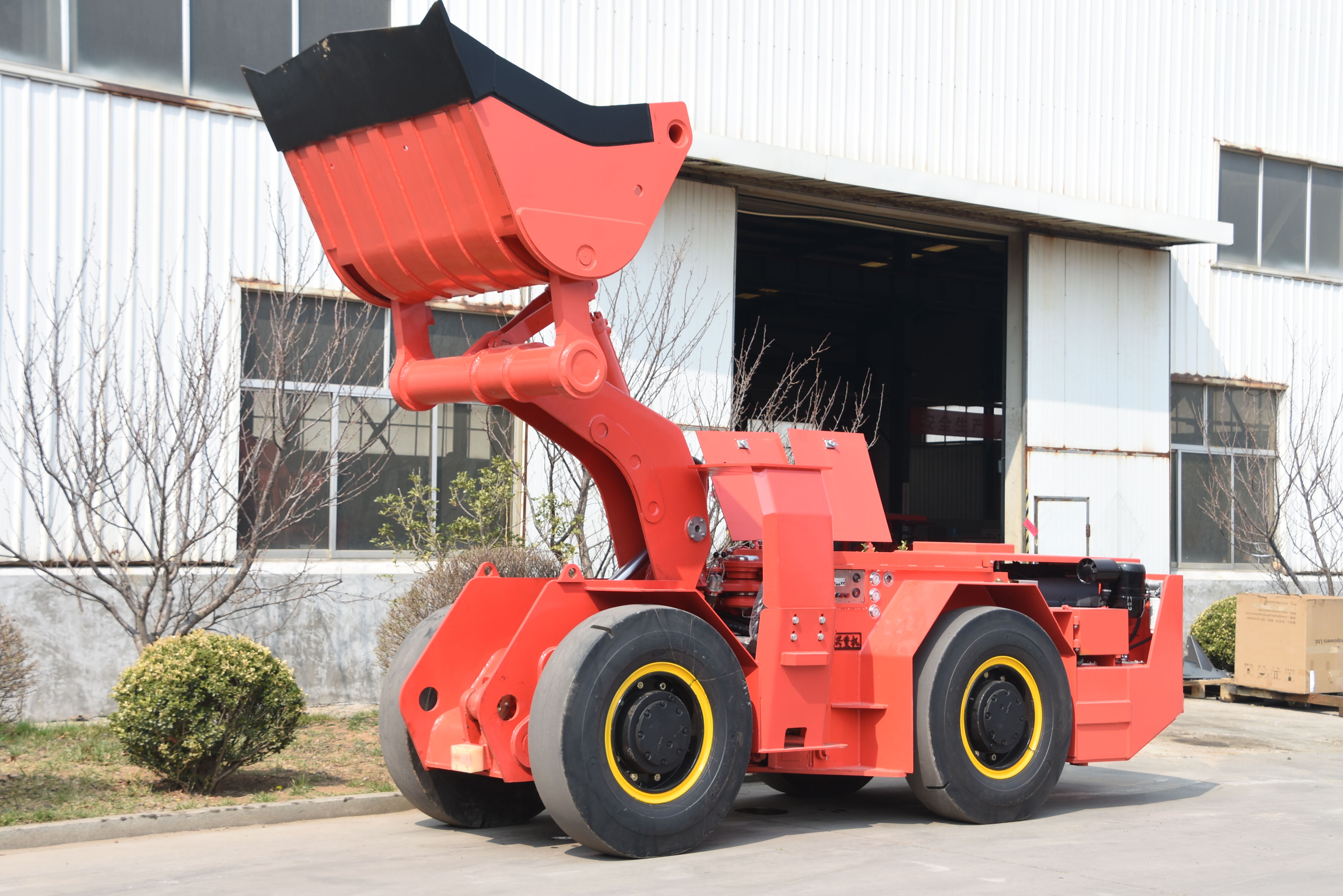
Underground mining operations face critical equipment selection decisions that directly impact productivity, safety, and operational costs. When evaluating LHD vs excavator options, mining engineers must consider the unique challenges of subterranean environments, including limited space, ventilation constraints, and the need for continuous material movement. The choice between load-haul-dump vehicles and excavators fundamentally shapes a mine's operational workflow and determines long-term success in extracting valuable resources from underground deposits.
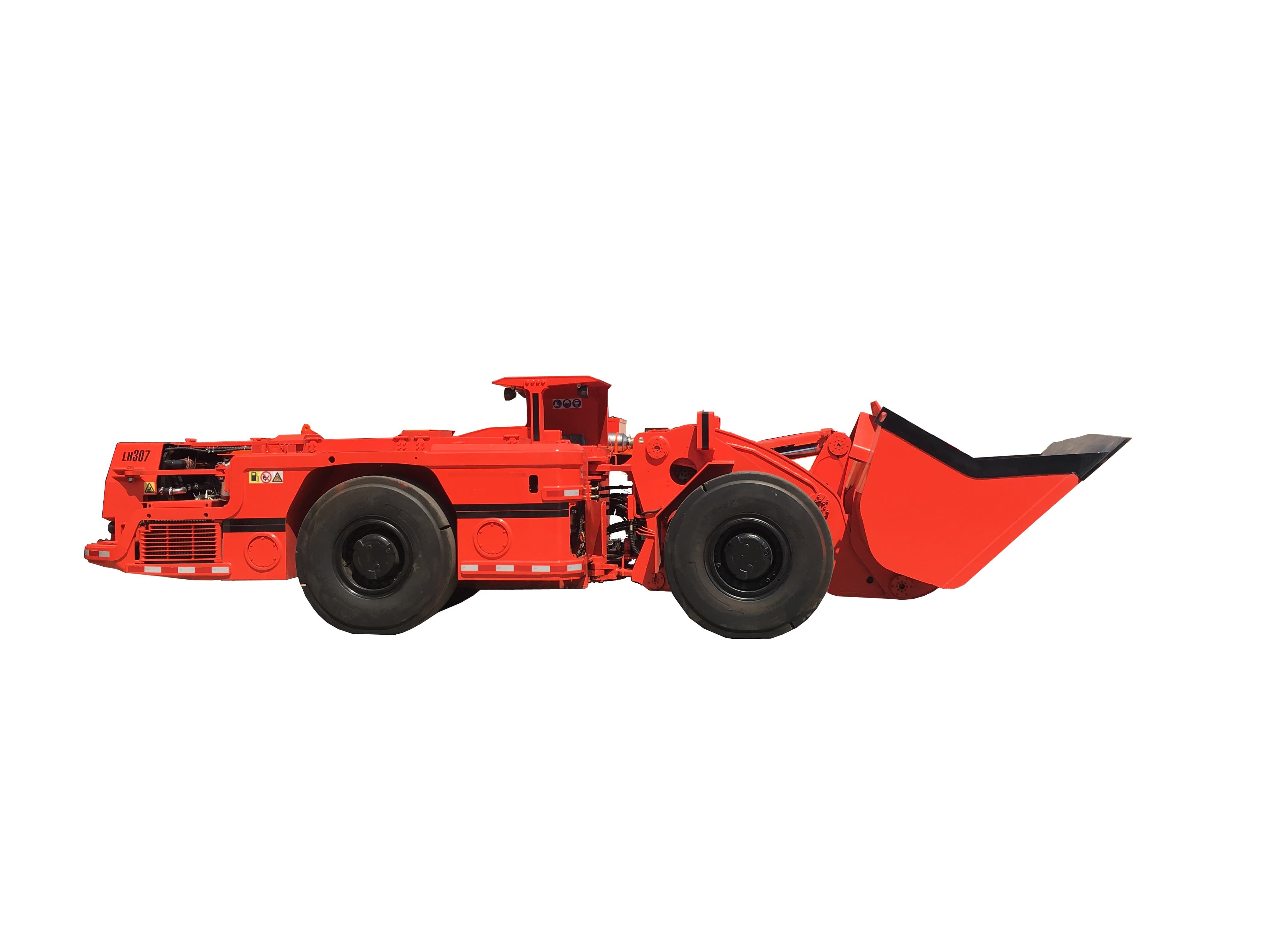
The LHD vs excavator decision stems from fundamental differences in how these machines operate within confined underground spaces. LHDs excel in continuous cyclic operations where loading, hauling, and dumping occur as integrated functions, while excavators provide superior digging power and precision for specific mining tasks. Understanding why mines select one technology over another requires examining operational requirements, spatial constraints, and the strategic goals that drive underground mining success.
Operational Mobility Requirements Drive Equipment Choice
Underground Space Navigation Capabilities
Underground mines prioritize equipment that can navigate narrow tunnels, tight corners, and variable grade conditions with minimal operational disruption. LHDs demonstrate superior maneuverability in confined spaces due to their articulated steering systems and compact wheelbase designs. These vehicles can operate effectively in tunnel widths as narrow as 3.5 meters, making them ideal for development headings and stope access where space optimization is critical.
Excavators require significantly more operational space and typically need wider access tunnels to accommodate their swing radius and track movement. The LHD vs excavator comparison reveals that excavators work best in larger underground chambers or when positioned in fixed locations with adequate clearance. Their limited mobility makes them less suitable for dynamic underground environments where equipment must frequently relocate to follow ore bodies or development faces.
The mobility advantage of LHDs extends beyond simple navigation to include their ability to reverse operations without complex repositioning. Underground mines benefit from this bidirectional capability when working in dead-end development headings where turning space is limited. Excavators, by contrast, often require additional infrastructure or positioning assistance to change operational orientation in tight underground spaces.
Multi-Function Integration Benefits
LHDs integrate multiple operational functions within a single machine platform, eliminating the need for separate loading and hauling equipment in many underground applications. This integration reduces equipment fleet complexity and simplifies maintenance requirements while providing continuous material flow from excavation points to dump locations. The LHD vs excavator analysis shows that this multi-function capability directly translates to reduced labor costs and simplified operational coordination.
Excavators excel in pure digging and loading functions but require additional equipment for material transport, creating more complex operational sequences. Underground mines choosing excavators must coordinate multiple machine types to achieve complete material handling cycles, which can introduce bottlenecks and increase operational complexity. However, this specialization allows excavators to achieve superior digging performance in applications where pure excavation power takes precedence over mobility.
The integrated approach of LHDs proves particularly valuable in underground development operations where continuous advancement requires simultaneous mucking, support installation, and material transport. These operations benefit from the seamless workflow that LHDs provide, while excavator-based systems may experience delays during equipment changeovers and positioning.
Production Volume and Cycle Time Considerations
Continuous Material Flow Advantages
Underground mines selecting between LHD vs excavator options must evaluate how each technology impacts overall production throughput and operational efficiency. LHDs enable continuous material flow by combining loading and hauling functions within single operational cycles, reducing the idle time associated with equipment coordination and material transfer points. This seamless integration proves especially valuable in mines where maintaining steady production rates is critical to meeting output targets.
Excavators typically achieve higher instantaneous loading rates due to their powerful hydraulic systems and larger bucket capacities, but they require coordination with separate hauling equipment to complete material transport cycles. The LHD vs excavator comparison reveals that while excavators may outperform in pure digging metrics, the overall system productivity depends on the effectiveness of equipment coordination and material handling integration.
The cycle time advantages of LHDs become particularly pronounced in smaller underground operations where the overhead of coordinating multiple equipment types outweighs the pure digging advantages of excavator-based systems. These mines benefit from the operational simplicity and reduced coordination requirements that LHD vs excavator selection provides when choosing integrated loading and hauling solutions.
Operational Flexibility and Responsiveness
LHDs provide superior operational flexibility in underground environments where mining conditions change frequently and equipment must adapt to varying geological conditions, tunnel configurations, and production requirements. Their ability to quickly relocate between work areas and adjust to different operational tasks makes them ideal for mines with dynamic production schedules or multiple active work faces requiring equipment sharing.
Excavators offer less operational flexibility due to their specialized function and limited mobility, but they provide superior performance consistency in applications where their specific capabilities align with operational requirements. The LHD vs excavator decision often hinges on whether mines prioritize operational adaptability or specialized performance in specific applications.
Underground operations that require rapid response to changing conditions, emergency cleanups, or opportunistic mining activities typically favor LHDs for their ability to quickly deploy to different locations and perform various material handling tasks without extensive setup or repositioning requirements.
Maintenance and Operational Cost Factors
Maintenance Complexity and Accessibility
The LHD vs excavator maintenance comparison reveals significant differences in service requirements, parts accessibility, and overall maintenance complexity that directly impact operational costs and equipment availability. LHDs typically feature more accessible service points and simpler hydraulic systems that can be maintained by general mining maintenance crews without specialized excavator expertise, reducing the need for specialized technicians and external service contracts.
Excavators require more specialized maintenance expertise due to their complex hydraulic systems, sophisticated control systems, and precision excavation components. Underground mines must either develop internal excavator maintenance capabilities or rely on external service providers, which can increase maintenance costs and potentially extend equipment downtime during service intervals.
The confined space constraints of underground mines can complicate excavator maintenance activities, as these machines often require more extensive disassembly and specialized lifting equipment for major service procedures. LHDs generally accommodate maintenance requirements within underground workshops more readily due to their design for underground service access and component replacement procedures.
Total Cost of Ownership Analysis
Underground mines evaluating LHD vs excavator options must consider comprehensive total cost of ownership factors including initial equipment costs, ongoing maintenance expenses, operational efficiency impacts, and equipment lifecycle considerations. LHDs often present lower total ownership costs in applications where their operational flexibility and maintenance simplicity outweigh any pure productivity disadvantages compared to specialized excavator systems.
The cost analysis extends beyond equipment purchase prices to include infrastructure requirements, as excavators may require additional underground facilities for maintenance, storage, and operational support compared to LHDs that can operate with existing underground infrastructure. These infrastructure costs can significantly impact the overall economics of excavator selection in underground applications.
Energy consumption patterns also influence the LHD vs excavator cost comparison, as the integrated operation of LHDs can provide energy efficiency advantages in applications where continuous material transport reduces overall energy consumption per ton of material moved. Excavator systems may consume more total energy when accounting for separate loading and hauling operations required to complete material handling cycles.
Safety and Environmental Considerations
Underground Safety Performance
Safety considerations play a crucial role in the LHD vs excavator selection process for underground mines, where confined spaces, limited visibility, and complex operational environments create unique safety challenges. LHDs typically provide better operator visibility and control in underground environments due to their lower profile and 360-degree operational awareness capabilities, reducing the risk of accidents related to limited sightlines or unexpected obstacles.
The operational safety profile of LHDs includes their ability to maintain ground contact and stability during loading operations, while excavators can create stability challenges when operating on uneven underground surfaces or when extending their boom and arm to maximum reach. Underground mines must carefully evaluate ground conditions and operational procedures when selecting excavator-based systems to ensure safe operation within confined spaces.
Emergency response capabilities also factor into the LHD vs excavator safety analysis, as LHDs can quickly evacuate from dangerous areas or assist in emergency operations due to their mobility and multi-function capabilities. Excavators may require more complex emergency procedures due to their limited mobility and the time required for safe shutdown and repositioning during emergency situations.
Ventilation and Environmental Impact
Underground ventilation requirements significantly influence equipment selection decisions, as different machines create varying demands on mine ventilation systems and air quality management. LHDs typically generate more consistent emissions patterns due to their continuous operation modes, allowing mine ventilation systems to maintain stable air quality with predictable airflow requirements throughout operational cycles.
Excavator operations can create variable ventilation demands due to their intermittent operation patterns and the potential for dust generation during intensive digging operations. The LHD vs excavator environmental analysis must consider how each technology integrates with existing mine ventilation infrastructure and whether additional air handling capabilities are required to maintain acceptable underground air quality.
The environmental footprint of equipment selection extends to fuel consumption patterns, maintenance waste generation, and the overall sustainability profile of mining operations. Underground mines increasingly consider these environmental factors alongside traditional productivity and cost metrics when making LHD vs excavator selection decisions that align with corporate sustainability goals and regulatory requirements.
FAQ
What are the main productivity differences between LHDs and excavators in underground mining?
LHDs provide superior productivity in applications requiring continuous material flow and operational flexibility, while excavators achieve higher instantaneous digging rates but require coordination with separate hauling equipment. The overall productivity advantage depends on specific mine conditions, operational requirements, and the effectiveness of equipment integration within the complete material handling system.
How do space constraints in underground mines affect the LHD vs excavator selection decision?
Underground space limitations typically favor LHDs due to their superior maneuverability, compact design, and ability to operate effectively in narrow tunnels and tight corners. Excavators require wider access tunnels and more operational space for their swing radius, making them more suitable for larger underground chambers or fixed-position operations where space constraints are less restrictive.
Which equipment type offers better long-term cost efficiency for underground operations?
LHDs generally provide better long-term cost efficiency in applications where their operational flexibility, simplified maintenance requirements, and integrated functionality align with mine operational needs. Excavators may offer cost advantages in specialized applications where their superior digging power and precision capabilities justify the additional complexity and coordination requirements of separate loading and hauling systems.
What safety considerations should mines evaluate when choosing between LHDs and excavators?
Underground mines should evaluate operator visibility, equipment stability, emergency response capabilities, and ventilation requirements when comparing LHDs and excavators. LHDs typically provide better underground safety performance due to their superior maneuverability, consistent operational profile, and ability to quickly respond to changing conditions or emergency situations in confined underground environments.
Table of Contents
- Operational Mobility Requirements Drive Equipment Choice
- Production Volume and Cycle Time Considerations
- Maintenance and Operational Cost Factors
- Safety and Environmental Considerations
-
FAQ
- What are the main productivity differences between LHDs and excavators in underground mining?
- How do space constraints in underground mines affect the LHD vs excavator selection decision?
- Which equipment type offers better long-term cost efficiency for underground operations?
- What safety considerations should mines evaluate when choosing between LHDs and excavators?