Total Cost of Ownership and Long-Term Value
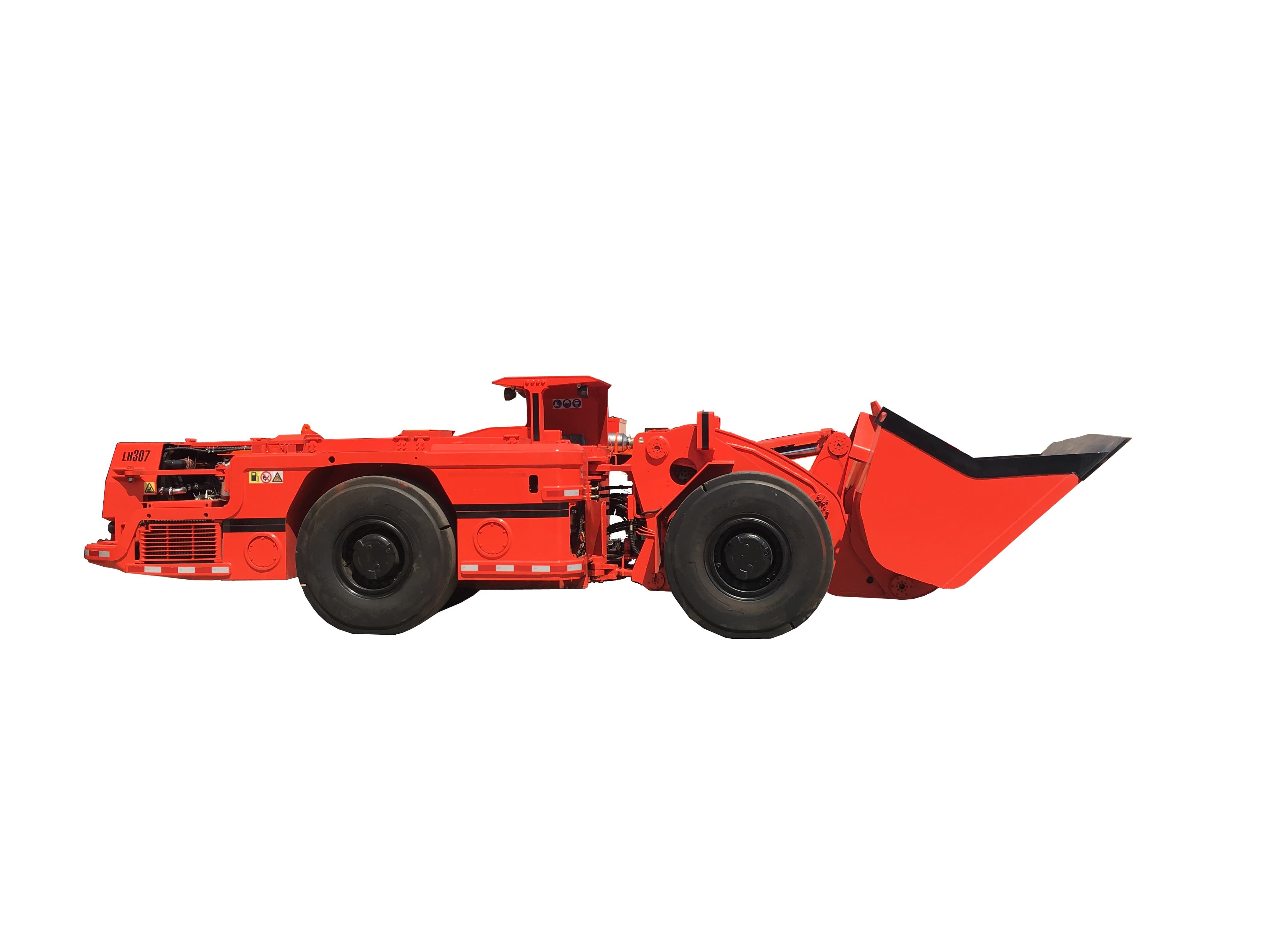
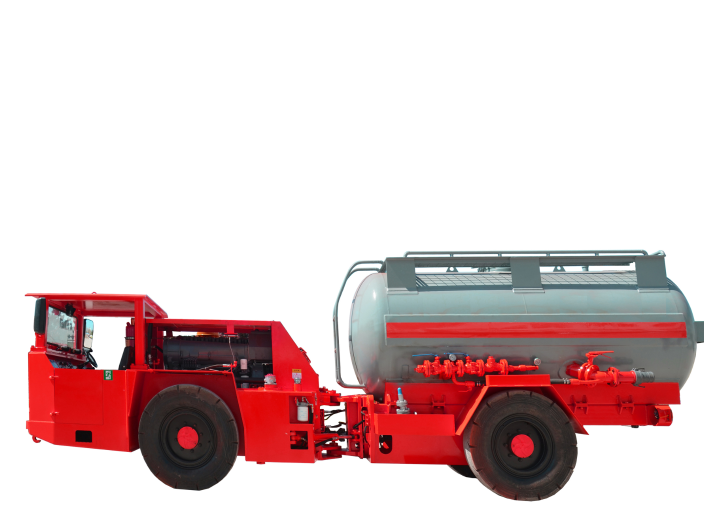
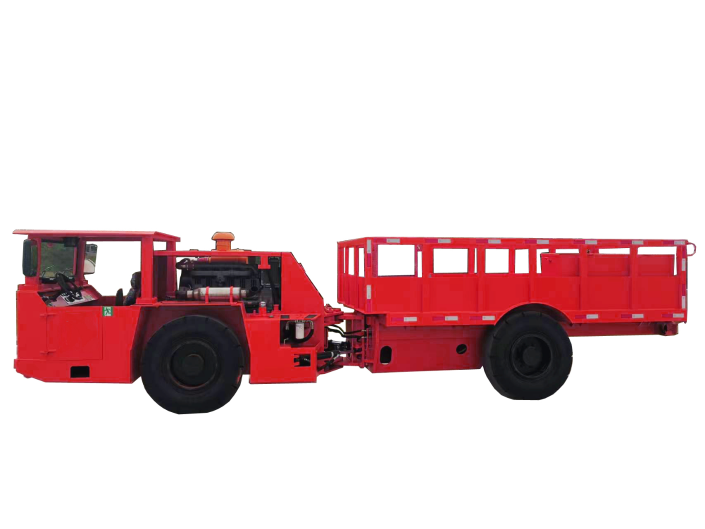
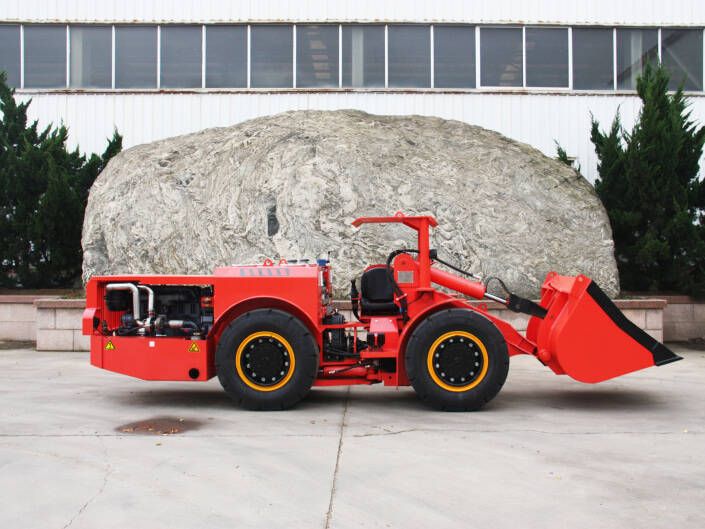
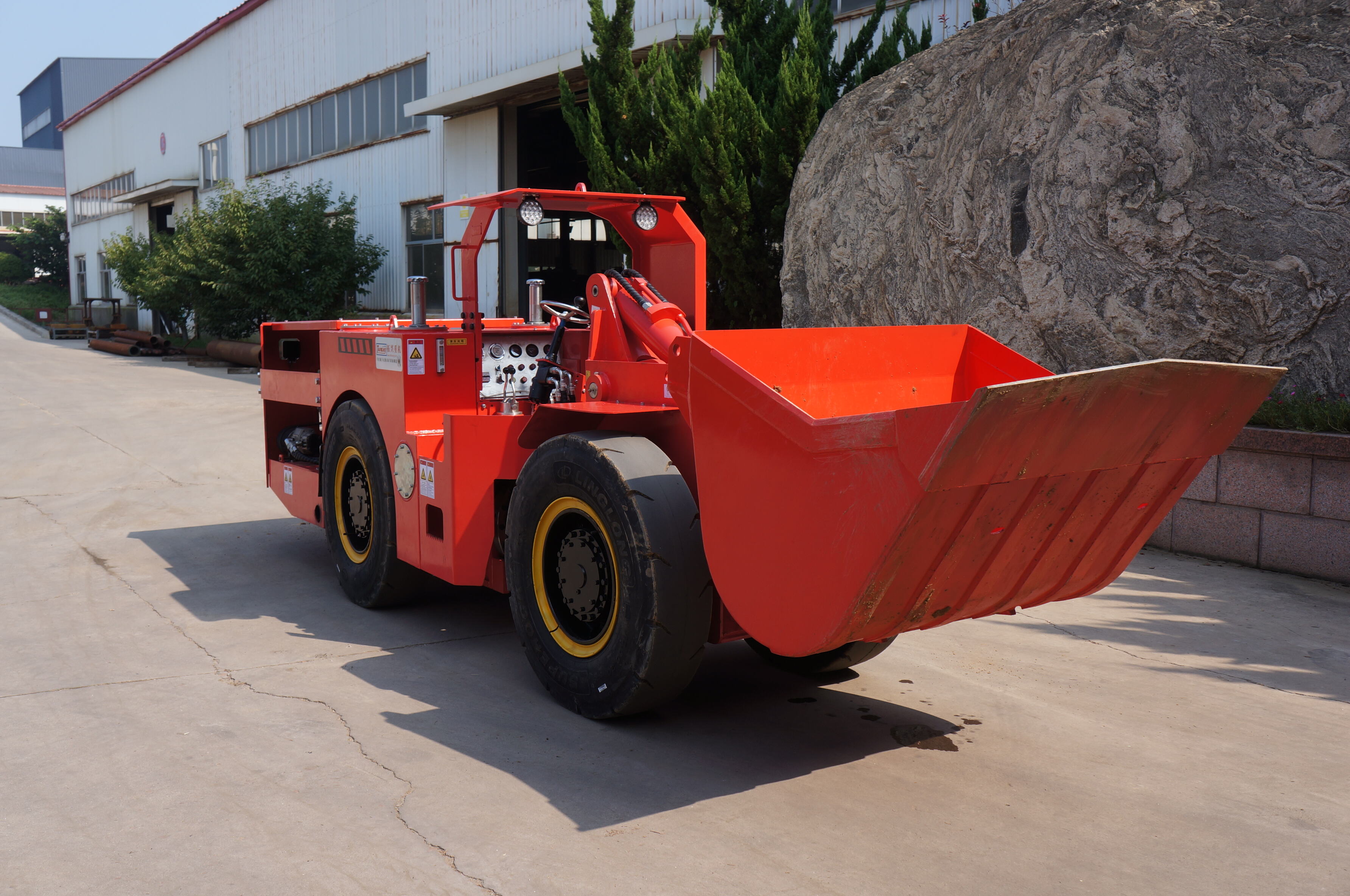
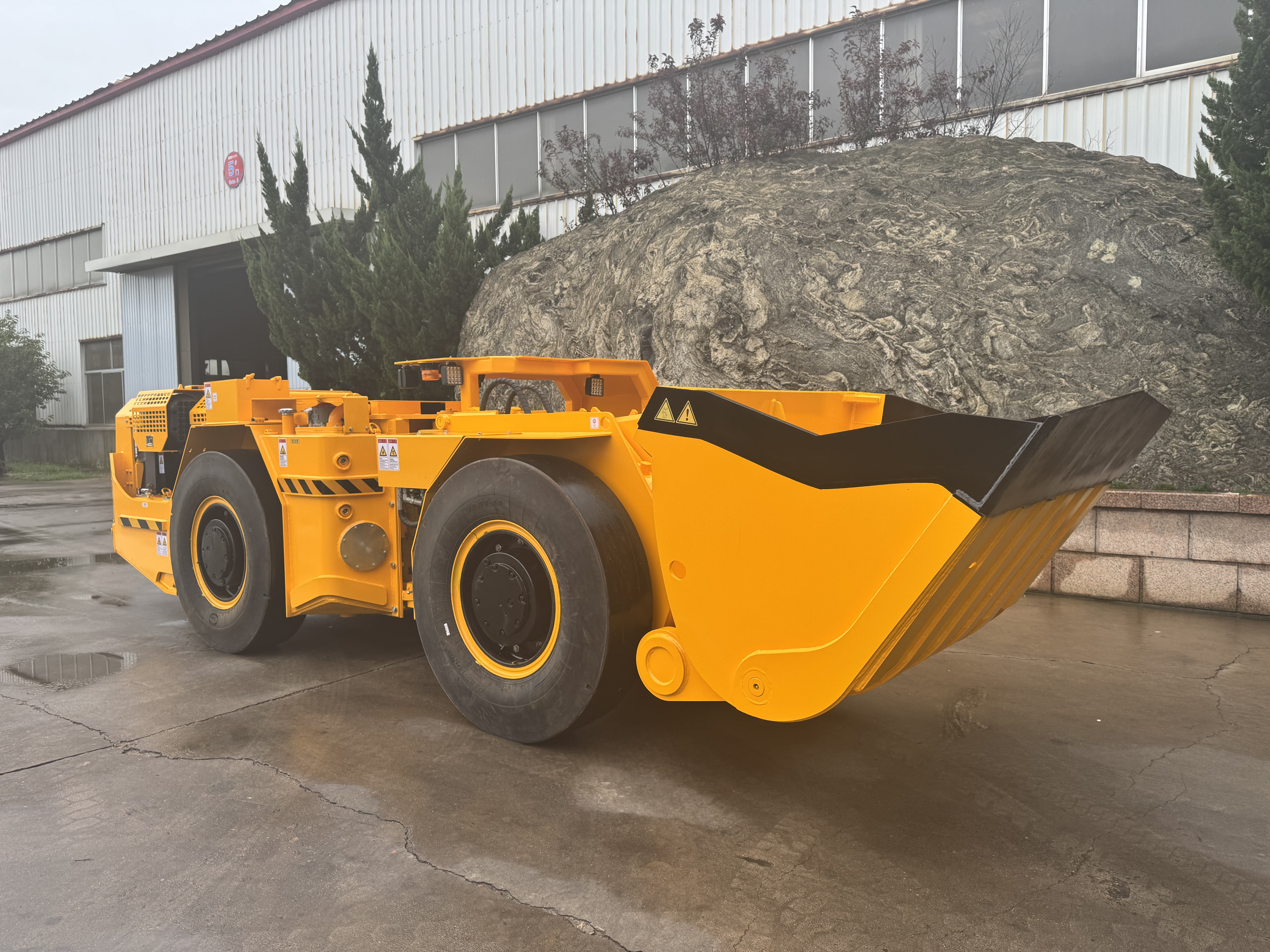
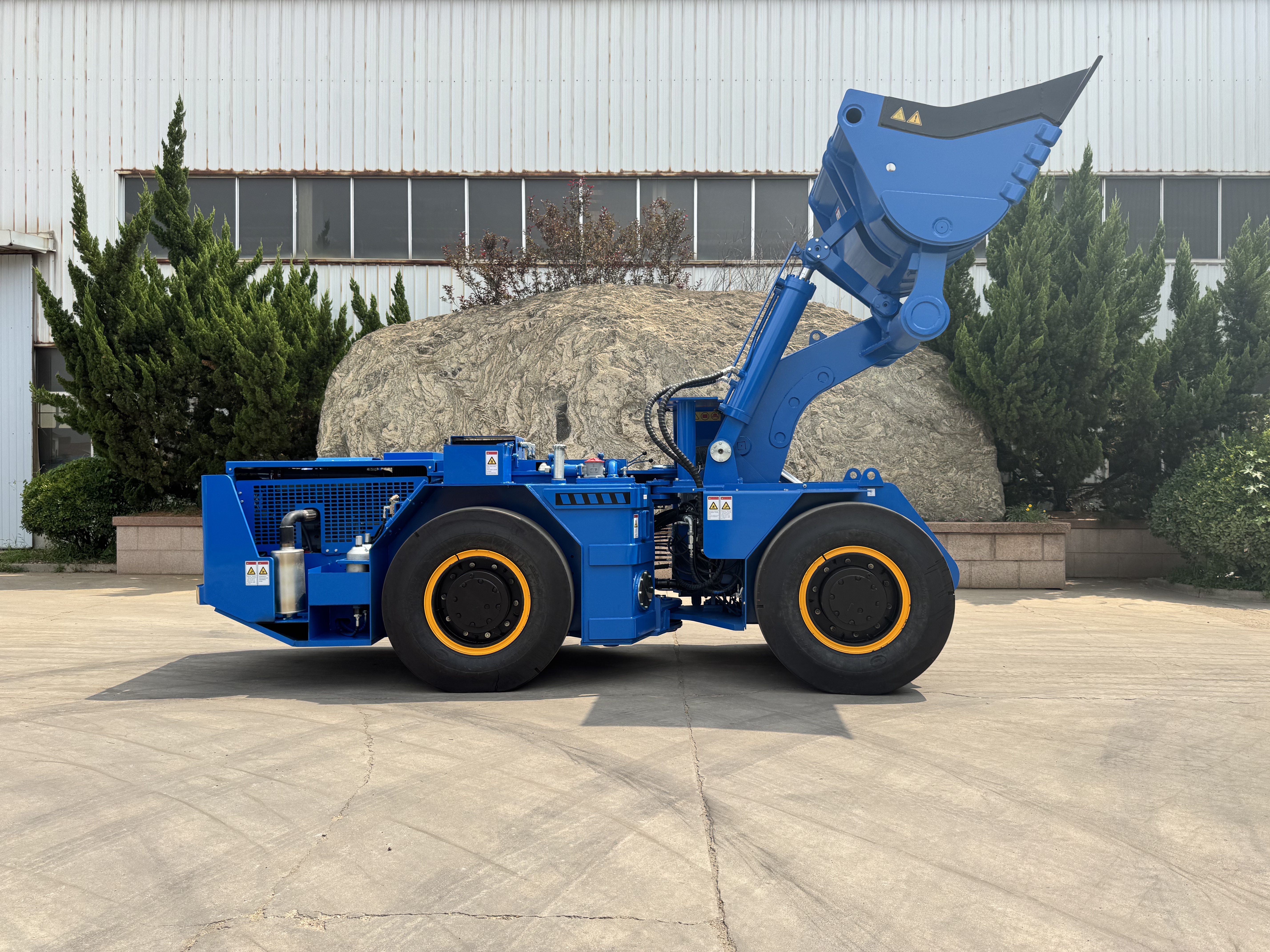
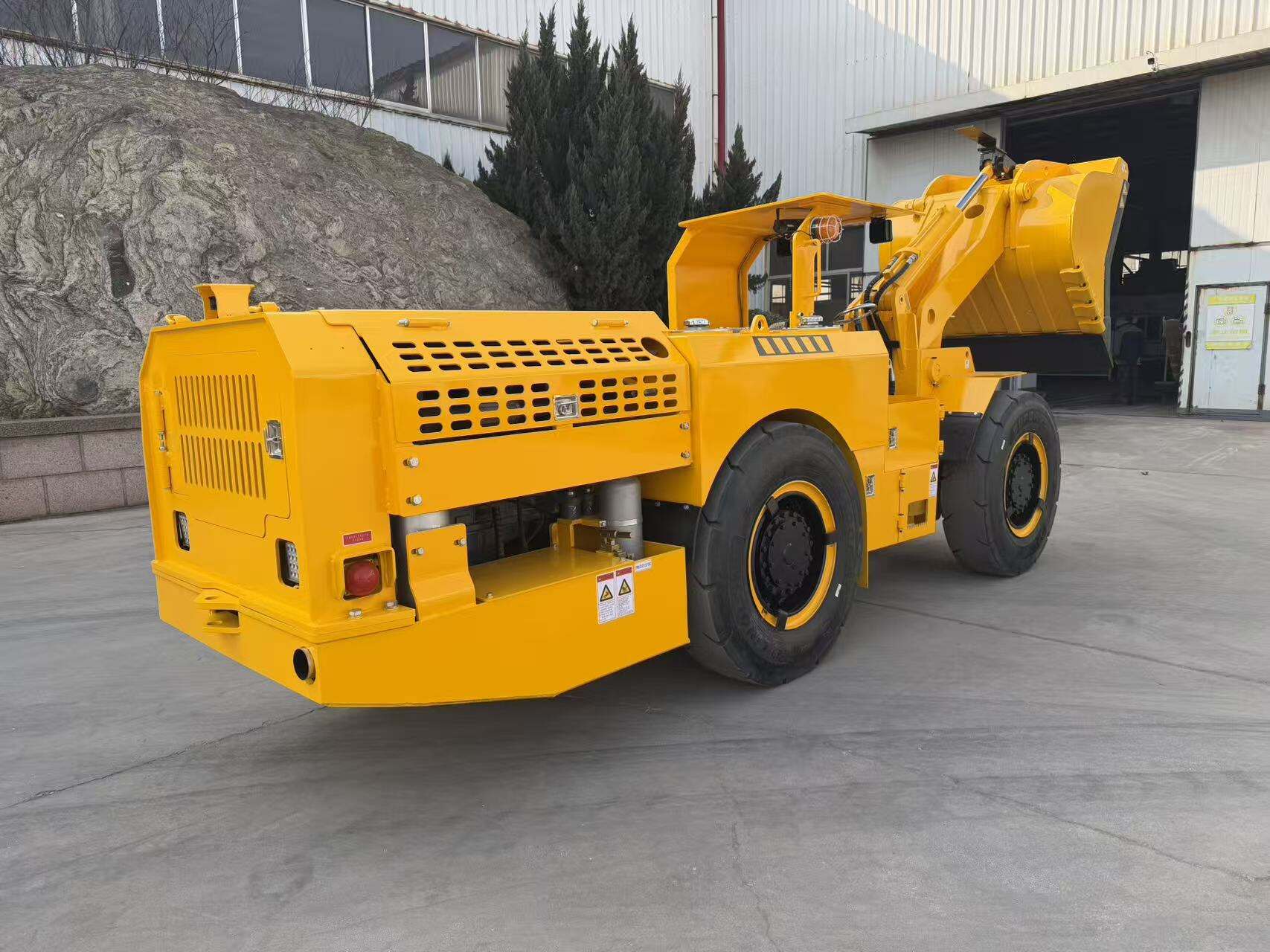
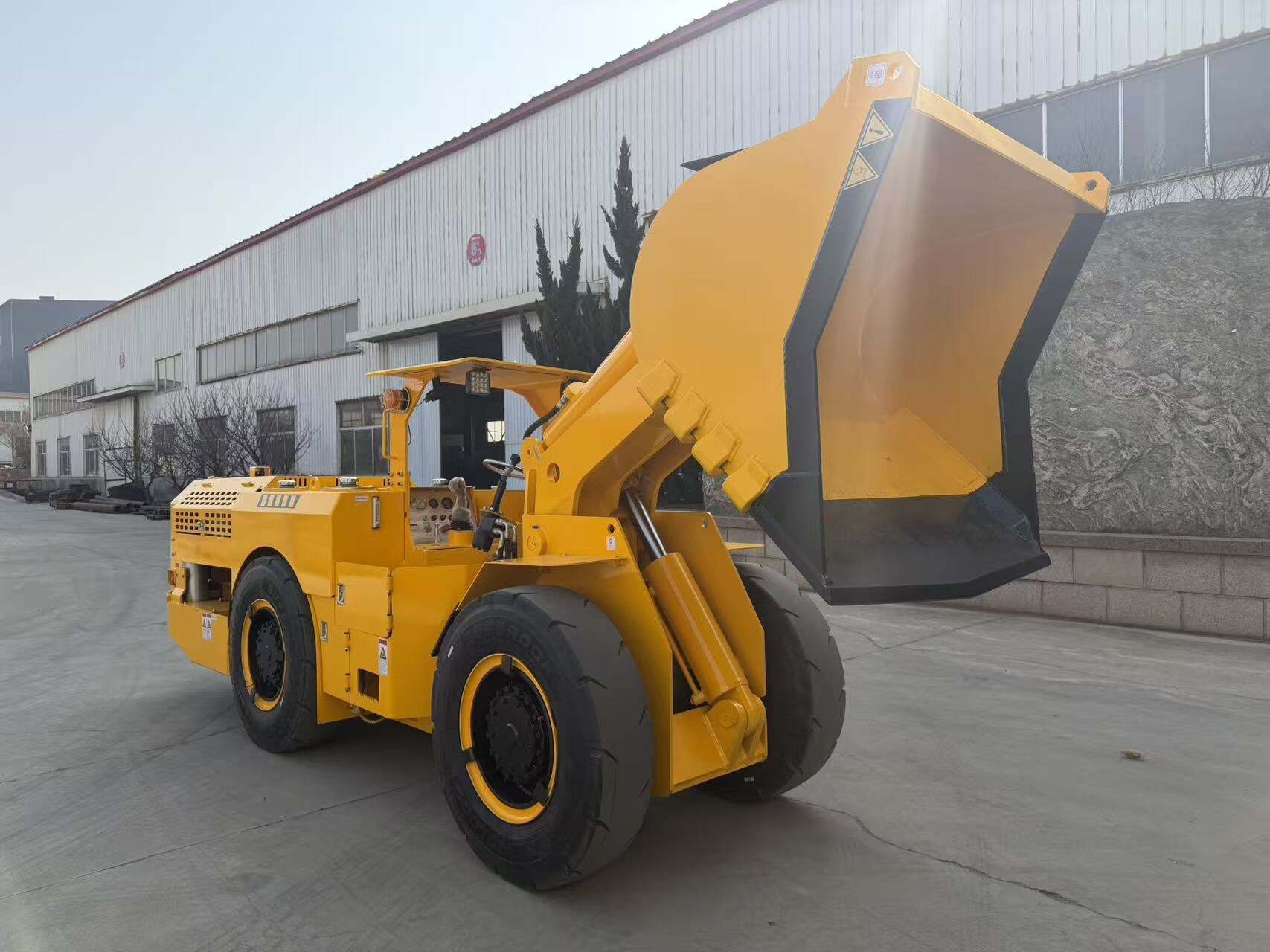
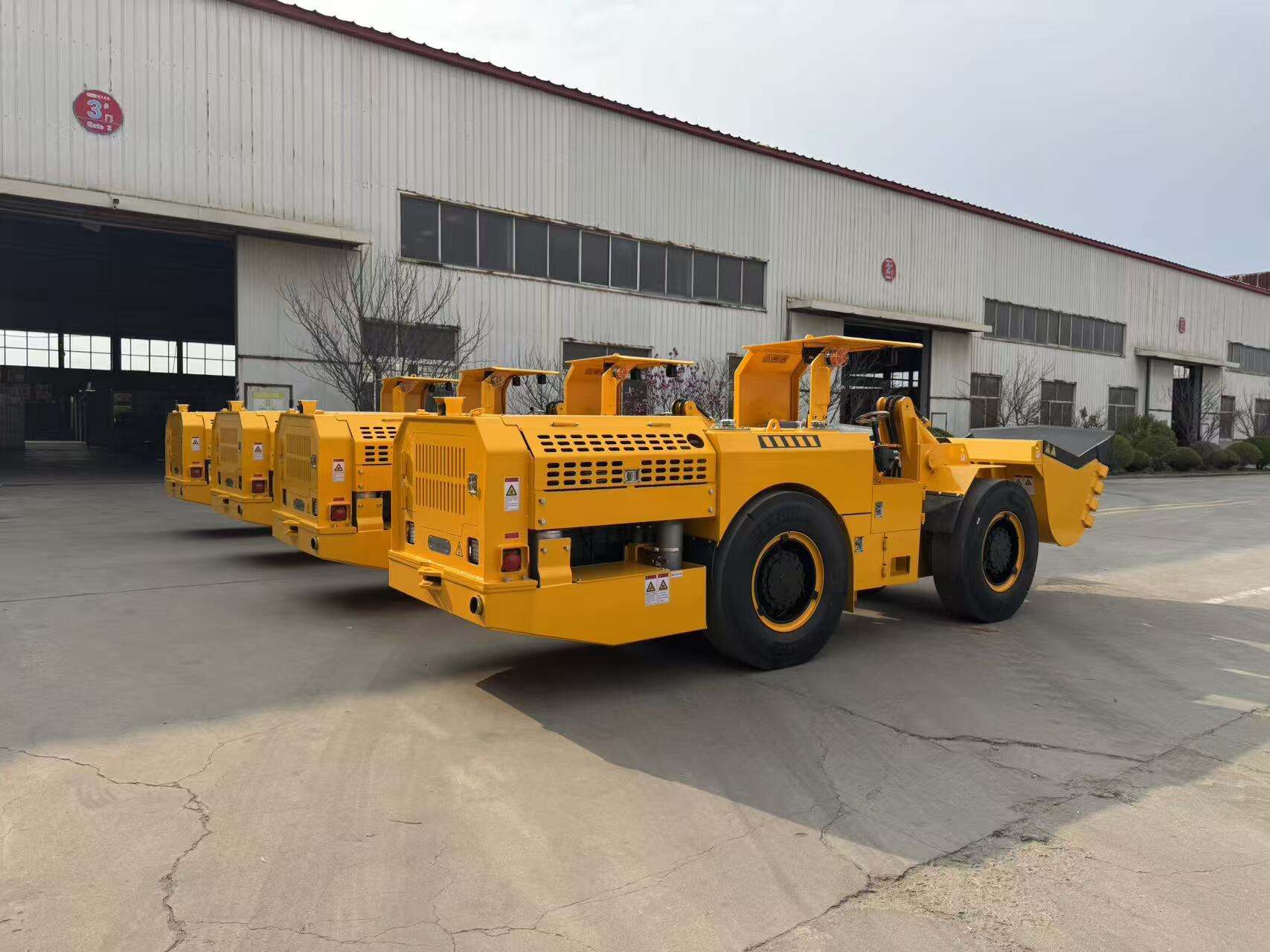
Evaluating the lhd machine price requires understanding total cost of ownership rather than focusing solely on initial purchase price, as operational expenses throughout the equipment lifecycle significantly impact overall investment returns. Comprehensive cost analysis includes purchase price, financing costs, maintenance expenses, fuel consumption, operator wages, parts replacement, and eventual resale or salvage value. Fuel consumption represents one of the largest ongoing operational expenses, with LHD machines typically consuming between 5 to 25 gallons per hour depending on size and duty cycle. Modern engines with electronic fuel injection and power management systems reduce consumption by 15 to 25 percent compared to older mechanical designs, saving thousands of dollars monthly in large operations. When assessing the lhd machine price, calculating fuel savings over a typical 10-year operational period reveals that premium-priced efficient models often cost less overall than cheaper alternatives with higher consumption. Maintenance costs vary substantially based on machine quality, operational conditions, and service practices, typically representing 20 to 35 percent of total ownership costs over equipment life. Premium manufacturers justify higher initial lhd machine price points through superior component quality, resulting in longer service intervals and reduced parts replacement frequency. Heavy-duty transmissions, reinforced structural components, and high-grade hydraulic systems withstand punishing underground conditions with fewer failures, reducing both parts costs and production losses from unplanned downtime. Parts availability also affects long-term costs, as established manufacturers maintain comprehensive spare parts networks with reasonable pricing and quick delivery. Choosing recognized brands despite higher initial lhd machine price ensures access to replacement components throughout the equipment lifecycle, avoiding situations where discontinued models become maintenance nightmares. Operator efficiency impacts total costs through productivity differences that accumulate over thousands of operating hours. Ergonomically designed cabins with intuitive controls reduce operator fatigue, maintaining consistent productivity throughout shifts and reducing training time for new personnel. Climate-controlled environments, adjustable seating, low-vibration designs, and excellent visibility reduce physical stress that otherwise degrades performance during extended operations. Resale value considerations often receive insufficient attention during initial purchase decisions, yet equipment from reputable manufacturers retains 30 to 45 percent of original value after 10 years of service, compared to 15 to 25 percent for lesser-known brands. This residual value effectively reduces the net lhd machine price through eventual equipment sales when operations upgrade or conclude. Financing options also influence total costs, with manufacturer financing programs sometimes offering competitive rates that reduce overall expenditure. Comprehensive warranty coverage, typically 1 to 3 years for major components, protects against early failures and should factor into lhd machine price comparisons. Extended warranty programs available from some manufacturers provide additional protection at reasonable costs, further managing long-term financial risks.

 EN
EN