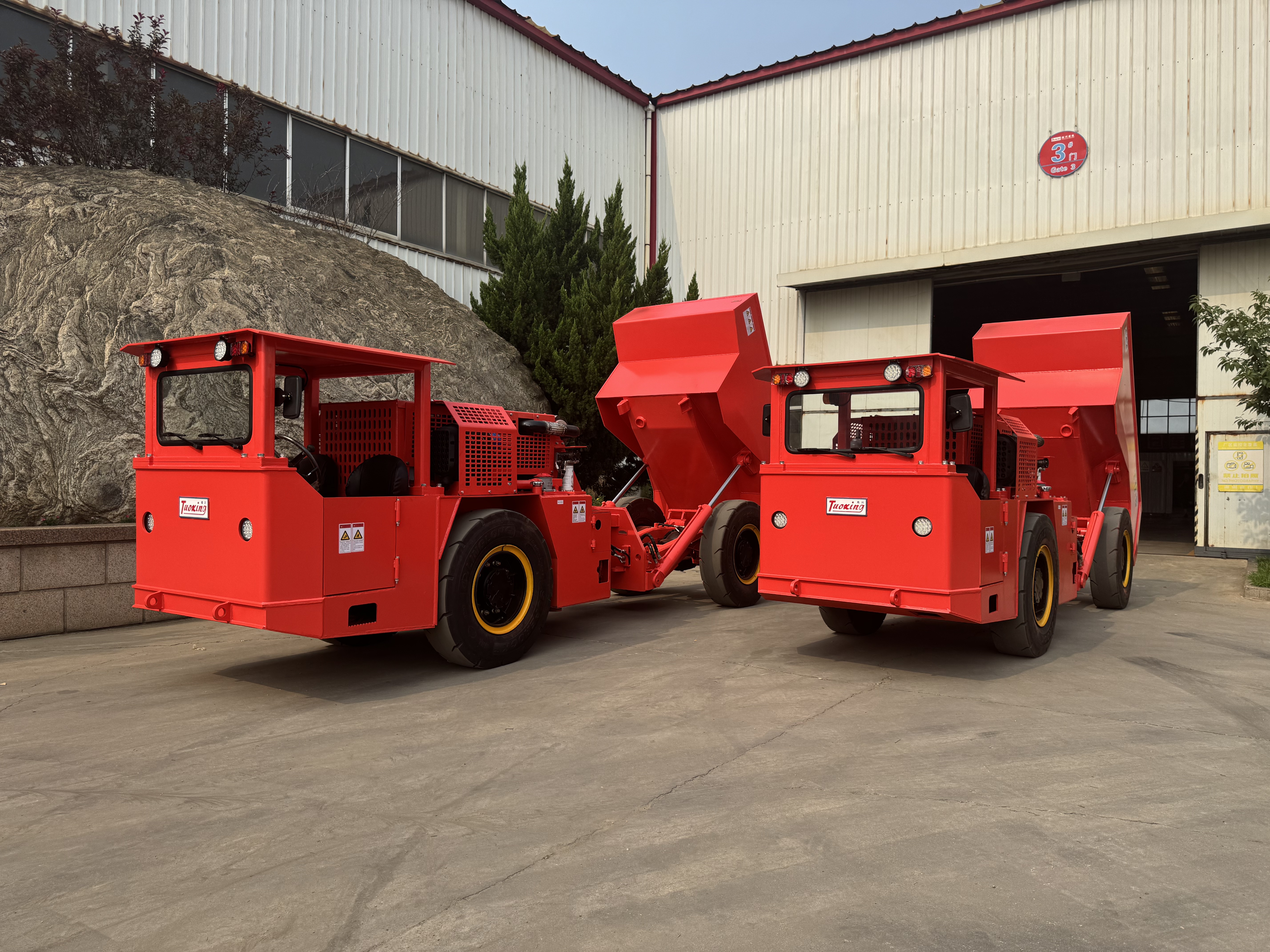
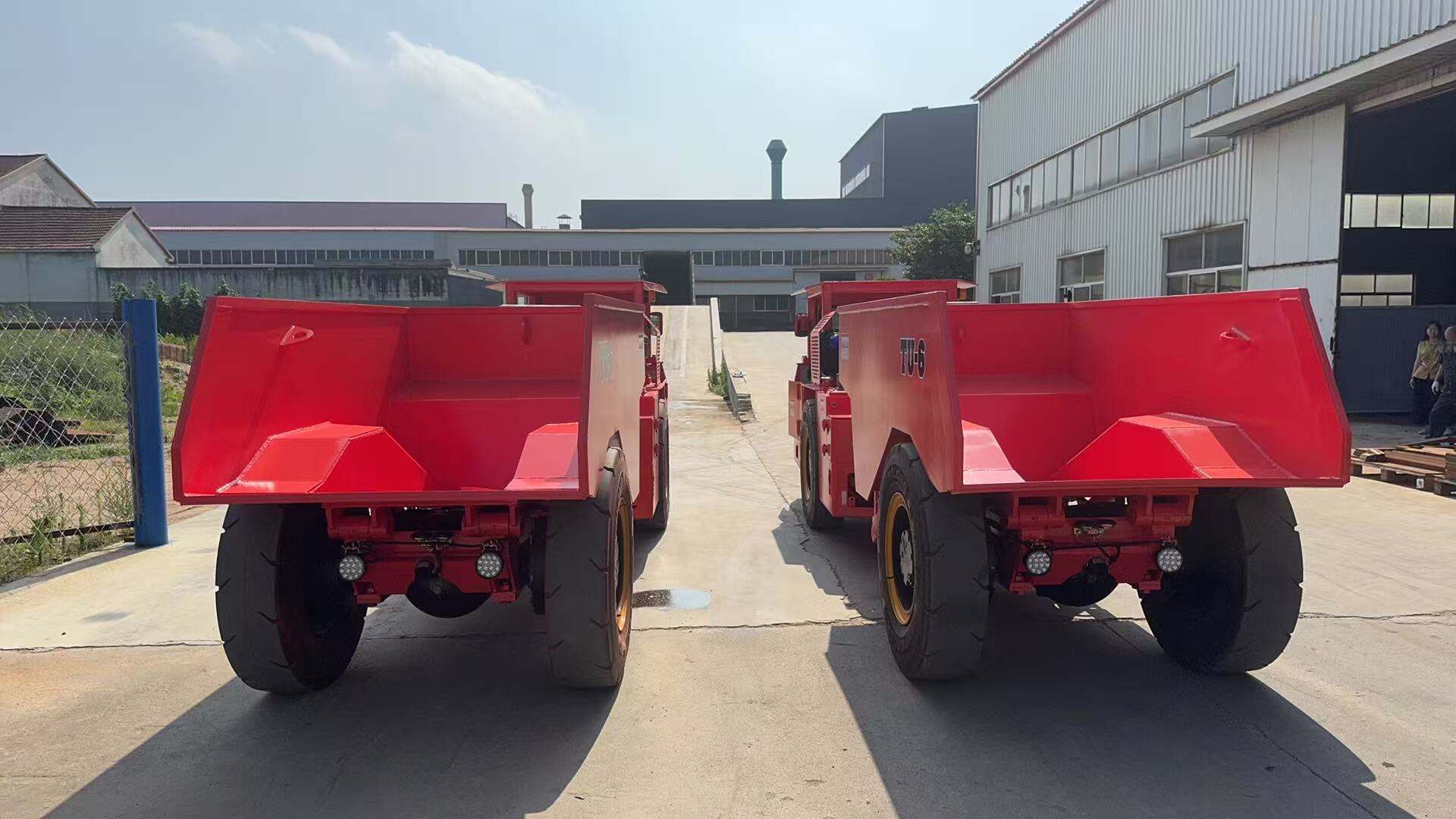
Adaptability Across Diverse Mining Conditions and Methods
Underground coal deposits present enormously varied characteristics depending on geological history, seam depth, thickness variations, rock hardness, and structural complexity, requiring mining equipment capable of adapting to these diverse conditions without sacrificing performance or requiring complete equipment replacements for different scenarios. Underground coal mining machinery achieves this adaptability through modular design philosophies that permit configuration adjustments, component swaps, and operational mode changes that accommodate different mining methodologies and geological challenges. Adjustable cutting height mechanisms allow the same equipment to work effectively in seams ranging from thin deposits requiring low-profile configurations to thick seams where extended cutting drums maximize single-pass extraction volumes, eliminating the need for multiple specialized machines and reducing capital equipment investments. Interchangeable cutting tools enable operators to select pick configurations, materials, and geometries optimized for specific rock hardness and abrasiveness characteristics, with harder formations requiring more durable tungsten carbide picks while softer coals permit faster-wearing but more economical tool materials. Variable power output settings let operators match machine performance to prevailing conditions, reducing energy consumption in easier cutting situations while providing maximum power reserves when encountering challenging geological features like stone bands or fault zones that interrupt coal seams. Track systems designed for underground coal mining machinery provide mobility across uneven floor conditions, negotiating gradients, water accumulation, and debris without becoming immobilized, ensuring continuous access to working faces regardless of ground conditions that might halt less capable equipment. Compact dimensions combined with powerful performance allow operation in confined spaces where clearance limitations would prevent larger machinery from accessing valuable reserves, while articulated designs enable navigation through curved tunnels and irregular passages that characterize many underground mine layouts. Quick-change attachment systems permit rapid conversion between different operational modes, such as switching from cutting operations to roof bolting or material handling functions, maximizing equipment utilization rates and reducing idle time that erodes productivity metrics. Onboard diagnostic systems identify optimal operating parameters for current conditions, providing operators with real-time recommendations that optimize performance without requiring extensive experience or geological expertise, democratizing effective equipment operation across workforce skill levels. Scalable automation capabilities range from fully manual control for complex situations requiring human judgment to semi-autonomous operation for repetitive tasks and fully autonomous modes for hazardous conditions where human presence should be minimized, with smooth transitions between control modes as situations evolve. This exceptional adaptability ensures that investments in underground coal mining machinery remain valuable across changing operational requirements, mine development stages, and geological variations encountered throughout deposit exploitation, protecting capital investments and providing operational flexibility that supports responsive management strategies in dynamic market conditions and evolving regulatory environments that increasingly influence mining practices.

 EN
EN