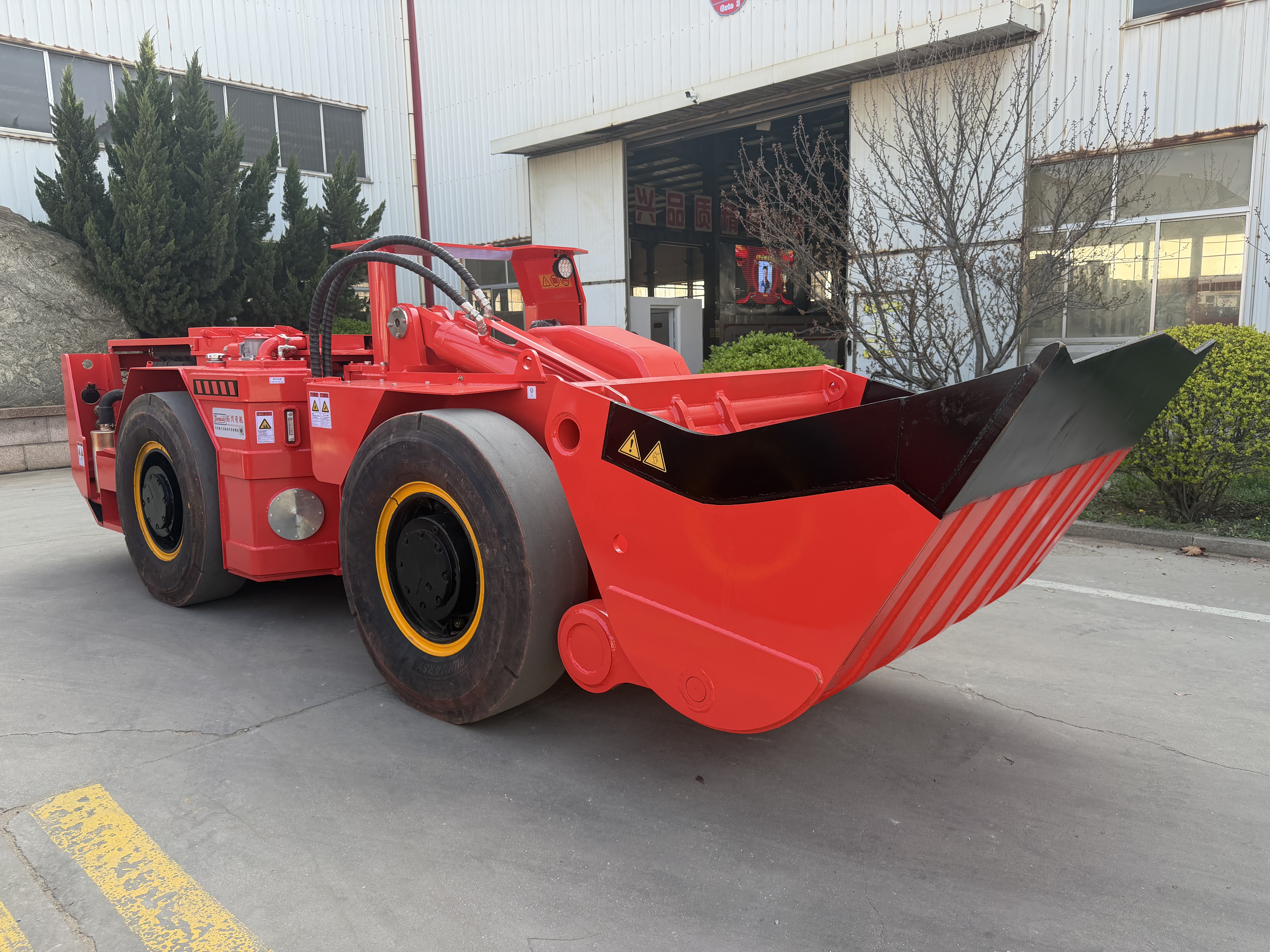
Mining Machinery Manufacturing: Advanced Equipment Solutions for Modern Extraction Operations

All Categories

mining machinery manufacturing

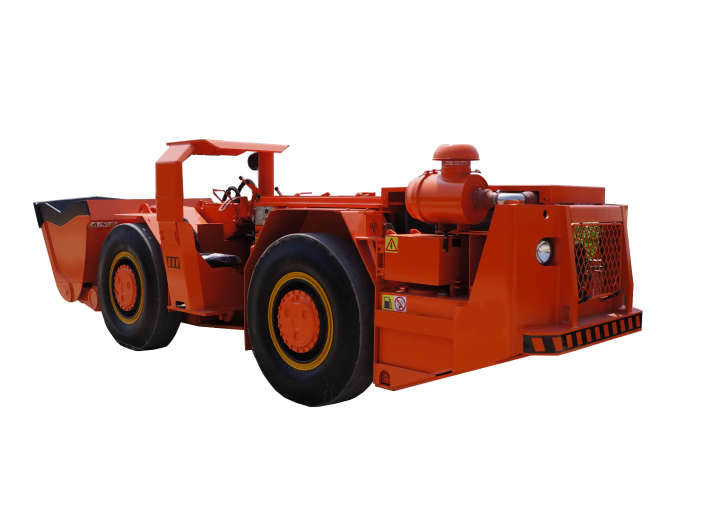
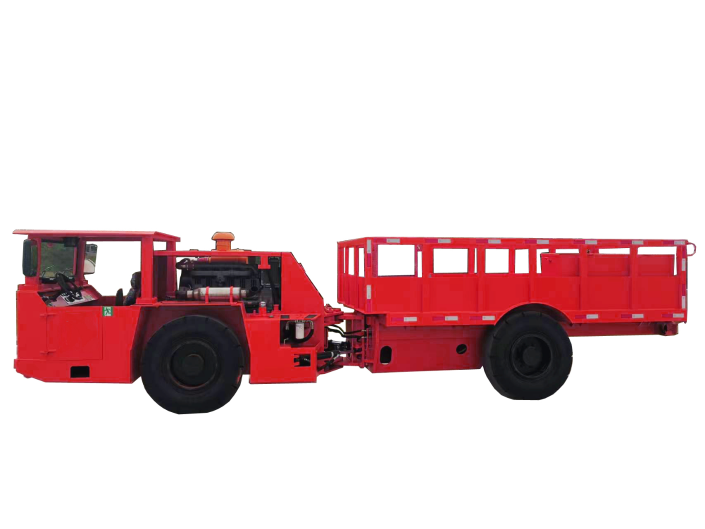
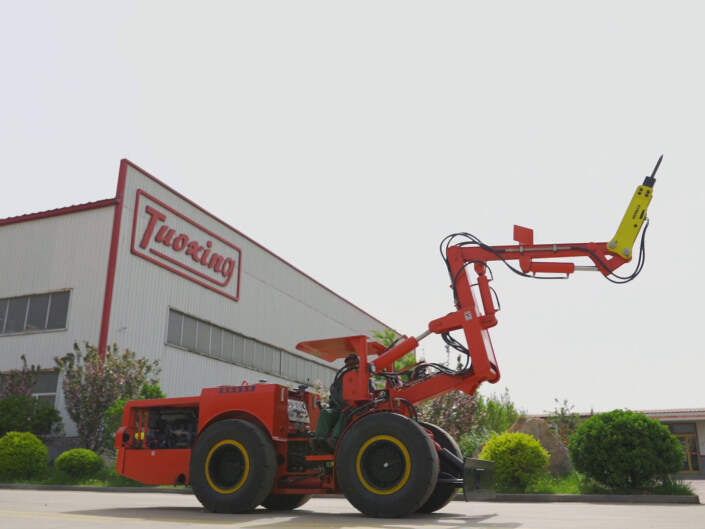
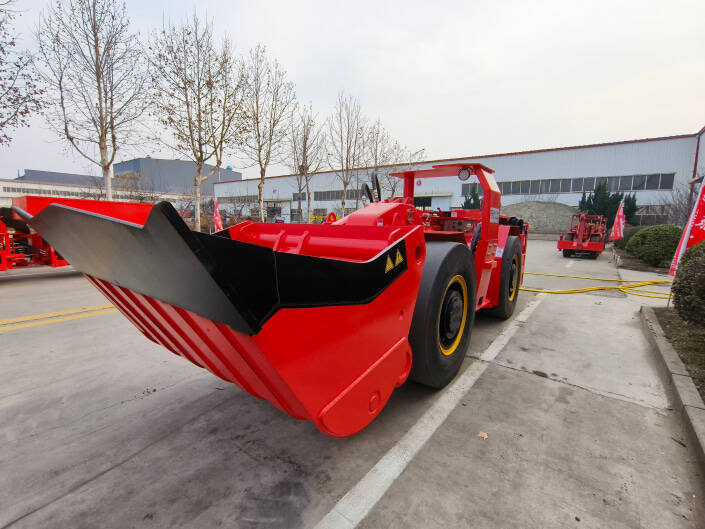
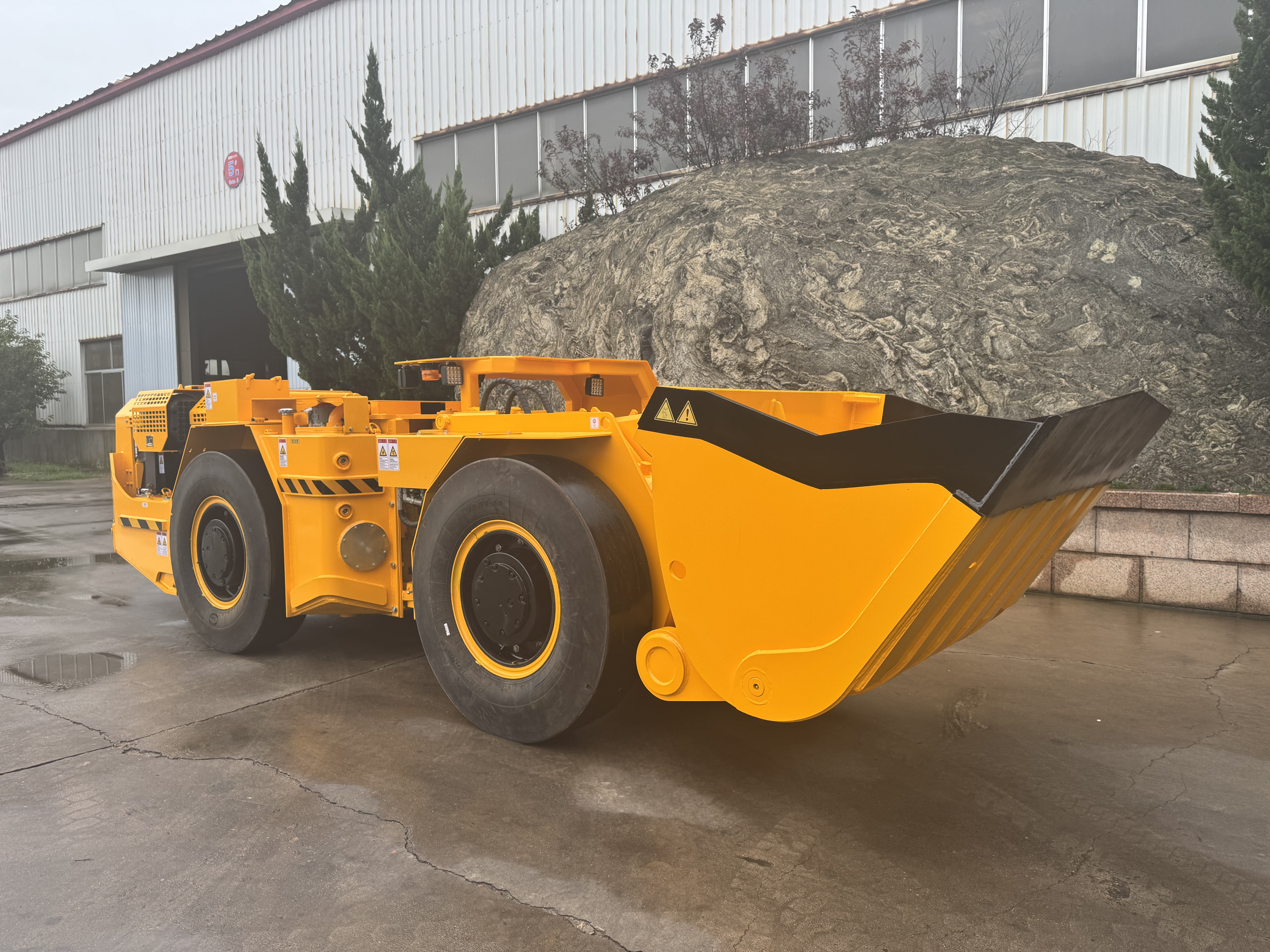
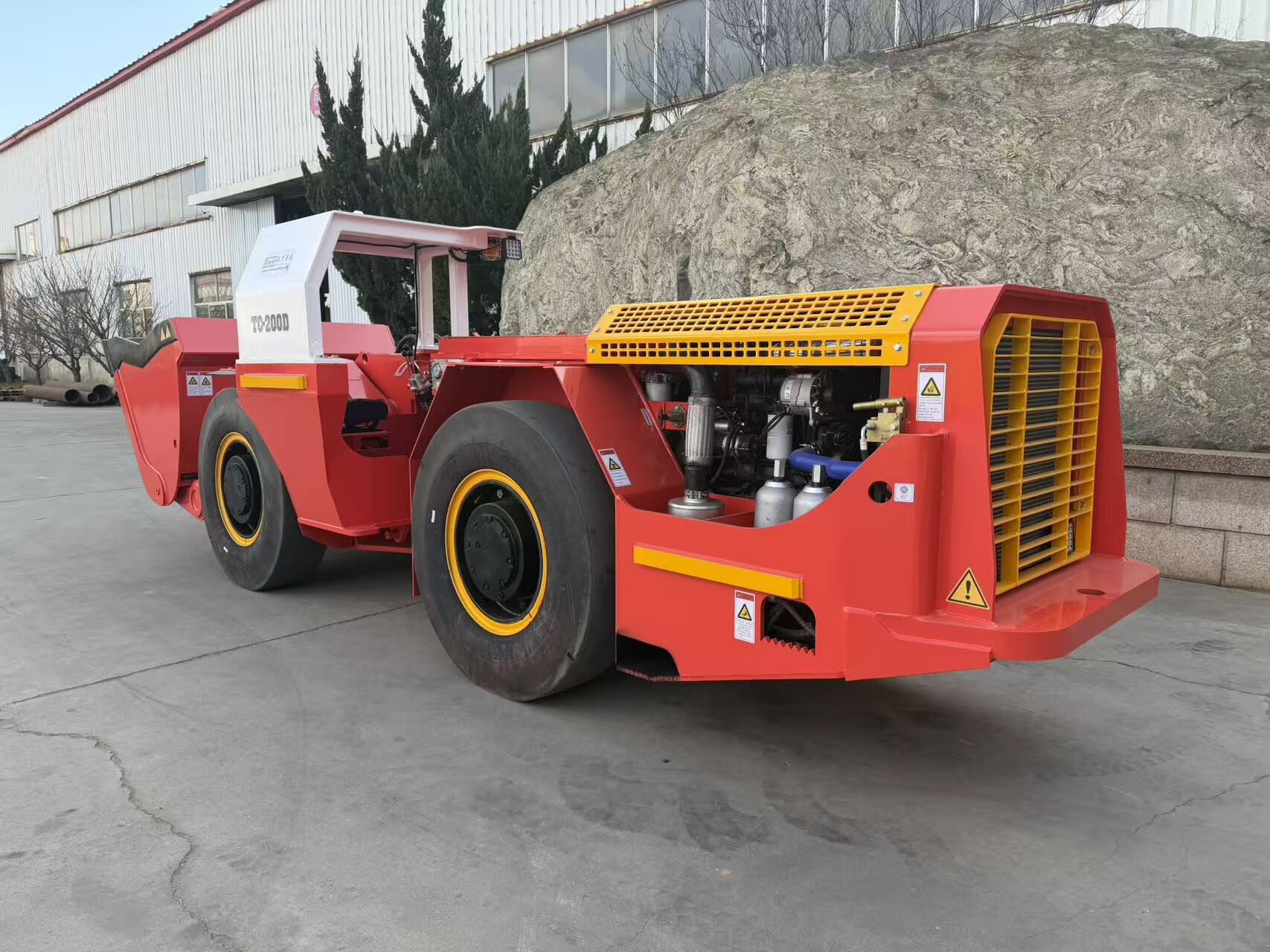
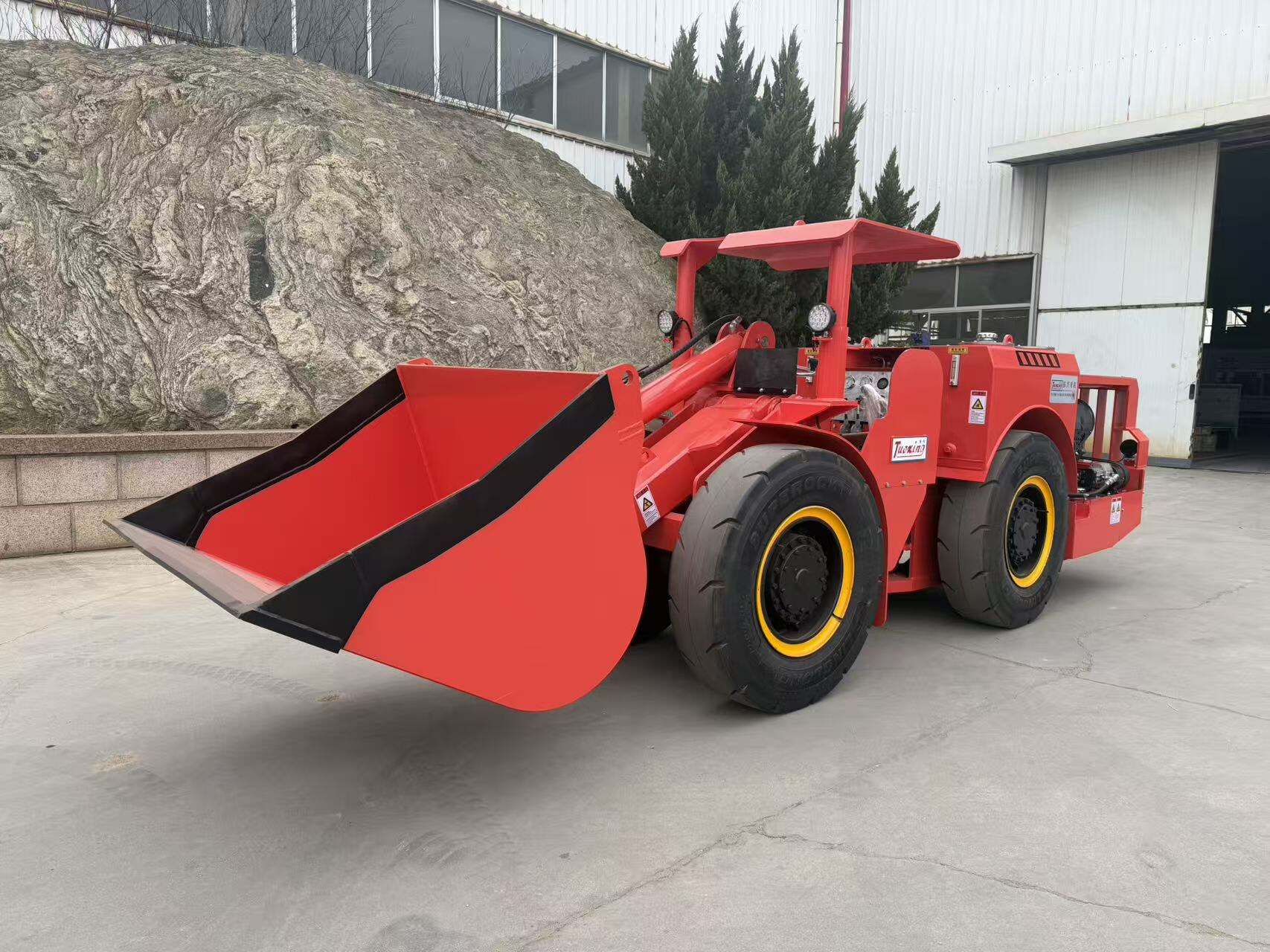
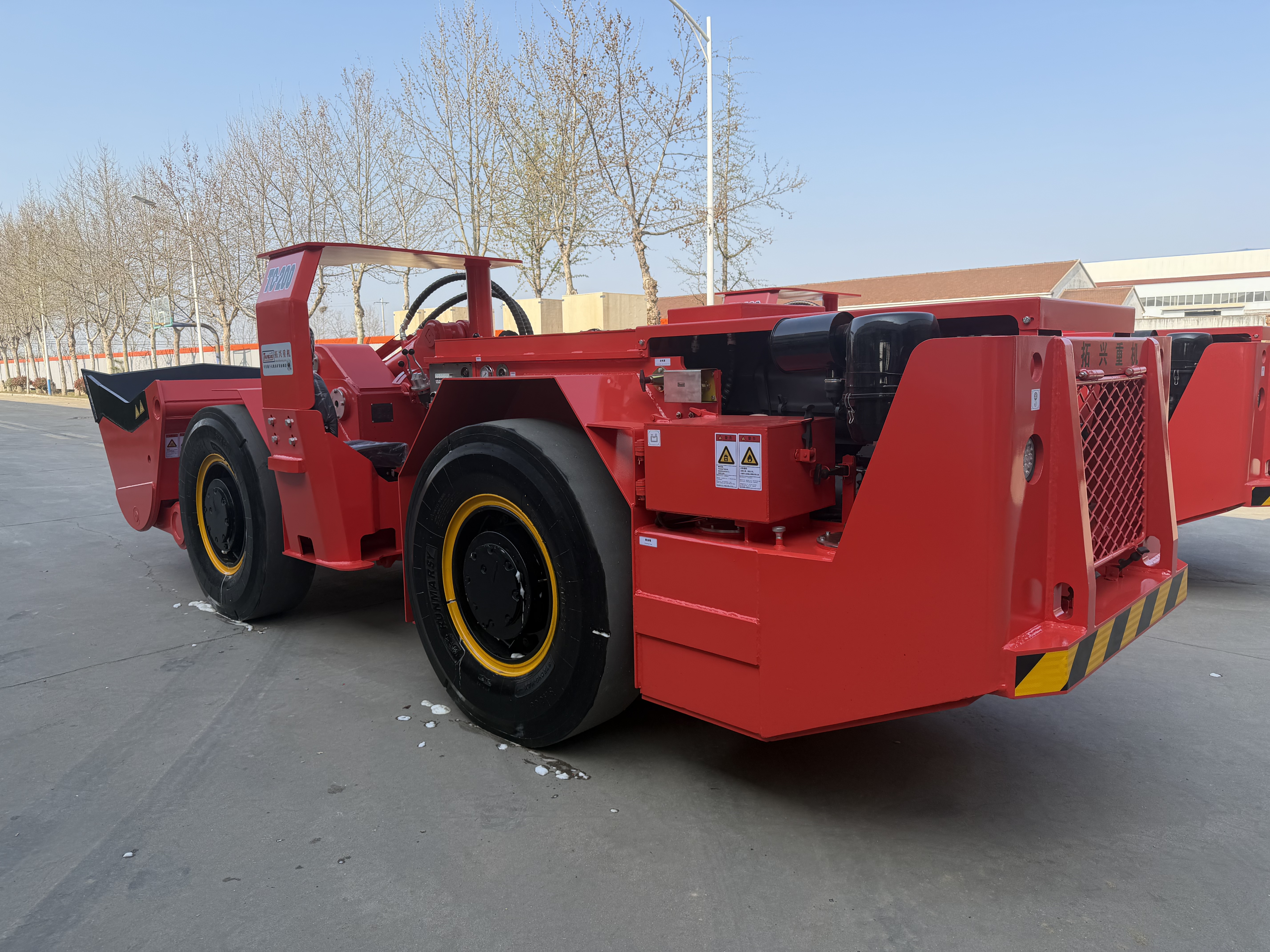
Mining machinery manufacturing represents a critical industrial sector dedicated to designing, producing, and distributing specialized equipment used in mineral extraction and processing operations worldwide. This industry creates powerful machines capable of excavating, transporting, crushing, and refining raw materials from beneath the earth's surface. The sector encompasses a broad spectrum of equipment types, including excavators, drilling rigs, loaders, haul trucks, crushers, grinding mills, and conveyor systems. Each piece of machinery serves specific purposes throughout the mining lifecycle, from initial exploration and site development to extraction, material handling, and final reclamation. Modern mining machinery manufacturing integrates advanced engineering principles with cutting-edge automation technologies to produce equipment that maximizes productivity while minimizing environmental impact. Manufacturers employ sophisticated design software, precision machining capabilities, and rigorous testing protocols to ensure their products withstand the extreme conditions prevalent in mining environments. The technological features embedded in contemporary mining equipment include GPS positioning systems, automated load monitoring, predictive maintenance sensors, remote operation capabilities, and energy-efficient power systems. These innovations enable mining operations to achieve unprecedented levels of safety, efficiency, and cost-effectiveness. The applications of mining machinery manufacturing extend across various mining sectors, including coal extraction, metallic ore mining, industrial mineral production, and aggregate quarrying. Equipment must adapt to diverse geological conditions, ranging from open-pit surface operations to deep underground environments. Manufacturers continuously refine their products to address evolving industry challenges such as declining ore grades, increasing operational depths, stricter environmental regulations, and growing demands for sustainable practices. The mining machinery manufacturing industry supports global resource development by providing the technological foundation that enables companies to access essential materials required for infrastructure development, energy production, and manufacturing processes across all economic sectors.


New Products

The mining machinery manufacturing sector delivers substantial benefits that directly impact operational success and financial performance for mining companies of all sizes. First, investing in quality manufactured equipment significantly reduces downtime through superior reliability and durability. Well-engineered machines withstand harsh operating conditions longer than inferior alternatives, translating to fewer unexpected breakdowns and repair costs. This reliability ensures continuous production schedules remain uninterrupted, protecting revenue streams and maintaining contractual obligations. Second, modern equipment incorporates fuel-efficient technologies that substantially lower operating expenses. Advanced engine management systems optimize combustion processes, reducing diesel consumption by up to thirty percent compared to older models. These savings accumulate rapidly across large fleets, improving profit margins considerably. Third, enhanced safety features protect workers while reducing liability exposure and insurance premiums. Automated systems remove personnel from dangerous situations, collision avoidance technology prevents accidents, and ergonomic designs minimize repetitive strain injuries. Fourth, increased productivity capabilities allow operations to extract more material with fewer resources. Larger payload capacities, faster cycle times, and improved digging forces enable companies to meet production targets with smaller equipment fleets, reducing capital investment requirements and maintenance overhead. Fifth, sophisticated monitoring systems provide real-time performance data that enables proactive maintenance scheduling. Identifying potential failures before they occur prevents catastrophic breakdowns and extends equipment lifespan significantly. Sixth, flexible machine configurations adapt to changing operational requirements without requiring complete equipment replacement. Modular designs allow operators to swap attachments, adjust specifications, and upgrade components as needs evolve. Seventh, comprehensive manufacturer support networks ensure rapid parts availability and expert technical assistance worldwide. This global service infrastructure minimizes equipment idle time and maintains operational continuity across remote locations. Eighth, compliance with international environmental standards helps companies meet regulatory requirements and obtain operating permits more easily. Low-emission engines, dust suppression systems, and noise reduction technologies demonstrate environmental responsibility to stakeholders and communities. Finally, superior resale values for quality manufactured equipment protect long-term capital investments. Reputable brands maintain strong secondary markets, ensuring companies recover significant portions of initial investments when upgrading fleets, effectively reducing total ownership costs over equipment lifecycles.

Practical Tips

How Can Maintenance Reduce Downtime for Underground Mining Dump Trucks?

17

Nov

How Can Maintenance Reduce Downtime for Underground Mining Dump Trucks?

Underground mining operations depend heavily on reliable equipment to maintain productivity and meet extraction targets. When heavy machinery experiences unexpected failures, the resulting downtime can cost mining companies thousands of dollars per h...
View More
Which Factors Affect the Lifespan of Underground Mining Dump Trucks?

17

Nov

Which Factors Affect the Lifespan of Underground Mining Dump Trucks?

The operational lifespan of underground mining dump trucks represents a critical investment consideration for mining operations worldwide. These specialized vehicles face some of the most challenging working conditions in industrial applications, ope...
View More
How Do Load Capacity and Size Affect Underground LHD Loader Performance?

11

Dec

How Do Load Capacity and Size Affect Underground LHD Loader Performance?

Underground mining operations depend heavily on efficient material handling equipment, with the underground LHD loader serving as the backbone of productive ore extraction and transportation. These versatile machines must navigate confined spaces whi...
View More
What Factors Affect the Performance of an Underground Mining Scoop?

07

Jan

What Factors Affect the Performance of an Underground Mining Scoop?

The performance of an underground mining scoop depends on numerous interconnected factors that directly impact productivity, safety, and operational efficiency in mining operations. Understanding these variables is crucial for mining engineers and op...
View More

Get a Free Quote

Our representative will contact you soon.
Email
Name
Company Name
Message
0/1000

mining machinery manufacturing

Advanced Automation Integration in Mining Equipment

Advanced Automation Integration in Mining Equipment

The integration of advanced automation technologies represents perhaps the most transformative development in mining machinery manufacturing over recent decades. Modern equipment now incorporates sophisticated control systems that enable semi-autonomous and fully autonomous operation capabilities, fundamentally changing how mining operations function. These automation features utilize multiple sensor arrays, including LiDAR, radar, cameras, and GPS positioning systems, to create comprehensive environmental awareness. The machinery can navigate complex terrain, identify obstacles, optimize travel paths, and execute repetitive tasks with minimal human intervention. For operators, this technological advancement means significant improvements in both productivity and safety outcomes. Automated hauling systems, for instance, operate continuously without fatigue limitations, maintaining consistent cycle times throughout entire shifts. These systems coordinate fleet movements to eliminate traffic congestion at loading points and dump locations, maximizing throughput efficiency. The precision offered by automated systems also reduces material spillage, improves load distribution, and minimizes equipment wear through optimized operating parameters. From a safety perspective, automation removes workers from hazardous environments entirely. Remote operation capabilities allow personnel to control equipment from climate-controlled offices located away from blast zones, unstable ground conditions, and heavy machinery traffic areas. This physical separation dramatically reduces accident risks while maintaining full operational control. Mining machinery manufacturing companies invest extensively in developing intuitive human-machine interfaces that make these complex systems accessible to operators with varying skill levels. Touchscreen displays present critical information clearly, predictive algorithms suggest optimal operational strategies, and automated assistance features help operators maintain peak performance. The data collected by automated systems provides unprecedented operational visibility. Managers access detailed performance metrics for every machine in their fleet, identifying efficiency opportunities and optimization potential previously impossible to detect. This analytical capability enables continuous improvement initiatives that compound productivity gains over time. Furthermore, automation facilitates predictive maintenance approaches that schedule service interventions based on actual component condition rather than arbitrary time intervals. Sensors monitor vibration patterns, temperature fluctuations, fluid contamination levels, and structural stress indicators, alerting maintenance teams to developing issues before failures occur. This proactive approach minimizes unplanned downtime while extending component lifecycles through timely interventions.
Exceptional Durability Through Advanced Materials Engineering

Exceptional Durability Through Advanced Materials Engineering

Mining machinery manufacturing has achieved remarkable advancements in equipment longevity through sophisticated materials engineering and innovative structural design approaches. The extreme conditions prevalent in mining environments demand components capable of withstanding constant abrasion, impact loading, corrosive exposures, temperature extremes, and continuous vibration. Manufacturers address these challenges through careful material selection, specialized heat treatments, protective coatings, and structural optimization. High-strength steel alloys form the foundation of most mining equipment structures, carefully formulated to balance hardness, toughness, and weldability. These materials resist crack propagation even under severe stress concentrations, preventing catastrophic structural failures. Critical wear components utilize advanced materials including hardened steel plates, ceramic composites, tungsten carbide inserts, and specialized rubber compounds engineered specifically for mining applications. Bucket teeth, crusher liners, conveyor belts, and hydraulic seals incorporate these premium materials to extend service intervals substantially. The economic advantages of exceptional durability prove substantial when examined across equipment lifecycles. Reduced component replacement frequency lowers parts expenditure and minimizes maintenance labor requirements. Extended operational periods between major overhauls allow companies to defer capital expenditures while maintaining production capabilities. Superior structural integrity also preserves equipment resale values, as buyers recognize the remaining service life potential in well-maintained machines constructed from quality materials. Mining machinery manufacturing companies employ finite element analysis and computational modeling to optimize structural designs before physical prototypes exist. These virtual testing environments simulate years of operational stresses within hours, identifying potential weak points that engineers reinforce through design modifications. This analytical approach produces lighter structures that maintain or exceed strength requirements compared to previous generations, improving fuel efficiency without compromising durability. Protective surface treatments extend component life further by preventing corrosion and reducing friction. Advanced coating technologies create barriers against moisture, chemicals, and abrasive particles that would otherwise degrade base materials. Specialized paint systems withstand chip damage from flying rock while maintaining appearance throughout extended service periods. Hydraulic components benefit particularly from precision manufacturing tolerances and contamination control measures. Tight clearances between moving parts minimize internal leakage while maintaining responsive control. Advanced filtration systems remove contaminant particles before they damage sensitive components. These measures result in hydraulic systems that operate reliably for tens of thousands of hours before requiring rebuilding.
Comprehensive Energy Efficiency and Environmental Performance

Comprehensive Energy Efficiency and Environmental Performance

Contemporary mining machinery manufacturing prioritizes energy efficiency and environmental performance as central design objectives rather than afterthoughts, responding to both economic pressures and regulatory requirements. Modern equipment achieves remarkable fuel consumption reductions through multiple technological approaches working synergistically. Advanced engine technologies form the primary foundation for these efficiency gains. Tier 4 Final and Stage V compliant diesel engines incorporate high-pressure common rail fuel injection, variable geometry turbocharging, exhaust gas recirculation, and selective catalytic reduction systems. These technologies optimize combustion processes to extract maximum work from each fuel unit while simultaneously reducing harmful emissions. Sophisticated engine management computers continuously adjust operating parameters based on load demands, ambient conditions, and operational modes. When full power proves unnecessary, engines automatically reduce speed and fuel delivery to match actual requirements, eliminating wasteful consumption during light duty cycles. Hybrid power systems represent another significant innovation in mining machinery manufacturing. These configurations combine traditional diesel engines with electric motors and energy storage systems, capturing energy during braking and downhill travel that would otherwise dissipate as heat. This recovered energy subsequently assists with acceleration and uphill hauling, reducing overall fuel consumption by substantial margins. Some equipment designs utilize trolley assist systems that draw power from overhead lines during loaded hauls, completely eliminating diesel consumption during these high-energy segments. Hydraulic system optimization contributes meaningfully to overall efficiency improvements. Load-sensing hydraulic pumps deliver only the flow volume actually required by active functions rather than continuously circulating full system capacity. Variable displacement pumps adjust output automatically, reducing parasitic losses that waste energy and generate excessive heat. Efficient hydraulic circuits minimize pressure drops through properly sized hoses, eliminate unnecessary restrictions, and utilize accumulators to store energy for rapid demand responses. Lightweight structural designs reduce the energy required to move equipment and payloads. Advanced materials and optimized geometries create structures that maintain strength while eliminating unnecessary mass. Reduced vehicle weight improves acceleration, decreases braking distances, lowers tire wear, and diminishes fuel consumption across all operational aspects. Environmental benefits extend beyond fuel efficiency to encompass dust suppression systems, noise reduction technologies, and biodegradable hydraulic fluids. Water spray systems minimize airborne particulates that affect air quality and worker health. Sound-dampening enclosures and optimized fan designs reduce noise pollution affecting nearby communities. These environmental considerations help mining operations maintain positive community relationships and regulatory compliance while demonstrating corporate social responsibility commitments that increasingly influence investment decisions and operational permissions.

Get a Free Quote

Our representative will contact you soon.
Email
Name
Company Name
Message
0/1000