Professional Drilling Equipment in Mining - Advanced Solutions for Efficient Mineral Extraction

All Categories

drilling equipment in mining

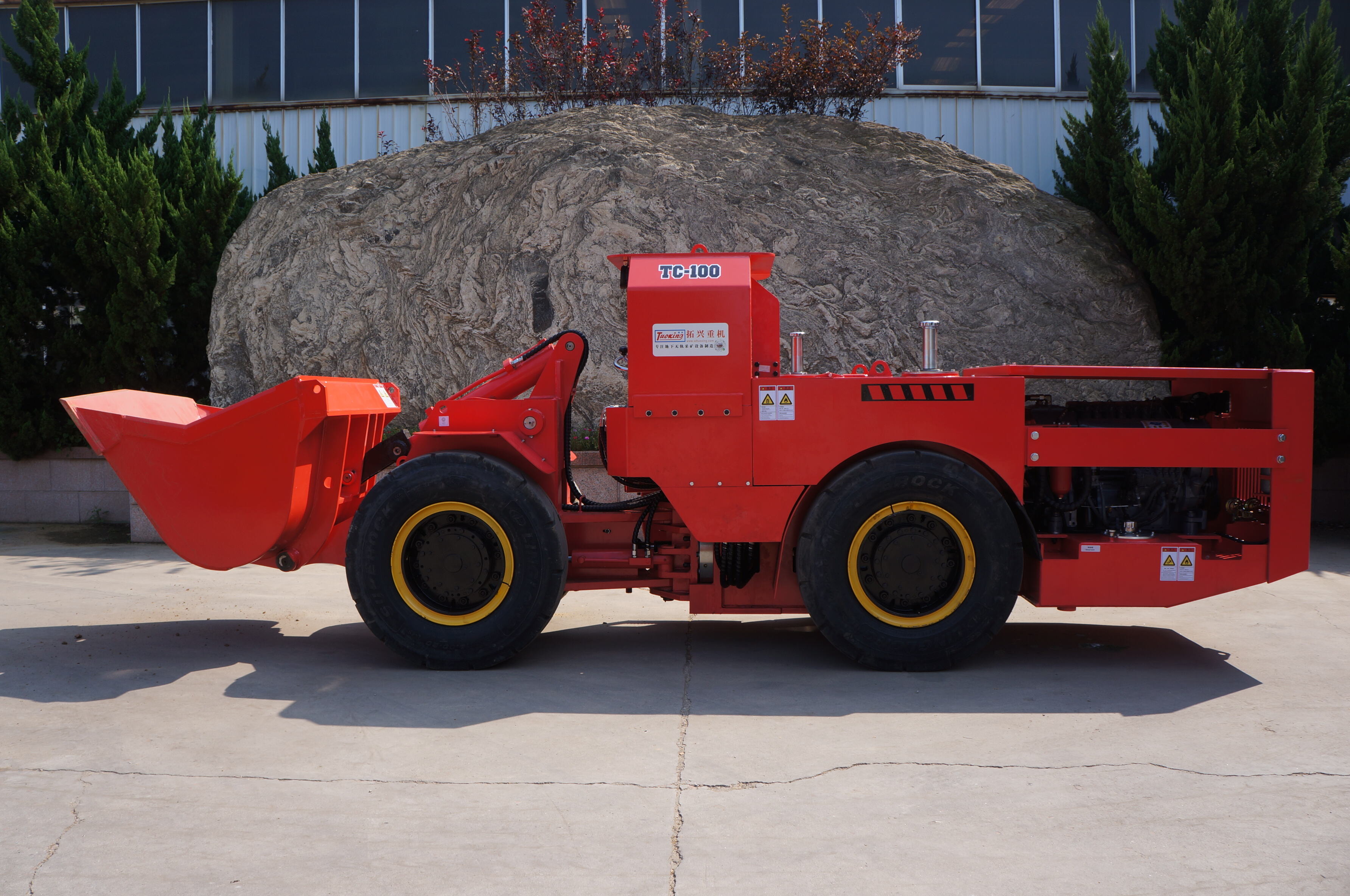
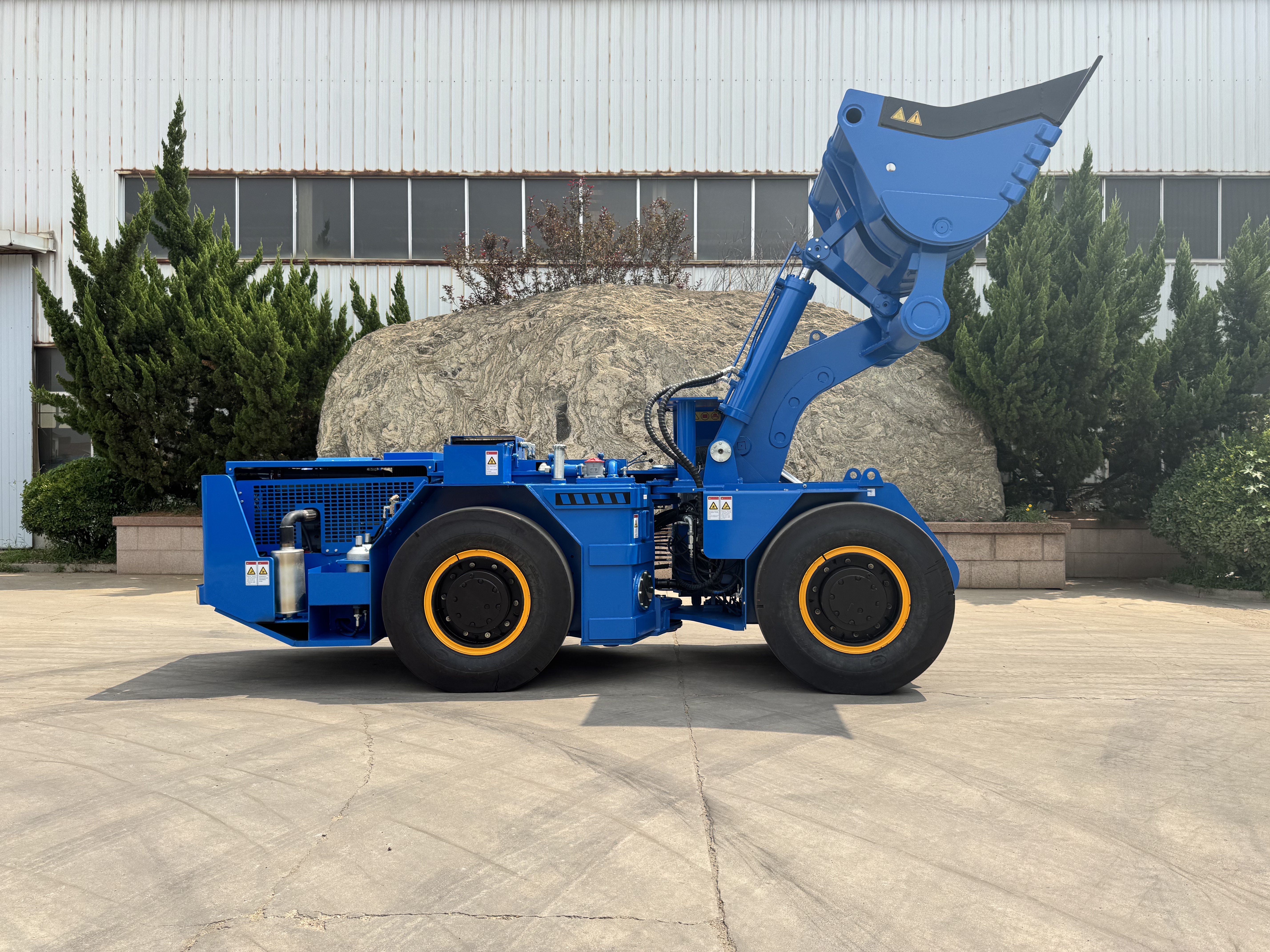
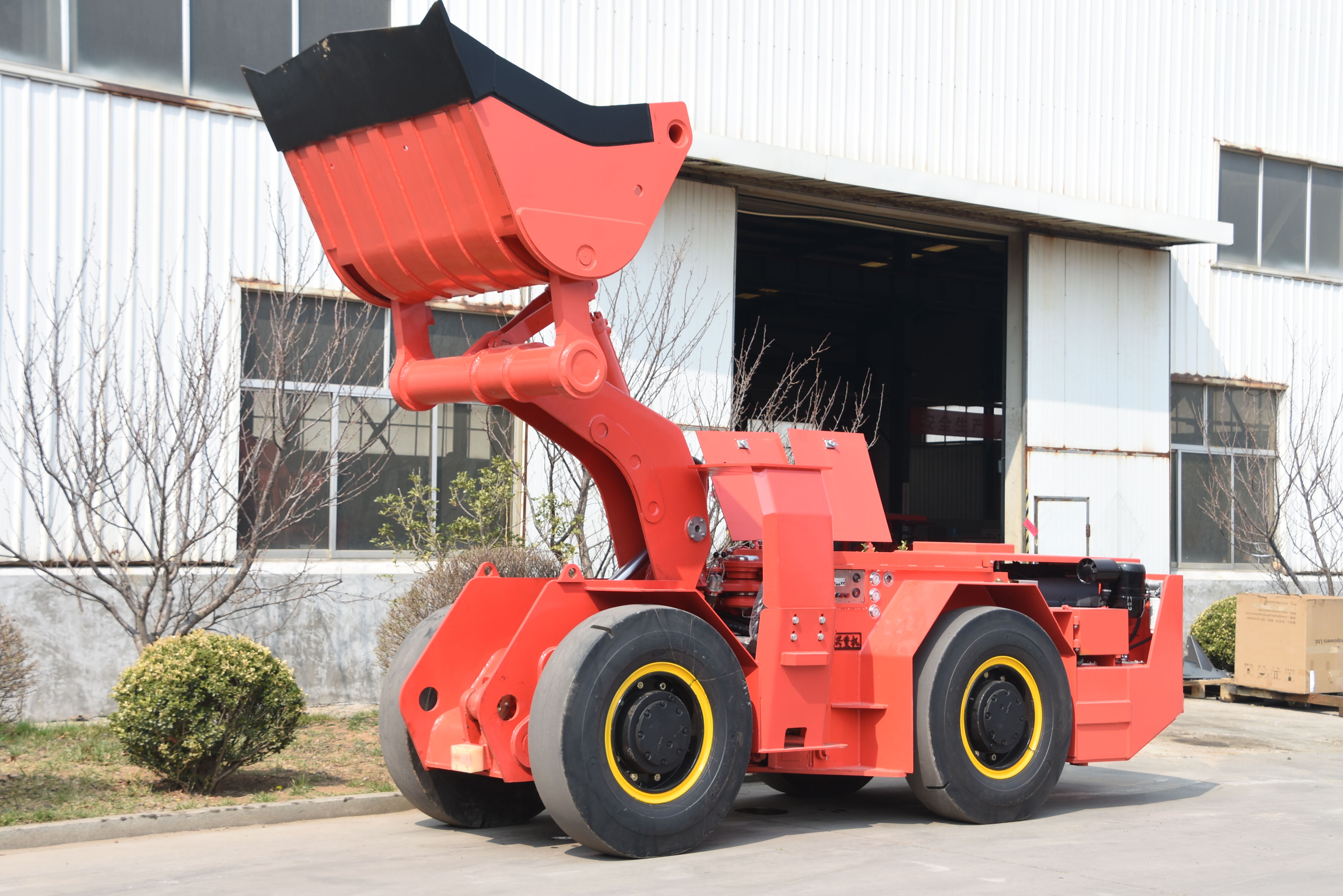
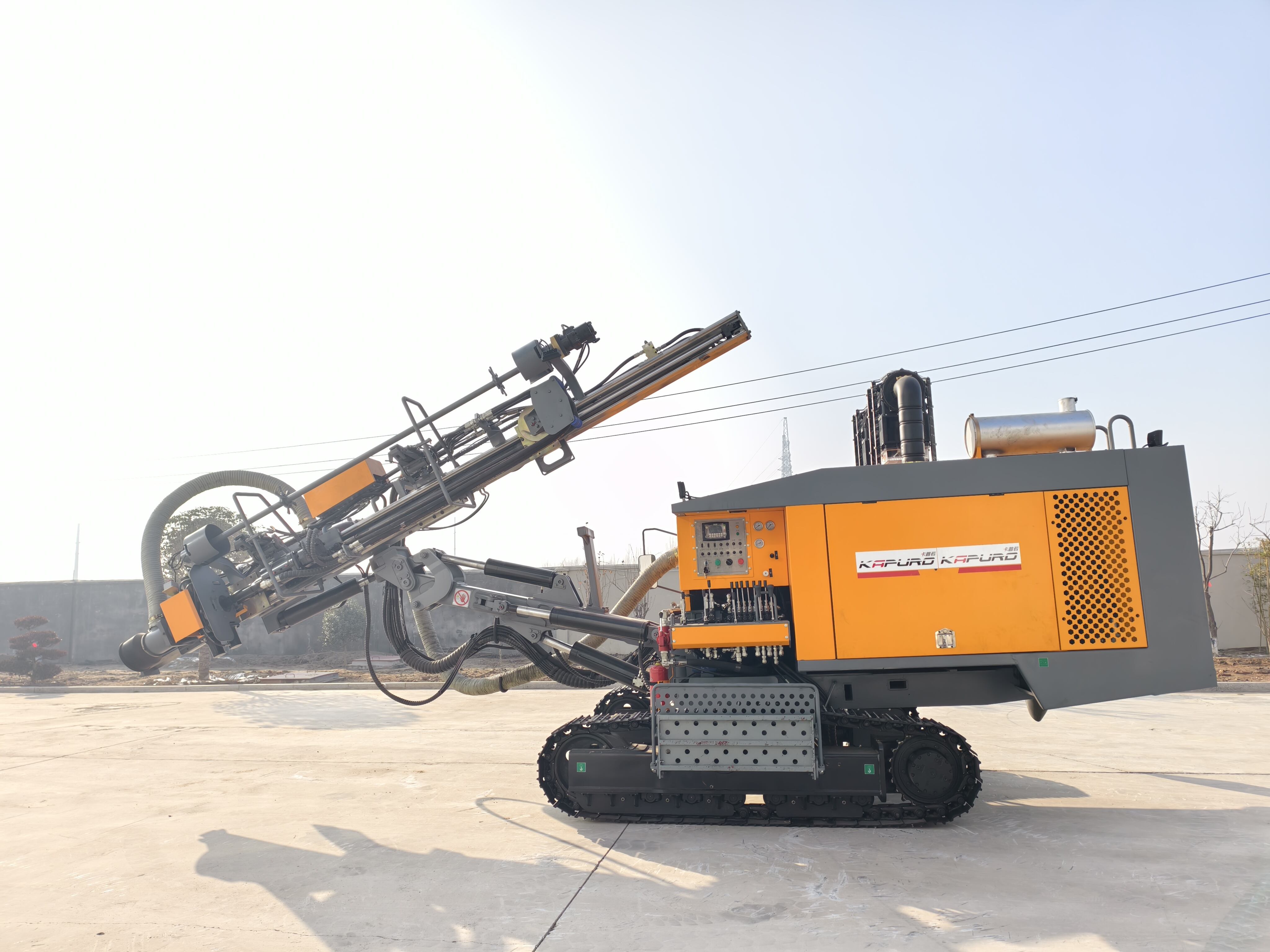
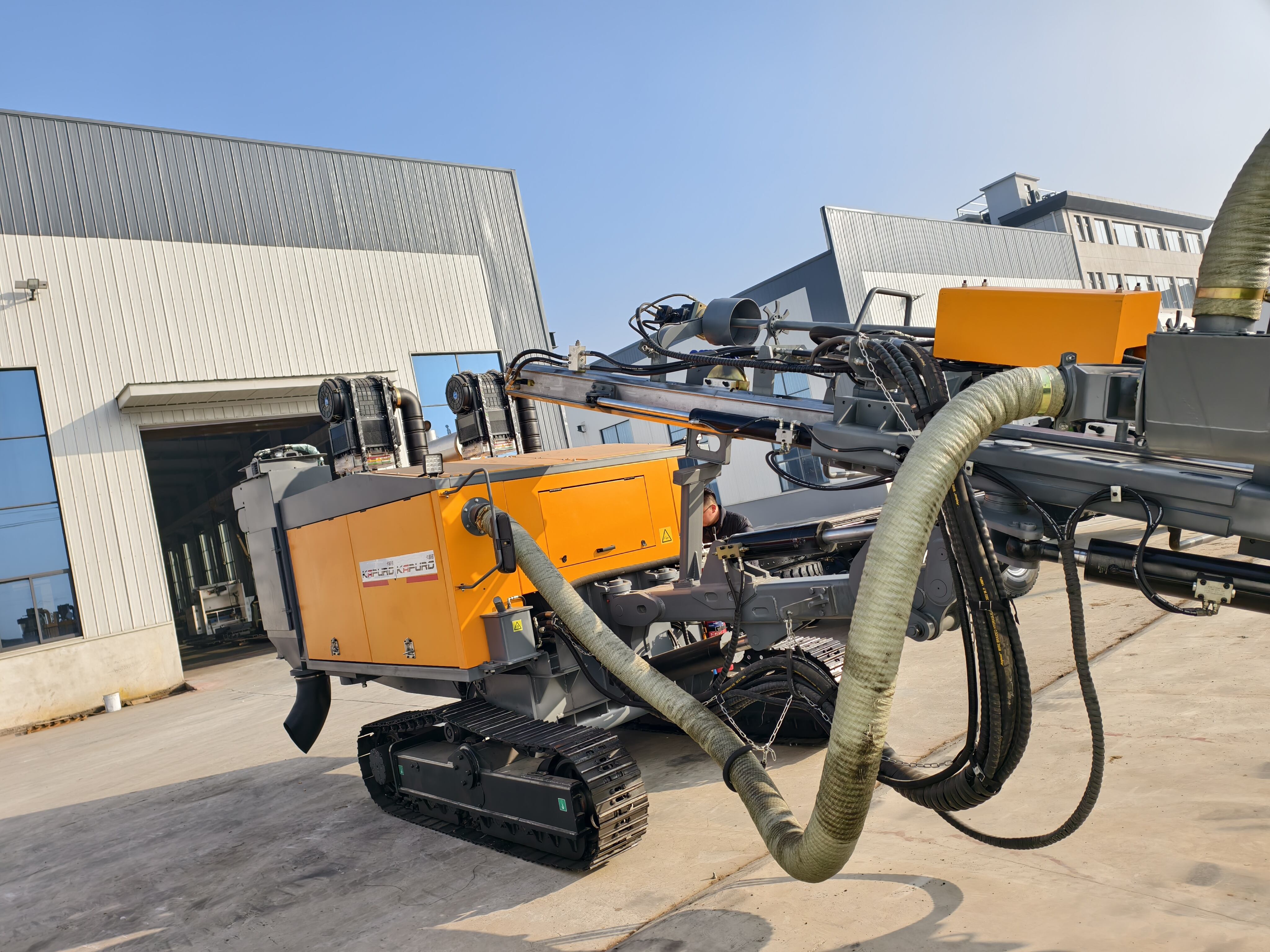
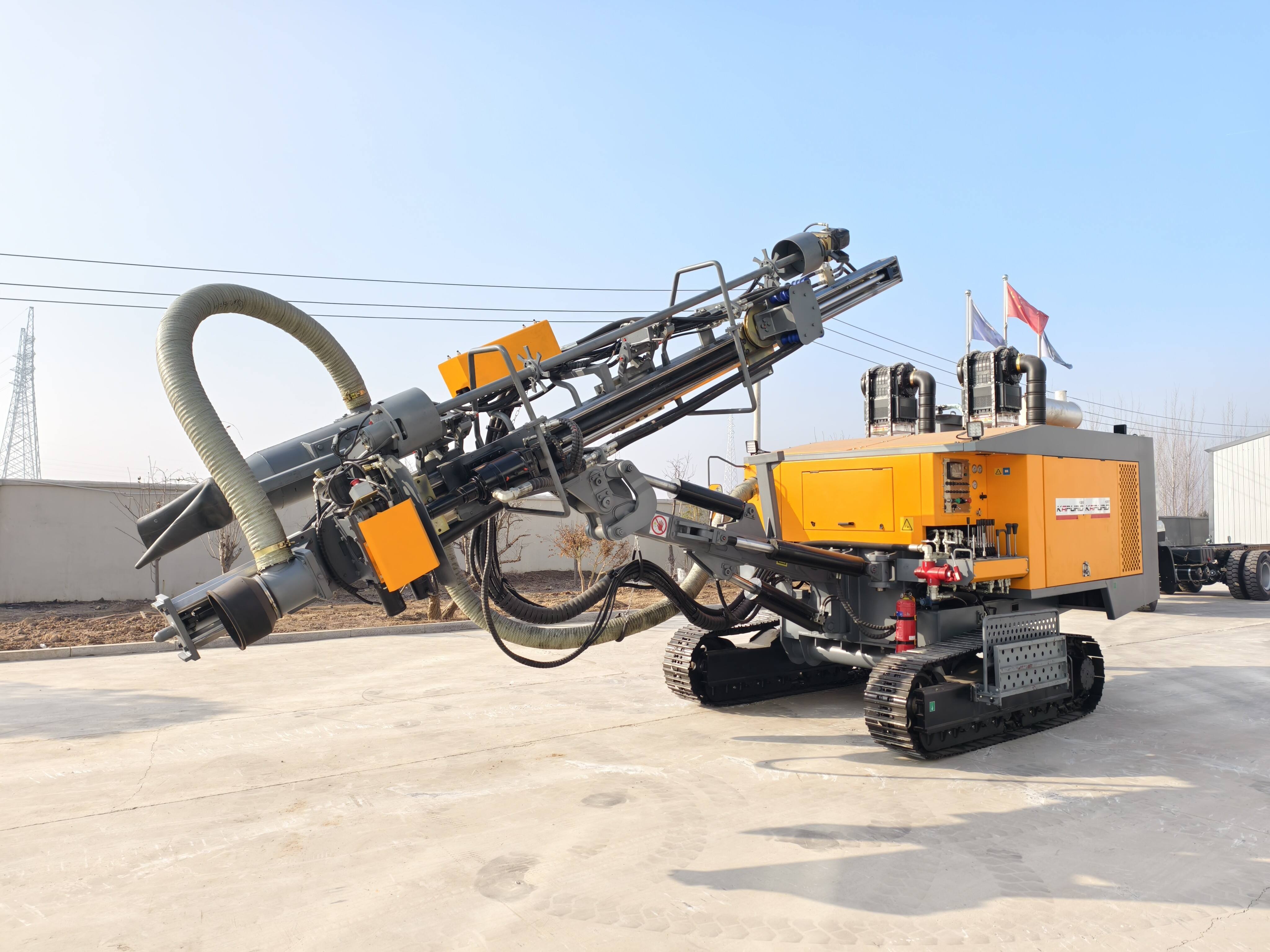
Drilling equipment in mining represents essential machinery that creates precise boreholes in rock formations and earth materials to facilitate mineral extraction operations. These sophisticated machines serve multiple critical functions throughout mining projects, including exploration sampling, blast hole creation, ground support installation, and dewatering operations. Modern drilling equipment in mining incorporates advanced hydraulic systems, automated control mechanisms, and powerful rotary or percussive drilling methods to penetrate various geological formations efficiently. The primary function involves creating holes of specific diameters and depths that enable mining companies to assess ore bodies, extract valuable minerals, and maintain safe working environments. Technological features include computer-aided positioning systems that ensure accurate hole placement, automated rod handling mechanisms that reduce manual labor requirements, and real-time monitoring displays that provide operators with instant feedback on drilling parameters such as penetration rates, torque levels, and hydraulic pressure readings. Applications span across surface mining operations where equipment drills blast holes for overburden removal, underground mining where machines create ventilation shafts and ore pass systems, and exploration projects where compact rigs obtain core samples for geological analysis. The equipment ranges from small portable units suitable for tight underground spaces to massive rotary blast hole drills capable of creating holes exceeding twelve inches in diameter and hundreds of feet in depth. Integration of dust suppression systems protects worker health while environmental sensors monitor operational impacts. Remote control capabilities allow operators to manage drilling equipment in mining from safe distances, particularly valuable in hazardous zones or unstable ground conditions. Maintenance accessibility features facilitate routine servicing, extending equipment lifespan and maximizing productivity during demanding mining cycles.

New Products

Mining operations benefit substantially from modern drilling equipment in mining through multiple practical advantages that directly impact project profitability and operational efficiency. First, these machines dramatically reduce the time required to complete drilling programs compared to manual or older mechanical methods, allowing mining companies to accelerate production schedules and bring mineral resources to market faster. The precision offered by contemporary drilling equipment in mining means fewer misaligned holes, which translates to optimized explosive placement in blasting operations and more effective fragmentation of rock materials. This accuracy reduces downstream processing costs because properly fragmented ore requires less crushing and grinding energy. Operators appreciate the enhanced safety features built into modern units, including protective cabins with climate control, emergency shutdown systems, and ergonomic controls that minimize physical strain during extended shifts. The fuel efficiency of current generation drilling equipment in mining delivers significant cost savings over equipment lifecycles, particularly important given volatile energy prices and environmental regulations favoring reduced emissions. Versatility represents another major advantage, as many units accept multiple drill bit configurations and can adapt to different rock hardnesses without requiring complete equipment changes. Maintenance requirements have decreased substantially through improved component durability and diagnostic systems that predict potential failures before breakdowns occur, reducing expensive unplanned downtime. The automation capabilities of drilling equipment in mining address labor shortage challenges facing the industry by enabling single operators to manage multiple functions previously requiring several workers. Data collection features provide management with valuable information about drilling performance, geological conditions encountered, and equipment utilization rates that inform better decision-making. Mobility improvements allow rapid repositioning between drill sites, maximizing productive hours and minimizing non-drilling time. The robust construction of quality drilling equipment in mining withstands harsh operating environments including extreme temperatures, abrasive dust, and continuous vibration, delivering reliable performance across diverse mining locations. Investment in proven drilling equipment in mining generates measurable returns through increased ore recovery rates, reduced operational costs per ton mined, and extended equipment service life that delays capital replacement expenses.

Practical Tips

Why Is Automation Becoming Key in Underground Mining Dump Truck Design?

17

Nov

Why Is Automation Becoming Key in Underground Mining Dump Truck Design?

The mining industry is experiencing a revolutionary transformation as automation technologies reshape how operations are conducted beneath the earth's surface. Modern underground mining dump truck systems are at the forefront of this technological ev...
View More
What Should Mining Companies Consider When Selecting an Underground LHD Loader?

11

Dec

What Should Mining Companies Consider When Selecting an Underground LHD Loader?

Underground mining operations require specialized equipment that can withstand harsh conditions while maintaining optimal performance and safety standards. The selection of an underground LHD loader represents one of the most critical decisions minin...
View More
How to Select a Scooptram 1 Cubic Yard for Narrow Vein Mines?

07

Jan

How to Select a Scooptram 1 Cubic Yard for Narrow Vein Mines?

Mining operations in narrow vein environments present unique challenges that require specialized equipment designed for confined spaces and efficient material handling. The selection of appropriate mining machinery becomes critical when working in re...
View More
LHD vs. Excavator: Why Underground Mines Choose One Over the Other

18

Mar

LHD vs. Excavator: Why Underground Mines Choose One Over the Other

Underground mining operations face critical equipment selection decisions that directly impact productivity, safety, and operational costs. When evaluating LHD vs excavator options, mining engineers must consider the unique challenges of subterranean...
View More

Get a Free Quote

Our representative will contact you soon.
Email
Name
Company Name
Message
0/1000

drilling equipment in mining

Advanced Automation Systems That Maximize Drilling Productivity

Advanced Automation Systems That Maximize Drilling Productivity

Modern drilling equipment in mining incorporates sophisticated automation technologies that fundamentally transform how mining companies approach their drilling programs and achieve production targets. These systems utilize integrated sensors, precision hydraulics, and intelligent control algorithms to optimize every aspect of the drilling process without requiring constant manual intervention from operators. The automation begins with hole positioning, where GPS coordinates and pre-programmed drilling patterns guide equipment to exact locations with centimeter-level accuracy, eliminating human error in hole placement that previously caused misalignment issues affecting blast effectiveness. Once positioned, automated drill mast angling systems adjust the drilling angle precisely according to engineering specifications, maintaining consistency across hundreds of holes that manual operation could never replicate. During penetration, sophisticated feed pressure control systems continuously adjust downward force based on real-time rock hardness measurements, preventing equipment damage from excessive force while maintaining optimal advance rates that maximize drilling speed. The automated rod handling mechanisms represent particularly valuable innovations, as they eliminate the dangerous manual work of connecting and disconnecting heavy drill rods, improving worker safety while accelerating the drilling cycle by reducing non-productive time between rod changes. Drilling equipment in mining with full automation capabilities allows single operators to manage complete drilling sequences from comfortable, protected cabins equipped with intuitive touchscreen interfaces displaying all critical parameters. These interfaces provide instant visibility into penetration rates, bit wear indicators, hydraulic system status, and fuel consumption metrics that help operators make informed decisions about drilling strategy adjustments. The data logging capabilities embedded in automated drilling equipment in mining create comprehensive records of every hole drilled, including depth achieved, time required, geological formations encountered, and any operational anomalies detected, providing valuable information for geological modeling and drilling optimization in future projects. Remote operation functionality extends automation benefits further by enabling operators to control drilling equipment in mining from distances exceeding one hundred meters, particularly valuable in hazardous areas with ground instability, blast zones requiring evacuation, or environments with toxic gas exposure risks.
Exceptional Versatility Across Diverse Mining Applications

Exceptional Versatility Across Diverse Mining Applications

The remarkable versatility of contemporary drilling equipment in mining enables these machines to adapt seamlessly across the full spectrum of mining operations, from initial exploration through production drilling to final site rehabilitation activities. This adaptability begins with interchangeable drilling methods, as many units accommodate both rotary and percussive drilling techniques, allowing operators to select the most effective approach based on specific geological conditions encountered at each drill site. When drilling through softer sedimentary formations, rotary methods with tri-cone or PDC bits provide rapid penetration and excellent hole quality, while harder crystalline rocks respond better to percussive hammers that deliver powerful impact energy to fracture resistant materials. The modular design philosophy underlying modern drilling equipment in mining permits quick configuration changes, with tool carriers accepting various drill head sizes ranging from compact exploration core barrels measuring just several inches to massive production blast hole bits exceeding twelve inches in diameter. This size flexibility means mining companies can utilize single equipment platforms for multiple purposes rather than maintaining separate specialized machines for each drilling requirement, substantially reducing capital investment needs and simplifying spare parts inventory management. Drilling equipment in mining demonstrates environmental versatility through mobility options including track-mounted configurations for rough terrain navigation, wheel-mounted versions for rapid highway transport between sites, and skid-mounted compact units that fit inside underground tunnels with limited clearance dimensions. Power system options further enhance versatility, with diesel engines providing independence in remote locations lacking electrical infrastructure, electric motors delivering emissions-free operation for underground applications requiring ventilation management, and hybrid systems combining both power sources for optimal efficiency across varying operational demands. The depth capabilities of drilling equipment in mining span from shallow three-meter holes for ground support anchors to deep five-hundred-meter exploration boreholes for ore body delineation, achieved through telescoping mast designs and high-capacity rod storage systems. Angle drilling capabilities enable drilling equipment in mining to create holes from vertical orientations through horizontal directional drilling, essential for accessing ore bodies beneath infrastructure, drilling under water bodies, or creating fan patterns from single setup positions that minimize equipment moves.
Superior Durability Engineered For Demanding Mining Environments

Superior Durability Engineered For Demanding Mining Environments

Drilling equipment in mining operates under extraordinarily harsh conditions that would quickly destroy machinery not specifically engineered for extreme durability, making robust construction and component longevity essential characteristics that directly impact total ownership costs and operational reliability. The structural frameworks of quality drilling equipment in mining utilize high-strength steel alloys and reinforced mounting points designed to withstand continuous vibration, impact loading from percussive drilling forces, and torsional stresses generated during bit binding incidents in fractured rock zones. These frames undergo extensive finite element analysis during design phases and rigorous field testing in actual mining conditions before production release, ensuring structural integrity throughout equipment service lives often exceeding fifteen years of intensive use. Component protection systems shield critical elements from the abrasive dust, corrosive moisture, and temperature extremes characteristic of mining environments, with sealed bearing assemblies preventing contamination ingress, stainless steel hydraulic cylinders resisting corrosion in wet conditions, and thermal insulation maintaining optimal operating temperatures for electronic control systems regardless of ambient conditions. The hydraulic systems powering drilling equipment in mining feature industrial-grade pumps, valves, and motors selected for million-cycle operational ratings, with high-capacity filtration systems removing contaminants before they cause component wear and redundant circuit designs allowing continued operation even if individual components fail. Drilling equipment in mining incorporates wear-resistant materials at all contact points, including hardened steel bushings at articulation joints, replaceable wear plates protecting structural surfaces from abrasion, and impact-resistant guards covering vulnerable components exposed to falling rock or accidental contact during operation. The electrical systems utilize military-specification connectors that maintain reliable contact despite vibration and environmental exposure, heavy-gauge wiring that prevents voltage drops under high current loads, and sealed control boxes that protect sensitive electronics from water, dust, and electromagnetic interference. Maintenance accessibility represents a crucial durability factor, with drilling equipment in mining designed for quick component replacement through hinged access panels, color-coded service points, and centralized lubrication systems that enable thorough preventive maintenance without extensive disassembly procedures. The drive train components including engines, transmissions, and final drives receive continuous cooling and filtration to prevent overheating and contamination damage during sustained high-load operation typical of production drilling cycles.


Get a Free Quote

Our representative will contact you soon.
Email
Name
Company Name
Message
0/1000