
 EN
EN
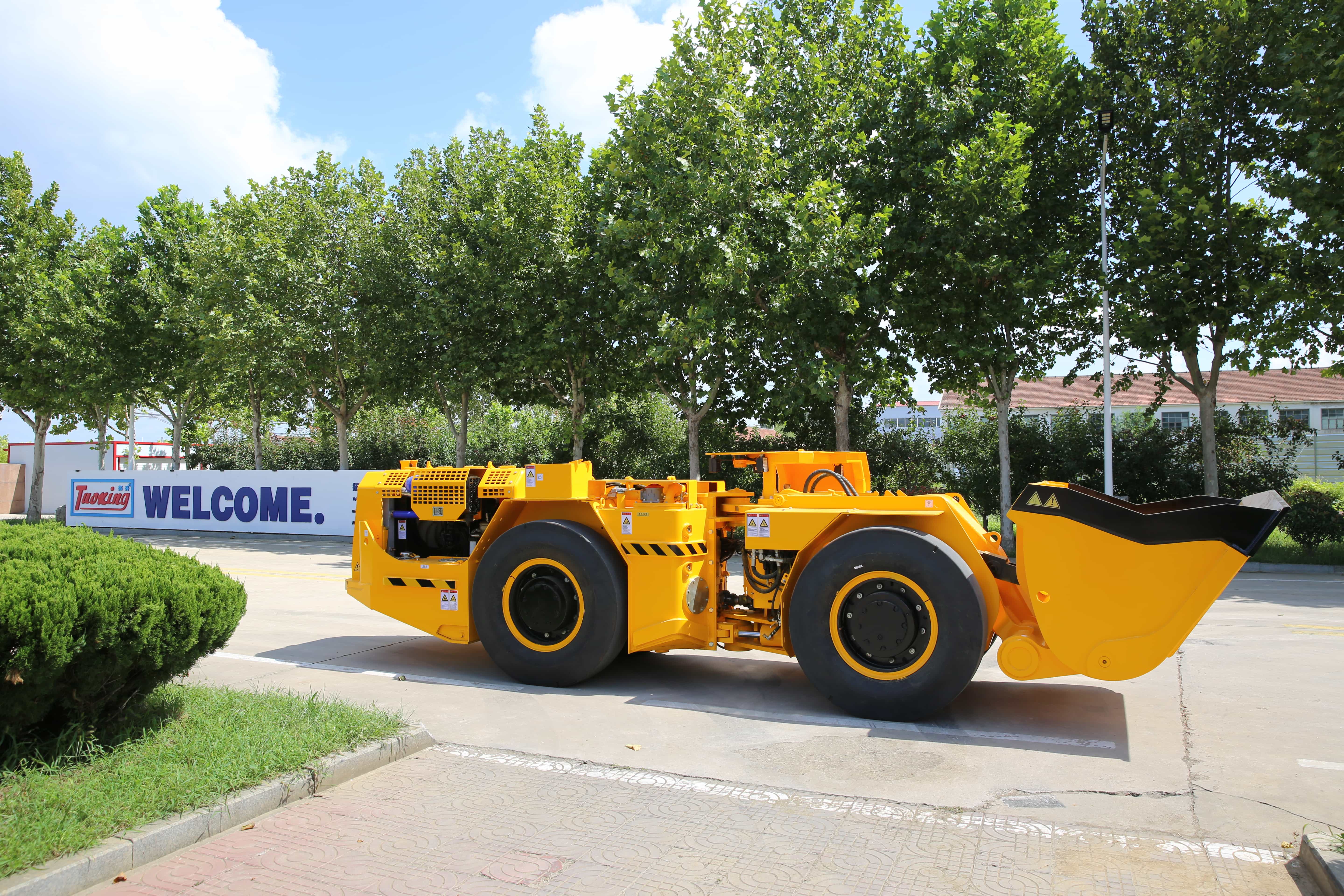
Underground mining operations present unique challenges that demand specialized equipment designed with safety as the paramount concern. Underground LHD loaders have evolved significantly over the decades, incorporating advanced safety technologies that protect operators while maintaining operational efficiency in confined and hazardous environments. These machines serve as the backbone of material handling in underground mines, where conventional surface equipment cannot operate effectively due to space constraints, ventilation requirements, and structural limitations.
Modern mining operations require equipment that can function reliably in environments characterized by limited visibility, potential gas accumulation, unstable ground conditions, and restricted escape routes. The integration of comprehensive safety systems in underground LHD loaders has become not just a regulatory requirement but an operational necessity that directly impacts productivity, worker welfare, and long-term project sustainability. Understanding these safety features helps mining professionals make informed decisions about equipment selection and operational protocols.
Operator Protection Systems
Reinforced Operator Cabins and ROPS Certification
The operator cabin represents the first line of defense in underground LHD loaders, requiring construction that exceeds surface equipment standards. Modern cabins feature reinforced steel frameworks designed to withstand impacts from falling rocks, structural collapses, and equipment collisions. Roll-Over Protective Structures (ROPS) certification ensures that the cabin maintains structural integrity during rollover incidents, protecting the operator from crushing injuries that could prove fatal in underground environments.
Advanced cabin designs incorporate energy-absorbing materials and crumple zones that dissipate impact forces while maintaining operator compartment integrity. The integration of laminated safety glass provides superior visibility while offering protection against flying debris and pressure differentials. These cabins also feature emergency escape hatches that allow rapid evacuation in case primary exits become blocked during emergencies.
Environmental Control and Air Quality Management
Underground environments often contain harmful gases, dust particles, and inadequate oxygen levels that pose serious health risks to equipment operators. Modern underground LHD loaders incorporate pressurized cabin systems that maintain positive air pressure, preventing the infiltration of contaminated air from the surrounding environment. These systems include high-efficiency particulate air (HEPA) filtration that removes fine dust particles and activated carbon filters for gas absorption.
Climate control systems maintain optimal temperature and humidity levels within the operator cabin, reducing fatigue and improving concentration during extended operating periods. Emergency breathing apparatus storage compartments provide immediate access to oxygen supplies in case of sudden gas releases or ventilation system failures. Integrated air quality monitoring displays continuously inform operators about environmental conditions, enabling proactive responses to changing underground atmospheres.
Collision Avoidance and Proximity Detection
Advanced Radar and Sensor Technologies
Contemporary underground LHD loaders utilize sophisticated radar systems that detect obstacles, personnel, and other equipment within predetermined safety zones. These systems operate effectively in dusty conditions and low-visibility environments typical of underground mining operations. Multi-frequency radar arrays provide three-dimensional mapping of the surrounding environment, enabling automatic braking and steering corrections to prevent collisions.
Ultrasonic sensors complement radar systems by providing precise distance measurements for close-proximity operations such as loading and dumping activities. These sensors maintain accuracy regardless of target material properties, ensuring consistent performance when working with various ore types and rock formations. Integration with machine control systems allows for automatic speed reduction and operation suspension when obstacles enter predefined safety perimeters.
Personnel Detection and Warning Systems
Underground mining environments require special attention to personnel safety due to limited escape routes and reduced visibility conditions. Modern underground LHD loaders incorporate thermal imaging cameras that detect human body heat signatures, distinguishing personnel from equipment and geological features. These systems provide real-time alerts to operators when workers enter hazardous zones around the machine.
Radio frequency identification (RFID) technology enables automatic detection of personnel wearing specially equipped safety gear, providing positive identification and location tracking. Audible and visual warning systems alert both operators and nearby workers to potential hazards, using distinctive signal patterns that remain effective in high-noise underground environments. Emergency shutdown capabilities allow immediate equipment deactivation when personnel detection systems identify imminent collision risks.
Fire Suppression and Emergency Response
Automated Fire Detection and Suppression
Underground environments present elevated fire risks due to combustible materials, electrical systems, and limited ventilation that can rapidly spread flames and toxic smoke. Modern underground LHD loaders feature comprehensive fire suppression systems that detect heat, smoke, and flame signatures using multiple sensor technologies. These systems activate within seconds of detection, deploying suppression agents before fires can spread to surrounding areas or compromise escape routes.
Dry chemical suppression systems prove most effective in underground applications, providing rapid flame knockdown without conducting electricity or damaging electronic components. These systems include manual activation switches accessible from both operator positions and external locations, enabling emergency response even when automatic systems fail. Regular pressure monitoring ensures suppression systems remain ready for immediate deployment throughout equipment operational life.
Emergency Communication and Evacuation Protocols
Underground LHD loaders require robust communication systems that maintain connectivity with surface control centers and emergency response teams during critical incidents. Modern equipment incorporates multiple communication technologies including two-way radio, cellular repeaters, and hardwired communication lines that provide redundant contact methods when primary systems become compromised.
Emergency evacuation lighting systems activate automatically during power failures or emergency situations, providing illuminated pathways to safety exits. Battery backup systems ensure these lights remain operational for extended periods, accommodating delayed rescue operations in complex underground layouts. GPS tracking capabilities enable surface teams to locate equipment and personnel during emergency response operations, facilitating rapid assistance deployment.
Maintenance Safety and Diagnostic Systems
Predictive Maintenance and Component Monitoring
Underground LHD loaders operate in harsh conditions that accelerate component wear and increase failure risks, making predictive maintenance essential for safe operations. Advanced diagnostic systems continuously monitor critical components including hydraulic pressure, engine temperatures, brake performance, and structural integrity. These systems identify developing problems before they result in catastrophic failures that could endanger operators or nearby personnel.
Vibration analysis sensors detect bearing wear, alignment issues, and structural fatigue that indicate impending component failures. Oil analysis systems monitor hydraulic fluid contamination and degradation, providing early warning of system problems that could result in sudden operational failures. Integration with maintenance management software enables scheduling of preventive maintenance activities that minimize equipment downtime while maximizing operational safety.
Safe Maintenance Access and Lockout Systems
Underground maintenance operations require special safety considerations due to confined spaces, limited lighting, and potential exposure to hazardous materials. Modern underground LHD loaders feature strategically positioned maintenance access points that provide safe working positions for technicians while maintaining structural protection from underground hazards. Non-slip surfaces and integrated handholds reduce slip and fall risks during maintenance activities.
Electronic lockout systems prevent accidental equipment startup during maintenance operations, requiring multiple authorization steps before equipment can be reactivated. These systems maintain detailed logs of maintenance activities and authorization codes, ensuring accountability and traceability for all service operations. Emergency stop systems remain accessible from all maintenance positions, enabling immediate equipment shutdown if hazardous conditions develop during service activities.
Lighting and Visibility Enhancement
High-Performance LED Illumination Systems
Underground operations depend heavily on artificial lighting due to the absence of natural illumination in mining environments. Modern underground LHD loaders incorporate high-intensity LED lighting arrays that provide superior illumination while consuming minimal electrical power. These lighting systems feature multiple beam patterns including flood lights for general area illumination and focused spotlights for precision operations.
LED technology offers significant advantages over traditional lighting including longer operational life, reduced heat generation, and superior shock resistance that withstands underground vibrations and impacts. Color temperature optimization enhances operator visual acuity and reduces eye strain during extended operating periods. Emergency lighting circuits maintain critical illumination even when primary electrical systems fail, ensuring safe equipment shutdown and operator evacuation.
Camera Systems and Digital Monitoring
Underground LHD loaders utilize multiple camera systems that provide comprehensive visibility around the machine, eliminating blind spots that could conceal hazards or personnel. High-definition cameras with infrared capabilities maintain image quality in dusty conditions and complete darkness typical of underground environments. Real-time image processing identifies potential hazards and automatically alerts operators to changing conditions.
Digital recording systems capture operational footage that supports accident investigation, training development, and operational analysis. These systems include tamper-proof storage that maintains data integrity for regulatory compliance and legal requirements. Remote monitoring capabilities enable surface supervisors to observe underground operations and provide immediate guidance during challenging or hazardous situations.
FAQ
What are the most critical safety features for underground LHD loaders?
The most critical safety features include reinforced ROPS-certified operator cabins, comprehensive fire suppression systems, collision avoidance radar, personnel detection technology, and emergency communication systems. These features work together to protect operators from the primary hazards encountered in underground mining environments including structural collapses, fires, equipment collisions, and communication failures during emergencies.
How do modern underground LHD loaders prevent accidents in low-visibility conditions?
Modern equipment utilizes multiple technologies including high-intensity LED lighting arrays, thermal imaging cameras, radar-based obstacle detection, and ultrasonic proximity sensors. These systems provide comprehensive environmental awareness that enables safe operation even in complete darkness or heavy dust conditions typical of underground mining operations.
What maintenance safety features are essential for underground equipment?
Essential maintenance safety features include electronic lockout systems that prevent accidental startup, predictive diagnostic monitoring that identifies potential failures before they occur, safe access platforms with non-slip surfaces, and emergency stop systems accessible from all maintenance positions. These features ensure technician safety while maintaining equipment reliability in underground environments.
How do emergency communication systems function in underground mining operations?
Emergency communication systems utilize redundant technologies including two-way radio, cellular repeaters, hardwired communication lines, and satellite connectivity where available. These systems maintain contact with surface control centers and emergency response teams even when primary communication networks fail, ensuring rapid assistance during critical incidents underground.
Table of Contents
- Operator Protection Systems
- Collision Avoidance and Proximity Detection
- Fire Suppression and Emergency Response
- Maintenance Safety and Diagnostic Systems
- Lighting and Visibility Enhancement
-
FAQ
- What are the most critical safety features for underground LHD loaders?
- How do modern underground LHD loaders prevent accidents in low-visibility conditions?
- What maintenance safety features are essential for underground equipment?
- How do emergency communication systems function in underground mining operations?