China Locomotive Solutions - Advanced Railway Technology for Modern Transportation

All Categories

china locomotive

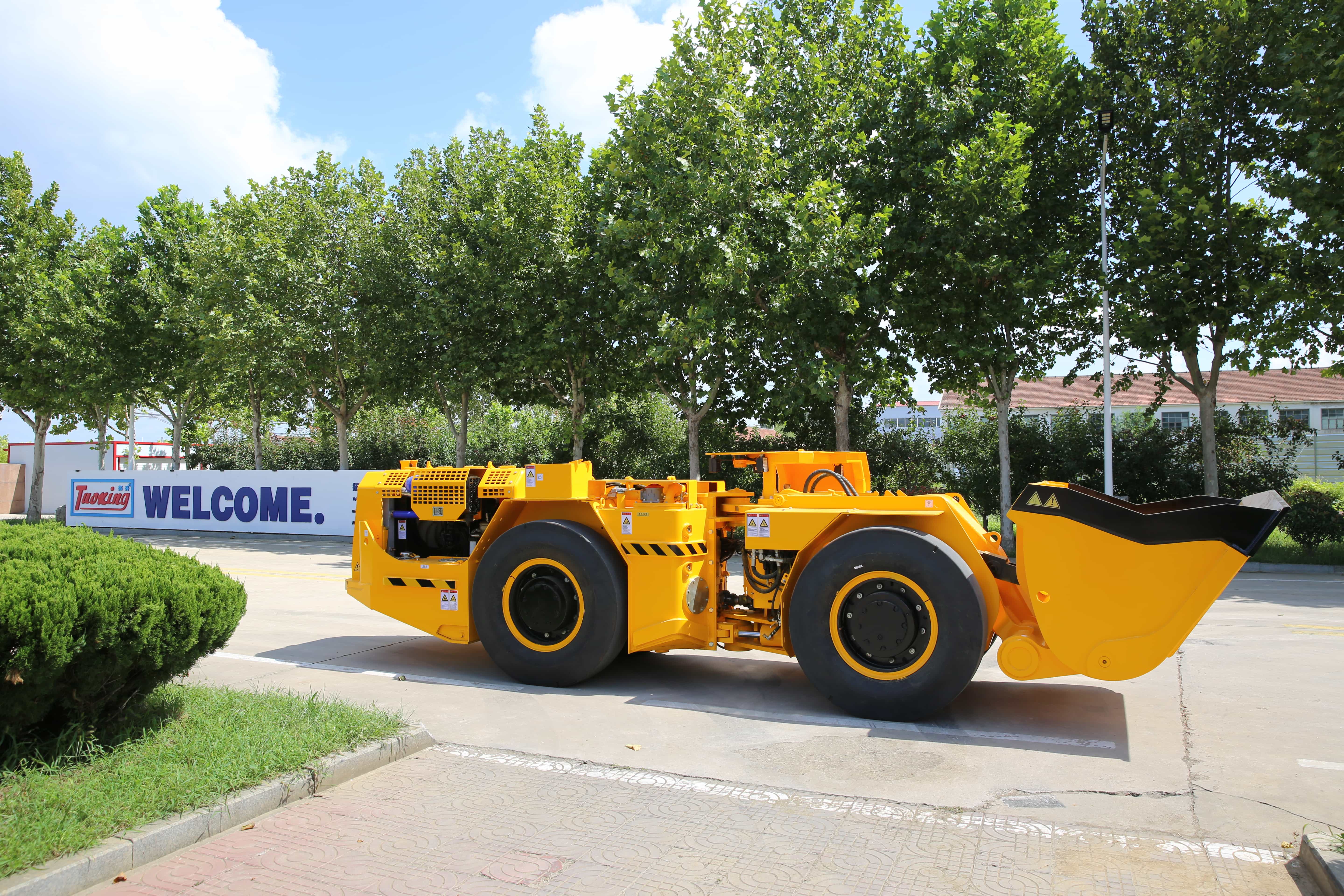
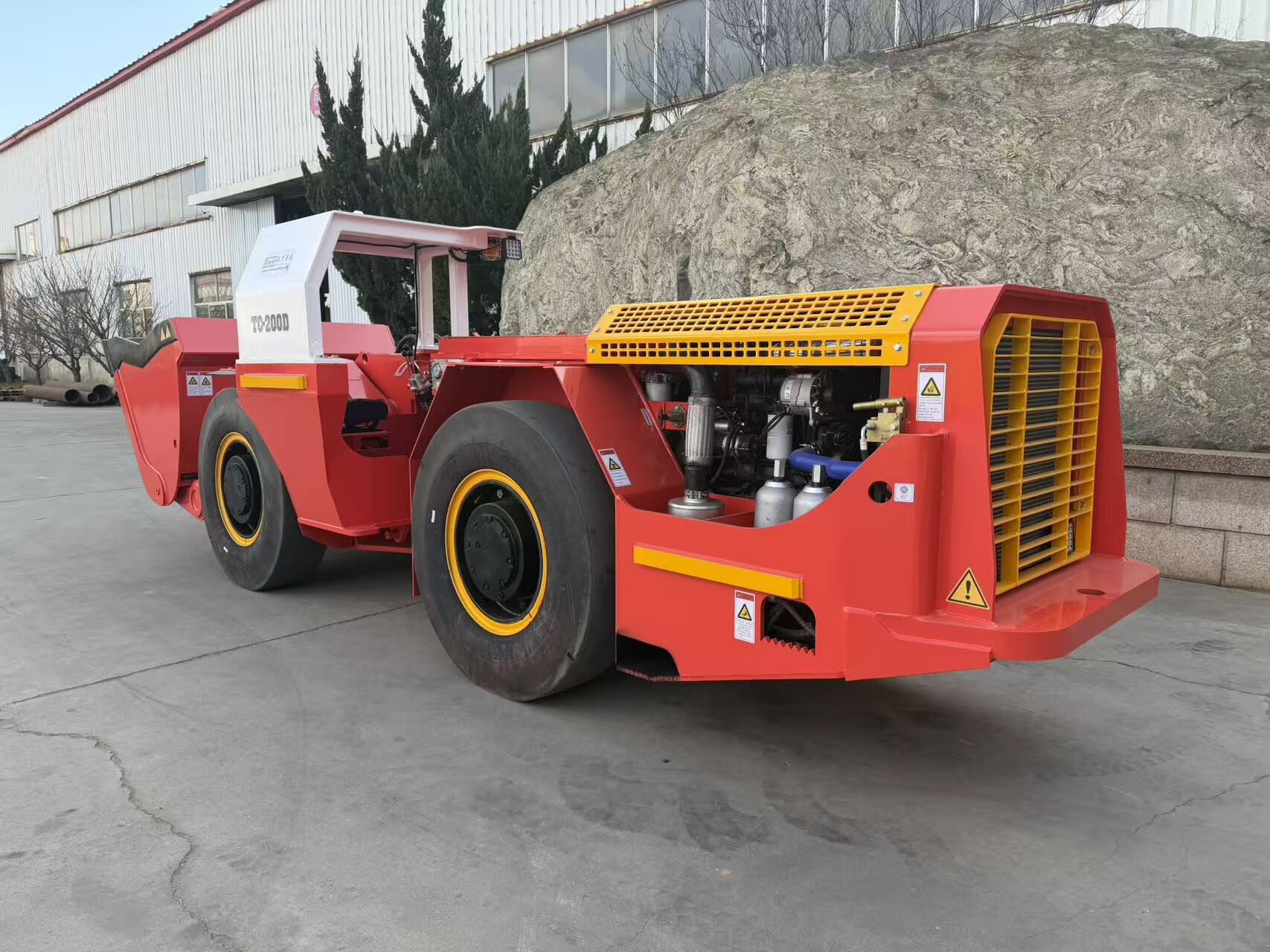
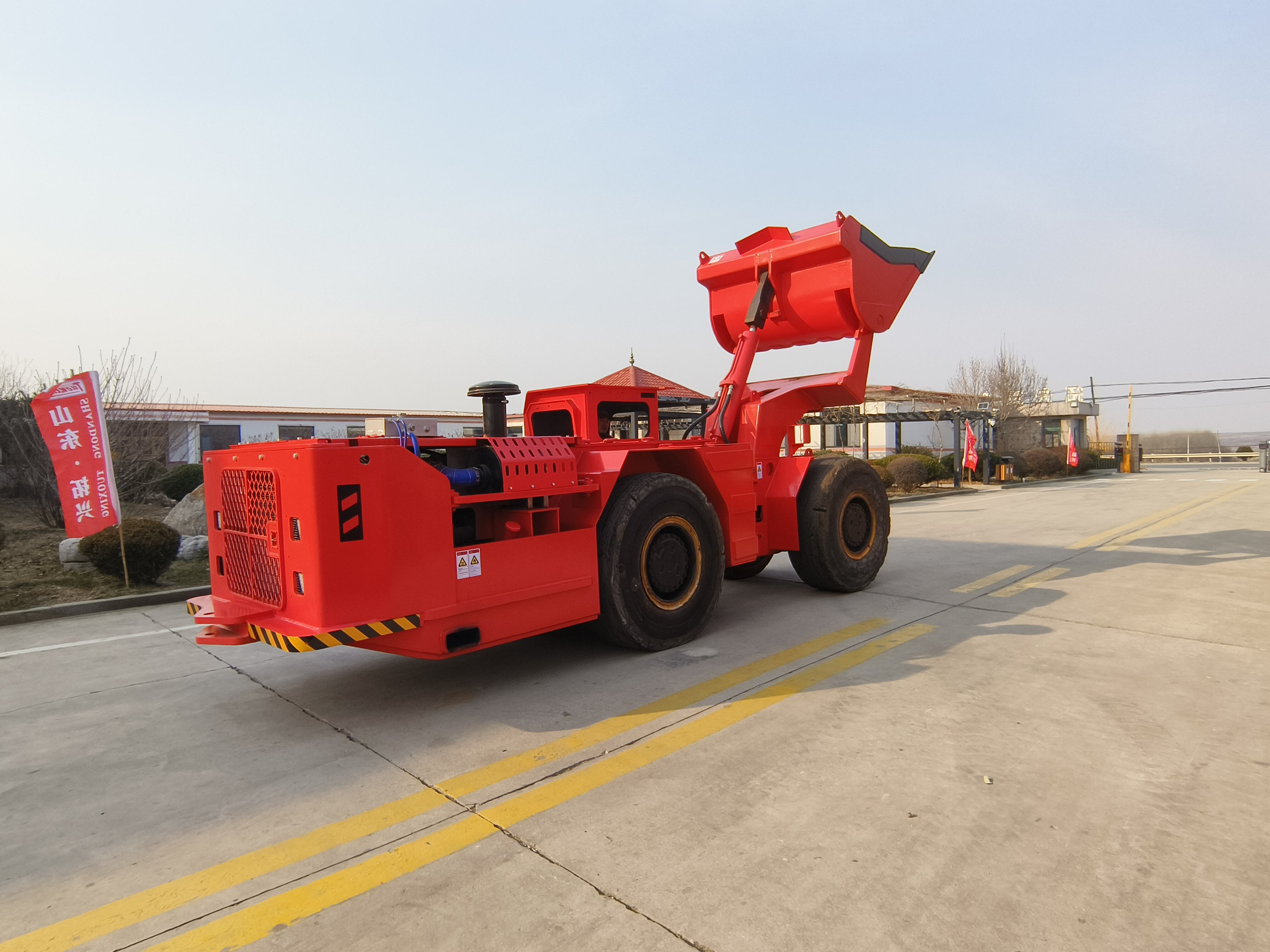
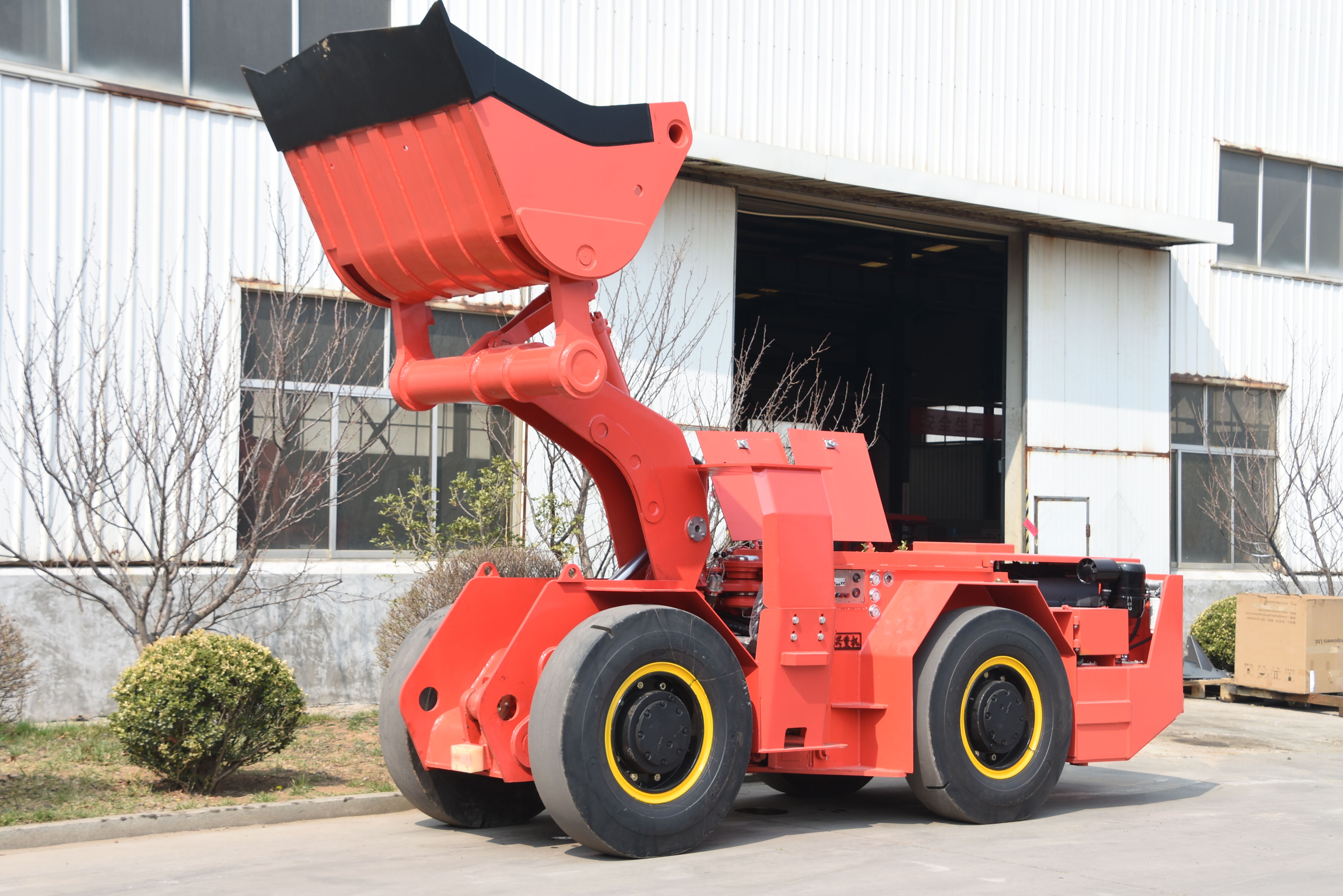
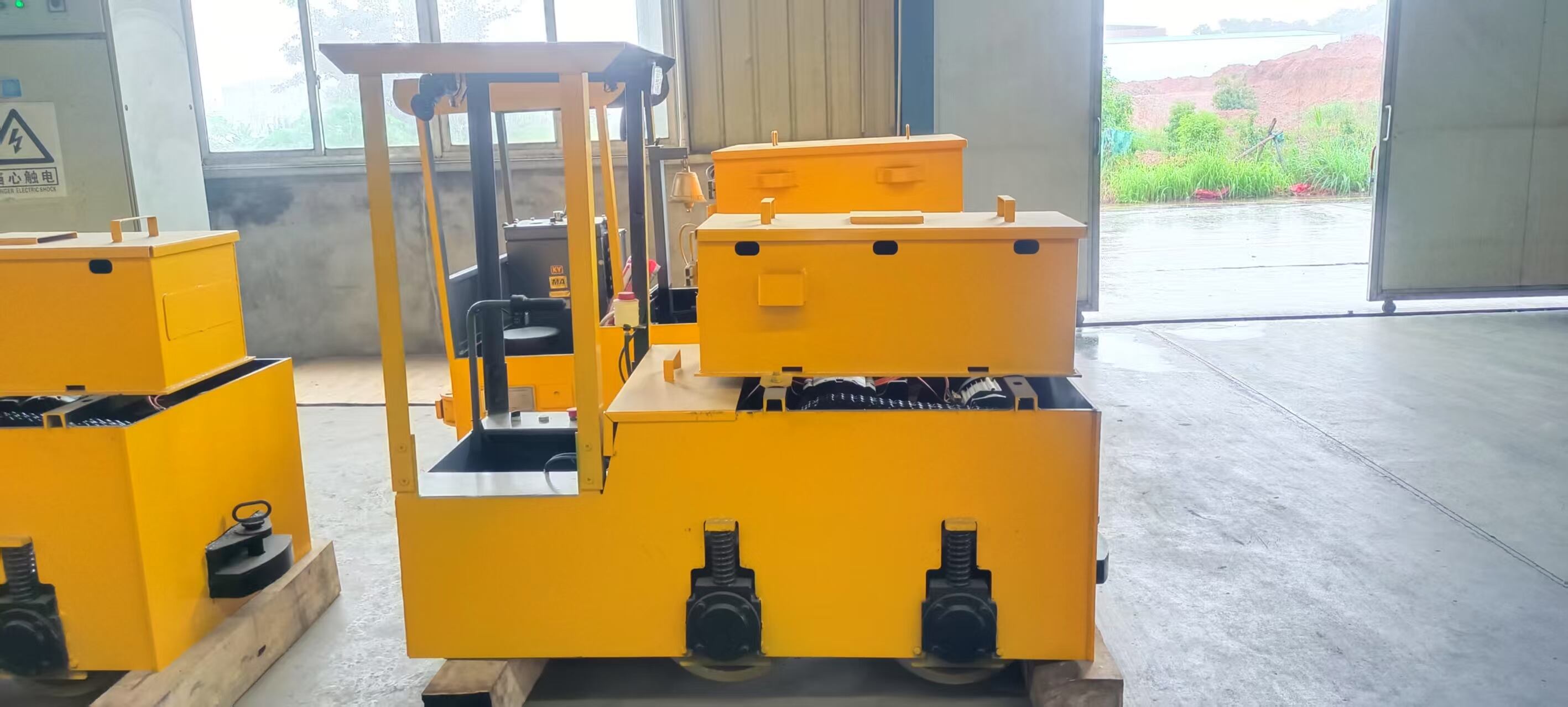
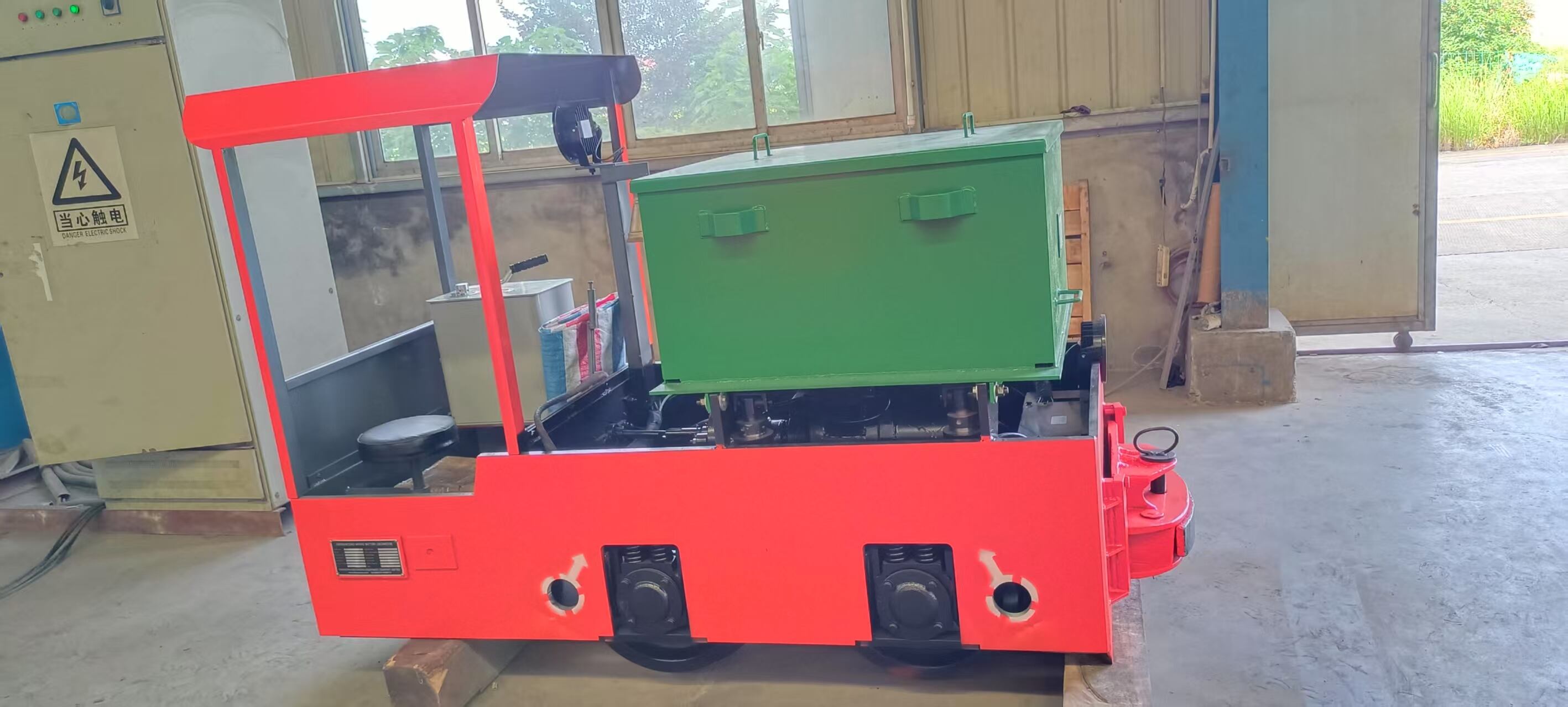
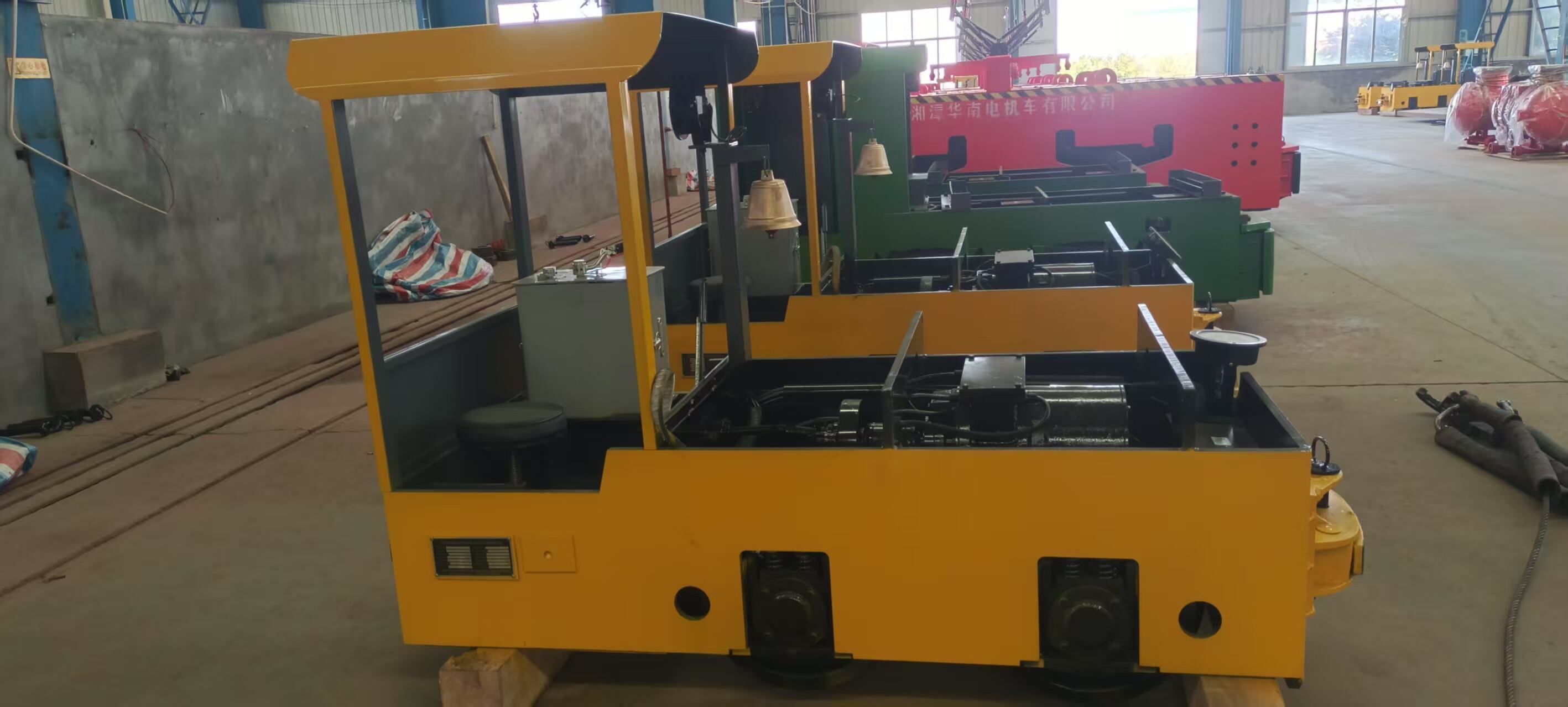
The china locomotive represents a significant advancement in railway transportation technology, combining decades of engineering expertise with modern innovation to deliver powerful and efficient rail solutions. These locomotives are manufactured by leading Chinese railway equipment companies and have become integral components of both domestic and international railway networks. The primary functions of china locomotive systems include hauling freight trains across vast distances, transporting passengers in comfort and safety, and providing reliable power for various railway operations. Chinese manufacturers have developed multiple locomotive types, including electric locomotives, diesel locomotives, and hybrid models, each designed to meet specific operational requirements and environmental conditions. The technological features integrated into china locomotive designs showcase cutting-edge developments in traction control, energy efficiency, and intelligent monitoring systems. Advanced microprocessor-based control systems enable precise management of power distribution, ensuring optimal performance across different terrains and weather conditions. The locomotives incorporate regenerative braking technology that captures kinetic energy during deceleration and converts it back into usable electrical power, significantly reducing energy consumption. Modern china locomotive models feature sophisticated diagnostic systems that continuously monitor critical components, enabling predictive maintenance and minimizing unexpected breakdowns. The applications of china locomotive technology span multiple sectors, from high-speed passenger rail services connecting major metropolitan areas to heavy-haul freight operations transporting coal, minerals, and containerized goods. International markets have increasingly adopted china locomotive solutions for mining operations, port logistics, and national railway modernization projects. The versatility of these locomotives allows them to operate efficiently in extreme climates, from the frigid conditions of northern regions to the intense heat of desert environments, making them suitable for deployment across diverse geographical locations worldwide.

New Product Releases

Choosing a china locomotive for your railway operations delivers numerous practical benefits that directly impact your operational efficiency and bottom line. The cost-effectiveness of these locomotives stands out as a primary advantage, offering competitive pricing without compromising on quality or performance capabilities. Compared to similar products from other manufacturers, china locomotive options typically provide 20 to 30 percent lower acquisition costs, allowing railway operators to expand their fleets or modernize existing equipment within reasonable budget constraints. The fuel efficiency of modern china locomotive designs translates to substantial operational savings over the equipment's lifespan. Advanced engine management systems optimize fuel consumption by continuously adjusting power output to match actual load requirements, reducing waste and lowering operating expenses. For electric models, the energy efficiency improvements mean reduced electricity bills and smaller carbon footprints, aligning with global sustainability initiatives. Maintenance requirements for china locomotive units have been streamlined through thoughtful engineering and component standardization. The modular design philosophy adopted by Chinese manufacturers means that technicians can quickly identify and replace faulty parts without extensive downtime. Spare parts availability has improved dramatically as manufacturing scales have increased, and many components are now readily accessible through established distribution networks worldwide. This parts accessibility ensures that your locomotives remain operational with minimal interruption, maximizing revenue-generating opportunities. The reliability record of china locomotive products has strengthened considerably as manufacturers have implemented rigorous quality control measures and incorporated feedback from global operators. Many models now routinely achieve mean distances between failures that meet or exceed industry benchmarks, providing operators with confidence in their investment. Training and support services offered by china locomotive manufacturers have expanded to include comprehensive programs for operators, maintenance personnel, and management teams. These educational initiatives ensure that your staff can extract maximum value from the equipment while adhering to best practices for safety and efficiency. The technological adaptability of china locomotive platforms allows for future upgrades as new technologies emerge, protecting your investment against obsolescence. Communication interfaces support integration with modern railway management systems, enabling real-time tracking, performance monitoring, and coordinated scheduling across your entire network. The environmental performance of newer china locomotive models addresses growing regulatory requirements and corporate responsibility objectives, with reduced emissions, lower noise levels, and improved energy recovery systems that minimize environmental impact while maintaining strong operational performance.

Practical Tips

What Safety Features Are Essential in Modern Underground LHD Loaders?

11

Dec

What Safety Features Are Essential in Modern Underground LHD Loaders?

Underground mining operations present unique challenges that demand specialized equipment designed with safety as the paramount concern. Underground LHD loaders have evolved significantly over the decades, incorporating advanced safety technologies t...
View More
What Factors Affect the Performance of an Underground Mining Scoop?

07

Jan

What Factors Affect the Performance of an Underground Mining Scoop?

The performance of an underground mining scoop depends on numerous interconnected factors that directly impact productivity, safety, and operational efficiency in mining operations. Understanding these variables is crucial for mining engineers and op...
View More
Why Some Mines Still Choose Diesel Over Electric Underground Trucks

18

Mar

Why Some Mines Still Choose Diesel Over Electric Underground Trucks

The underground mining industry stands at a technological crossroads where electric vehicle adoption accelerates across surface operations, yet many mine operators continue selecting diesel-powered underground mining trucks for their critical hauling...
View More
LHD vs. Excavator: Why Underground Mines Choose One Over the Other

18

Mar

LHD vs. Excavator: Why Underground Mines Choose One Over the Other

Underground mining operations face critical equipment selection decisions that directly impact productivity, safety, and operational costs. When evaluating LHD vs excavator options, mining engineers must consider the unique challenges of subterranean...
View More

Get a Free Quote

Our representative will contact you soon.
Email
Name
Company Name
Message
0/1000

china locomotive

Advanced Energy Management and Environmental Performance

Advanced Energy Management and Environmental Performance

The energy management capabilities integrated into china locomotive technology represent a transformative approach to railway efficiency and environmental stewardship. At the core of this innovation lies a sophisticated power control system that dynamically adjusts energy consumption based on real-time operational demands, route topography, and load characteristics. This intelligent system continuously analyzes data from multiple sensors monitoring speed, acceleration, gradient, and traction conditions to determine the optimal power delivery strategy for any given moment. The result is a dramatic reduction in energy waste compared to conventional locomotive designs that operate with less adaptive control mechanisms. For electric china locomotive models, the regenerative braking system captures up to 30 percent of the energy typically lost during braking events and feeds it back into the overhead catenary system or onboard energy storage devices. This recovered energy can power auxiliary systems or assist with subsequent acceleration, creating a virtuous cycle of energy conservation that accumulates substantial savings over millions of operational kilometers. Diesel variants of china locomotive technology incorporate advanced combustion optimization systems that ensure complete fuel burning, reducing particulate emissions and improving fuel economy by up to 15 percent compared to older generation designs. The environmental benefits extend beyond energy efficiency to encompass comprehensive emission control systems that meet stringent international standards including Euro Stage V and EPA Tier 4 requirements. Selective catalytic reduction technology, diesel particulate filters, and exhaust gas recirculation systems work in concert to minimize nitrogen oxides, particulate matter, and hydrocarbon emissions. Noise reduction features built into china locomotive designs address community concerns in urban corridors and residential areas. Acoustic insulation materials, optimized cooling fan designs, and vibration damping systems reduce operational noise by 8 to 12 decibels compared to legacy equipment, improving quality of life for people living near railway lines while maintaining full operational capability. The long-term cost implications of these energy management features are substantial. Railway operators report fuel or electricity cost reductions ranging from 18 to 25 percent annually, which translates to millions in savings for large fleets. These financial benefits complement the environmental advantages, creating a compelling business case for adopting china locomotive technology as part of fleet modernization or expansion initiatives.
Robust Construction and Operational Reliability

Robust Construction and Operational Reliability

The structural integrity and reliability of china locomotive products stem from rigorous engineering standards and extensive real-world testing across demanding operational environments. Manufacturing facilities employ advanced welding techniques, precision machining, and quality inspection protocols that ensure each locomotive frame meets exacting specifications for strength, durability, and dimensional accuracy. The underframe construction utilizes high-tensile steel alloys specifically formulated to withstand the cyclic stresses of railway operation, including vertical loads from cargo weight, longitudinal forces during acceleration and braking, and lateral forces when navigating curves. These materials undergo metallurgical testing to verify grain structure, tensile strength, and fatigue resistance before incorporation into production units. Corrosion protection measures applied during china locomotive manufacturing include multi-layer coating systems that shield critical components from moisture, salt, and industrial pollutants. The primer, intermediate, and topcoat layers create a barrier that extends equipment lifespan significantly, particularly important for locomotives operating in coastal regions, mining environments, or areas with harsh winters where road salt exposure is common. Component selection prioritizes proven technologies with established reliability records, while incorporating innovations that offer measurable performance improvements. Traction motors, for instance, utilize bearing systems rated for extended maintenance intervals, reducing the frequency of workshop visits and associated costs. Electrical systems feature redundant circuits for critical functions, ensuring that single-point failures do not compromise operational safety or capability. The bogies supporting china locomotive assemblies receive particular engineering attention, as these components directly influence ride quality, track wear, and derailment resistance. Primary and secondary suspension systems are tuned to balance passenger comfort in locomotive cabs with the need to maintain consistent wheel-rail contact forces across varying track conditions. Wheel profiles are designed to minimize wear while optimizing traction characteristics for both freight and passenger service applications. Field data collected from china locomotive operators worldwide demonstrates impressive reliability metrics, with many units achieving availability rates exceeding 95 percent over multi-year service periods. This operational readiness translates directly to revenue protection, as locomotives remain in service generating income rather than sitting idle in maintenance facilities. The predictive maintenance systems incorporated into modern china locomotive designs further enhance reliability by alerting operators to developing issues before they cause failures, enabling scheduled interventions during planned maintenance windows rather than emergency repairs that disrupt service and incur premium costs for expedited parts and labor.
Versatile Application Range and Customization Options

Versatile Application Range and Customization Options

The adaptability of china locomotive platforms to diverse operational requirements represents a significant competitive advantage for railway operators seeking flexible solutions that can evolve with changing business needs. Manufacturers offer extensive customization options that allow purchasers to specify configurations precisely matched to their intended applications, whether heavy-haul freight service, passenger operations, switching duties, or specialized industrial applications. Traction power options span a broad spectrum, from modest shunting locomotives rated at 1000 horsepower to mainline freight units delivering 6000 horsepower or more. This range ensures that operators can select china locomotive models with appropriate power levels for their specific duty cycles without paying for excess capability or accepting underperformance. Multiple voltage standards are supported across the china locomotive product family, accommodating the varied electrification systems deployed globally, including 1500V DC, 3000V DC, 25kV AC, and dual-voltage configurations for cross-border operations. Gauge flexibility addresses another critical compatibility consideration, with manufacturing capabilities supporting standard gauge, broad gauge, meter gauge, and cape gauge specifications. This versatility has enabled china locomotive adoption across Africa, Asia, South America, and other regions with diverse railway infrastructure inherited from different historical development periods. Climate adaptation packages customize china locomotive units for specific environmental challenges. Arctic specifications include enhanced insulation, cold-weather starting systems, and heating elements that prevent fluid freezing in extreme temperatures reaching minus 40 degrees Celsius. Conversely, tropical variants incorporate upgraded cooling systems, dust filtration, and corrosion-resistant materials suited to high humidity and temperature environments. Operational software within china locomotive control systems can be configured for specific performance profiles, whether prioritizing fuel economy for long-distance freight, rapid acceleration for commuter service, or precise low-speed control for industrial switching operations. These software parameters are adjustable, allowing operators to retune locomotives as operational priorities shift over time. Coupling systems, brake interfaces, and communication protocols are designed for compatibility with existing rolling stock, facilitating gradual fleet transitions without requiring wholesale replacement of cars, wagons, or supporting infrastructure. This interoperability reduces the barriers to adopting china locomotive technology and protects previous investments in railway equipment. The customization process involves detailed consultation between manufacturers and purchasers, ensuring that delivered locomotives align precisely with operational requirements, regulatory compliance needs, and long-term strategic objectives. This collaborative approach has resulted in highly successful deployments where china locomotive units integrate seamlessly into existing operations while delivering the performance improvements and cost advantages that motivated their acquisition.


Get a Free Quote

Our representative will contact you soon.
Email
Name
Company Name
Message
0/1000