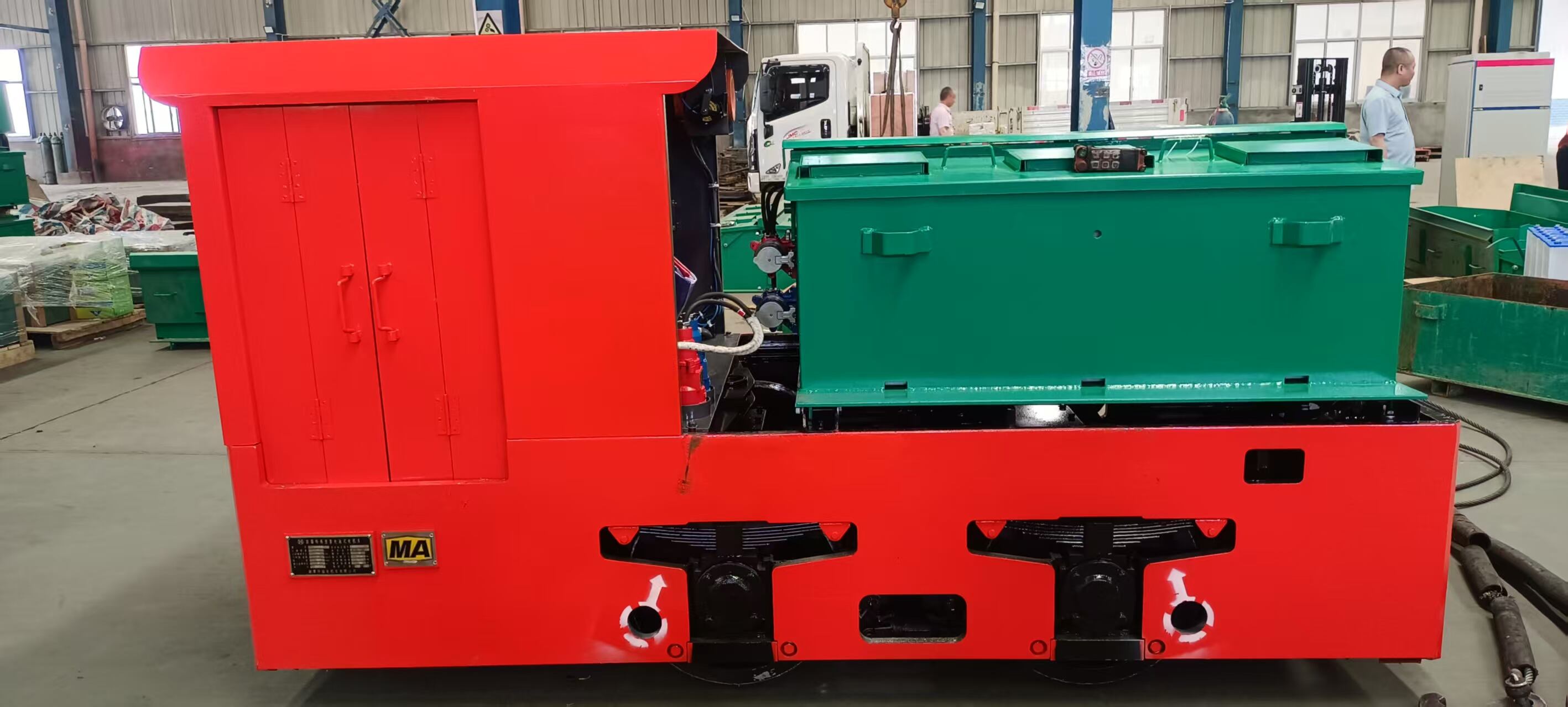
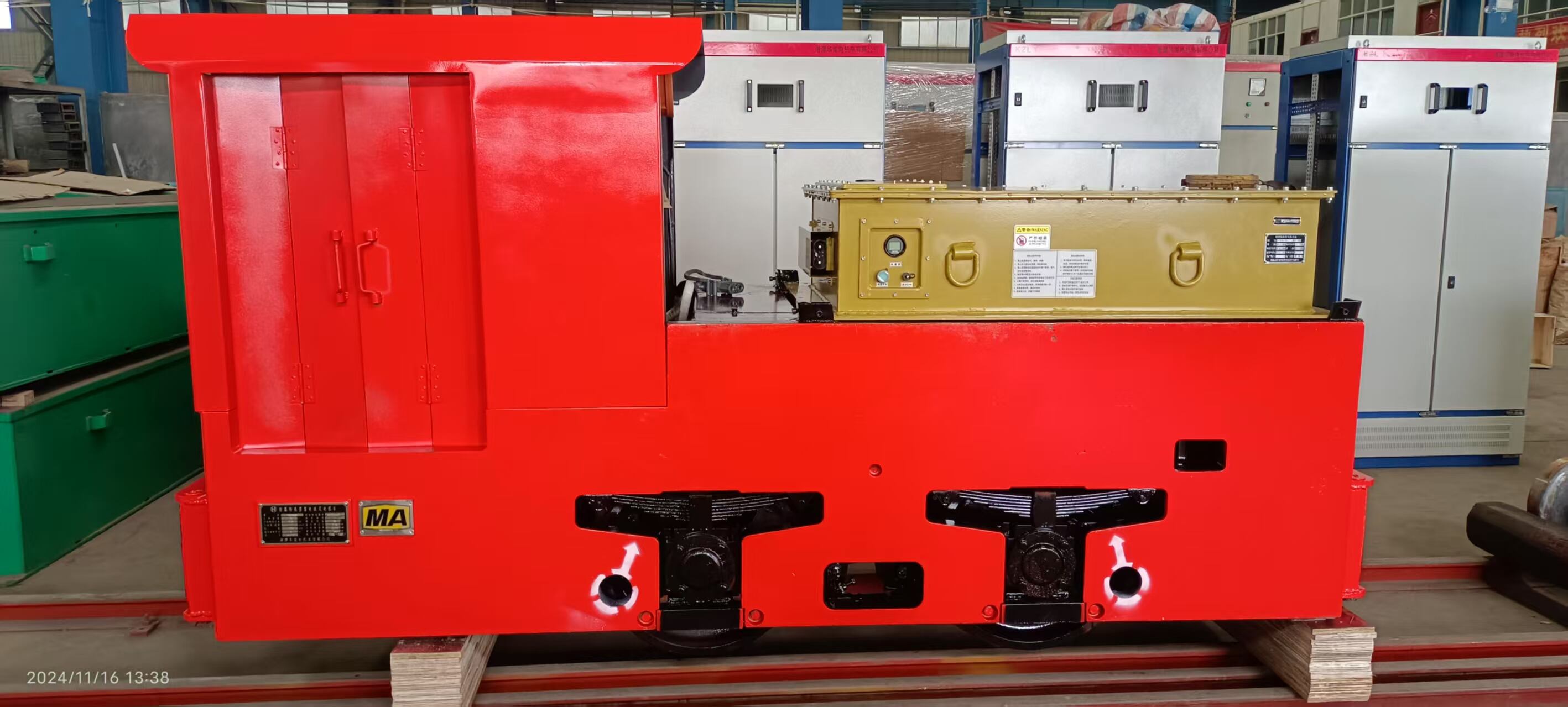
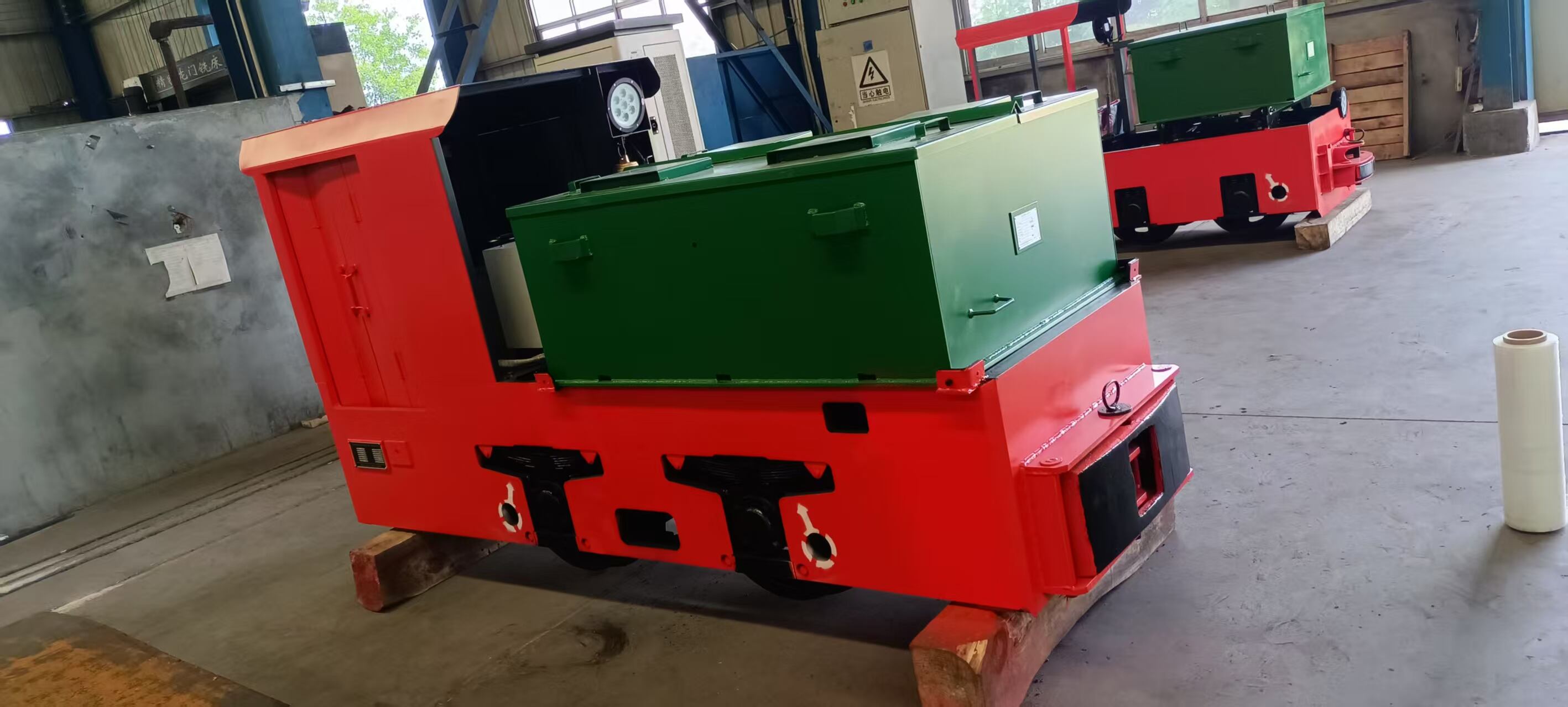
Advanced Traction and Control Systems
The chinese locomotive incorporates sophisticated traction and control systems that represent the pinnacle of modern railway engineering technology. These advanced systems form the technological heart of the locomotive, managing power delivery to the wheels with precision and efficiency that older designs cannot match. At the core of this system lies AC traction technology, which has revolutionized locomotive performance by providing superior control characteristics and significantly reduced maintenance requirements compared to traditional DC systems. The AC motors used in chinese locomotive designs offer exceptional torque characteristics across the entire speed range, enabling smooth acceleration from standstill and sustained power delivery at high speeds. This continuous power band ensures optimal performance whether the locomotive is starting a heavy freight train on an uphill grade or maintaining high speeds with passenger services. The traction control system employs advanced algorithms that constantly monitor wheel slip and adjust power delivery microsecond by microsecond, preventing wheel spin and ensuring maximum adhesion between wheel and rail. This intelligent control maximizes tractive effort while minimizing wear on both wheels and rails, extending component life and reducing maintenance costs. The microprocessor-based control units that govern chinese locomotive operations represent a quantum leap forward in railway technology. These sophisticated computers continuously monitor hundreds of parameters, from engine temperature and oil pressure to electrical system voltage and current flow. By processing this data in real-time, the control system can optimize performance for current conditions, adjusting fuel injection timing, managing cooling systems, and coordinating auxiliary equipment operation. This intelligent management results in improved fuel efficiency, reduced emissions, and enhanced reliability. Operators benefit from intuitive interfaces that provide clear, actionable information about locomotive status and performance. Digital displays present critical data in easy-to-understand formats, while diagnostic systems alert crews to potential issues before they become serious problems. The control systems also incorporate comprehensive safety features, including automatic train protection functions that help prevent accidents. These safety systems can automatically apply brakes if speed limits are exceeded or if signals are passed, providing an additional layer of protection for both crew and cargo. The regenerative braking capability integrated into chinese locomotive traction systems delivers substantial operational benefits. When the locomotive brakes, the traction motors function as generators, converting kinetic energy back into electrical energy. In electric locomotives, this power feeds back into the overhead wire system, where it can be used by other trains. In diesel-electric designs, the energy can be dissipated through resistor grids or stored in onboard energy storage systems for later use. This regenerative function reduces brake wear, extends wheel life, and improves overall energy efficiency, contributing to lower operating costs and reduced environmental impact.

 EN
EN