Professional Locomotive Service Solutions - Maintenance, Repair & Optimization

All Categories

locomotive service

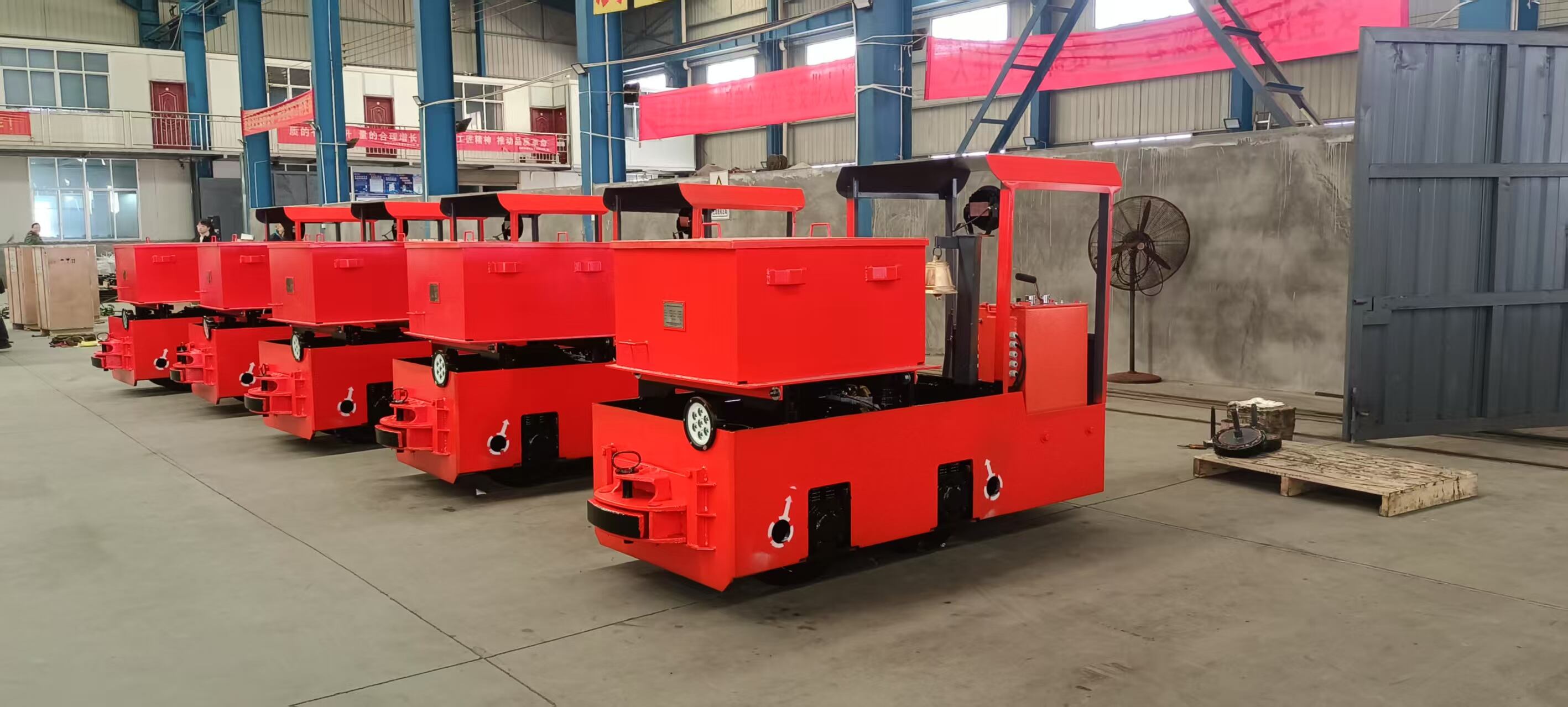
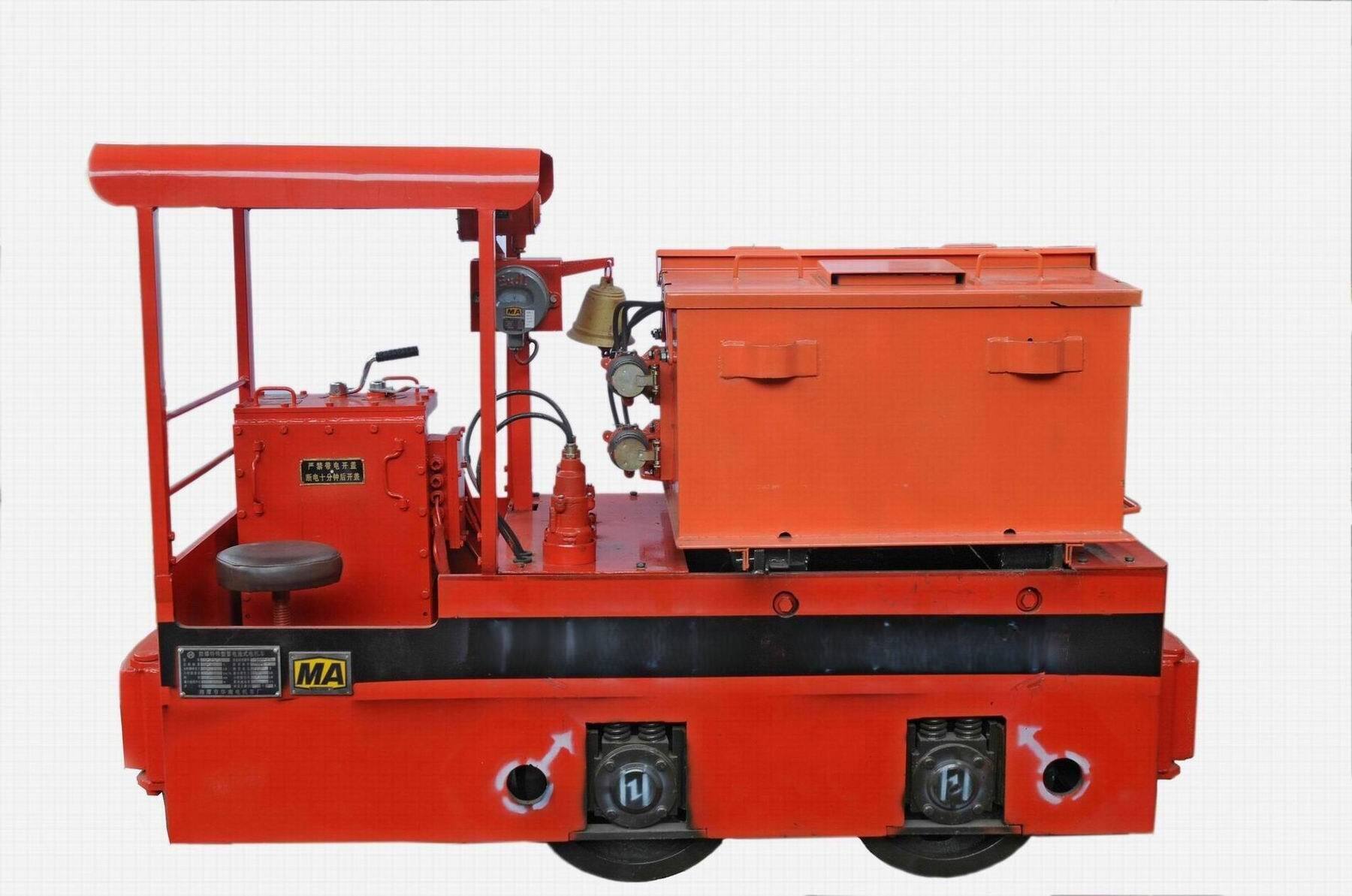
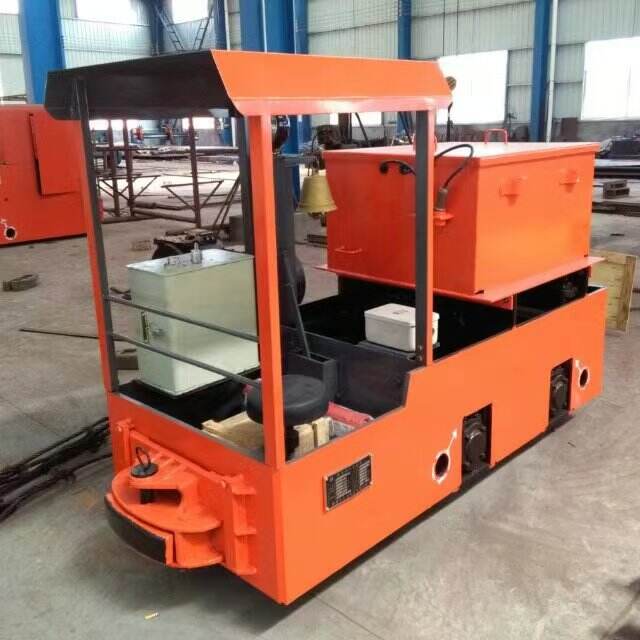
Locomotive service represents a comprehensive solution for the maintenance, repair, and optimization of rail transport equipment. This specialized service encompasses complete care for diesel, electric, and hybrid locomotives used across freight and passenger operations. The primary functions include scheduled preventive maintenance, emergency repair services, component replacement, performance diagnostics, and system upgrades that keep railway operations running smoothly. Modern locomotive service providers utilize advanced diagnostic equipment to monitor engine performance, electrical systems, braking mechanisms, and traction motors. These technological features allow technicians to identify potential issues before they escalate into costly breakdowns. The service integrates computerized monitoring systems that track locomotive health in real-time, providing valuable data about fuel efficiency, emissions levels, and component wear patterns. Applications of locomotive service extend across multiple sectors including freight transportation companies, passenger rail operators, mining operations, industrial facilities, and port authorities. Each application requires customized service approaches tailored to specific operational demands and equipment types. Locomotive service teams employ certified technicians who understand the intricate mechanical and electrical systems that power modern rail equipment. The technological features of contemporary locomotive service include predictive maintenance algorithms, thermal imaging for component inspection, ultrasonic testing for structural integrity, and computerized fuel injection tuning. These advanced capabilities minimize downtime and extend equipment lifespan significantly. Service providers maintain extensive parts inventories ensuring quick turnaround times for repairs. The comprehensive nature of locomotive service means operators receive end-to-end support from routine inspections to complete overhauls. This holistic approach ensures regulatory compliance, safety standards adherence, and optimal performance across all operating conditions. With rail transport remaining crucial for global commerce and passenger mobility, professional locomotive service becomes indispensable for maintaining reliable, efficient, and safe railway operations.


New Product Recommendations

Choosing professional locomotive service delivers tangible benefits that directly impact your bottom line and operational efficiency. First, you gain access to specialized expertise that typical maintenance teams cannot match. Trained technicians understand the complex interactions between mechanical, electrical, and hydraulic systems, ensuring repairs address root causes rather than symptoms. This expertise translates into fewer repeat failures and longer intervals between major repairs. Second, locomotive service reduces unexpected downtime that disrupts schedules and disappoints customers. Planned maintenance windows allow you to coordinate service activities with operational demands, keeping your fleet available when you need it most. Preventive approaches catch problems early when fixes cost less and take less time. Third, you extend the working life of expensive capital equipment. Locomotives represent significant investments, and proper care ensures you maximize return on that investment. Regular service prevents minor issues from damaging expensive components like traction motors or turbochargers. Fourth, fuel efficiency improves through proper tuning and maintenance. Well-serviced locomotives consume less fuel per ton-mile, creating substantial savings across large fleets. Modern locomotive service includes performance optimization that adjusts engine parameters for maximum efficiency. Fifth, safety improves dramatically with professional service. Braking systems, safety interlocks, and warning devices receive thorough inspection and testing. This attention to safety protects crews, cargo, and the public while reducing liability exposure. Sixth, regulatory compliance becomes simpler when service providers maintain detailed records and ensure all work meets industry standards. Documentation proves compliance during inspections and audits. Seventh, parts procurement becomes easier as service providers maintain relationships with manufacturers and suppliers, securing quality components at competitive prices. Eighth, you gain flexibility to scale service levels based on operational intensity. During peak seasons, increase service frequency; during slower periods, maintain baseline care. Ninth, advanced diagnostics identify efficiency opportunities beyond basic repairs. Service teams recommend upgrades and modifications that enhance performance. Tenth, partnering with locomotive service professionals allows your staff to focus on core transportation operations rather than complex technical maintenance. This specialization improves overall organizational effectiveness. The combined effect of these advantages creates a more reliable, efficient, and profitable rail operation that serves customers better while controlling costs and managing risks effectively.

Latest News

How Can Maintenance Reduce Downtime for Underground Mining Dump Trucks?

17

Nov

How Can Maintenance Reduce Downtime for Underground Mining Dump Trucks?

Underground mining operations depend heavily on reliable equipment to maintain productivity and meet extraction targets. When heavy machinery experiences unexpected failures, the resulting downtime can cost mining companies thousands of dollars per h...
View More
How to Select a Scooptram 1 Cubic Yard for Narrow Vein Mines?

07

Jan

How to Select a Scooptram 1 Cubic Yard for Narrow Vein Mines?

Mining operations in narrow vein environments present unique challenges that require specialized equipment designed for confined spaces and efficient material handling. The selection of appropriate mining machinery becomes critical when working in re...
View More
What Factors Affect the Performance of an Underground Mining Scoop?

07

Jan

What Factors Affect the Performance of an Underground Mining Scoop?

The performance of an underground mining scoop depends on numerous interconnected factors that directly impact productivity, safety, and operational efficiency in mining operations. Understanding these variables is crucial for mining engineers and op...
View More
What Performance Factors Define a Scooptram 1 Cubic Yard?

07

Jan

What Performance Factors Define a Scooptram 1 Cubic Yard?

Underground mining operations demand precision, reliability, and efficiency from every piece of equipment deployed in challenging subterranean environments. The scooptram 1 cubic yard represents a crucial component in modern mining fleets, offering t...
View More

Get a Free Quote

Our representative will contact you soon.
Email
Name
Company Name
Message
0/1000

locomotive service

Predictive Maintenance Technology Reduces Unplanned Downtime

Predictive Maintenance Technology Reduces Unplanned Downtime

Modern locomotive service has revolutionized rail operations through predictive maintenance technology that fundamentally changes how organizations manage their fleets. Unlike traditional reactive approaches that address problems after failures occur, predictive maintenance uses sophisticated sensors and data analytics to forecast component failures before they happen. This proactive methodology employs vibration analysis sensors on rotating equipment like traction motors, generators, and cooling fans to detect abnormal patterns indicating bearing wear or imbalance. Temperature monitoring systems track thermal signatures across critical components, alerting technicians when readings exceed normal parameters. Oil analysis programs sample lubricants regularly, identifying contamination, viscosity changes, and metal particles that signal internal wear. These data streams feed into analytical platforms that establish baseline performance profiles for each locomotive and flag deviations requiring attention. The practical benefits for operators are substantial and measurable. Unplanned downtime decreases by up to seventy percent when organizations implement comprehensive predictive maintenance programs through professional locomotive service partnerships. This reduction means locomotives remain available for revenue service rather than sitting idle awaiting emergency repairs. Schedule reliability improves dramatically as operators confidently commit equipment to specific runs knowing breakdowns become rare events rather than regular occurrences. Maintenance budgets become more predictable as planned interventions replace expensive emergency repairs that often require premium parts pricing and overtime labor. Component life extends significantly because problems receive attention during early stages before causing secondary damage to related systems. For example, replacing a bearing showing early wear signs costs a fraction of rebuilding an entire traction motor destroyed when that bearing fails catastrophically. The technology also optimizes maintenance intervals based on actual equipment condition rather than arbitrary calendar schedules, preventing both premature part replacement and dangerous operation beyond safe limits. Locomotive service providers invest heavily in diagnostic equipment and training that individual operators find difficult to justify, making professional service partnerships especially valuable for accessing these advanced capabilities without capital expenditure.
Comprehensive Parts Management Ensures Rapid Repair Turnaround

Comprehensive Parts Management Ensures Rapid Repair Turnaround

Effective locomotive service depends critically on parts availability, and professional service providers excel at comprehensive parts management that keeps equipment operational. The complexity of modern locomotives means thousands of individual components from dozens of manufacturers must be available when needed. Service providers maintain extensive inventory systems stocking both common consumables and critical high-value components. These inventories include filters, gaskets, hoses, electrical connectors, brake shoes, and routine replacement items alongside expensive parts like turbochargers, fuel injectors, electronic control modules, and alternators. Strategic inventory management balances carrying costs against the expense of equipment downtime, ensuring high-priority items remain immediately available. Parts management extends beyond simple warehousing to include sophisticated supply chain relationships. Locomotive service providers negotiate directly with original equipment manufacturers, securing favorable pricing and priority allocation during supply shortages. They maintain relationships with qualified aftermarket suppliers offering cost-effective alternatives to OEM parts where appropriate. Quality control processes verify that all components meet specifications regardless of source. This procurement expertise proves especially valuable for older locomotive models where manufacturers may have discontinued certain parts. Service providers often identify cross-compatible components from current production or work with specialty manufacturers producing replacement parts for legacy equipment. The rapid repair turnaround enabled by proper parts management delivers clear operational advantages. When locomotives require service, parts availability determines whether repairs take hours or weeks. Professional locomotive service facilities stock components based on failure rate data and fleet composition, ensuring the right parts are ready when needed. This preparedness eliminates the frustrating delays operators experience when critical repairs wait for parts shipment. Rush shipping charges disappear when components sit ready in inventory. Mechanics work efficiently without interruption, completing repairs in single sessions rather than returning repeatedly as parts arrive. The result is higher fleet availability and lower total maintenance costs. Additionally, consolidated purchasing through locomotive service providers often yields better pricing than individual operators negotiate independently, creating immediate cost savings beyond the operational benefits of parts availability.
Regulatory Compliance Support Simplifies Complex Requirements

Regulatory Compliance Support Simplifies Complex Requirements

The railway industry operates under extensive regulatory frameworks governing safety, emissions, operational practices, and maintenance standards. Professional locomotive service provides invaluable support navigating these complex requirements, ensuring compliance while minimizing administrative burden. Federal regulations mandate specific inspection intervals, maintenance procedures, and documentation standards for locomotives in commercial service. These requirements vary based on equipment type, service application, and operating territory. Environmental regulations impose strict emissions limits requiring proper engine tuning, exhaust system maintenance, and fuel quality management. Safety regulations govern braking systems, lighting, warning devices, and crew protection equipment. Keeping current with evolving regulations challenges even experienced operators, especially those managing diverse fleets across multiple jurisdictions. Locomotive service providers employ compliance specialists who monitor regulatory changes and understand how requirements apply to different equipment and operations. These experts ensure maintenance programs incorporate all mandatory inspections and procedures. They develop documentation systems that capture required information in formats regulators expect during audits. Computerized maintenance management systems track inspection due dates, preventing missed requirements that trigger violations. Detailed work orders document procedures performed, parts replaced, and measurements recorded, creating the paper trail proving compliance. This documentation proves essential during Federal Railroad Administration inspections or incident investigations where maintenance records receive scrutiny. Professional service also ensures technicians hold appropriate certifications and training for the work they perform. Regulatory bodies require specific qualifications for certain tasks, and service providers maintain training programs keeping staff credentials current. Beyond baseline compliance, locomotive service partners often help operators implement best practices exceeding minimum standards. These voluntary measures demonstrate commitment to safety and environmental responsibility while often delivering operational benefits. For example, enhanced fuel system maintenance beyond regulatory minimums improves reliability while reducing emissions. The peace of mind from knowing compliance professionals manage regulatory adherence allows operators to focus on business growth rather than tracking regulation changes and deadline calendars. Violation penalties can be substantial, making the compliance support inherent in professional locomotive service a valuable risk management investment that protects both finances and reputation.

Get a Free Quote

Our representative will contact you soon.
Email
Name
Company Name
Message
0/1000