Locomotive Export Solutions - Advanced Railway Technology & Global Support Services

All Categories

locomotive export

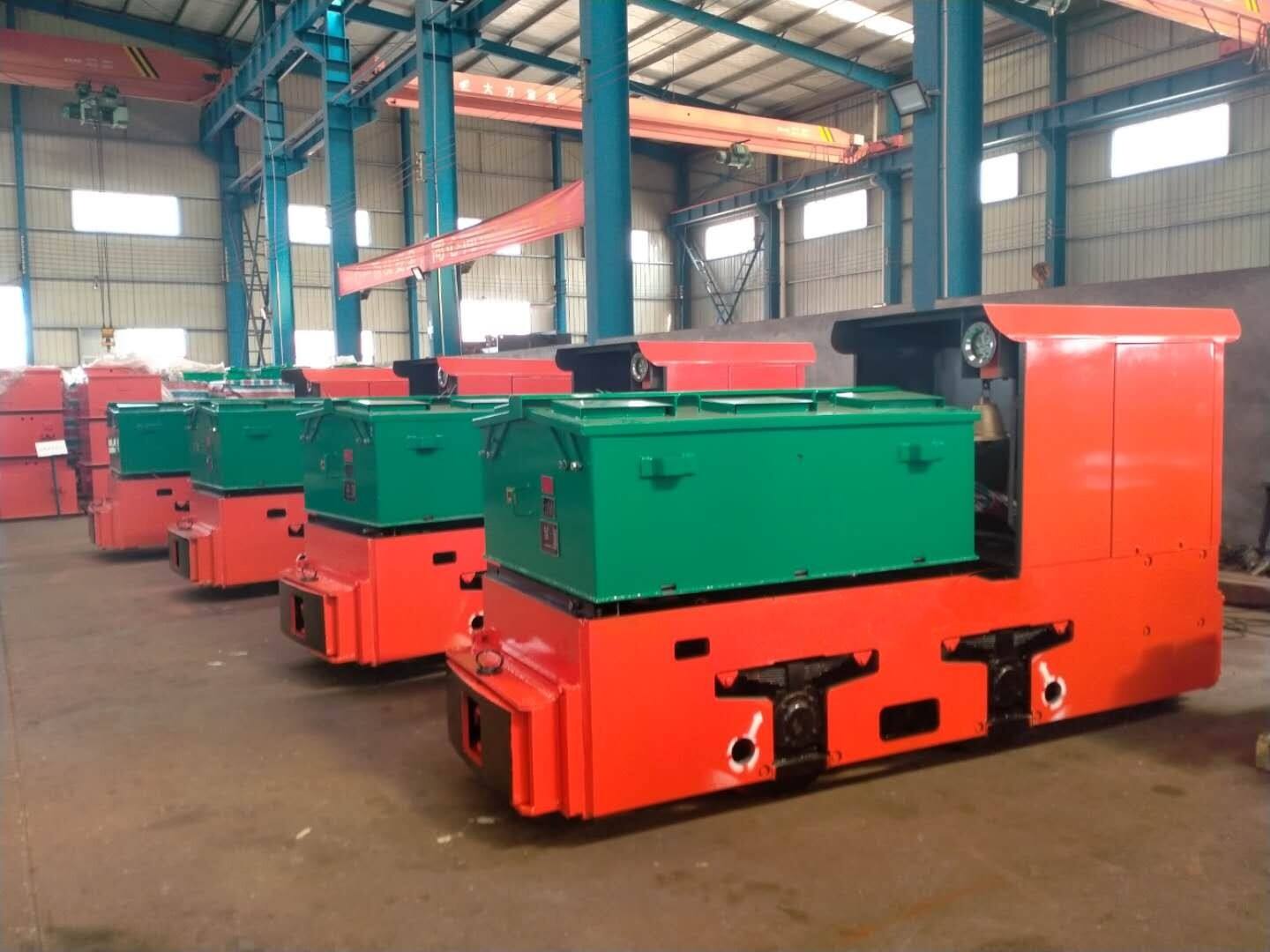
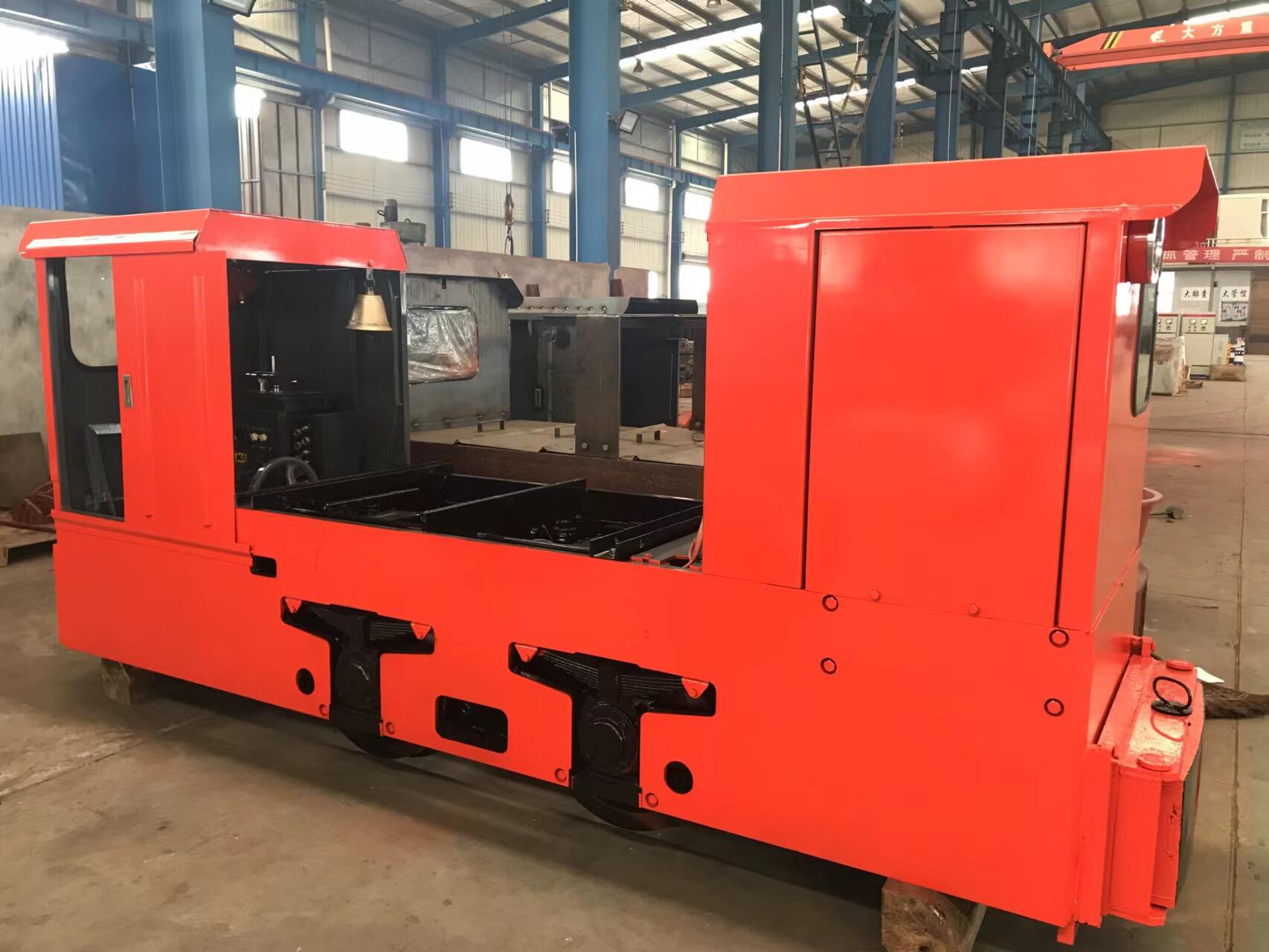
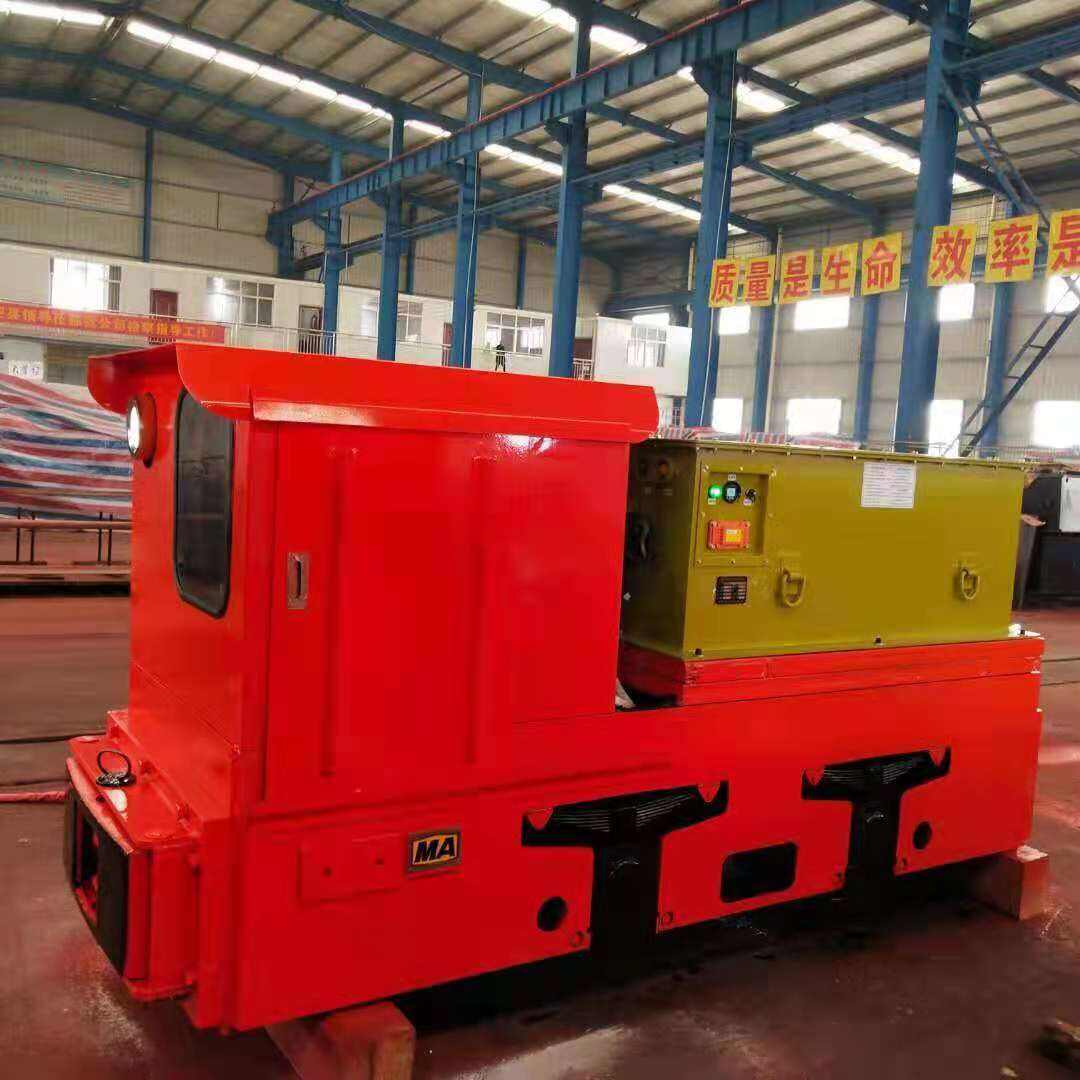
Locomotive export represents a critical segment of the global railway industry, connecting manufacturers with international markets seeking reliable transportation solutions. The locomotive export business encompasses the sale and delivery of railway engines to foreign countries, including diesel locomotives, electric locomotives, and hybrid models designed for various operational requirements. These powerful machines serve as the backbone of railway networks worldwide, enabling efficient freight transportation and passenger services across diverse geographical regions. The main functions of locomotive export involve providing countries with advanced traction solutions that meet their specific infrastructure needs, climate conditions, and operational demands. Modern exported locomotives feature sophisticated control systems, powerful engines ranging from 2000 to 6000 horsepower, and robust construction designed to withstand challenging environments. Technological features include microprocessor-based control systems, regenerative braking capabilities, advanced diagnostic tools, and compatibility with different track gauges and electrification systems. The locomotive export market serves multiple applications, from hauling heavy freight across continental distances to powering high-speed passenger trains in urban corridors. Mining operations, industrial facilities, and port authorities frequently acquire exported locomotives to enhance their material handling capabilities. The export process involves comprehensive technical consultation, customization according to customer specifications, rigorous testing protocols, and extensive after-sales support including spare parts supply and maintenance training. International railway projects, infrastructure development initiatives, and railway modernization programs drive substantial demand for locomotive export services. Manufacturers engaged in locomotive export must navigate complex regulatory frameworks, international safety standards, and certification requirements specific to destination markets. The sector continues evolving with increasing emphasis on environmental sustainability, fuel efficiency, and technological innovation, making locomotive export an essential component of global trade and transportation infrastructure development across emerging and developed economies alike.

Popular Products

The locomotive export industry offers numerous practical benefits that directly impact operational efficiency and economic performance for railway operators worldwide. First and foremost, purchasing exported locomotives provides access to cutting-edge technology that may not be available through domestic manufacturers, allowing railway companies to leapfrog technological generations and immediately implement proven solutions. This technology transfer accelerates modernization efforts without requiring years of independent research and development investment. Cost effectiveness stands as a major advantage, as international competition among locomotive manufacturers creates favorable pricing conditions for buyers, enabling them to acquire high-quality equipment at competitive rates compared to limited domestic options. The locomotive export market delivers exceptional reliability through proven designs that have operated successfully across multiple countries and climate zones, reducing the risk associated with untested equipment and ensuring consistent performance from day one of operation. Fuel efficiency improvements represent tangible financial benefits, with modern exported locomotives consuming significantly less diesel or electricity per ton-mile compared to aging domestic fleets, directly reducing operational expenses and improving profit margins. Maintenance simplicity is enhanced through standardized components, comprehensive documentation, and established global supply chains for replacement parts, minimizing downtime and extending service life. Training programs provided by locomotive export companies ensure that local personnel quickly master operation and maintenance procedures, building institutional knowledge and reducing dependence on foreign technical experts. Environmental performance has improved dramatically in exported locomotives, with advanced emission control systems helping railway operators meet increasingly strict environmental regulations while demonstrating corporate responsibility to communities and stakeholders. Customization flexibility allows buyers to specify exact configurations matching their unique operational requirements, from track gauge and climate adaptation to specialized hauling capacities and route-specific features. The locomotive export process includes comprehensive warranty coverage and technical support that protects investment value and ensures rapid resolution of any operational issues. Interoperability with existing infrastructure is carefully engineered into exported locomotives, enabling seamless integration with current rolling stock, signaling systems, and maintenance facilities without requiring expensive infrastructure modifications. Financing options available through locomotive export arrangements, including favorable payment terms and international credit facilities, make large-scale fleet renewal projects financially feasible for railway operators with limited capital budgets. The proven track record of exported locomotives reduces operational risk and insurance costs while increasing confidence among investors and stakeholders in railway modernization initiatives.

Tips And Tricks

How Do Underground Mining Dump Trucks Handle Extreme Tunnel Conditions?

17

Nov

How Do Underground Mining Dump Trucks Handle Extreme Tunnel Conditions?

Underground mining operations present some of the most challenging working environments in industrial machinery, where specialized equipment must perform reliably under extreme conditions. Underground mining dump trucks represent a critical component...
View More
Why Is Automation Becoming Key in Underground Mining Dump Truck Design?

17

Nov

Why Is Automation Becoming Key in Underground Mining Dump Truck Design?

The mining industry is experiencing a revolutionary transformation as automation technologies reshape how operations are conducted beneath the earth's surface. Modern underground mining dump truck systems are at the forefront of this technological ev...
View More
LHD vs. Excavator: Why Underground Mines Choose One Over the Other

18

Mar

LHD vs. Excavator: Why Underground Mines Choose One Over the Other

Underground mining operations face critical equipment selection decisions that directly impact productivity, safety, and operational costs. When evaluating LHD vs excavator options, mining engineers must consider the unique challenges of subterranean...
View More
The Science of Climbing: How Drivetrain Design Determines Underground Truck Performance on Steep Ramps

18

Mar

The Science of Climbing: How Drivetrain Design Determines Underground Truck Performance on Steep Ramps

When underground operations push deeper into the earth, the challenges of moving materials up steep gradients become exponentially complex. The ability of an underground truck to conquer challenging ramps isn't just about raw power—it's fundamentally...
View More

Get a Free Quote

Our representative will contact you soon.
Email
Name
Company Name
Message
0/1000

locomotive export

Advanced Propulsion Technology for Superior Performance

Advanced Propulsion Technology for Superior Performance

Modern locomotive export offerings incorporate revolutionary propulsion systems that fundamentally transform railway operational capabilities and economic performance. At the heart of these advancements lies sophisticated diesel-electric or pure electric traction technology that converts fuel or electrical energy into pulling power with unprecedented efficiency. The locomotive export market now features engines equipped with advanced turbocharging systems, electronic fuel injection, and computer-controlled combustion management that optimize performance across varying speeds and load conditions. These propulsion systems generate impressive tractive effort exceeding 100000 pounds in heavy-haul configurations, enabling single locomotives to move trains weighing several thousand tons across challenging terrain including steep grades and tight curves. Alternating current traction motors have become standard in locomotive export products, delivering smoother acceleration, reduced maintenance requirements, and superior adhesion control compared to older direct current designs. The integration of microprocessor-based control systems allows operators to fine-tune locomotive performance in real-time, adjusting power output, dynamic braking force, and wheel slip protection to match exact operational requirements. Regenerative braking capability featured in many exported locomotives captures kinetic energy during deceleration and returns it to overhead power lines or uses it to power onboard auxiliary systems, significantly reducing energy consumption and brake wear. Variable frequency drives precisely control traction motor speed and torque, eliminating the efficiency losses inherent in resistance-based control systems while providing infinitely variable speed control from standstill to maximum velocity. The modular architecture of modern locomotive export propulsion systems facilitates component replacement and technology upgrades throughout the service life, protecting customer investments and enabling continuous performance improvement. Advanced diagnostic capabilities embedded within propulsion control systems continuously monitor hundreds of operational parameters, detecting potential failures before they cause breakdowns and providing maintenance teams with actionable intelligence for predictive maintenance scheduling. Thermal management systems in exported locomotives protect propulsion components from overheating even during sustained high-power operation in extreme ambient temperatures, ensuring consistent performance in desert, tropical, and arctic environments. The propulsion technology available through locomotive export channels represents decades of engineering refinement and operational experience, delivering reliability rates exceeding 95 percent and mean distances between failures measured in hundreds of thousands of miles.
Comprehensive Global Support Network and Service Excellence

Comprehensive Global Support Network and Service Excellence

One of the most compelling advantages distinguishing premium locomotive export providers is their extensive international support infrastructure that ensures customer success long after initial delivery. Leading locomotive export companies establish regional service centers strategically located near major customer concentrations, staffed with factory-trained technicians who understand the specific operational challenges of each market. These support facilities maintain comprehensive inventories of critical spare parts, reducing procurement lead times from months to days and minimizing costly operational disruptions caused by component failures. The locomotive export service model includes structured maintenance training programs that transfer knowledge systematically to customer personnel through classroom instruction, hands-on workshops, and supervised field experience under expert guidance. Technical documentation provided with locomotive export contracts includes detailed maintenance manuals, troubleshooting guides, parts catalogs, and electrical schematics translated into local languages and adapted to regional measurement standards and technical conventions. Remote diagnostic capabilities now standard in locomotive export offerings enable manufacturers to monitor fleet performance in real-time, identify emerging issues proactively, and provide technical guidance to operators regardless of geographical distance. Software updates and performance optimization packages are delivered electronically through secure data connections, continuously improving locomotive capabilities without requiring physical intervention or operational downtime. Warranty programs accompanying locomotive export contracts typically span multiple years and cover both parts and labor, demonstrating manufacturer confidence in product quality while protecting customer financial interests during the critical break-in period. Exchange component programs allow customers to replace failed assemblies immediately with remanufactured units, sending defective components back to regional facilities for repair and eventual return to inventory. Technical hotlines staffed by experienced engineers provide 24-hour assistance in multiple languages, ensuring that operators receive expert guidance whenever operational questions or unexpected issues arise. The locomotive export support ecosystem includes partnerships with third-party service providers, expanding the available maintenance network and providing customers with service options that match their operational preferences and budget constraints. Performance monitoring services analyze operational data collected from exported locomotives, identifying optimization opportunities, detecting abnormal wear patterns, and recommending operational adjustments that extend component life and reduce fuel consumption. Lifecycle support commitments ensure that replacement parts and technical expertise remain available for decades after initial purchase, protecting the long-term value of locomotive export investments and enabling extended service life.
Customization Capabilities Meeting Diverse Operational Requirements

Customization Capabilities Meeting Diverse Operational Requirements

The locomotive export industry distinguishes itself through remarkable flexibility in adapting standard designs to meet the unique operational requirements of different railway networks, geographical conditions, and regulatory environments. This customization capability begins during the specification phase, where locomotive export engineers collaborate closely with customers to understand exact performance requirements, infrastructure constraints, and operational priorities that will define the optimal configuration. Track gauge represents one fundamental customization parameter, with locomotive export manufacturers offering designs compatible with standard gauge, broad gauge, narrow gauge, and even dual-gauge configurations that enable operation across networks with different track standards. Climate adaptation is extensively engineered into locomotive export products, with specialized cooling systems for tropical and desert operations, cold-weather packages including engine block heaters and winterized fuel systems for arctic regions, and corrosion-resistant materials for coastal environments with salt-laden air. Electrical system voltage can be customized to match existing infrastructure, with exported locomotives available in configurations ranging from 600-volt direct current through 25-kilovolt alternating current, ensuring compatibility with overhead catenary or third-rail power distribution systems. Cab design and ergonomics are adapted to operator preferences and regulatory requirements in destination markets, with left-hand or right-hand control positions, customized visibility standards, and instrumentation layouts that match local operational conventions and safety regulations. Braking system configurations are tailored to specific operational profiles, with options including straight air brakes, electro-pneumatic systems, and various automatic brake valve designs that integrate seamlessly with existing rolling stock in the customer fleet. Locomotive export providers offer extensive options for auxiliary equipment installation, including dynamic braking grids, head-end power generators for passenger service, multiple-unit control systems for distributed power operation, and specialized couplers compatible with regional rolling stock designs. Fuel capacity can be adjusted to match typical operating ranges, with tank sizes scaled to provide adequate endurance between refueling opportunities without adding unnecessary weight or reducing payload capacity. Emissions compliance represents a critical customization area, with locomotive export products engineered to meet European Stage V, US EPA Tier 4, or other regional environmental standards through appropriate combinations of engine technology, exhaust treatment systems, and control strategies. Paint schemes, exterior lighting configurations, and safety markings are customized to match customer corporate identity standards and comply with local visibility and safety regulations. The locomotive export customization process includes extensive validation testing that confirms all modifications meet performance specifications and maintain the structural integrity and safety standards of base designs.


Get a Free Quote

Our representative will contact you soon.
Email
Name
Company Name
Message
0/1000