
 EN
EN
When maintenance teams on underground mining sites ask whether automatic lube can extend pin and bushing life by three times, they are asking a question with serious financial consequences. Pin and bushing wear is one of the leading causes of unplanned downtime on underground haulage equipment, and automatic lube has emerged as the most consistent intervention available to combat that wear. The short answer is yes — under the right operating conditions, automatic lube can deliver two to three times the service life from critical joint components compared to manual greasing schedules.
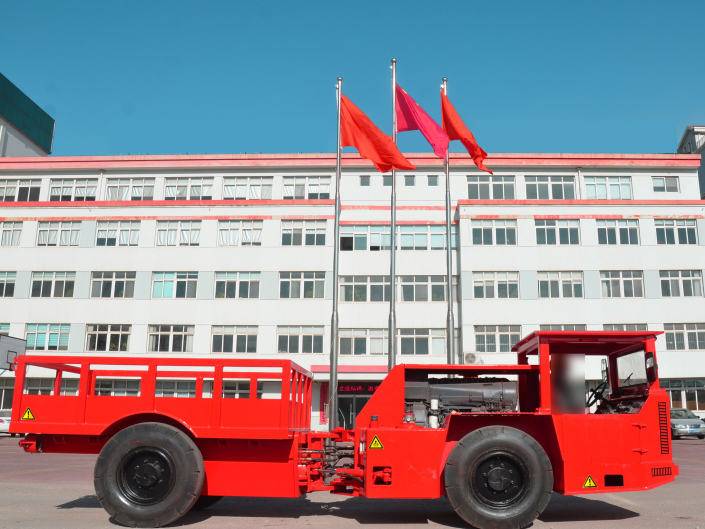
Understanding why automatic lube produces this result requires a clear look at how underground trucks actually accumulate joint wear during normal operation. Underground trucks face continuous vibration, heavy articulation cycles, fine abrasive dust, and moisture — all of which accelerate pin and bushing degradation faster than surface equipment. Because automatic lube delivers measured grease doses at precise intervals while the machine is running, it keeps a protective film inside each joint at all times. Manual greasing, by contrast, is typically performed when the machine is stopped, which means joints run dry during peak load cycles. This fundamental difference explains why automatic lube consistently outperforms manual methods in extending component life.
The Mechanism Behind Automatic Lube and Joint Protection
How Automatic Lube Maintains Continuous Film Coverage
The core advantage of automatic lube is that it does not wait for a scheduled maintenance window. An automatic lube system uses a centralized pump, a distribution block, and metering injectors to push precise grease volumes to each pin and bushing point at timed intervals. Because the automatic lube system operates while the truck is moving and under load, grease is worked evenly into the joint clearance at the exact moment when thermal expansion and dynamic forces open the gap between pin and bushing surfaces. This real-time coverage is something manual greasing physically cannot replicate. Automatic lube therefore provides a fundamentally more effective lubrication event than any technician-applied approach.
Why Interval Timing in Automatic Lube Systems Matters
The interval setting on an automatic lube controller is one of the most critical configuration decisions for underground trucks. If the automatic lube interval is too long, joints experience partial dry-running periods that allow metal-to-metal contact. If the automatic lube interval is too short, excessive grease accumulates, attracting dust and forming abrasive paste inside the joint. Properly calibrated automatic lube intervals balance film replenishment with grease consumption rates at the operating temperature and load profile of each specific underground truck application. When automatic lube intervals are tuned correctly, the lubrication film never fully depletes between doses, which is the primary reason that tripling pin and bushing service life is achievable in real underground operations.
Conditions That Determine Whether Automatic Lube Triples Component Life
Operating Environment and Automatic Lube Compatibility
The three-times life extension figure associated with automatic lube is not a universal guarantee — it is an outcome that depends on several site-specific factors. Underground truck applications with high articulation frequency, tight turning radii, and heavy payload cycles put more demand on each pin and bushing joint, which actually increases the relative benefit of automatic lube compared to surface equipment. However, automatic lube systems must be paired with the correct grease specification for the underground environment. In high-humidity underground tunnels, automatic lube must use a grease with adequate water resistance to prevent film washout between injection cycles. Where the grease and automatic lube system are properly matched, the life extension benefit is consistently at or above the two-to-three times threshold.
System Maintenance and Automatic Lube Reliability
An automatic lube system that is not itself maintained will not deliver consistent lubrication. Blocked injectors, low reservoir levels, and pump pressure faults are the most common reasons automatic lube systems underperform in underground environments. Maintenance programs for underground trucks must include regular inspection of automatic lube reservoir levels, injector function checks, and distribution line integrity. When these checks are in place, automatic lube operates with high reliability and the joint protection benefit is fully realized. Operators who treat the automatic lube system as a maintenance-free device tend to see underperformance, while those who actively monitor system health consistently report the component life improvements that justify the investment in automatic lube technology.
Operational and Cost Impact of Automatic Lube on Underground Trucks
Reducing Unplanned Downtime Through Automatic Lube
Underground truck availability is directly tied to pin and bushing condition. When automatic lube is functioning correctly, the rate of joint-related failures drops significantly because the protective grease film prevents the progressive wear that leads to loose pins, cracked bushings, and structural play in the machine frame. Each avoided joint failure represents not just the cost of a replacement pin and bushing set, but the labor hours for disassembly and reassembly, the machine downtime during the repair, and the production loss during that downtime window. Automatic lube effectively converts unpredictable failure events into controlled maintenance intervals, which is far easier to schedule and far less costly to manage in an underground haulage fleet.
Long-Term Cost Justification for Automatic Lube Investment
The upfront cost of installing an automatic lube system on an underground truck is recovered relatively quickly when measured against the component and labor savings. A single pin and bushing replacement cycle involves purchasing matched components, skilled technician time, and machine downtime that can last several hours per joint set. If automatic lube triples the interval between replacement events, the total number of replacement cycles over the working life of a truck drops dramatically. Fleets operating five or more underground trucks see multiplied savings as automatic lube reduces consumable part costs and maintenance labor simultaneously. The automatic lube investment case becomes even stronger when extended equipment lifespan, reduced technician exposure in hazardous underground environments, and improved production scheduling are factored into the total cost of ownership calculation.
FAQ
Does automatic lube work on all pin and bushing joints on underground trucks?
Most automatic lube systems are designed to service all greaseable joints on an underground truck, including articulation joints, bucket pivot points, and steering linkages. The number of service points covered depends on the specific automatic lube system configuration and the truck model. It is important to verify that every critical pin and bushing point is included in the automatic lube distribution circuit during installation.
How often should the automatic lube reservoir be refilled underground?
Automatic lube reservoir refill frequency depends on the number of service points, the dose volume per cycle, and the injection interval setting. For most underground truck applications, automatic lube reservoirs require refilling every one to two weeks during normal operation. Monitoring the automatic lube reservoir level during routine inspections prevents dry-running events that would negate the joint protection benefit.
Can automatic lube be retrofitted to existing underground trucks?
Yes, automatic lube systems can be retrofitted to most existing automatic lube-compatible underground trucks. Retrofit kits typically include a central pump unit, a modular distribution block, pre-measured injectors, and flexible line sets that route to each joint location. A professional installation ensures that all automatic lube lines are protected from physical damage and that the system controller is correctly programmed for the specific operating cycle of the underground truck.