
 EN
EN
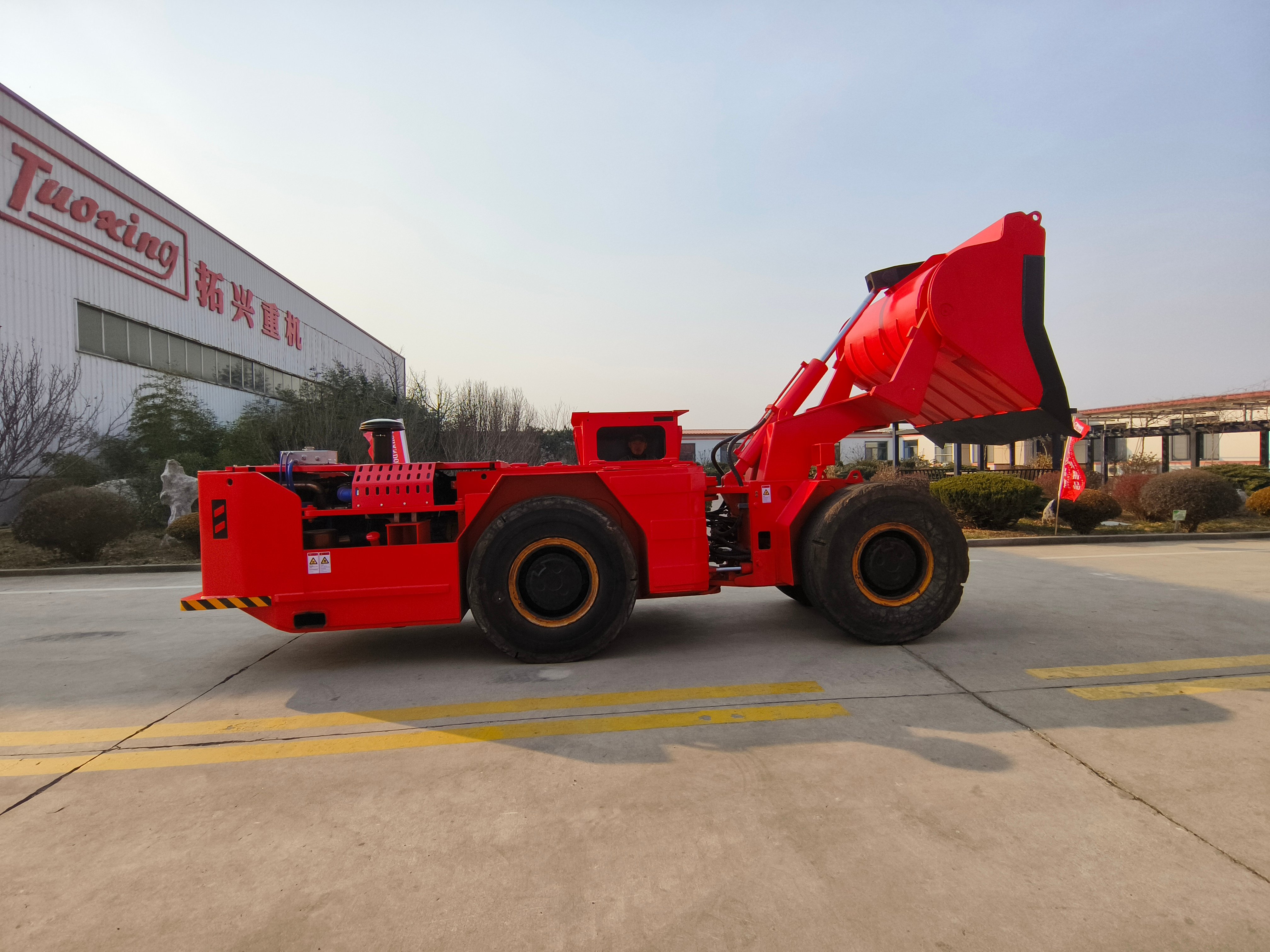
Underground mining operations depend heavily on the reliability and efficiency of material transport trucks operating in challenging subterranean environments. One critical yet often overlooked maintenance practice is steering angle calibration, which plays a fundamental role in tire longevity and operational cost control. Uneven tire wear represents a significant expense for mining operations, as replacement tires for heavy-duty underground trucks can cost thousands of dollars per unit, and premature wear accelerates replacement cycles dramatically. The relationship between steering angle calibration and tire wear patterns has become increasingly clear as mine operators track maintenance data and tire performance metrics across their fleets.
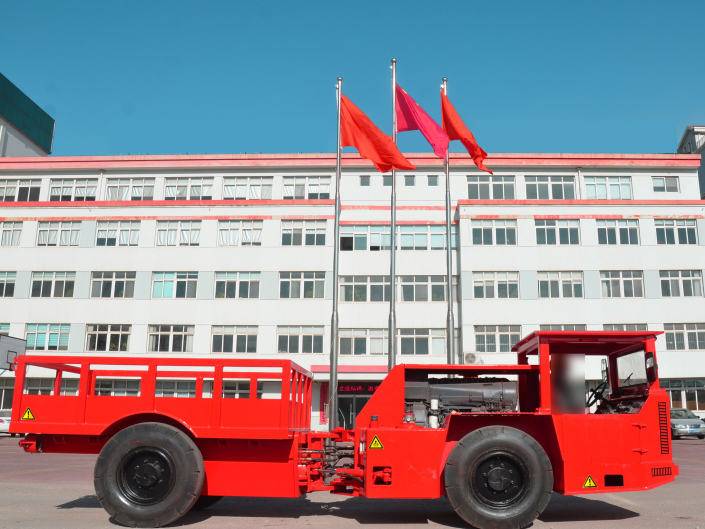
When steering systems lose their proper calibration settings, underground trucks begin exhibiting misalignment conditions that directly cause accelerated and uneven tire wear. The confined spaces, rough surfaces, and constant turning maneuvers typical of underground mining environments create particularly demanding conditions for steering systems. Without regular steering angle calibration, these operational stresses compound into measurable tire degradation that reduces both safety margins and economic efficiency. This article examines how consistent steering angle calibration practices directly reduce uneven tire wear on underground trucks, the mechanical principles behind this relationship, and the practical implementation strategies that deliver measurable results.
How Steering Angle Calibration Directly Affects Tire Wear Patterns
The Mechanical Link Between Steering Geometry and Tire Contact
Steering angle calibration establishes the precise geometric relationship between wheel position, steering input, and vehicle centerline alignment. When steering angle calibration settings drift from manufacturer specifications, the wheels no longer track properly through turns or maintain correct orientation during straight-line travel. This misalignment creates abnormal contact patches between tires and the ground surface, concentrating wear on specific tread areas rather than distributing forces evenly across the tire width. Underground trucks operating with improper steering angle calibration experience toe-in or toe-out conditions that cause scrubbing friction as tires are dragged sideways while rolling forward. The resulting heat buildup and rubber abrasion accelerate wear rates by two to four times compared to properly calibrated systems.
Load Distribution and Steering Precision
Regular steering angle calibration ensures that load forces transfer correctly through the suspension and steering linkages to all wheels simultaneously. Underground material transport trucks carry substantial payloads through variable terrain, and proper steering angle calibration maintains symmetrical load distribution during acceleration, braking, and cornering maneuvers. When calibration degrades, one side of the vehicle may bear disproportionate weight during turns, creating uneven tire loading that manifests as outer-edge wear on some tires and center wear on others. The steering angle calibration process verifies that both front wheels turn at geometrically correct angles relative to the turning radius, preventing the inner wheel from over-rotating or the outer wheel from under-rotating. This precision is particularly critical in underground mining tunnels where tight radius turns are frequent and unavoidable operational requirements.
Cumulative Effects of Calibration Drift
Steering angle calibration does not remain constant throughout a vehicle's service life but gradually drifts due to component wear, impact events, and thermal cycling. The confined underground environment subjects trucks to continuous vibration, rock impacts, and abrupt directional changes that accelerate calibration degradation. Without scheduled steering angle calibration maintenance, these small deviations accumulate into significant misalignment conditions. A drift of just two degrees in toe angle can reduce tire life by thirty percent, while camber misalignment of one degree may cause fifty percent faster wear on the affected tire's inner or outer shoulder. Regular steering angle calibration prevents this cumulative degradation by resetting geometric relationships before wear patterns become established in the tire structure.
Operational Benefits Beyond Tire Wear Reduction
Fuel Efficiency and Rolling Resistance
Proper steering angle calibration reduces rolling resistance by eliminating the parasitic drag created when misaligned wheels scrub against the travel surface. Underground trucks with optimized steering angle calibration settings demonstrate measurably lower fuel consumption compared to vehicles operating outside specification tolerances. The energy required to overcome tire scrubbing friction can increase fuel usage by five to eight percent in severely misaligned conditions. By maintaining correct steering angle calibration, mining operations reduce both tire replacement costs and fuel expenses simultaneously, creating compounding economic benefits. The reduced rolling resistance also decreases heat generation in tires, which further extends tire life by preventing the thermal degradation of rubber compounds that occurs when tires operate above their designed temperature ranges.
Operator Comfort and Vehicle Control
Steering angle calibration directly influences vehicle handling characteristics and operator experience during underground transport operations. Trucks with proper calibration track straight without constant steering correction, reducing operator fatigue during long shifts in challenging underground conditions. The improved directional stability that results from correct steering angle calibration also enhances safety by ensuring predictable vehicle response during emergency maneuvers or when navigating around obstacles in confined spaces. Operators report significantly reduced steering effort and improved confidence when operating vehicles that receive regular steering angle calibration maintenance. This human factor component contributes to overall operational efficiency by maintaining operator alertness and reducing the physical strain associated with compensating for poor vehicle tracking.
Maintenance Cost Optimization
Implementing regular steering angle calibration schedules creates measurable reductions in total maintenance expenditures beyond tire replacement savings. Proper alignment reduces stress on steering components, suspension bushings, and wheel bearings, extending their service intervals and reducing unexpected failure rates. Underground mining operations that prioritize steering angle calibration report lower incidence of catastrophic steering system failures that would otherwise result in costly downtime and emergency repairs. The diagnostic data collected during steering angle calibration procedures also provides early warning of developing mechanical issues before they progress to component failure. This predictive maintenance capability allows operations to schedule repairs during planned downtime rather than responding to unexpected breakdowns that disrupt production schedules.
Implementation Strategy for Effective Calibration Programs
Establishing Calibration Intervals
Determining appropriate steering angle calibration frequency requires analysis of operational conditions, vehicle utilization rates, and observed wear patterns. Underground mining environments generally demand more frequent steering angle calibration than surface operations due to the harsh operating conditions and confined maneuvering requirements. Most experienced mining operations establish steering angle calibration intervals between 250 and 500 operating hours, with more aggressive schedules for vehicles experiencing particularly demanding duty cycles. The calibration interval should be shortened following any significant impact event, such as collision with tunnel walls or driving over large rocks, as these incidents can instantly compromise steering geometry. Fleet managers should track tire wear patterns across vehicles to identify units requiring more frequent steering angle calibration attention, using actual wear data to optimize maintenance schedules for individual trucks.
Calibration Procedure and Equipment Requirements
Effective steering angle calibration requires specialized alignment equipment capable of accurate measurement in underground workshop environments. Modern laser alignment systems provide the precision necessary to verify and adjust toe, camber, and caster angles to manufacturer specifications. The steering angle calibration process begins with a thorough inspection of steering and suspension components to identify worn parts that would prevent proper alignment retention. Technicians verify that tire pressures are correct and consistent before performing steering angle calibration measurements, as inflation pressure affects ride height and suspension geometry. The calibration procedure documents baseline measurements, performs necessary adjustments, and validates final settings through test measurements and road testing. Complete documentation of each steering angle calibration service creates a historical record that helps identify recurring issues or component wear patterns requiring attention.
Integration with Tire Management Programs
Maximum tire life extension occurs when steering angle calibration integrates with comprehensive tire management practices including rotation schedules, pressure monitoring, and wear inspection protocols. Regular tire rotations distribute wear more evenly across all positions, while consistent steering angle calibration ensures that wear occurs uniformly across each tire's tread surface. Underground operations should implement tire inspection procedures that specifically identify wear patterns indicative of alignment problems, using these observations to trigger intermediate steering angle calibration services between scheduled intervals. Combining steering angle calibration data with tire pressure monitoring system information provides a complete picture of tire health and enables data-driven decisions about maintenance timing and tire replacement strategies. This integrated approach maximizes return on investment for both calibration services and tire purchases.
FAQ
How often should steering angle calibration be performed on underground mining trucks?
Underground mining trucks typically require steering angle calibration every 250 to 500 operating hours depending on duty severity, tunnel conditions, and observed tire wear rates. Operations in particularly rough or confined spaces may benefit from calibration intervals toward the shorter end of this range. Any significant impact event or observation of abnormal tire wear should trigger an immediate steering angle calibration check regardless of time since the last service. Establishing vehicle-specific intervals based on actual wear patterns and operational data optimizes both tire life and maintenance resource allocation.
Can steering angle calibration completely eliminate uneven tire wear?
While regular steering angle calibration dramatically reduces uneven tire wear, it represents one component of a comprehensive tire management strategy rather than a complete solution. Proper inflation pressure, appropriate tire selection for application, regular rotation schedules, and operator driving habits all contribute to tire wear patterns. Steering angle calibration addresses wear caused by geometric misalignment but cannot compensate for improper tire pressure, damaged suspension components, or aggressive driving techniques. When combined with other tire management best practices, consistent steering angle calibration delivers near-optimal tire life and wear uniformity.
What are the warning signs that steering angle calibration is needed?
Observable indicators that steering angle calibration has drifted include vehicle pulling to one side during straight-line travel, uneven tire wear patterns across the tread width, excessive or uneven tire edge wear, steering wheel off-center when driving straight, and unusual tire noise or vibration. Operators may report increased steering effort or vehicle wandering that requires constant correction. Physical inspection revealing one tire significantly more worn than its opposite-side counterpart strongly suggests alignment issues requiring steering angle calibration attention. Any of these symptoms warrant immediate calibration assessment to prevent accelerated tire damage and potential safety concerns in underground operating environments.