Modular Construction and Adaptability for Diverse Applications
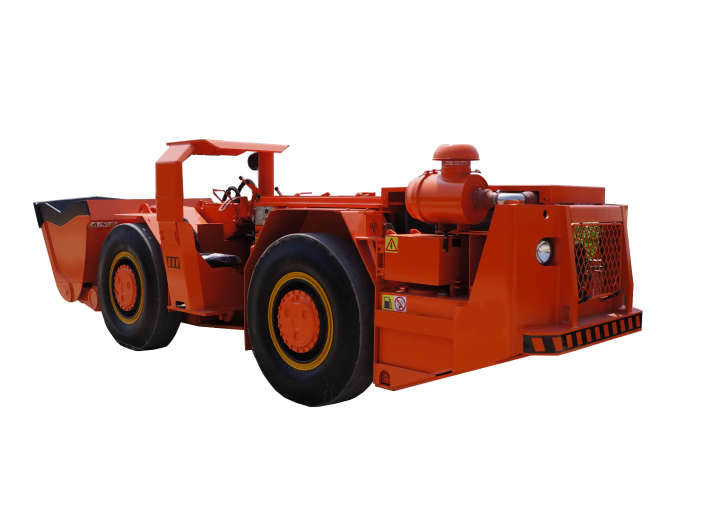
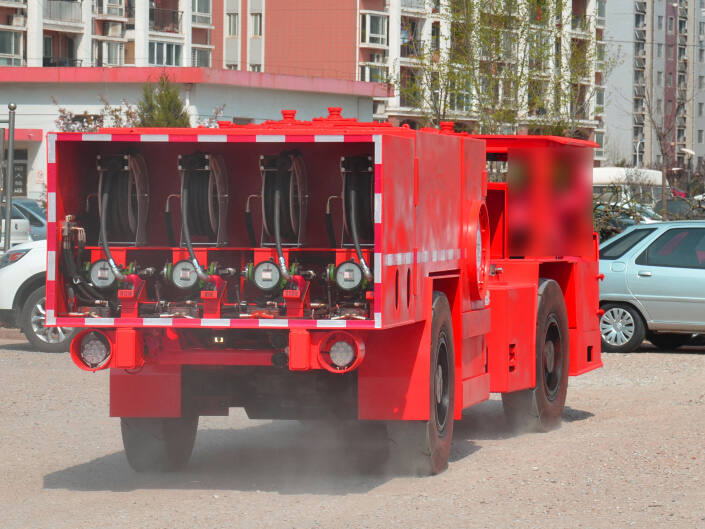
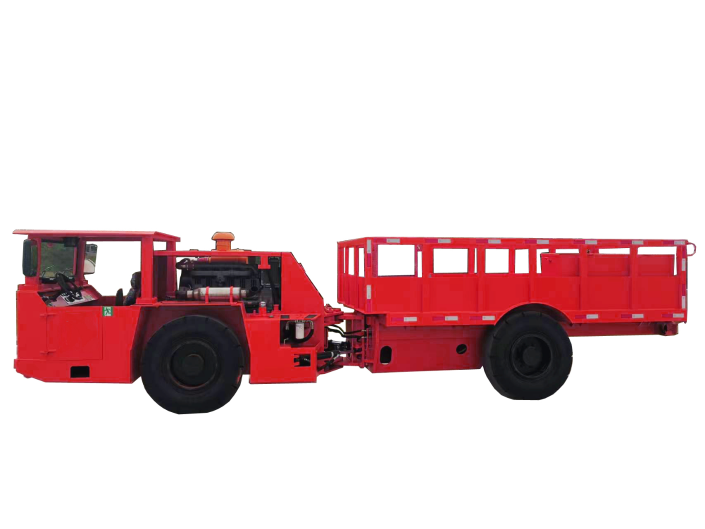
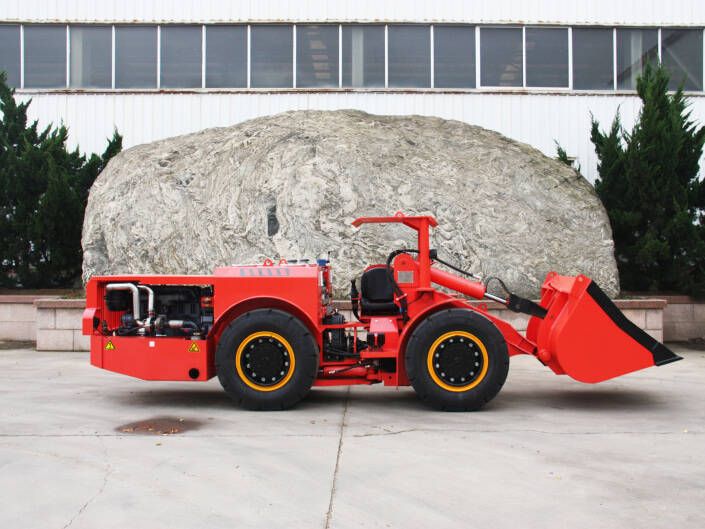
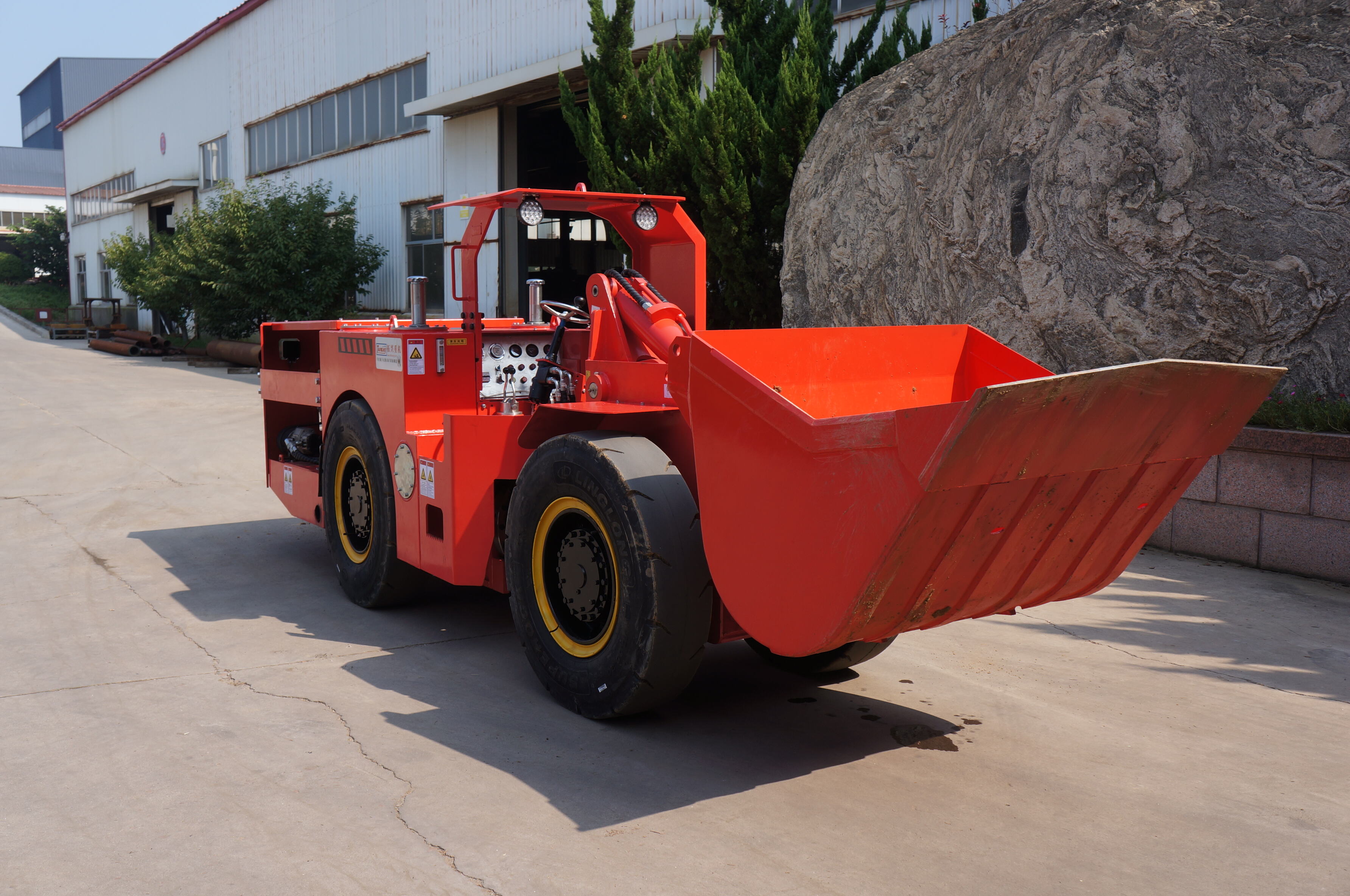
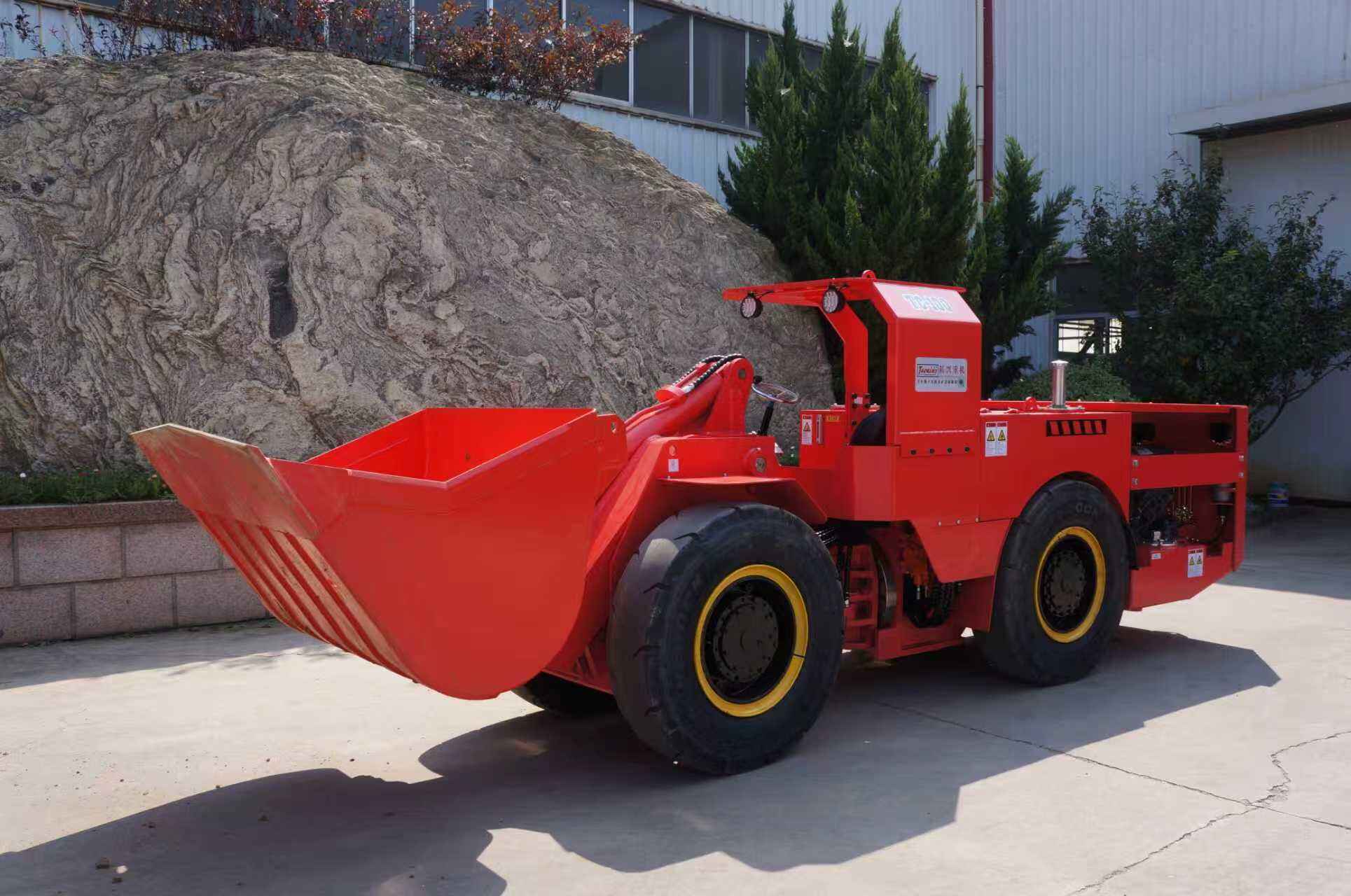
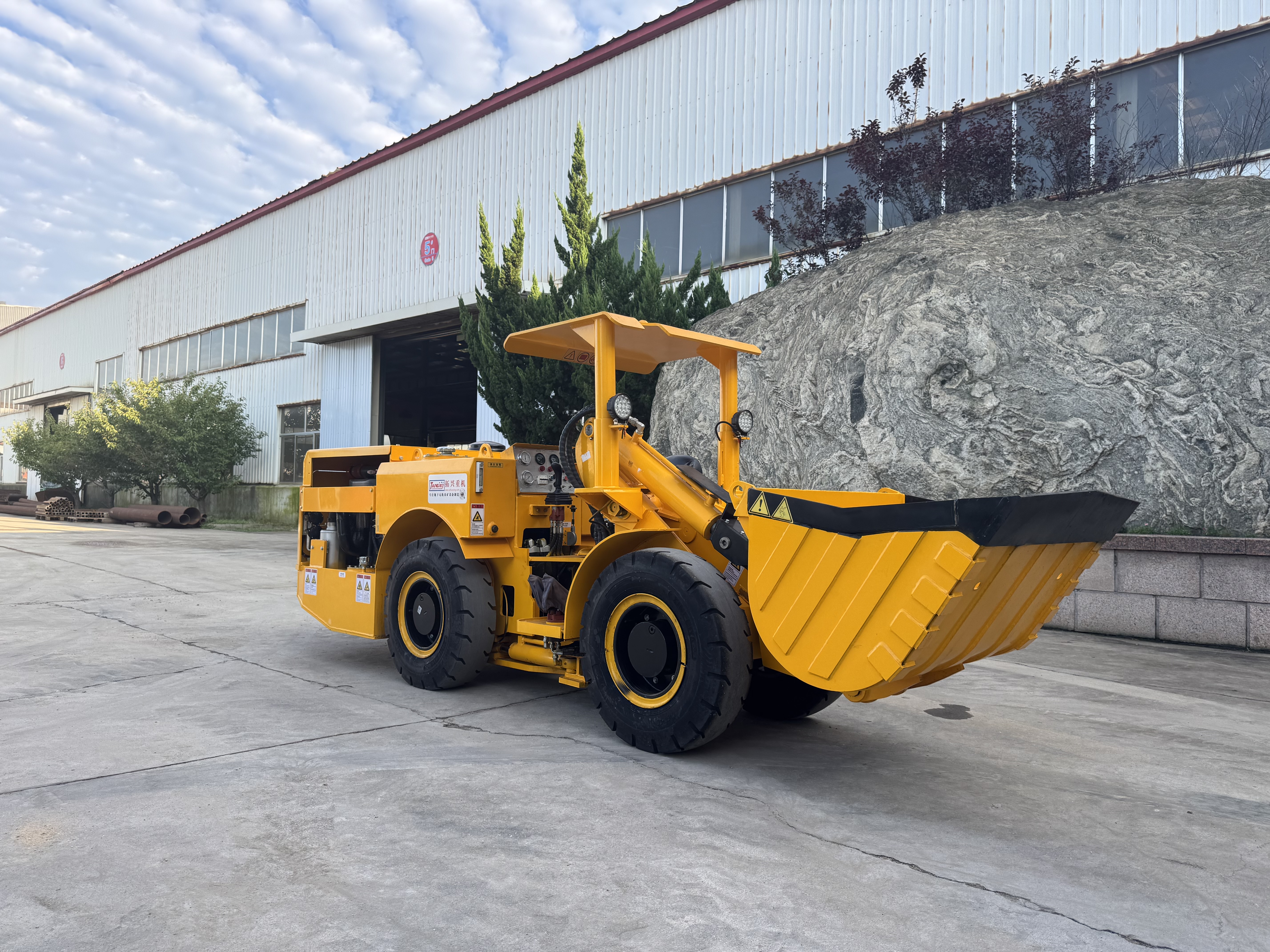
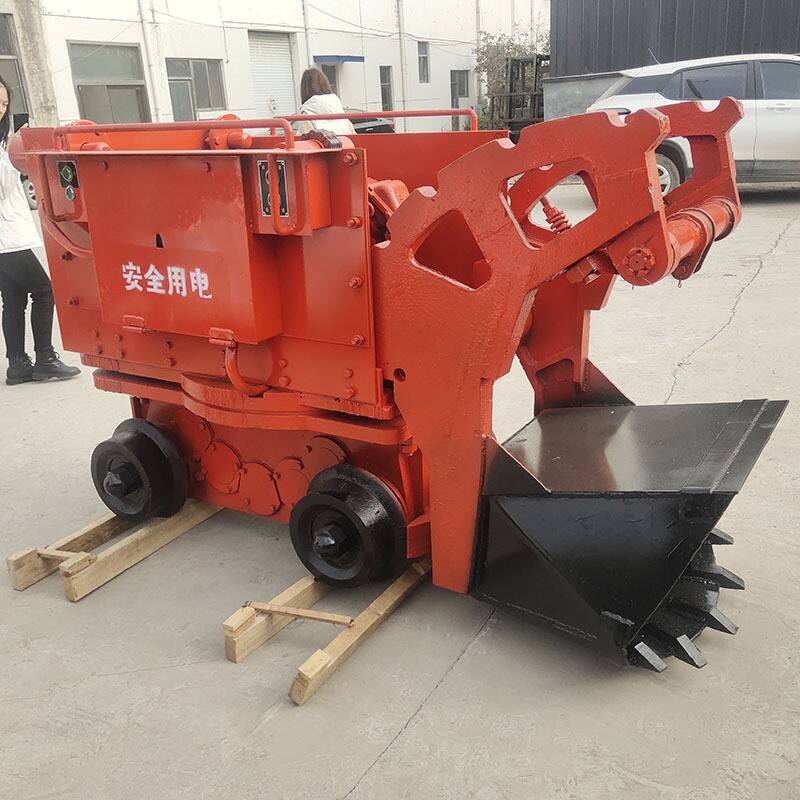
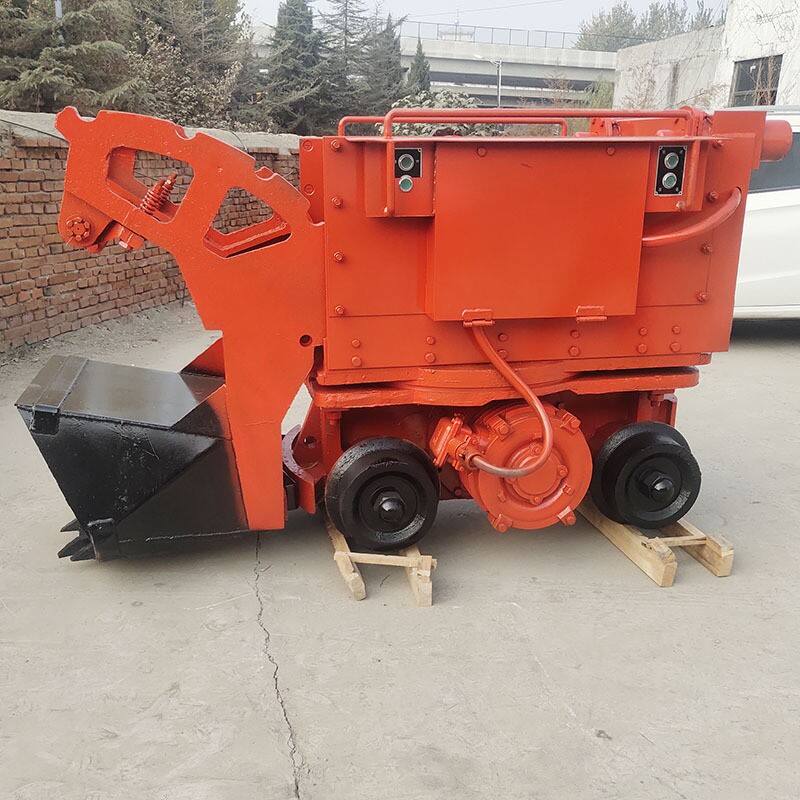
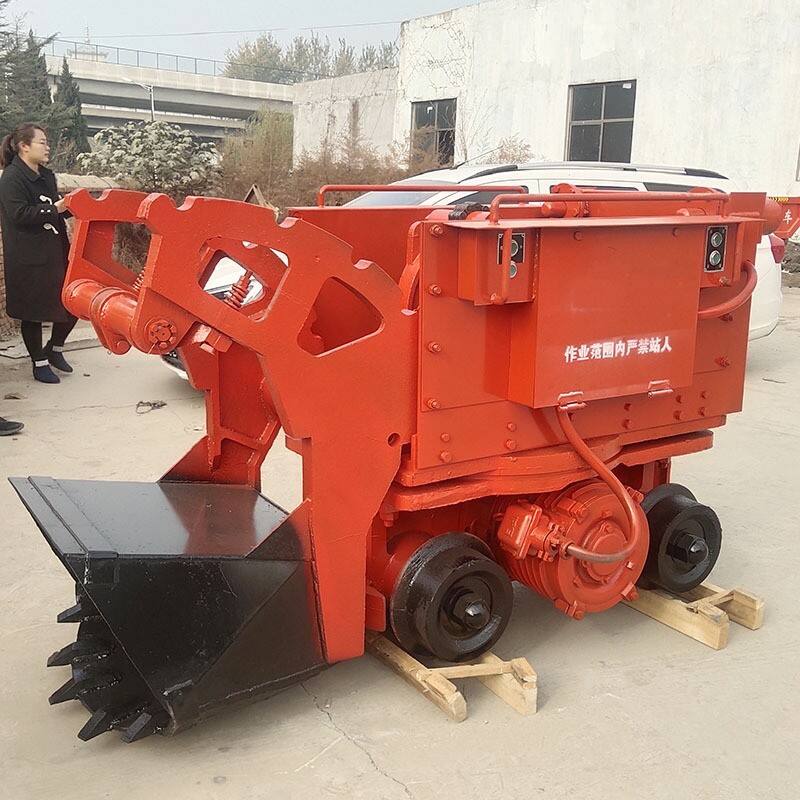
The engineering approach behind the rock loader ODM emphasizes modularity and configurability, enabling customization that addresses the unique requirements of different mining operations, geological conditions, and regulatory environments. This adaptable architecture begins with a robust mainframe designed to accept various bucket sizes ranging from compact units for narrow-vein mining to large-capacity configurations for bulk material handling in expansive excavations. Bucket selection directly influences productivity rates, and the rock loader ODM accommodates quick-change systems that allow switching between attachments without extensive downtime or specialized tools. Operations transitioning between project phases or material types benefit from this flexibility, maximizing equipment utilization across diverse scenarios. Beyond bucket variations, the rock loader ODM supports specialized attachments including rock breakers for secondary fragmentation, scaling tools for ground support preparation, and material placement implements for backfilling operations. This versatility eliminates the need for maintaining separate equipment fleets dedicated to specific tasks, reducing capital investments and simplifying maintenance logistics. The power system configurations offer choices between diesel engines for operations requiring maximum range and flexibility, or electric motors for environments with strict emission controls or ventilation limitations. Battery-electric variants suit operations prioritizing sustainability and operating cost reduction, while hybrid systems combine the advantages of both technologies for optimal performance across varying duty cycles. Tramming speeds adjust through programmable settings that balance productivity against safety considerations and ground conditions. The rock loader ODM accommodates different tire specifications including solid tires for aggressive rock environments or pneumatic options for improved operator comfort on smoother surfaces. Chassis dimensions can be specified to match tunnel dimensions, ensuring adequate clearance while maximizing payload capacity within geometric constraints. Communication systems integrate with mine-wide networks, enabling coordination with traffic management systems, ventilation controls, and production monitoring platforms. The modular electrical architecture simplifies the addition of customer-specific instrumentation, lighting configurations, or safety systems required by particular jurisdictions or company standards. Maintenance accessibility receives equal attention in the modular design philosophy, with strategically positioned service panels that provide unobstructed access to filters, fluid reservoirs, and wear components. Standardized fasteners and connection points reduce the variety of tools required for routine servicing, while component arrangement follows logical groupings that align with maintenance schedules. This thoughtful design reduces service times and enables maintenance teams to work efficiently even in confined underground workshops with limited space and lighting. The rock loader ODM proves its adaptability across mining methods including room-and-pillar, sublevel stoping, and drift-and-fill operations, demonstrating versatility that justifies investment for operations anticipating evolving production requirements or multi-site deployments where different locations present varying challenges.

 EN
EN