
 EN
EN
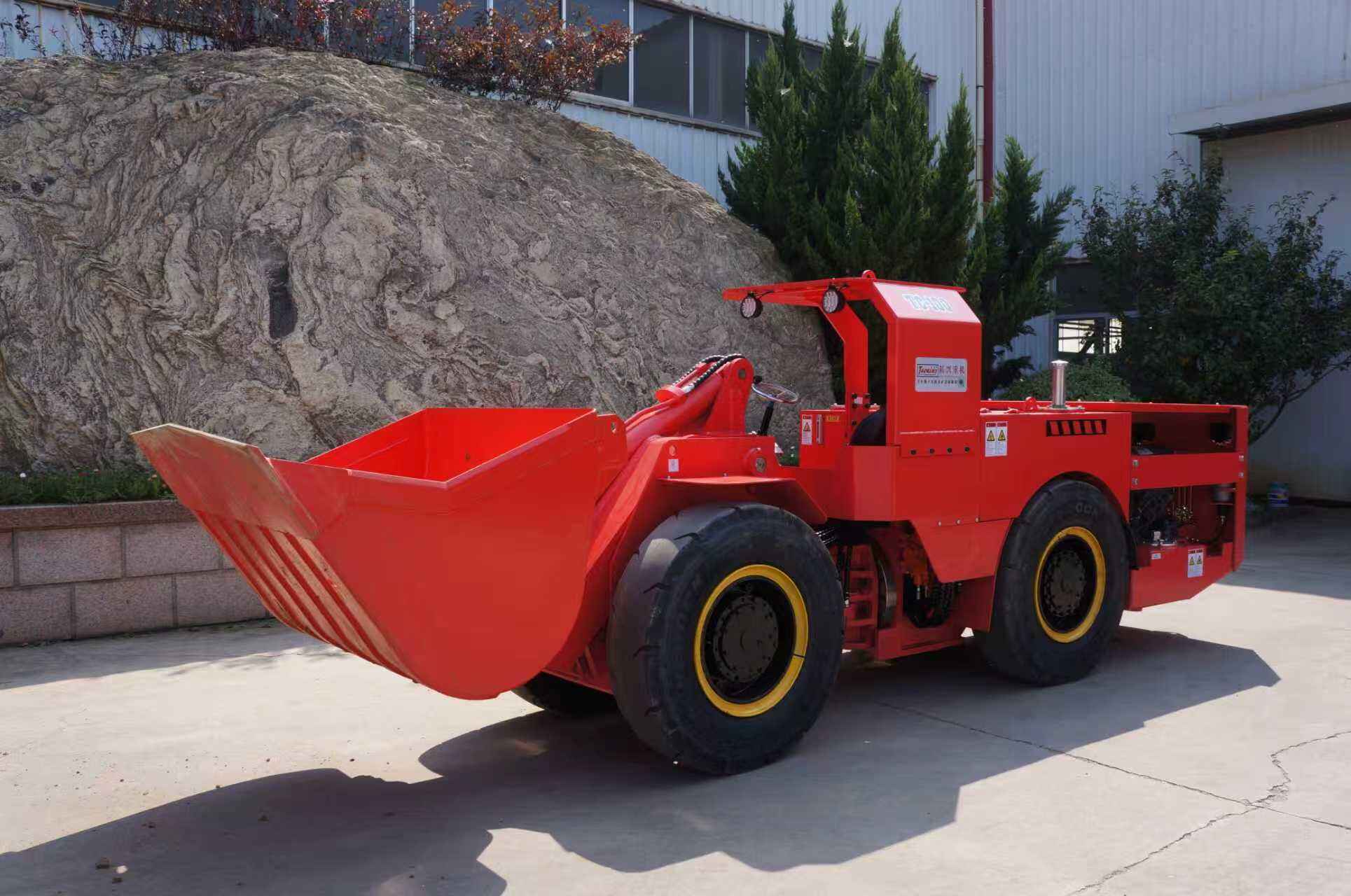
The selection of appropriate Load Haul Dump (LHD) equipment plays a critical role in underground mining operations, with the underground mining scoop representing one of the most versatile and essential pieces of machinery in modern mining environments. As mining operations become increasingly complex and demanding, operators must carefully evaluate different types of LHD equipment to optimize productivity, safety, and cost-effectiveness. The underground mining scoop serves as a cornerstone of material handling in confined underground spaces, where traditional surface mining equipment cannot operate efficiently or safely.
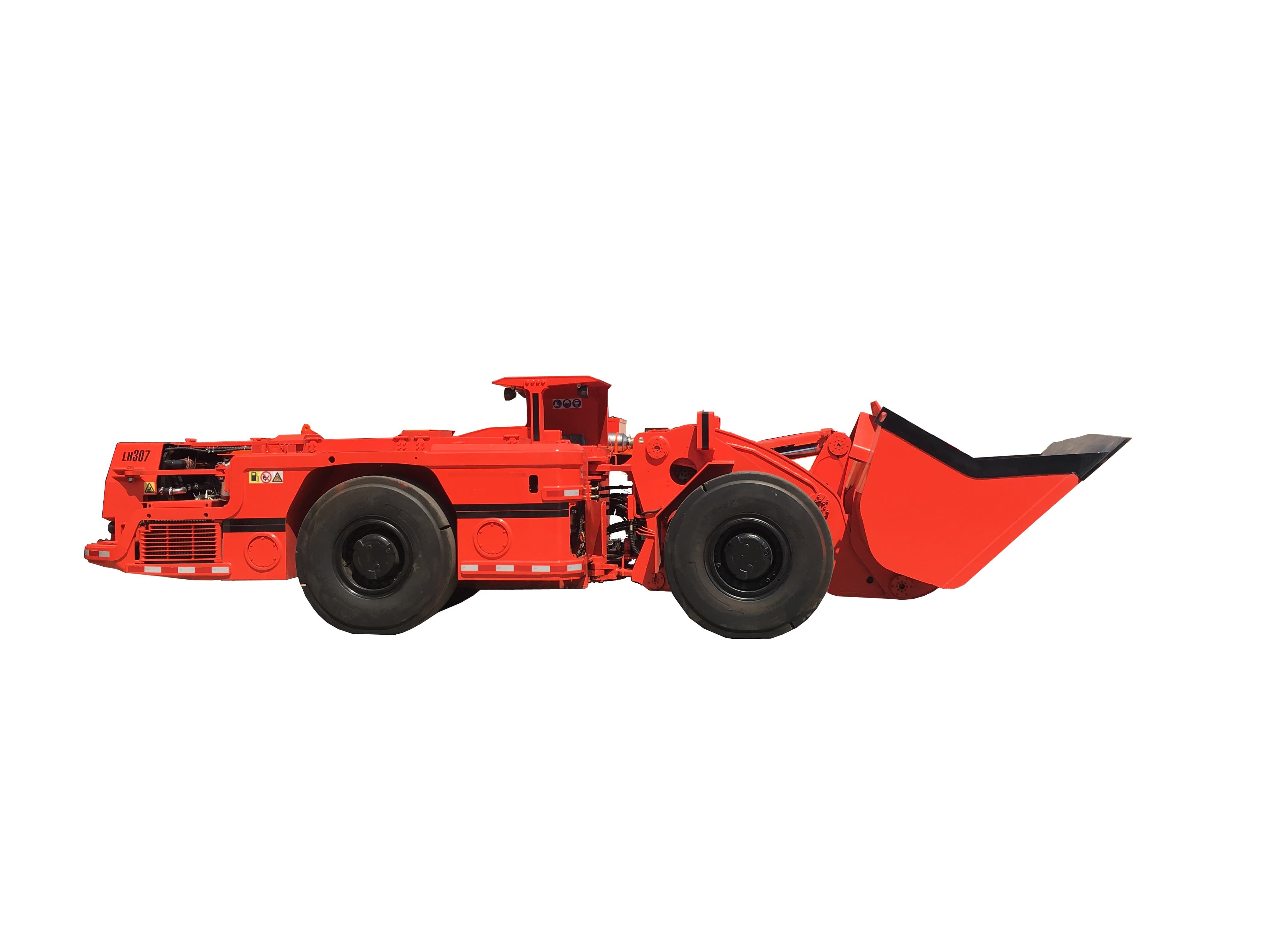
Understanding the comparative advantages and limitations of various LHD equipment types enables mining engineers and operators to make informed decisions that directly impact operational efficiency and profitability. The underground mining scoop distinguishes itself through specific design features, operational capabilities, and performance characteristics that address the unique challenges of subterranean mining environments. These specialized machines must navigate narrow tunnels, operate in low-profile spaces, and handle diverse materials while maintaining consistent performance under demanding conditions.
The evolution of LHD technology has led to significant improvements in equipment design, with manufacturers focusing on enhanced maneuverability, increased payload capacity, and improved operator comfort. Modern underground mining scoop models incorporate advanced hydraulic systems, sophisticated control mechanisms, and robust construction materials that ensure reliable operation in harsh underground conditions. This technological advancement has positioned the underground mining scoop as an indispensable component of efficient mining operations worldwide.
Core Design Characteristics of Underground Mining Scoops
Structural Engineering and Build Quality
The structural foundation of an underground mining scoop reflects decades of engineering refinement specifically tailored to underground applications. These machines feature reinforced chassis construction using high-strength steel alloys that can withstand the constant stress of loading, hauling, and dumping operations in confined spaces. The low-profile design ensures compatibility with standard underground tunnel dimensions while maximizing payload capacity within these spatial constraints.
Advanced welding techniques and stress distribution engineering contribute to the exceptional durability that defines quality underground mining scoop models. The articulated design allows for superior maneuverability in tight turning radiuses, a critical feature that distinguishes these machines from conventional surface mining equipment. This articulation system enables operators to navigate complex underground layouts with precision and efficiency.
The bucket design incorporates specific angles and reinforcement patterns optimized for various material types commonly encountered in underground mining operations. Sharp cutting edges, replaceable wear plates, and strategic weight distribution ensure optimal loading performance while minimizing component wear and maintenance requirements.
Hydraulic Systems and Performance Capabilities
Modern underground mining scoop equipment utilizes sophisticated hydraulic systems that provide exceptional lifting power and precise control across all operational functions. These systems typically feature multiple hydraulic circuits that allow simultaneous operation of steering, lifting, and dumping functions without performance degradation. The hydraulic pump capacity and pressure ratings are specifically calibrated to deliver maximum efficiency while maintaining reliability in continuous operation scenarios.
The integration of load-sensing hydraulic technology enables the underground mining scoop to automatically adjust hydraulic flow based on operational demands, resulting in reduced fuel consumption and extended component life. This intelligent hydraulic management represents a significant advancement over traditional fixed-flow systems used in older LHD equipment designs.
Temperature management systems within the hydraulic circuit prevent overheating during intensive operations, ensuring consistent performance even during extended work cycles. These thermal management features are particularly important in underground environments where ambient temperatures can vary significantly and ventilation may be limited.
Comparative Analysis with Alternative LHD Equipment
Traditional Loader Configurations
When comparing the underground mining scoop to traditional loader configurations, several distinct operational advantages become apparent. Conventional loaders often lack the specialized design features necessary for effective underground operation, particularly regarding height restrictions and maneuverability requirements. The underground mining scoop addresses these limitations through purpose-built design elements that optimize performance in confined spaces.
Traditional loaders typically feature higher overall heights that limit their application in standard underground tunnels, whereas the underground mining scoop maintains a low profile without sacrificing bucket capacity or lifting power. This design consideration proves crucial in mining operations where tunnel height restrictions cannot be modified to accommodate larger equipment.
The articulated steering system common in underground mining scoop designs provides superior maneuverability compared to conventional loader steering mechanisms. This enhanced maneuverability translates directly into improved productivity, as operators can navigate tight spaces more efficiently and position the equipment precisely for loading operations.
Specialized Underground Haulers
Specialized underground haulers represent another category of LHD equipment that serves similar functions to the underground mining scoop but with different operational characteristics. These haulers often prioritize hauling capacity over loading capability, featuring larger dump bodies but less sophisticated bucket designs. The underground mining scoop balances both loading and hauling functions effectively, providing operational versatility that specialized haulers cannot match.
The maintenance requirements for specialized underground haulers can be more complex due to their focus on maximizing payload capacity, often at the expense of accessibility to key components. Underground mining scoop designs typically incorporate better service access points, enabling more efficient maintenance procedures and reduced downtime for routine servicing.
Fuel efficiency comparisons often favor the underground mining scoop due to its optimized power-to-weight ratio and advanced hydraulic systems. Specialized haulers may consume more fuel per unit of material moved, particularly in operations requiring frequent loading cycles where the versatility of the underground mining scoop provides efficiency advantages.
Operational Performance and Productivity Metrics
Material Handling Capabilities
The material handling performance of an underground mining scoop encompasses various factors including loading speed, bucket capacity utilization, and cycle time optimization. These machines excel at handling diverse material types, from loose ore and waste rock to more challenging materials requiring precise bucket positioning and controlled dumping. The bucket design enables effective penetration into material piles while minimizing spillage during transport phases.
Payload optimization features built into modern underground mining scoop designs include automatic bucket leveling systems and load monitoring capabilities that help operators maximize each load without exceeding equipment limitations. These systems contribute to improved productivity by ensuring consistent load sizes and reducing the number of cycles required to move specific material quantities.
The dumping mechanisms incorporated in underground mining scoop designs provide precise material placement capabilities essential for effective underground operations. Whether dumping into trucks, hoppers, or designated stockpile areas, the controlled dumping action minimizes material loss and ensures accurate placement even in restricted headroom conditions.
Cycle Time Analysis and Efficiency Factors
Comprehensive cycle time analysis reveals that the underground mining scoop typically outperforms alternative LHD equipment in underground applications due to optimized travel speeds, faster loading cycles, and efficient dumping operations. The combination of powerful hydraulics and responsive controls enables operators to complete loading, hauling, and dumping sequences more quickly than possible with less specialized equipment.
Travel speed capabilities of modern underground mining scoop equipment have improved significantly with advanced transmission systems and optimized power delivery. These improvements translate directly into reduced cycle times, particularly in operations requiring longer haul distances between loading and dumping points.
Efficiency factors such as fuel consumption per ton moved, maintenance requirements per operating hour, and operator productivity measurements consistently demonstrate the advantages of properly selected underground mining scoop equipment over alternative LHD options in underground applications.
Technology Integration and Modern Features
Automation and Control Systems
Contemporary underground mining scoop models incorporate advanced automation features that enhance operational safety and efficiency while reducing operator fatigue during extended work periods. These systems include automated bucket positioning, load weight monitoring, and integrated GPS tracking for fleet management applications. The automation capabilities help standardize operating procedures and reduce the impact of operator skill variations on productivity.
Remote monitoring capabilities enable real-time tracking of equipment performance, maintenance needs, and operational parameters that support proactive maintenance strategies and optimize equipment utilization. These monitoring systems provide valuable data for continuous improvement initiatives and help identify opportunities for operational optimization.
Safety integration features such as proximity sensors, backup cameras, and automatic emergency braking systems represent standard equipment on modern underground mining scoop models. These safety enhancements reduce accident risks and provide operators with enhanced situational awareness in challenging underground environments.
Communication and Fleet Management
Modern underground mining scoop equipment integrates seamlessly with comprehensive fleet management systems that coordinate multiple machines for optimal productivity. These systems enable real-time communication between equipment operators and mine control centers, facilitating efficient task assignment and resource allocation throughout mining operations.
The communication systems built into current underground mining scoop designs support both voice and data transmission, enabling operators to report equipment status, request assistance, and receive updated work assignments without interrupting operational flow. This connectivity proves essential in complex mining operations where coordination between multiple equipment types is critical for efficiency.
Fleet management integration provides detailed operational reporting that helps mining managers optimize equipment deployment, schedule maintenance activities, and identify opportunities for productivity improvements. These management tools offer valuable insights into equipment utilization patterns and help justify equipment investment decisions.
Maintenance Requirements and Service Considerations
Preventive Maintenance Protocols
Effective maintenance protocols for underground mining scoop equipment encompass regular hydraulic system servicing, drivetrain maintenance, and structural integrity inspections designed to maximize equipment availability and extend component life. These protocols are specifically developed for the demanding conditions encountered in underground mining environments where equipment accessibility and service time constraints require efficient maintenance procedures.
The service-friendly design features incorporated into quality underground mining scoop models include strategically positioned service points, accessible component layouts, and quick-disconnect systems that minimize maintenance time requirements. These design considerations prove particularly valuable in underground operations where equipment downtime directly impacts production schedules and operational costs.
Predictive maintenance technologies integrated into modern underground mining scoop equipment enable condition-based maintenance scheduling that optimizes component replacement timing and reduces unexpected failures. These technologies monitor key system parameters and provide early warning indicators that help maintenance teams plan service activities effectively.
Component Longevity and Replacement Cycles
Component durability represents a critical factor in underground mining scoop selection, as the harsh operating conditions and intensive use patterns typical in underground mining accelerate wear on key components. High-quality underground mining scoop models feature enhanced component materials and design modifications that extend replacement intervals and reduce total ownership costs.
The availability of replacement parts and service support significantly influences the practical operational life of underground mining scoop equipment. Manufacturers with comprehensive parts distribution networks and technical support capabilities provide distinct advantages in maintaining equipment availability and minimizing operational disruptions.
Lifecycle cost analysis demonstrates that investing in higher-quality underground mining scoop equipment typically results in lower total ownership costs due to extended component life, reduced maintenance requirements, and improved operational efficiency over the equipment's service life.
Safety Features and Operator Protection
Cabin Design and Operator Environment
The operator cabin design in modern underground mining scoop equipment prioritizes safety, comfort, and operational efficiency through comprehensive engineering approaches that address the unique challenges of underground mining environments. These cabins feature reinforced construction using certified rollover protection structures (ROPS) and falling object protection systems (FOPS) that meet or exceed international safety standards for underground mining equipment.
Ergonomic considerations in underground mining scoop cabin design include adjustable seating systems, intuitive control layouts, and optimized visibility features that reduce operator fatigue and enhance operational safety during extended work shifts. Climate control systems maintain comfortable working conditions regardless of underground temperature variations, contributing to operator alertness and productivity.
Noise reduction technologies incorporated into cabin design minimize operator exposure to harmful noise levels while maintaining clear communication capabilities with other mine personnel. These acoustic improvements contribute to long-term operator health and safety while enhancing the overall working environment in underground mining applications.
Emergency Response and Safety Systems
Comprehensive emergency response systems integrated into underground mining scoop designs include emergency shutdown procedures, fire suppression capabilities, and emergency communication systems that ensure operator safety in various emergency scenarios. These systems are specifically designed to function effectively in underground environments where emergency response may be complicated by access limitations and communication challenges.
Safety monitoring systems continuously evaluate equipment operation and environmental conditions, providing automatic warnings and initiating protective actions when potentially dangerous conditions are detected. These monitoring capabilities help prevent accidents and equipment damage while maintaining operational efficiency in normal conditions.
Training support systems built into modern underground mining scoop equipment help ensure that operators understand safety procedures and equipment capabilities thoroughly. These systems may include simulation modes, integrated training materials, and performance monitoring features that support ongoing operator development and safety awareness.
Economic Considerations and Investment Analysis
Initial Capital Requirements
The capital investment required for underground mining scoop acquisition involves several factors beyond the basic equipment purchase price, including delivery logistics, installation requirements, and operator training costs. The specialized nature of underground mining scoop equipment typically commands premium pricing compared to surface mining alternatives, but this premium reflects the advanced engineering and specialized capabilities required for effective underground operation.
Financing options available for underground mining scoop purchases include traditional equipment loans, lease arrangements, and manufacturer financing programs that can help mining operations manage capital requirements while acquiring necessary equipment. These financing alternatives enable mining companies to optimize cash flow management while obtaining essential operational capabilities.
The resale value retention characteristics of quality underground mining scoop equipment provide important considerations for long-term investment planning. Well-maintained equipment from reputable manufacturers typically maintains better resale values, contributing to improved total investment returns over the equipment lifecycle.
Operational Cost Analysis
Comprehensive operational cost analysis for underground mining scoop equipment encompasses fuel consumption, maintenance expenses, operator costs, and productivity-related factors that influence overall operational economics. The fuel efficiency characteristics of modern underground mining scoop designs contribute significantly to operational cost control, particularly in operations with high equipment utilization rates.
Maintenance cost projections must account for the demanding operating conditions typical in underground mining applications, where equipment experiences higher stress levels and more challenging operating environments than surface applications. However, the specialized design features of quality underground mining scoop equipment help minimize these additional maintenance costs through enhanced durability and service-friendly designs.
Productivity-related cost benefits from effective underground mining scoop utilization include reduced cycle times, improved material handling efficiency, and enhanced operational flexibility that can justify the higher initial investment through improved operational revenues and reduced operational costs over time.
FAQ
What are the key advantages of an underground mining scoop over traditional surface loaders in underground applications?
The underground mining scoop offers several critical advantages over traditional surface loaders when operating in underground environments. The most significant advantage is the specialized low-profile design that accommodates standard underground tunnel height restrictions while maintaining optimal bucket capacity and lifting power. Additionally, the articulated steering system provides superior maneuverability in confined spaces, enabling efficient navigation through tight turning radiuses common in underground mine layouts. The reinforced construction and specialized hydraulic systems are engineered specifically for the demanding conditions encountered in underground mining, providing enhanced durability and reliability compared to surface equipment adapted for underground use.
How does maintenance complexity compare between underground mining scoops and other LHD equipment types?
Maintenance complexity for underground mining scoop equipment is generally optimized for underground operational requirements, with manufacturers designing service-friendly features that minimize maintenance time and complexity. Compared to specialized underground haulers or adapted surface equipment, the underground mining scoop typically features better component accessibility, strategically positioned service points, and quick-disconnect systems that reduce maintenance duration. The integrated diagnostic systems in modern models provide clear maintenance scheduling guidance and component condition monitoring, which helps maintenance teams plan service activities more effectively than equipment lacking these advanced monitoring capabilities.
What factors should mining operations consider when selecting between different underground mining scoop models?
Mining operations should evaluate several critical factors when selecting underground mining scoop equipment, including tunnel dimensions and height restrictions, typical material types and handling requirements, expected daily production volumes, and available maintenance support infrastructure. The power and hydraulic capabilities must match the specific operational demands, while bucket capacity should optimize the balance between payload and maneuverability requirements. Additionally, consideration should be given to operator comfort features, safety systems, technology integration capabilities, and the manufacturer's reputation for reliability and service support in underground mining applications.
How do fuel efficiency and operational costs compare across different underground LHD equipment categories?
Fuel efficiency comparisons typically favor well-designed underground mining scoop equipment due to optimized power-to-weight ratios and advanced hydraulic management systems that adjust power delivery based on operational demands. Compared to specialized haulers or traditional loaders, the underground mining scoop generally achieves better fuel consumption per ton of material moved, particularly in operations requiring frequent loading cycles. The operational cost advantages extend beyond fuel consumption to include reduced maintenance requirements, improved productivity through faster cycle times, and enhanced operational versatility that eliminates the need for multiple specialized equipment types in many underground mining applications.
Table of Contents
- Core Design Characteristics of Underground Mining Scoops
- Comparative Analysis with Alternative LHD Equipment
- Operational Performance and Productivity Metrics
- Technology Integration and Modern Features
- Maintenance Requirements and Service Considerations
- Safety Features and Operator Protection
- Economic Considerations and Investment Analysis
-
FAQ
- What are the key advantages of an underground mining scoop over traditional surface loaders in underground applications?
- How does maintenance complexity compare between underground mining scoops and other LHD equipment types?
- What factors should mining operations consider when selecting between different underground mining scoop models?
- How do fuel efficiency and operational costs compare across different underground LHD equipment categories?