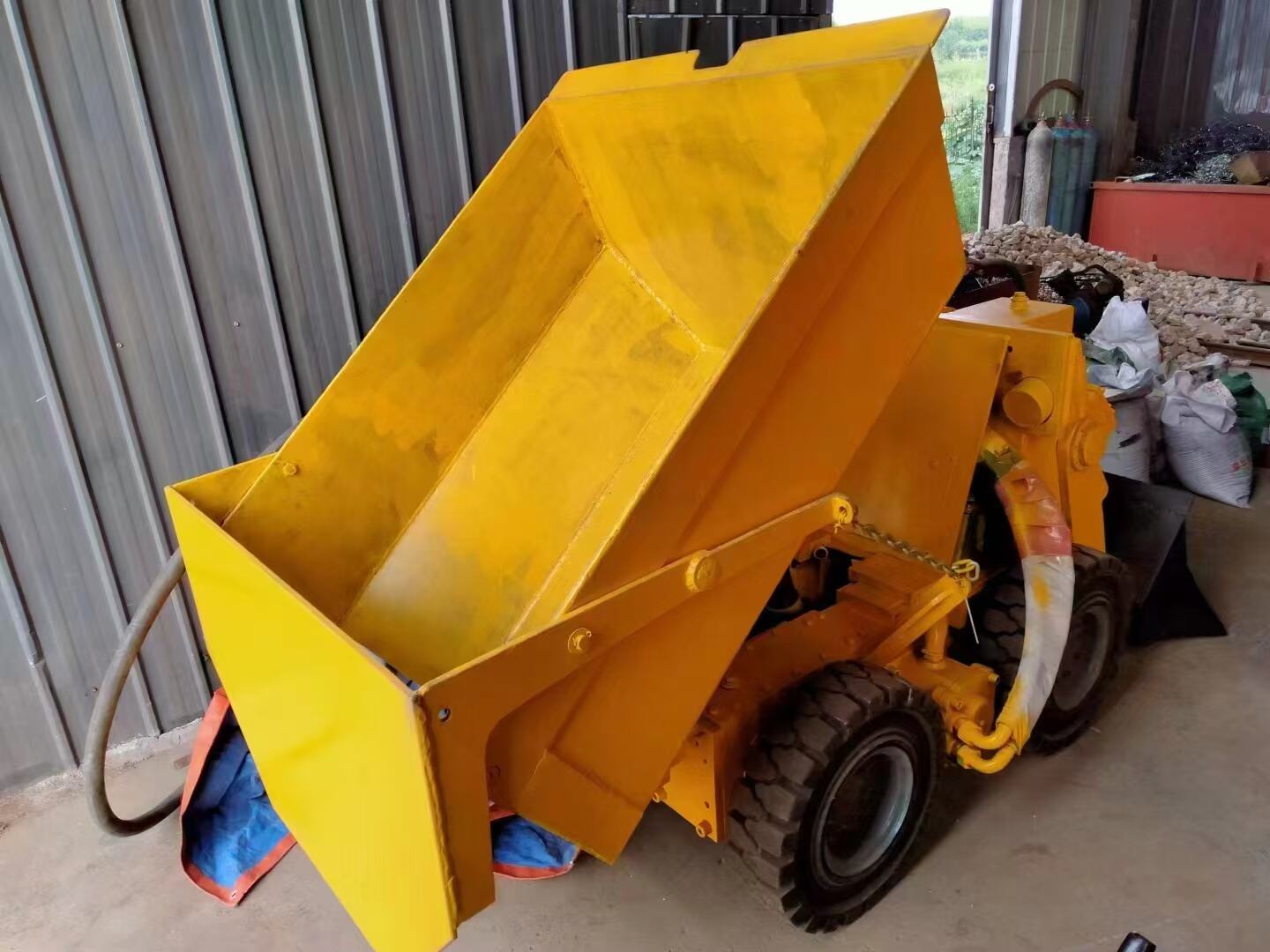
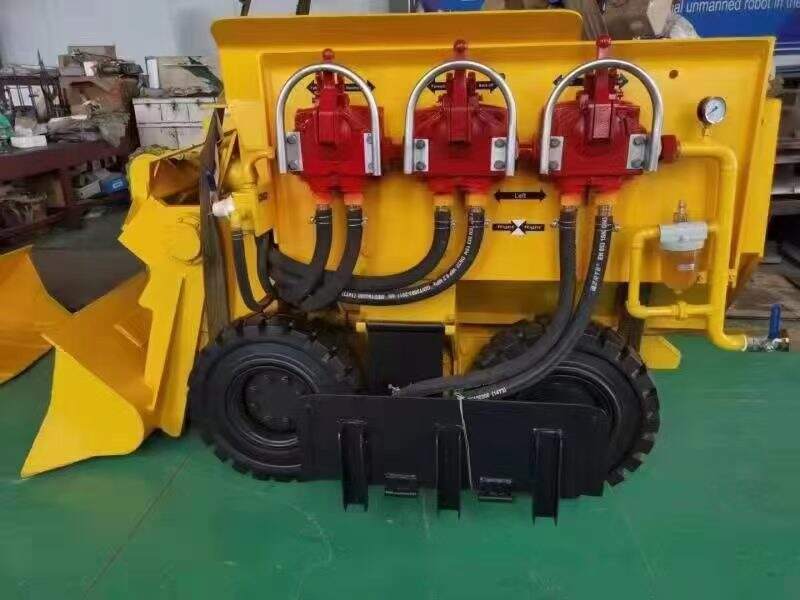
Advanced Integration of Monitoring and Control Technologies
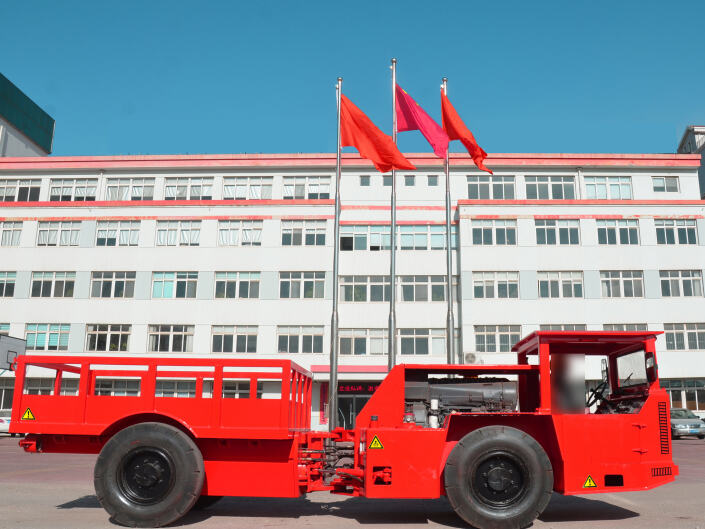
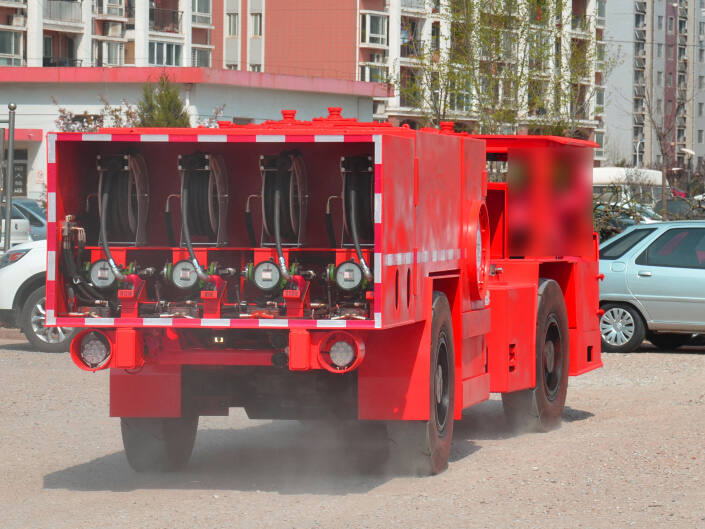
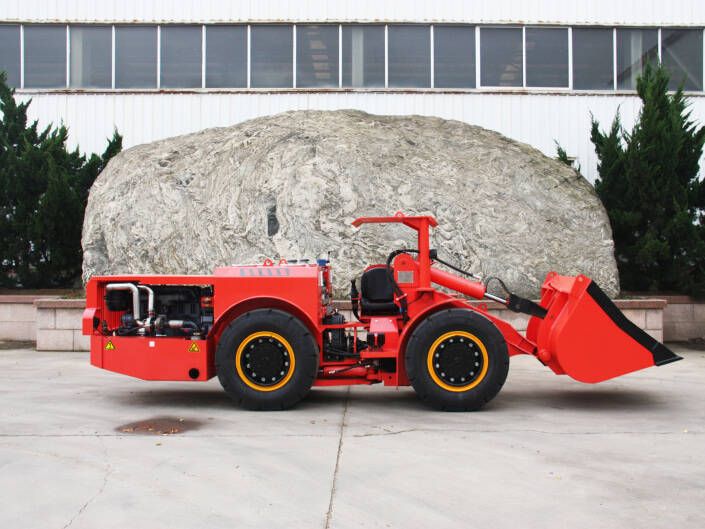
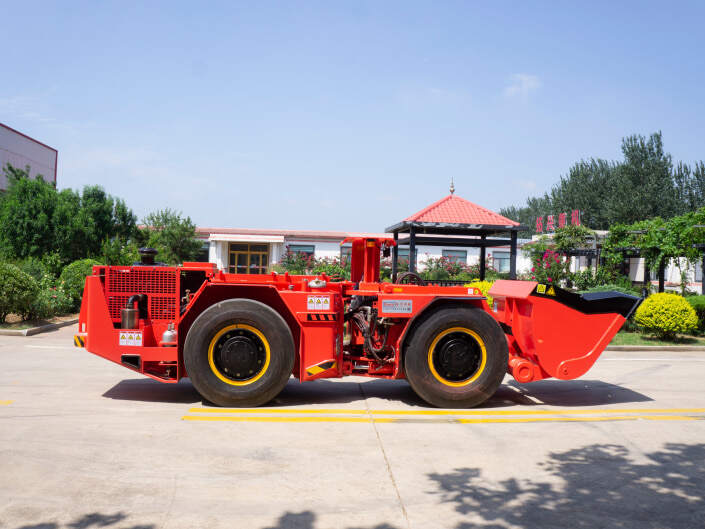
Modern rock loader custom equipment incorporates sophisticated monitoring and control technologies that transform these machines from simple mechanical loaders into intelligent systems capable of optimizing performance, predicting maintenance requirements, and enhancing operational safety through real-time data analysis and automated responses. These technological integrations represent a significant advancement in material handling equipment capabilities, providing operators and management teams with unprecedented visibility into equipment performance and operational efficiency. The foundation of rock loader custom monitoring systems consists of comprehensive sensor networks that continuously track critical operating parameters including engine performance metrics, hydraulic system pressures and temperatures, transmission conditions, brake system functionality, and structural stress indicators. These sensors feed data to centralized processing units that analyze information in real-time, identifying developing problems before they result in equipment failures that could halt production and generate expensive repair costs. The rock loader custom control systems incorporate programmable logic controllers that enable sophisticated automation features, allowing operators to execute complex operational sequences through simple command inputs while the system manages the detailed coordination of multiple hydraulic functions, engine speed adjustments, and transmission responses. Many rock loader custom installations include telematics systems that transmit operational data to remote monitoring stations, enabling management teams to track fleet performance across multiple work sites, compare productivity metrics between different machines and operators, and identify optimization opportunities that improve overall operational efficiency. The integration of GPS positioning systems in rock loader custom equipment provides precise location tracking that proves valuable for production monitoring, cycle time analysis, and coordination with other equipment operating in shared work areas. Advanced rock loader custom units incorporate collision avoidance technologies that use radar, lidar, or camera systems to detect nearby personnel, equipment, or obstacles, automatically slowing or stopping machine movements to prevent accidents in congested work environments. The operator interface on modern rock loader custom equipment features high-resolution displays that present critical information in intuitive formats, with customizable layouts that allow individual operators to prioritize the data most relevant to their working style and immediate operational requirements. These systems often include diagnostic capabilities that guide operators through troubleshooting procedures when problems occur, reducing downtime by enabling quick identification of issues and appropriate corrective actions. The rock loader custom monitoring technologies also support predictive maintenance strategies through trend analysis of component wear indicators, allowing maintenance teams to schedule interventions during planned downtime rather than responding to unexpected failures that disrupt production schedules. Environmental monitoring capabilities integrated into some rock loader custom systems track parameters such as dust levels, noise emissions, and exhaust characteristics, ensuring compliance with increasingly stringent regulatory requirements while protecting worker health and safety.

 EN
EN