Underground Rock Loader: Ultimate Guide to Features, Benefits and Applications for Mining Operations

All Categories

underground rock loader

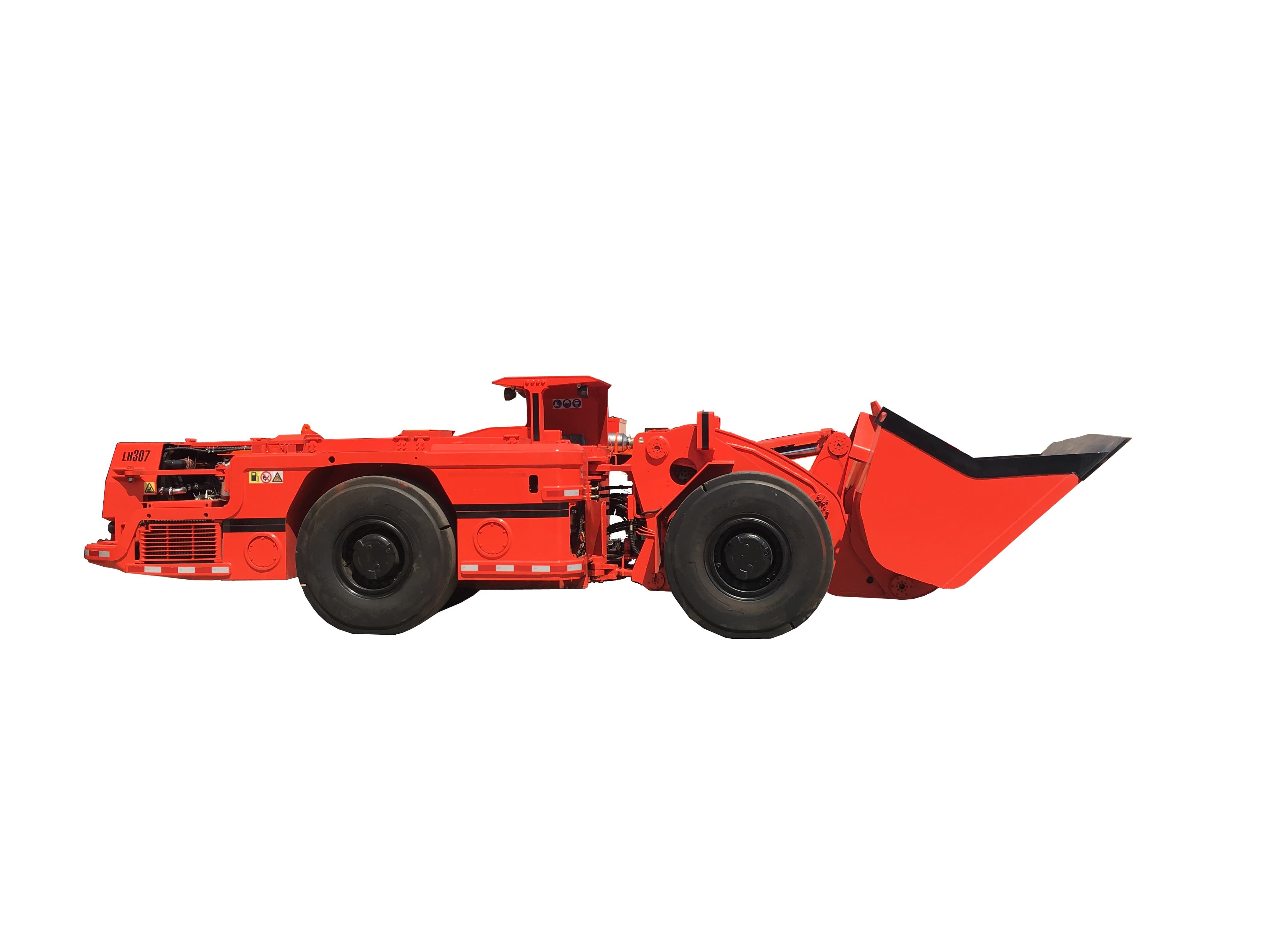
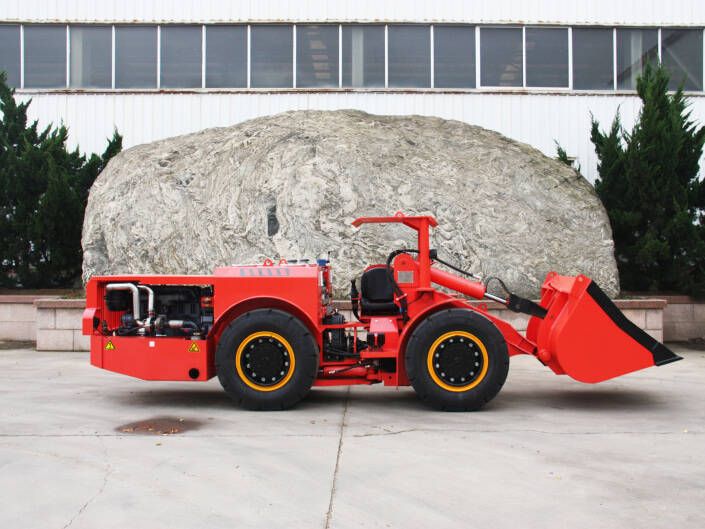
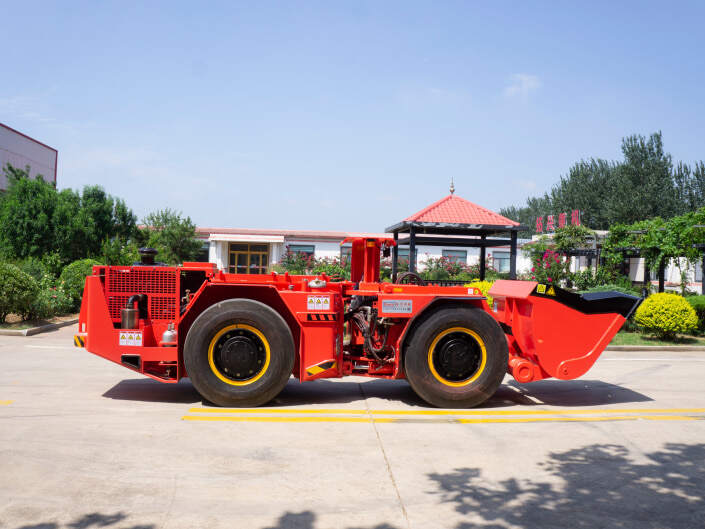
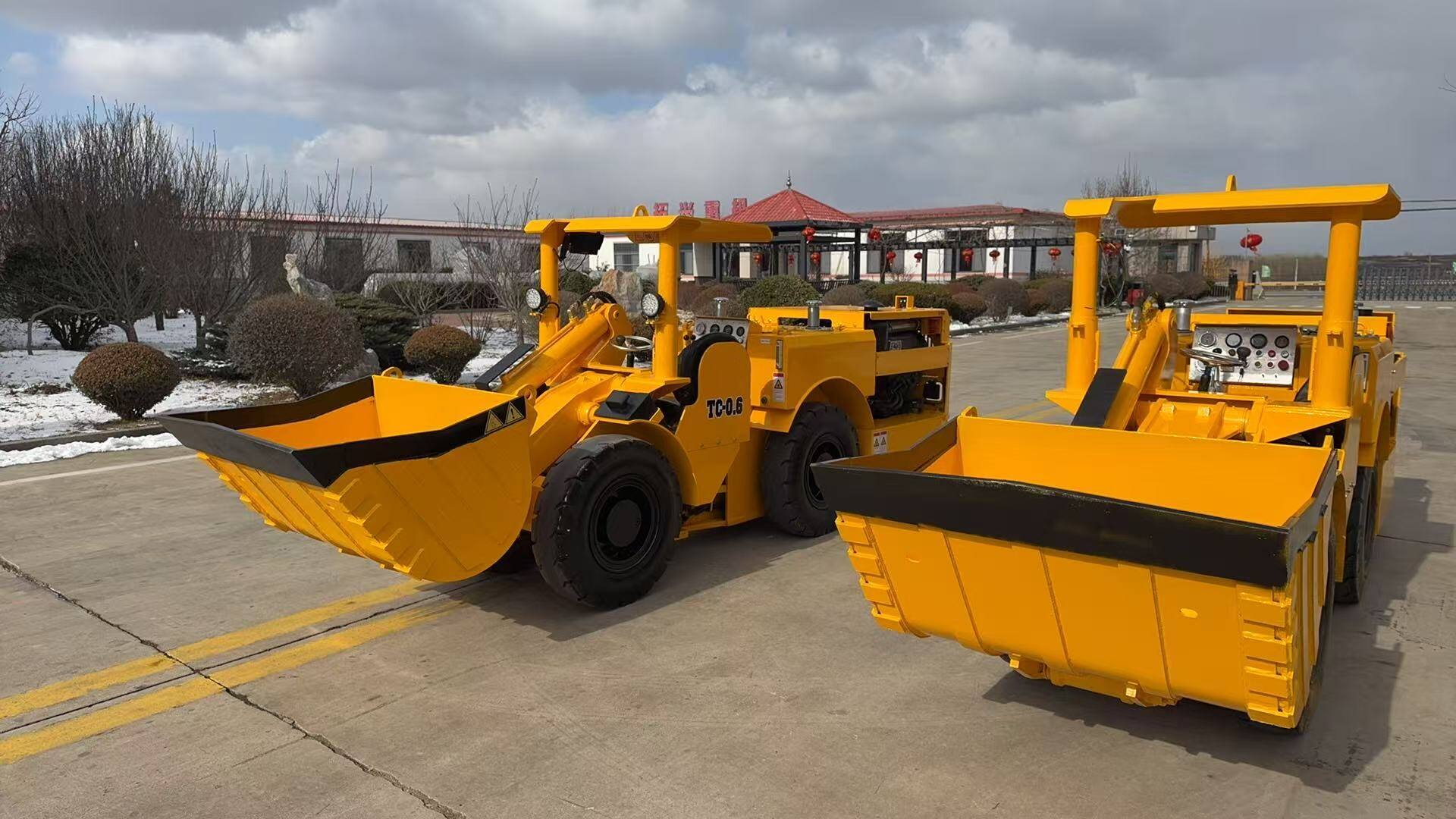
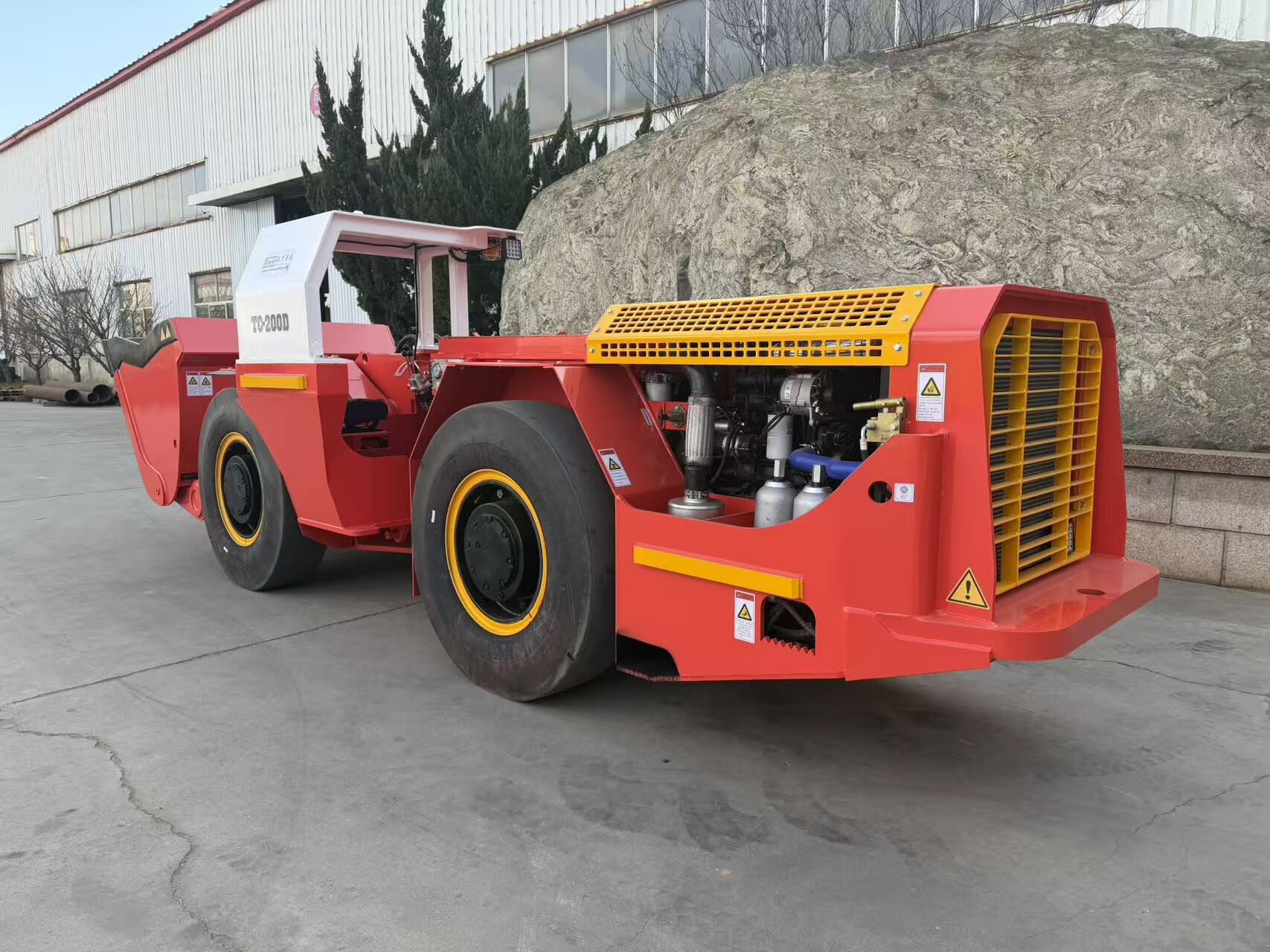
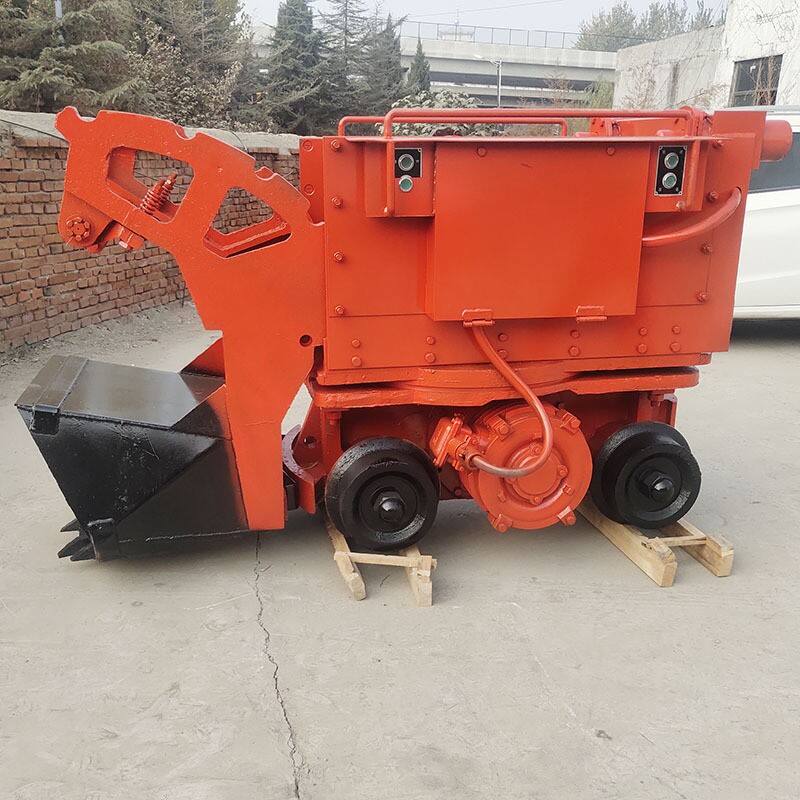
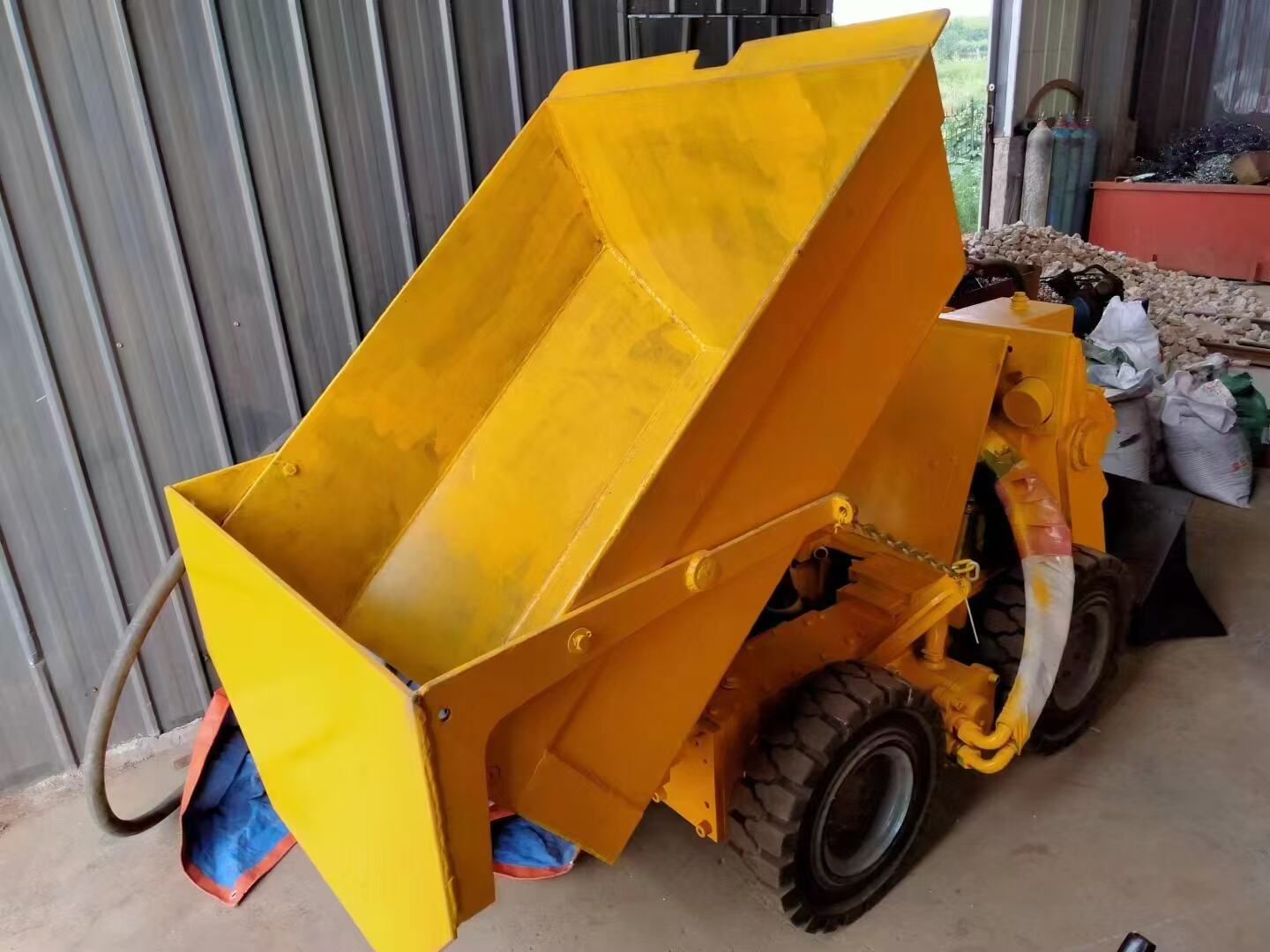
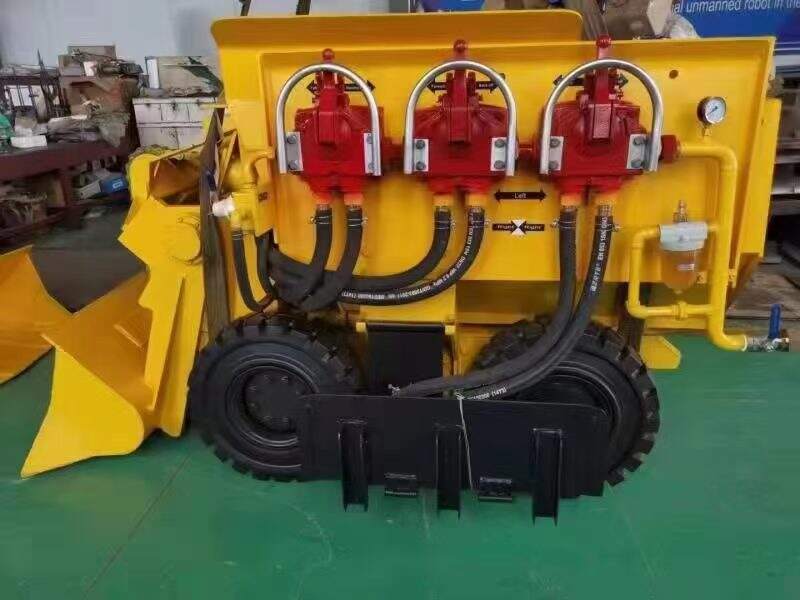
An underground rock loader represents a specialized piece of heavy machinery designed specifically for material handling operations in confined subterranean environments such as mining tunnels, underground construction sites, and excavation projects. This robust equipment serves as the primary workhorse for loading fragmented rock, ore, and debris onto transportation vehicles or conveyor systems deep beneath the earth's surface. The underground rock loader operates in challenging conditions where space is limited, visibility is reduced, and environmental factors demand exceptional durability and reliability. These machines are engineered with compact dimensions to navigate narrow tunnels while maintaining substantial loading capacity and operational efficiency. The primary function of an underground rock loader involves scooping, lifting, and transferring broken rock materials from the working face or blast site to haulage trucks or other transport mechanisms. Modern underground rock loaders incorporate advanced hydraulic systems that provide precise control over bucket movements, allowing operators to work with accuracy even in restricted spaces. The technological features of these loaders include reinforced structural components built to withstand the harsh underground environment, powerful diesel or electric drive systems optimized for enclosed spaces, and sophisticated operator cabins equipped with climate control, enhanced visibility systems, and ergonomic controls. Many contemporary models feature automated functions such as load sensing, traction control, and diagnostic monitoring systems that enhance productivity while reducing operator fatigue. Applications for underground rock loaders span various industries including hard rock mining operations for precious metals and minerals, coal mining facilities, tunnel construction for transportation infrastructure, underground civil engineering projects, and quarrying operations. The versatility of these machines makes them indispensable in any operation requiring efficient material movement in underground settings, where their specialized design delivers performance that conventional surface loaders simply cannot match in confined subterranean workspaces.

New Products

The underground rock loader delivers numerous practical benefits that directly impact your operation's bottom line and daily productivity. First and foremost, these machines significantly reduce the time required to clear working areas after blasting or excavation activities. By efficiently moving large volumes of broken rock quickly, your crew can maintain continuous workflow and minimize costly downtime between operational cycles. The compact design allows the loader to access areas that larger surface equipment simply cannot reach, ensuring you can work productively in narrow tunnels and restricted spaces without compromising loading capacity. This spatial efficiency translates directly into faster project completion times and improved resource utilization. The robust construction of these loaders means you will experience fewer breakdowns and maintenance interruptions. Built with heavy-duty components specifically selected for underground conditions, these machines withstand the constant vibration, impact, and abrasive materials that characterize subterranean work environments. This durability reduces your long-term ownership costs and keeps your operations running smoothly. Operator comfort features built into modern underground rock loaders directly improve workforce productivity and safety. Enhanced visibility systems help your operators see clearly in low-light conditions, while ergonomic controls reduce physical strain during extended shifts. Climate-controlled cabins protect workers from extreme temperatures and dust, creating a work environment that keeps your team focused and efficient. The advanced hydraulic systems provide smooth, responsive control that allows operators to work precisely, reducing spillage and improving load quality. Energy efficiency represents another significant advantage, with modern power systems optimizing fuel consumption or electrical usage depending on your chosen model. This efficiency reduces operating costs while also addressing ventilation concerns in enclosed underground spaces where exhaust management is critical. Safety features integrated into these loaders protect your most valuable asset: your workers. Rollover protection structures, fire suppression systems, and emergency shutdown mechanisms provide multiple layers of protection in the unpredictable underground environment. The loader's stability systems prevent tipping and ensure safe operation on uneven tunnel floors and inclines. Maintenance accessibility has been carefully considered in the design, with service points positioned for easy access even in confined spaces. This thoughtful engineering reduces the time your mechanics spend on routine maintenance, keeping machines operational and productive. The return on investment for an underground rock loader becomes evident quickly through increased production rates, reduced labor requirements per ton of material moved, and decreased equipment downtime compared to less specialized alternatives.

Tips And Tricks

How Do Underground Mining Dump Trucks Handle Extreme Tunnel Conditions?

17

Nov

How Do Underground Mining Dump Trucks Handle Extreme Tunnel Conditions?

Underground mining operations present some of the most challenging working environments in industrial machinery, where specialized equipment must perform reliably under extreme conditions. Underground mining dump trucks represent a critical component...
View More
How Do B2B Mining Projects Choose the Right Underground Dump Truck?

17

Nov

How Do B2B Mining Projects Choose the Right Underground Dump Truck?

Selecting the appropriate underground dump truck for B2B mining operations represents a critical decision that directly impacts operational efficiency, safety standards, and long-term profitability. Mining contractors and project managers must naviga...
View More
Why Are LHD Loaders Preferred for Material Handling in Confined Spaces?

11

Dec

Why Are LHD Loaders Preferred for Material Handling in Confined Spaces?

Underground mining operations and construction projects in confined spaces present unique challenges that require specialized equipment capable of navigating narrow tunnels and restricted work areas. LHD loaders have emerged as the preferred solution...
View More
What Factors Affect the Performance of an Underground Mining Scoop?

07

Jan

What Factors Affect the Performance of an Underground Mining Scoop?

The performance of an underground mining scoop depends on numerous interconnected factors that directly impact productivity, safety, and operational efficiency in mining operations. Understanding these variables is crucial for mining engineers and op...
View More

Get a Free Quote

Our representative will contact you soon.
Email
Name
Company Name
Message
0/1000

underground rock loader

Superior Loading Capacity with Compact Footprint Engineering

Superior Loading Capacity with Compact Footprint Engineering

The underground rock loader achieves an exceptional balance between powerful loading capacity and space-efficient design that revolutionizes productivity in confined subterranean environments. Traditional surface loaders sacrifice maneuverability when equipped with large buckets, but specialized underground rock loaders employ innovative engineering solutions that maximize payload without increasing the machine's overall dimensions. The bucket design incorporates optimized geometry that increases volume capacity while maintaining the narrow profile necessary for tunnel operations. High-strength steel alloys used in bucket construction allow for thinner walls without compromising durability, effectively adding capacity without adding bulk. The articulated steering system represents a critical design feature that enables these loaders to navigate tight corners and switchbacks common in underground mine layouts. Unlike rigid-frame loaders that require wide turning radii, the articulated joint allows the underground rock loader to bend in the middle, cutting the turning radius nearly in half compared to conventional designs. This maneuverability means your operators can work efficiently in development headings, crosscuts, and other confined areas where every meter of space matters. The low-profile design addresses the height restrictions inherent in many underground operations. Engineers have positioned components strategically to minimize the machine's vertical clearance requirements, allowing operation in tunnels with limited overhead space. The operator cabin uses a streamlined design that protects the worker while fitting within these height constraints. Despite the compact dimensions, the underground rock loader delivers impressive breakout force through its hydraulic system. Multiple hydraulic cylinders work in coordination to generate the power needed to penetrate compacted muck piles and fill the bucket completely with each pass. The hydraulic flow rates are calibrated to provide rapid cycle times, allowing the loader to fill, lift, travel, dump, and return quickly for the next load. The chassis design distributes weight efficiently to maintain stability even when carrying maximum loads. The center of gravity remains low, preventing the tipping that can occur with top-heavy machines. Wide-stance axles and substantial ground clearance ensure the underground rock loader maintains traction and stability across uneven tunnel floors, rocky surfaces, and areas with loose material. This engineering excellence translates into practical benefits for your operation: more material moved per shift, ability to work in areas previously inaccessible to mechanized equipment, and reduced need for secondary handling that wastes time and labor resources.
Advanced Operator Environment and Control Systems

Advanced Operator Environment and Control Systems

The operator environment within a modern underground rock loader represents a significant technological advancement that directly enhances productivity, safety, and workforce satisfaction. Underground operations present unique challenges including poor visibility, high noise levels, temperature extremes, and constant vibration that can quickly lead to operator fatigue and reduced performance. Recognizing these challenges, manufacturers have developed sophisticated cabin systems that create a controlled workspace enabling operators to maintain peak performance throughout extended shifts. The pressurized cabin system serves multiple critical functions in the underground environment. Positive air pressure prevents dust infiltration, keeping the breathing environment clean and maintaining clear visibility through windows that would otherwise become coated with fine particulate matter. Advanced filtration systems remove harmful contaminants from incoming air, protecting operator health during long-term exposure. Climate control systems maintain comfortable temperatures regardless of ambient conditions, whether dealing with the heat generated by machinery and geothermal factors or the cold of high-altitude mining operations. The visibility enhancement systems integrated into modern underground rock loaders address one of the most significant challenges of subterranean work. High-intensity LED lighting arrays illuminate the working area with bright, even light that eliminates shadows and reveals potential hazards. Camera systems positioned strategically around the machine provide the operator with comprehensive views of blind spots, including the area behind the loader during backing operations and the bucket position during loading. Monitor displays within the cabin present these camera feeds alongside machine diagnostic information, creating a comprehensive awareness system. Ergonomic control design reduces the physical demands on operators, allowing them to work longer with less fatigue. Modern underground rock loaders utilize joystick controls that require minimal force and movement, replacing the mechanical levers that demanded constant physical effort. These electronic controls provide proportional response, meaning the machine's movement corresponds precisely to the operator's input, enabling smooth, accurate operation. The control layout positions all frequently used functions within easy reach, minimizing the stretching and twisting that contributes to operator discomfort. Suspension seating absorbs the constant vibration and impact transmitted through the machine structure. These specialized seats adjust to accommodate operators of different sizes and actively dampen the jarring movements that occur when traversing rough tunnel floors. The noise suppression built into the cabin reduces sound levels to comfortable ranges, protecting hearing while allowing clear communication via radio systems. The information systems integrated into the operator station provide real-time data about machine performance, maintenance requirements, and operational parameters. Digital displays show hydraulic pressures, engine performance metrics, and system diagnostics that alert operators to developing issues before they cause breakdowns.

Robust Durability and Simplified Maintenance Design

Robust Durability and Simplified Maintenance Design

The underground rock loader must withstand extraordinarily harsh operating conditions that would quickly destroy equipment designed for surface applications, necessitating specialized engineering focused on durability, component protection, and maintenance accessibility. Underground operations subject machinery to constant impacts from falling rock, abrasive dust that penetrates every gap, corrosive moisture in many mining environments, and continuous vibration from traveling over uneven surfaces. The structural framework of an underground rock loader utilizes heavy-gauge steel construction with reinforced stress points at locations that experience the highest loads. Engineers employ finite element analysis during the design phase to identify potential weak points and add reinforcement before the machine ever enters service. The frame design incorporates few welded joints in high-stress areas, instead using formed components that eliminate the weakness inherent in welded seams. Critical wear surfaces receive additional protection through replaceable wear plates made from abrasion-resistant steel alloys. The bucket cutting edge, a component that experiences extreme wear from constant contact with rock, uses bolt-on replaceable sections that maintenance crews can swap quickly without specialized equipment. This design approach reduces downtime and extends the overall service life of the bucket assembly. Loader arms and lift cylinders operate in an environment filled with abrasive particles that can quickly damage hydraulic seals and bearing surfaces. Protective boots shield hydraulic cylinder rods from dust and impact, while sealed bearing assemblies prevent contamination of critical pivot points. The hydraulic system incorporates multiple stages of filtration that remove particles before they can damage pumps, valves, and cylinders. High-quality hoses with abrasion-resistant covers and protective routing prevent the hydraulic line failures that can halt operations. The power system, whether diesel or electric, receives protection from the underground environment through sealed enclosures that prevent dust infiltration while providing adequate cooling airflow. Heat exchangers use designs that resist plugging from dust accumulation, and accessible cleanout points allow maintenance personnel to remove debris buildup during routine service. The electrical system throughout the underground rock loader employs waterproof connectors and sealed junction boxes that prevent moisture-related failures. Wire harnesses route through protected channels rather than exposing them to potential damage from contact with tunnel walls or debris. Maintenance accessibility distinguishes well-designed underground rock loaders from equipment that becomes a service nightmare. Hinged body panels provide wide access to engine compartments, hydraulic components, and electrical systems without requiring extensive disassembly. Service points for fluid checks and additions position themselves logically with clear labeling that guides technicians even during emergency repairs in difficult conditions. Quick-disconnect fittings on hydraulic lines allow rapid component replacement, while standardized fasteners throughout the machine reduce the tool requirements for field maintenance. The diagnostic systems built into modern underground rock loaders provide maintenance teams with valuable troubleshooting information that speeds repair work and enables predictive maintenance strategies.

Get a Free Quote

Our representative will contact you soon.
Email
Name
Company Name
Message
0/1000