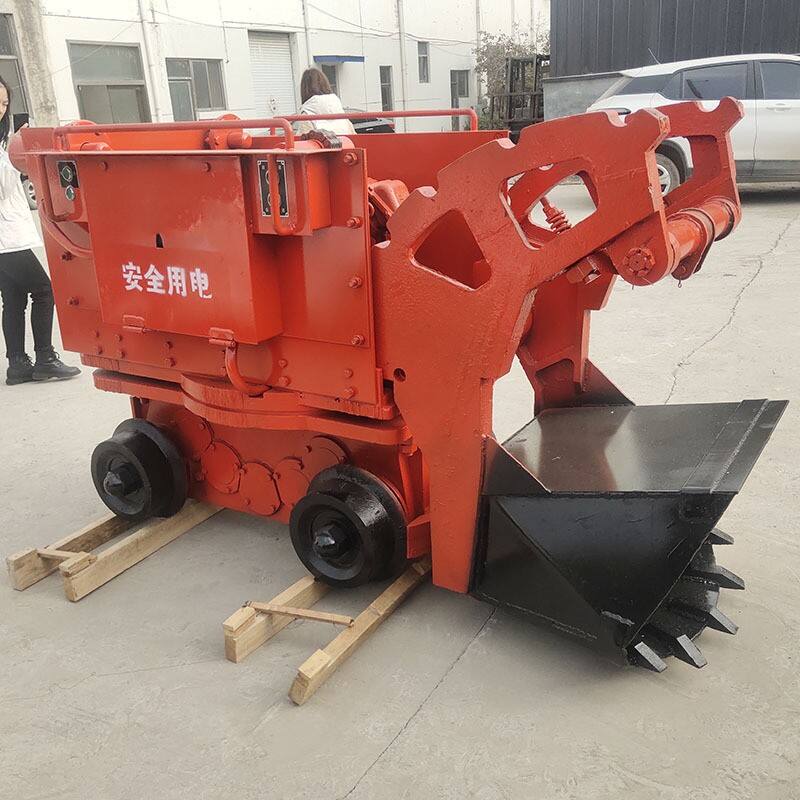
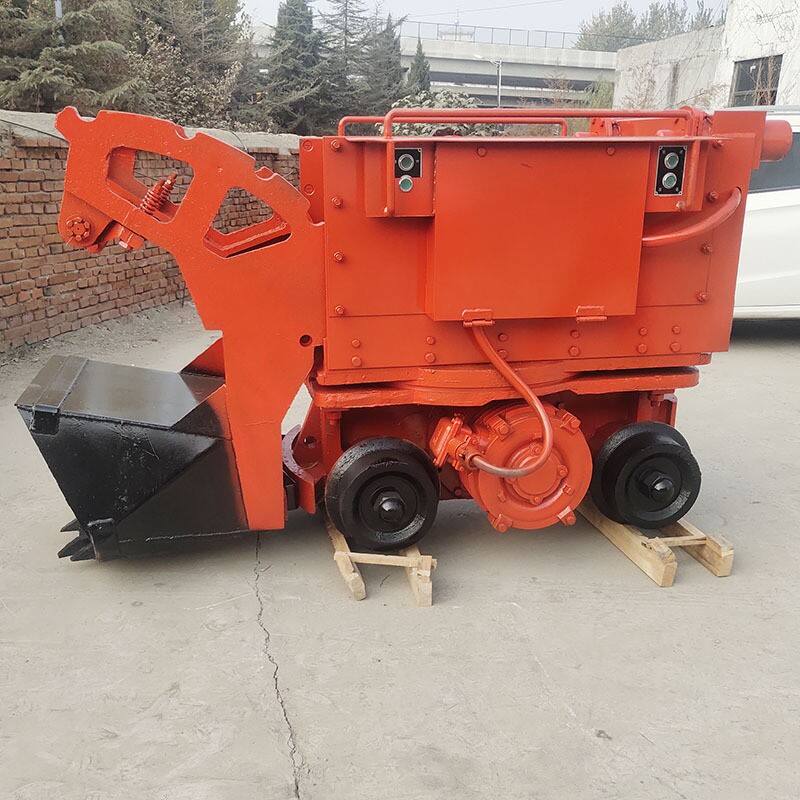
Versatile Applications Across Multiple Underground Projects
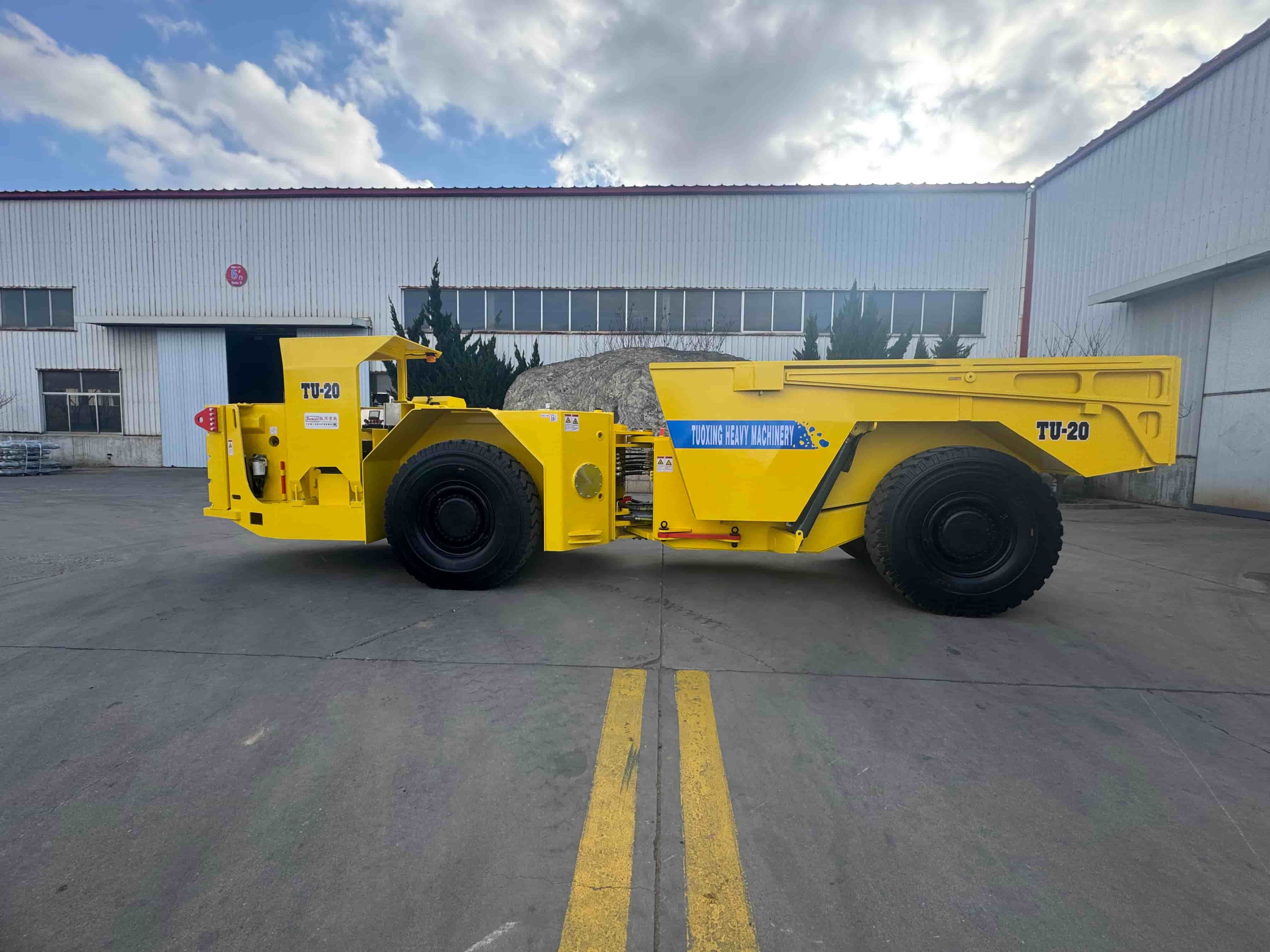
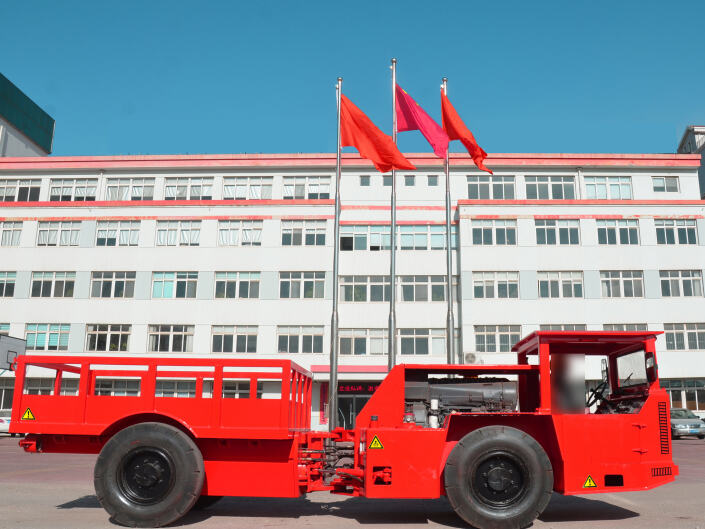
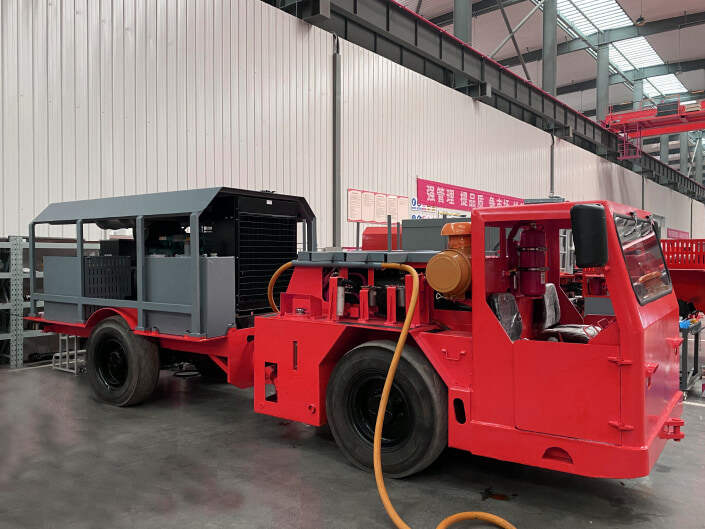
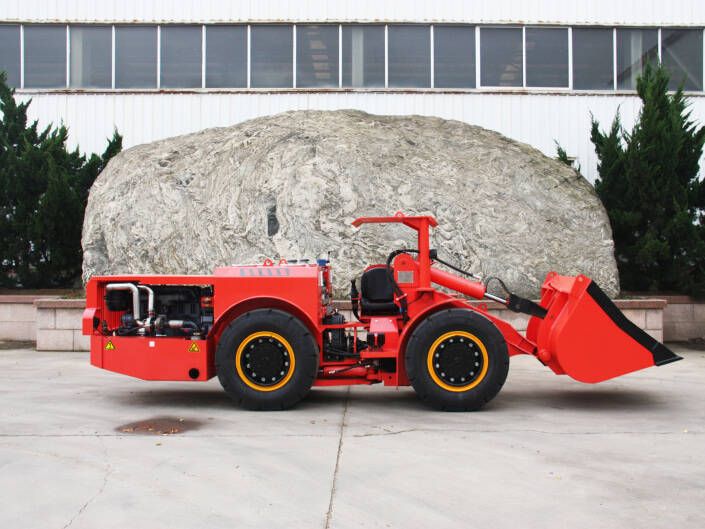
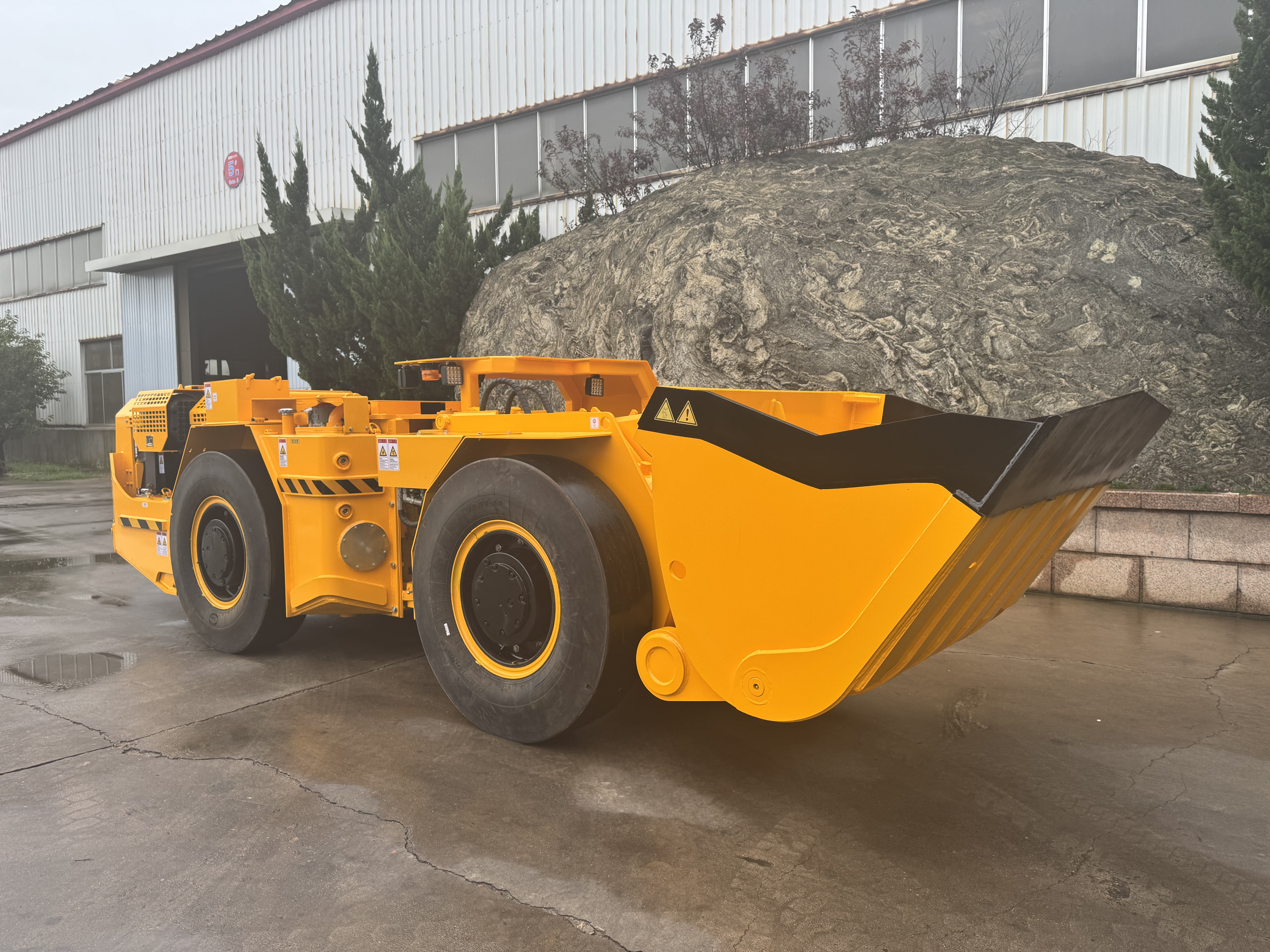
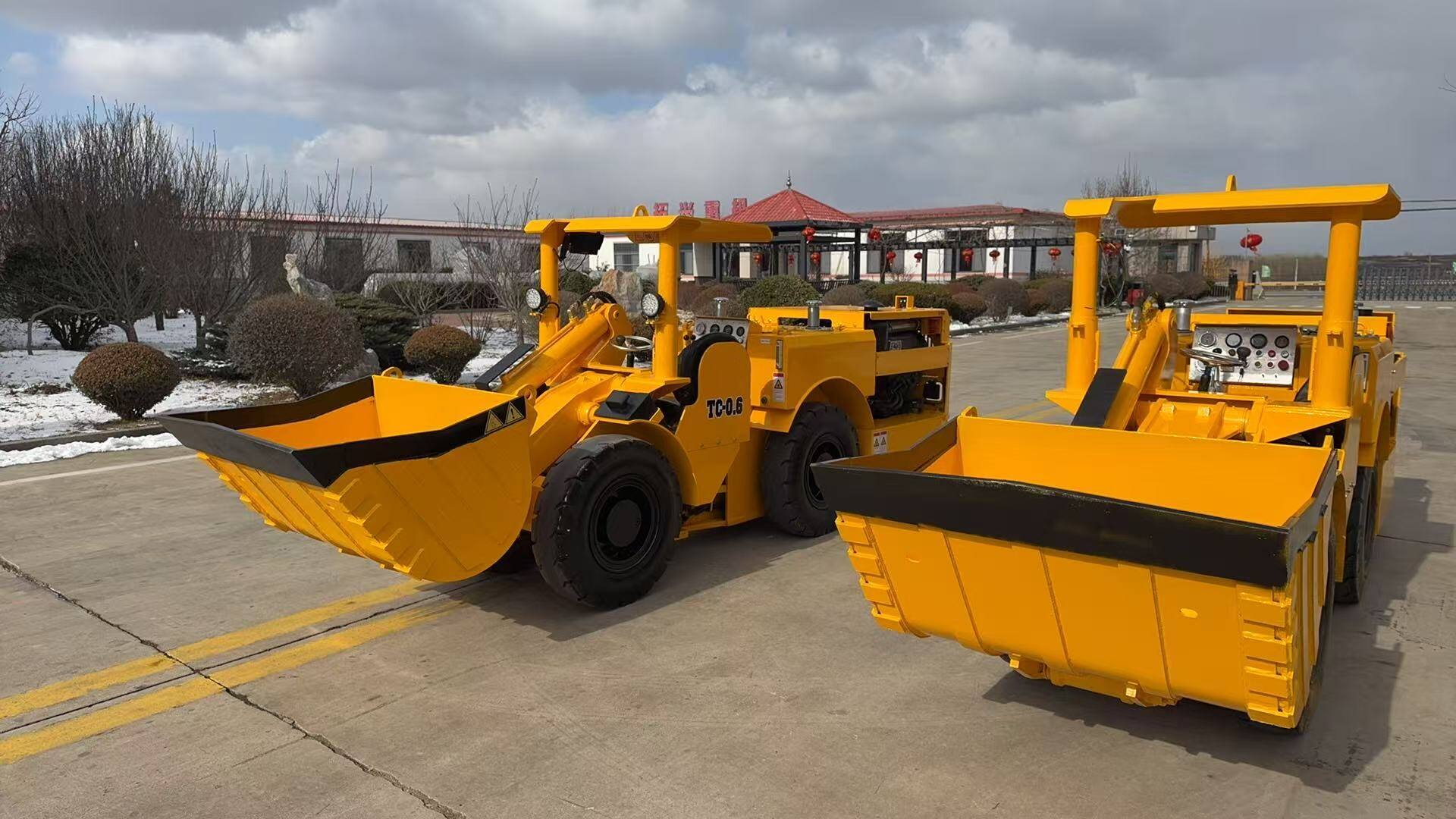
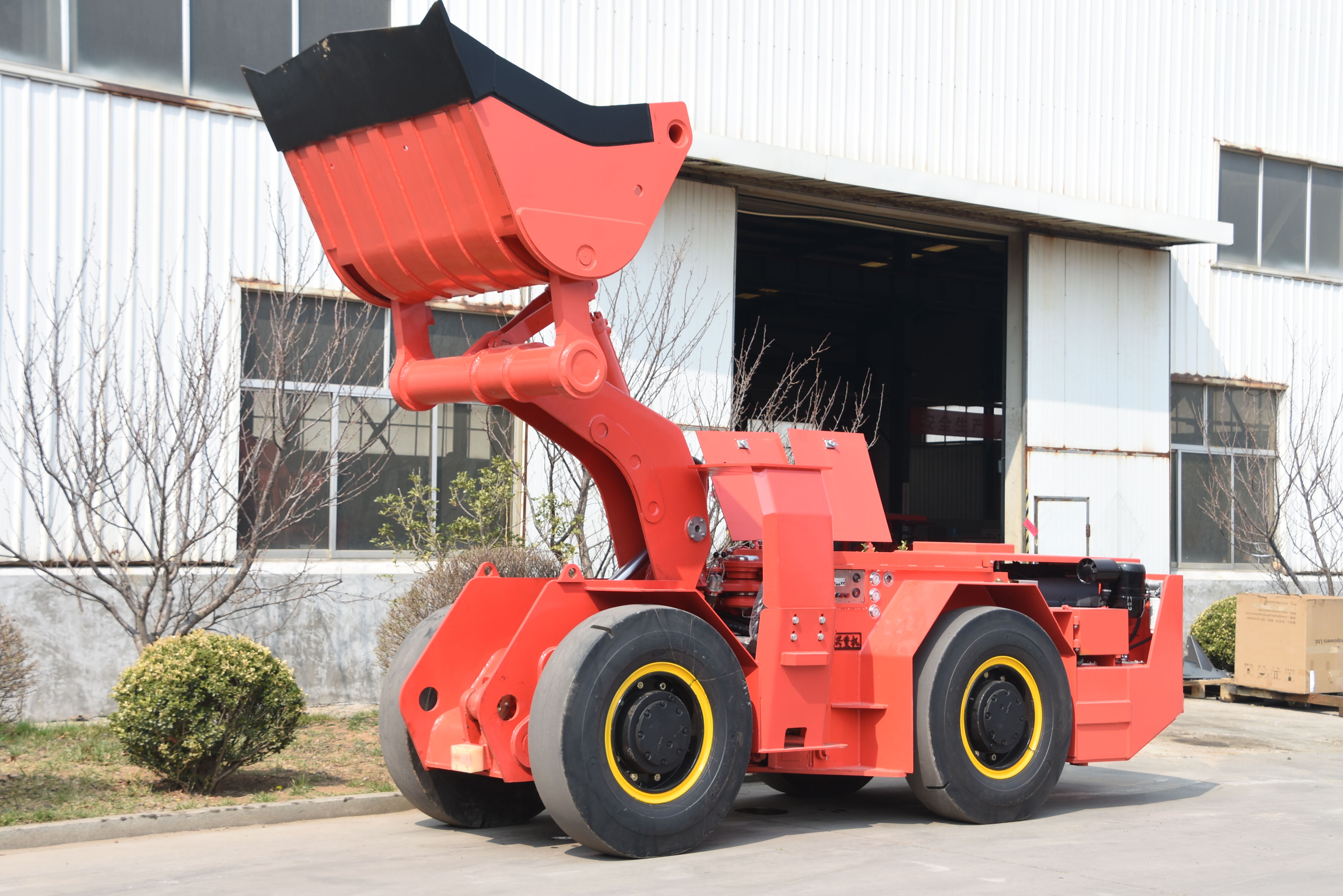
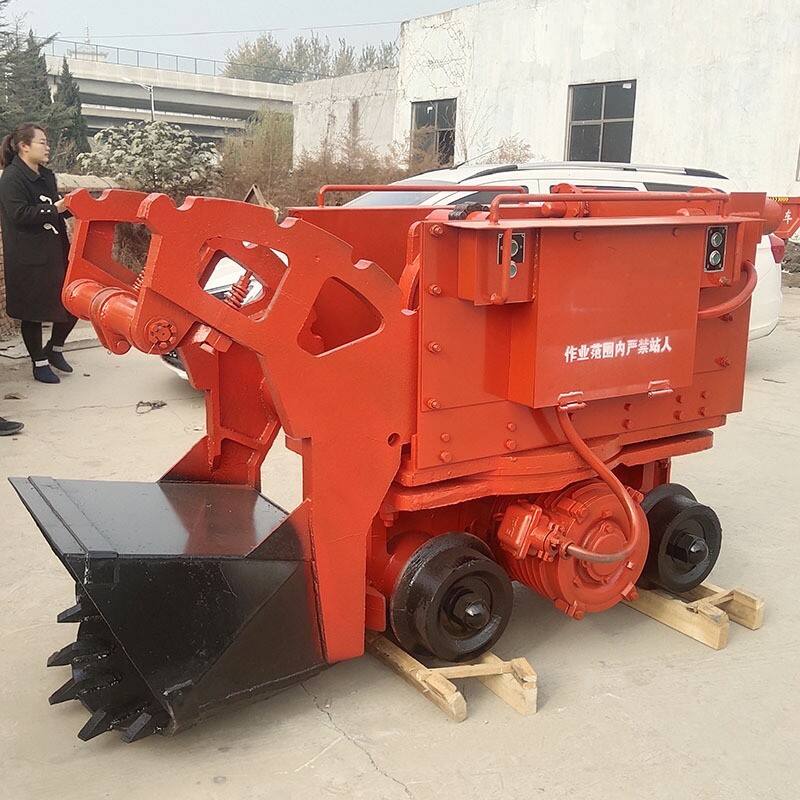
The rock loader proves remarkably versatile across diverse underground project types, delivering consistent value whether supporting metal mining operations, coal extraction activities, civil tunnel construction, or specialized underground development work. In metalliferous mining environments, these machines efficiently handle ore-bearing rock materials, loading blast muck from stope faces or development headings and transporting material to ore passes or loading points for further handling. The equipment adapts readily to different mining methods including room and pillar extraction, sublevel stoping, or cut and fill operations, providing essential material handling capabilities regardless of specific technique employed. Coal mining operations benefit substantially from rock loader applications, with machines clearing development headings, loading roadway advancement muck, and supporting continuous miner operations by removing broken material from working faces. The explosion-proof variants designed specifically for coal mining environments incorporate specialized electrical systems and components that eliminate ignition sources, ensuring safe operation in potentially gassy underground coal seams where methane concentrations create explosion hazards. Civil engineering projects utilize rock loader technology extensively during tunnel construction for transportation infrastructure, water conveyance systems, and underground power generation facilities. These applications demand reliable equipment that maintains consistent performance throughout extended project durations, often measured in years rather than months. The machines prove equally effective whether working in hard rock conditions requiring drill and blast excavation or softer formations where mechanical excavation methods predominate. Underground infrastructure development including subway construction, utility tunnels, and storage cavern excavation relies heavily on efficient rock loading equipment to maintain project schedules and control costs. The compact dimensions of modern rock loader designs enable effective operation in the confined cross-sections typical of infrastructure tunnels where space limitations constrain equipment selection. Quarrying operations conducting underground extraction utilize these machines for material handling in dimension stone operations or specialized mineral extraction where underground methods offer advantages over surface quarrying approaches. Rehabilitation projects in existing mines require versatile equipment capable of working in deteriorated conditions with limited access, situations where rock loader maneuverability and reliability prove invaluable. Emergency response situations including rescue operations or urgent repairs benefit from quickly deployed rock loader equipment that clears obstructed passages or creates access routes through collapsed areas. Research and experimental mining projects employ these machines when investigating new extraction techniques or testing innovative mining approaches in pilot scale operations. The broad application range demonstrates rock loader adaptability and confirms the equipment value across essentially any underground project requiring efficient broken rock handling. This versatility provides significant advantages for contractors and mining companies operating across multiple project types, allowing equipment deployment across various contracts without requiring specialized machines for each application type. The standardized operation and maintenance procedures applicable across different rock loader applications reduce training requirements and simplify fleet management, delivering operational efficiencies that improve project profitability and organizational effectiveness.

 EN
EN