
 EN
EN
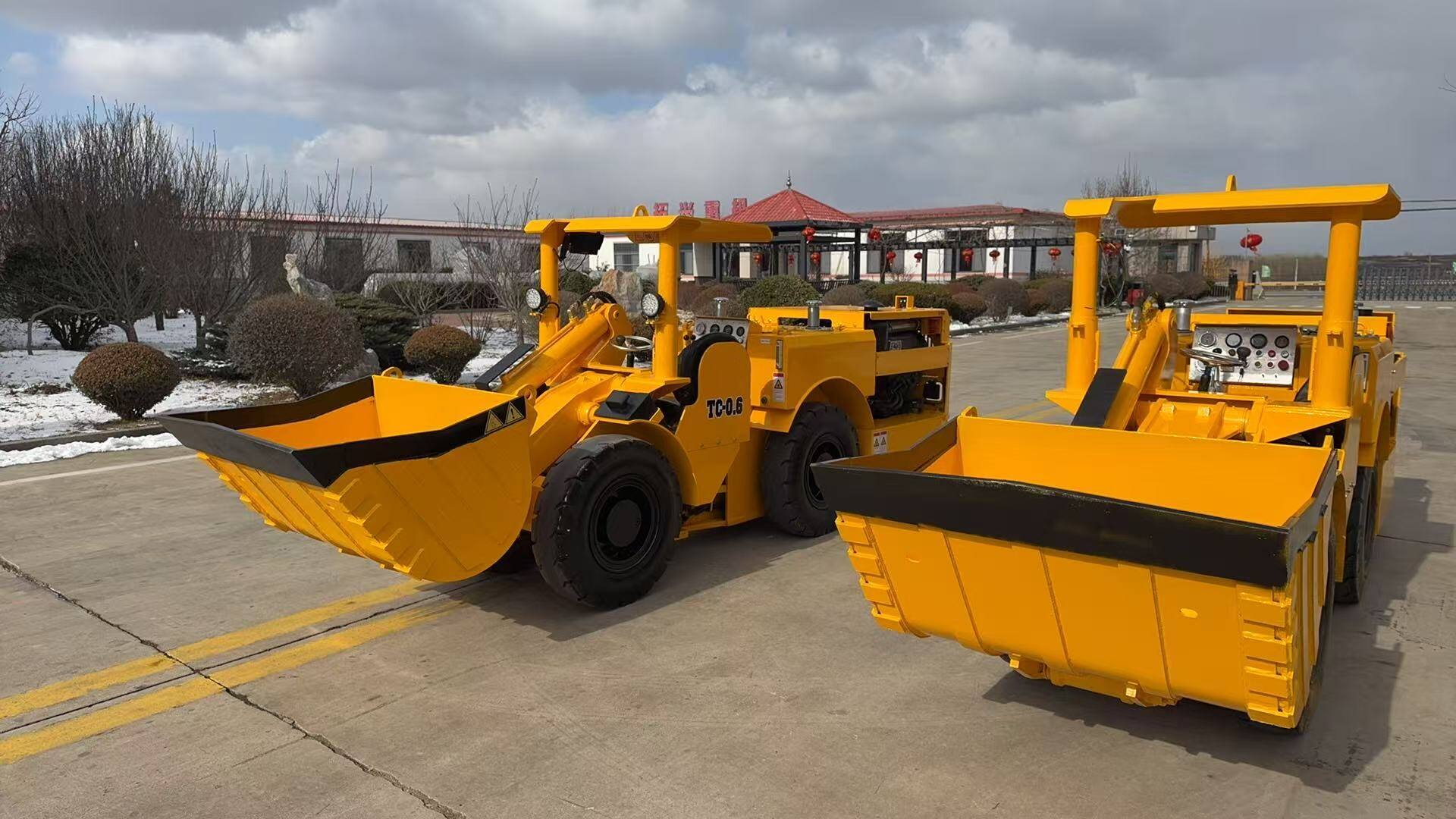
Underground mining operations and construction projects in confined spaces present unique challenges that require specialized equipment capable of navigating narrow tunnels and restricted work areas. LHD loaders have emerged as the preferred solution for material handling in these demanding environments, offering superior maneuverability, efficiency, and operational flexibility that traditional equipment simply cannot match. These versatile machines combine compact design with powerful performance, enabling operators to transport heavy loads through tight spaces while maintaining productivity and safety standards.
The mining industry has witnessed a significant shift toward mechanized operations in recent decades, with LHD loaders becoming indispensable assets for underground material handling. These machines excel in environments where space constraints limit the use of larger equipment, providing operators with the ability to efficiently move ore, waste rock, and construction materials through narrow passages and confined work areas. The strategic importance of these machines extends beyond their immediate functionality, as they directly impact overall operational efficiency and project timelines in space-restricted applications.
Design Advantages of LHD Loaders for Confined Spaces
Compact Frame Construction and Dimensional Optimization
The engineering behind LHD loaders prioritizes dimensional efficiency without compromising functional capability. These machines feature low-profile designs that allow them to operate in tunnels with limited overhead clearance, typically ranging from 2.5 to 4 meters in height. The compact wheelbase and articulated steering system enable tight turning radii, often less than 6 meters, which proves essential when navigating intersections and confined work areas underground.
Advanced frame construction utilizes high-strength steel alloys to maintain structural integrity while minimizing overall weight and dimensions. The strategic placement of engine components, hydraulic systems, and operator cabins ensures optimal weight distribution and center of gravity control. This design philosophy allows LHD loaders to maintain stability while carrying maximum payload capacity through narrow passages and steep gradients commonly encountered in underground operations.
Articulated Steering Systems and Maneuverability Features
The articulated steering mechanism represents a fundamental advantage of LHD loaders in confined environments, providing exceptional maneuverability that conventional rigid-frame vehicles cannot achieve. This system allows the front and rear sections of the machine to pivot independently, creating sharp turning capabilities essential for navigating tight corners and narrow drifts. The hydraulic steering system provides precise control and responsive handling, enabling operators to make subtle adjustments in restricted spaces.
Modern LHD loaders incorporate advanced steering technologies including four-wheel steering options and electronic stability control systems. These features enhance operator confidence and safety while reducing the risk of equipment damage in confined spaces. The ability to execute precise movements and maintain control during load transport operations significantly improves productivity and reduces operational downtime associated with equipment positioning and maneuvering challenges.
Operational Efficiency in Restricted Environments
Load Capacity Optimization and Transport Efficiency
LHD loaders deliver exceptional load capacity relative to their compact dimensions, with payload capacities ranging from 3 to 20 tons depending on the specific model and application requirements. The bucket design incorporates optimized geometry to maximize material retention while maintaining maneuverability in tight spaces. Advanced hydraulic systems provide powerful lifting and dumping capabilities, ensuring efficient material handling throughout the transport cycle.
The transport efficiency of these machines becomes particularly evident in underground mining operations where cycle times directly impact overall productivity. LHD loaders can maintain consistent transport speeds through narrow tunnels while carrying full loads, minimizing the time required for material movement between extraction points and dumping locations. This operational efficiency translates to significant cost savings and improved project timelines in space-constrained environments.
Cycle Time Performance and Productivity Metrics
Performance analysis of LHD loaders in confined spaces demonstrates superior cycle time efficiency compared to alternative material handling solutions. These machines typically achieve cycle times of 3 to 8 minutes depending on transport distance and tunnel conditions, significantly outperforming track-mounted equipment or conveyor systems in many applications. The ability to perform loading, transport, and dumping operations as a single integrated process eliminates the need for material transfer between different equipment types.
Productivity metrics consistently favor LHD loaders in applications involving irregular tunnel geometries or frequently changing work locations. The flexibility to adapt quickly to different operational requirements without extensive setup or reconfiguration procedures provides substantial advantages in dynamic work environments. Advanced telemetry systems in modern LHD loaders enable real-time performance monitoring and optimization, further enhancing operational efficiency and maintenance planning.
Safety Considerations and Risk Management
Operator Protection and Visibility Systems
Safety represents a paramount concern in confined space operations, and LHD loaders incorporate comprehensive protection systems designed specifically for underground environments. Reinforced operator cabins feature rollover protection structures and falling object protection systems that meet stringent international safety standards. Advanced sealing systems protect operators from dust, noise, and hazardous atmospheric conditions commonly encountered in underground operations.
Visibility enhancement technologies including LED lighting systems, backup cameras, and proximity sensors provide operators with comprehensive awareness of their surroundings in low-light conditions. These safety features prove particularly valuable in confined spaces where visibility is naturally limited and the risk of collisions or equipment damage is elevated. Emergency communication systems and automated safety shutdown features further enhance operator protection in hazardous situations.
Equipment Stability and Control Features
LHD loaders incorporate sophisticated stability control systems that automatically adjust machine parameters to maintain safe operation on uneven surfaces and steep gradients. Electronic stability programs monitor machine attitude, load distribution, and operating conditions in real-time, providing automatic intervention when potentially unsafe conditions are detected. These systems prove essential in confined spaces where environmental conditions can change rapidly and unpredictably.
Advanced braking systems including regenerative braking and automatic parking brake engagement provide reliable stopping power and control in all operating conditions. The low center of gravity design inherent in LHD loaders contributes to exceptional stability during loaded and unloaded operations. Traction control systems and differential locks ensure reliable mobility on loose or slippery surfaces commonly encountered in underground environments.
Technology Integration and Advanced Features
Automation and Remote Operation Capabilities
Modern LHD loaders increasingly incorporate automation technologies that enhance safety and efficiency in confined space operations. Remote operation capabilities allow operators to control machines from safe distances, reducing exposure to hazardous conditions while maintaining productivity. Semi-autonomous navigation systems can execute predefined transport routes, reducing operator fatigue and improving consistency in material handling operations.
Advanced sensor arrays and machine learning algorithms enable LHD loaders to adapt to changing environmental conditions and optimize performance parameters automatically. These technologies prove particularly valuable in confined spaces where environmental monitoring and adaptive control become essential for safe and efficient operations. Integration with mine management systems provides real-time operational data and enables coordinated fleet management in complex underground networks.
Maintenance Accessibility and Service Efficiency
The design of LHD loaders prioritizes maintenance accessibility despite their compact dimensions, incorporating strategic access panels and modular component arrangements that facilitate routine service operations. Hydraulic systems feature centralized service points and diagnostic interfaces that enable rapid troubleshooting and maintenance procedures. This design approach minimizes equipment downtime and reduces the logistical challenges associated with maintenance operations in confined spaces.
Predictive maintenance technologies integrated into modern LHD loaders monitor component performance and operating parameters continuously, enabling proactive maintenance scheduling and preventing unexpected failures. Remote diagnostic capabilities allow technical support personnel to assess machine condition and provide guidance without requiring physical access to confined work areas. These technological advances significantly improve equipment reliability and operational continuity in challenging environments.
Economic Benefits and Cost Analysis
Capital Investment and Operational Cost Considerations
The economic advantages of LHD loaders in confined space applications extend beyond their initial purchase price to encompass comprehensive operational cost benefits. These machines typically require lower capital investment compared to alternative material handling systems such as conveyor installations or rail-mounted equipment. The versatility of LHD loaders enables them to serve multiple functions within a single operation, reducing the need for specialized equipment and associated capital expenditures.
Operational cost analysis reveals significant advantages in fuel efficiency, maintenance requirements, and labor productivity when using LHD loaders in confined environments. The ability to operate independently without extensive infrastructure development reduces ongoing operational expenses and provides flexibility for changing operational requirements. Advanced engine technologies and hydraulic efficiency improvements in modern LHD loaders contribute to reduced fuel consumption and lower environmental impact.
Return on Investment and Productivity Gains
Productivity improvements achieved through the use of LHD loaders in confined spaces typically result in rapid return on investment, with payback periods ranging from 2 to 5 years depending on operational intensity and application requirements. The ability to maintain consistent material handling capacity regardless of space constraints provides significant competitive advantages in time-sensitive projects. Reduced cycle times and improved operational efficiency directly translate to increased throughput and revenue generation.
Long-term economic benefits include reduced infrastructure development costs, improved operational flexibility, and enhanced safety performance that minimizes insurance and liability expenses. The modular design and upgrade capability of modern LHD loaders enable operators to adapt equipment capabilities to evolving operational requirements without complete equipment replacement. This adaptability provides sustained value and extends equipment service life in dynamic operational environments.
FAQ
What makes LHD loaders more suitable for confined spaces than other material handling equipment?
LHD loaders feature compact dimensions, articulated steering systems, and low-profile designs specifically engineered for confined space operations. Their ability to navigate tight corners, operate in low-ceiling environments, and maintain stability while carrying heavy loads makes them superior to rigid-frame vehicles or fixed conveyor systems in restricted areas. The combination of maneuverability and load capacity optimization provides unmatched versatility in confined environments.
How do LHD loaders maintain safety standards in underground or confined space operations?
Modern LHD loaders incorporate comprehensive safety systems including reinforced operator cabins with ROPS and FOPS protection, advanced lighting systems for improved visibility, and electronic stability control. Emergency communication systems, automatic safety shutdown features, and proximity sensors provide multiple layers of protection. Regular safety training and proper maintenance protocols ensure these safety systems remain effective throughout the equipment lifecycle.
What are the typical maintenance requirements for LHD loaders operating in confined spaces?
Maintenance requirements for LHD loaders in confined spaces focus on hydraulic system care, engine service, and structural component inspection. Regular maintenance intervals typically range from 250 to 500 operating hours depending on environmental conditions and operational intensity. Predictive maintenance technologies and remote diagnostic capabilities help optimize maintenance scheduling and reduce unexpected downtime in challenging operating environments.
How do operational costs of LHD loaders compare to alternative material handling solutions in confined spaces?
LHD loaders typically demonstrate lower total cost of ownership compared to conveyor systems, rail-mounted equipment, or manual material handling methods in confined spaces. Reduced infrastructure requirements, versatile operational capabilities, and efficient fuel consumption contribute to favorable cost comparisons. The ability to adapt quickly to changing operational requirements without extensive reconfiguration provides additional economic advantages over fixed material handling systems.
Table of Contents
- Design Advantages of LHD Loaders for Confined Spaces
- Operational Efficiency in Restricted Environments
- Safety Considerations and Risk Management
- Technology Integration and Advanced Features
- Economic Benefits and Cost Analysis
-
FAQ
- What makes LHD loaders more suitable for confined spaces than other material handling equipment?
- How do LHD loaders maintain safety standards in underground or confined space operations?
- What are the typical maintenance requirements for LHD loaders operating in confined spaces?
- How do operational costs of LHD loaders compare to alternative material handling solutions in confined spaces?