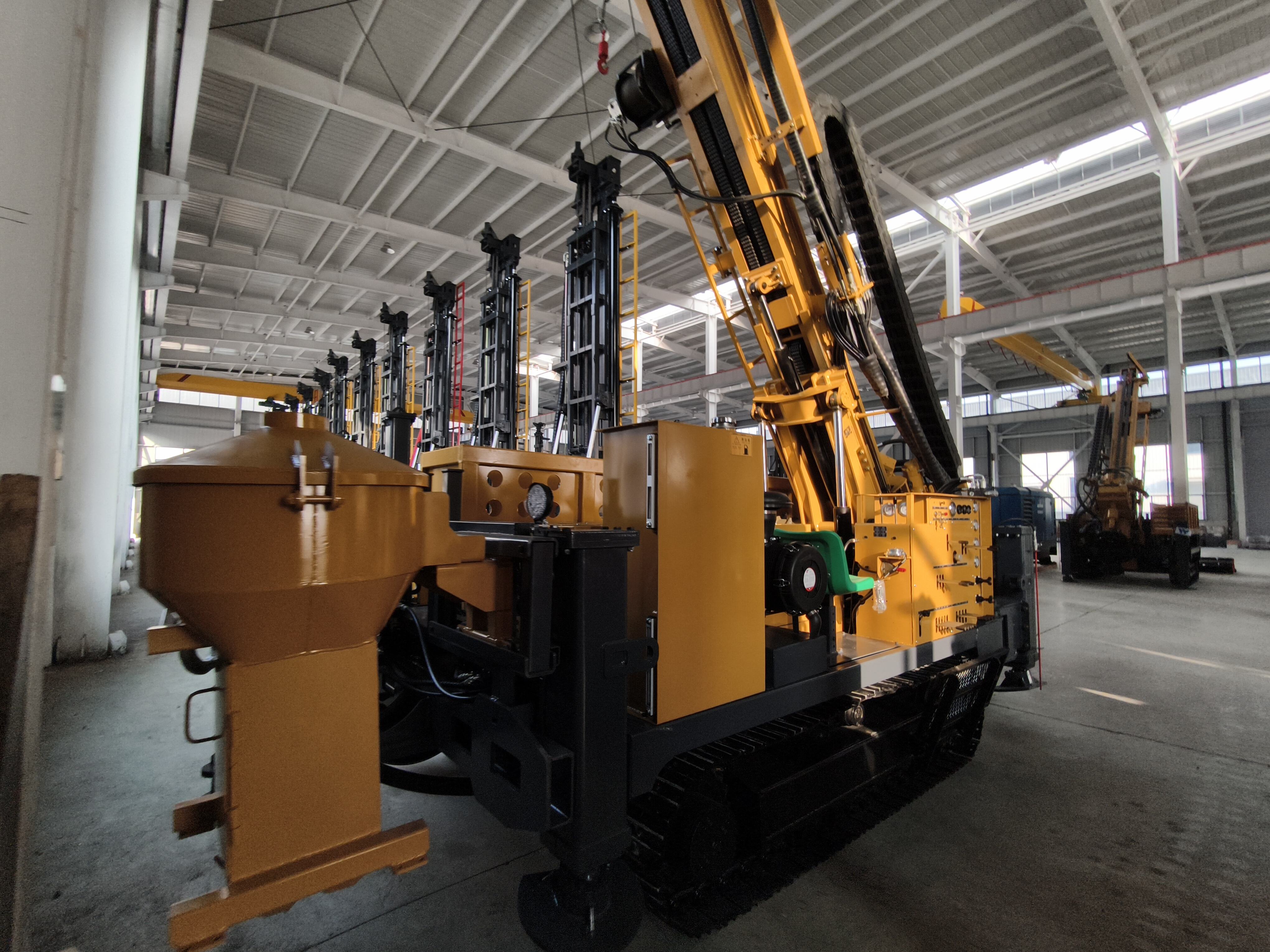
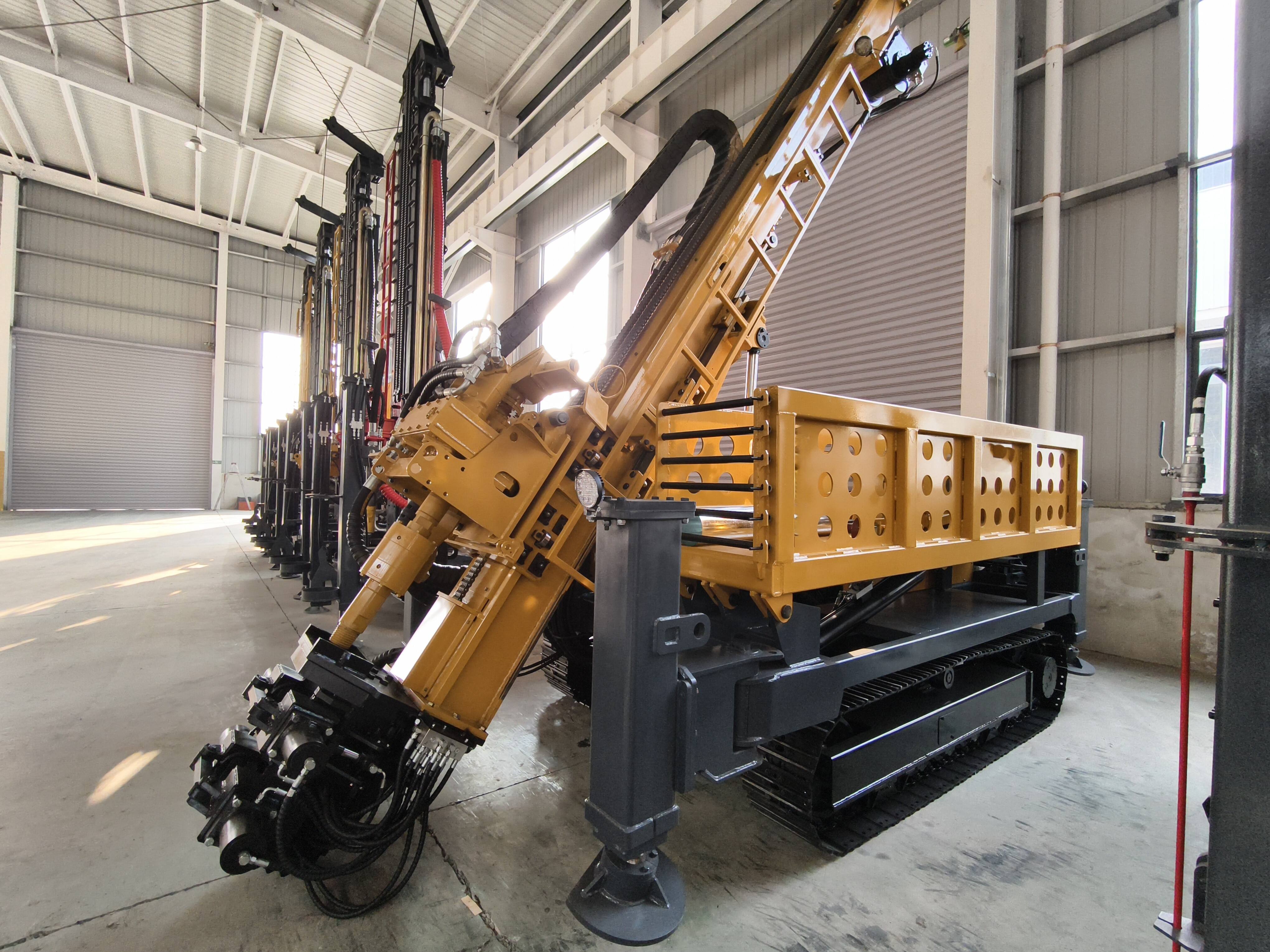
Reverse Rotary Rig Machine: Advanced Drilling Solutions for Foundation and Construction Projects

All Categories

reverse rotary rig machine

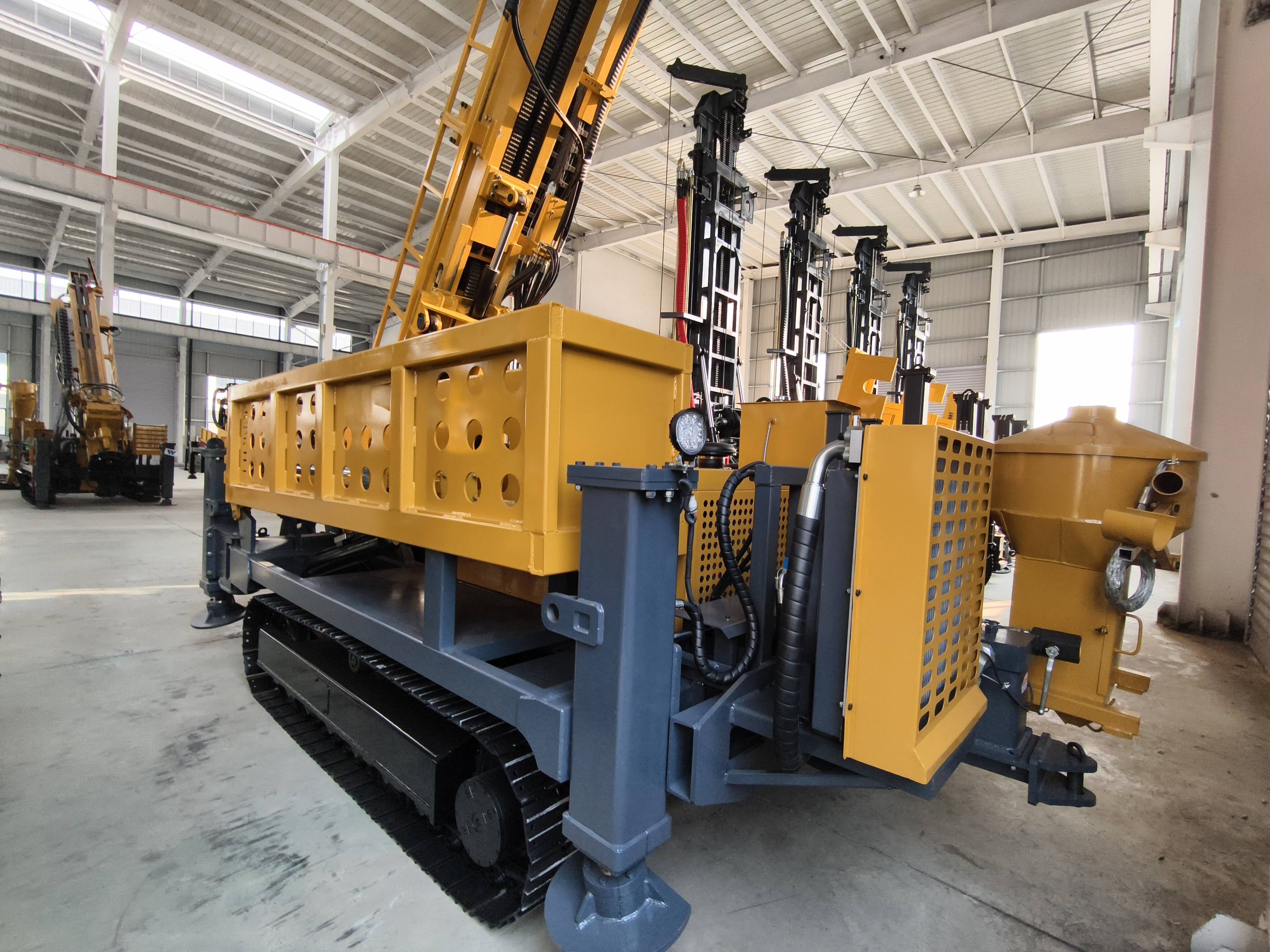
The reverse rotary rig machine represents a sophisticated drilling solution designed to handle challenging ground conditions with remarkable efficiency. This specialized equipment operates using a unique drilling methodology where the drill string rotates in the opposite direction to conventional systems, enabling superior performance in diverse geological formations. The reverse rotary rig machine functions by circulating drilling fluid through the drill pipe and back up through the annular space between the drill string and borehole walls, carrying cuttings to the surface for removal. This innovative approach makes it particularly effective for large diameter drilling operations, foundation construction, and water well development projects. The technological architecture of the reverse rotary rig machine incorporates powerful hydraulic systems, advanced rotary heads, and precise control mechanisms that deliver consistent torque and rotation speed throughout the drilling process. Engineers and contractors rely on this equipment for its capability to maintain borehole stability in unconsolidated formations where traditional drilling methods often struggle. The machine's design accommodates various drilling tools and accessories, allowing operators to customize configurations based on specific project requirements and geological conditions. Modern reverse rotary rig machines feature computerized monitoring systems that track critical parameters such as drilling depth, penetration rate, fluid circulation pressure, and torque output, providing real-time data that helps optimize drilling performance. These machines excel in applications ranging from bridge pier foundations and building basements to environmental drilling and mineral exploration. The equipment's robust construction ensures durability even in demanding work environments, while its efficient power transmission systems minimize energy consumption during operation. For projects requiring deep boreholes with large diameters, the reverse rotary rig machine offers unmatched capabilities that streamline construction timelines and reduce overall project costs.

New Products

Investing in a reverse rotary rig machine brings substantial benefits that directly impact your project outcomes and bottom line. First and foremost, this equipment delivers exceptional drilling speed in soft to medium formations, allowing you to complete projects faster than conventional methods would permit. The machine's reverse circulation system continuously removes cuttings from the borehole, preventing debris accumulation that could slow progress or cause equipment jamming. This continuous cleaning action means your crew spends less time on maintenance interruptions and more time making productive progress. The reverse rotary rig machine handles unstable ground conditions with confidence, maintaining borehole integrity even in loose sands, gravels, and fractured rock where other drilling systems might fail. This reliability translates to fewer project delays and reduced risk of costly borehole collapses that require remedial work. Operators appreciate the straightforward controls that make the machine accessible to technicians with varying experience levels, reducing training time and improving workplace safety. The equipment's fluid circulation system operates at lower pressures compared to alternative drilling technologies, resulting in reduced wear on components and extended service life for your investment. You will notice significant savings on consumables because the reverse rotary rig machine uses drilling fluid efficiently, and the fluid can often be reconditioned and reused multiple times throughout a project. The machine's ability to drill large diameter holes in a single pass eliminates the need for sequential reaming operations, cutting labor hours and equipment costs substantially. Environmental considerations also favor this technology, as the contained fluid circulation system minimizes ground disturbance and reduces the risk of contamination from drilling operations. The reverse rotary rig machine adapts easily to various site conditions, with mobile configurations that allow repositioning between drilling locations without extensive setup procedures. This flexibility proves invaluable on projects with multiple drilling points spread across a construction site. Maintenance requirements remain manageable because the machine's design provides easy access to critical components, and standardized parts are readily available from suppliers. The equipment's stable platform and smooth operation reduce operator fatigue during long shifts, contributing to better workplace morale and sustained productivity. When you calculate total ownership costs including acquisition, operation, and maintenance expenses, the reverse rotary rig machine consistently demonstrates superior value compared to alternatives, making it a smart choice for contractors focused on profitability and performance.

Practical Tips

Why Are LHD Loaders Preferred for Material Handling in Confined Spaces?

11

Dec

Why Are LHD Loaders Preferred for Material Handling in Confined Spaces?

Underground mining operations and construction projects in confined spaces present unique challenges that require specialized equipment capable of navigating narrow tunnels and restricted work areas. LHD loaders have emerged as the preferred solution...
View More
How Does an Underground Loader Affect Operating Costs?

07

Jan

How Does an Underground Loader Affect Operating Costs?

The impact of equipment selection on mining operations extends far beyond initial purchase price, with underground loader choices significantly influencing long-term operational expenses. Underground mining operations face unique challenges that requ...
View More
Why Some Mines Still Choose Diesel Over Electric Underground Trucks

18

Mar

Why Some Mines Still Choose Diesel Over Electric Underground Trucks

The underground mining industry stands at a technological crossroads where electric vehicle adoption accelerates across surface operations, yet many mine operators continue selecting diesel-powered underground mining trucks for their critical hauling...
View More
Mining’s Next Frontier: How 5G and Remote-Controlled Underground LHDs Are Revolutionizing Underground Operations

18

Mar

Mining’s Next Frontier: How 5G and Remote-Controlled Underground LHDs Are Revolutionizing Underground Operations

The mining industry stands at a transformative crossroads where cutting-edge telecommunications technology meets advanced underground equipment automation. This revolution centers on the deployment of 5G networks paired with remote-controlled undergr...
View More

Get a Free Quote

Our representative will contact you soon.
Email
Name
Company Name
Message
0/1000

reverse rotary rig machine

Superior Performance in Challenging Geological Conditions

Superior Performance in Challenging Geological Conditions

The reverse rotary rig machine stands out for its exceptional ability to maintain drilling efficiency across a wide spectrum of geological formations that pose significant challenges to conventional drilling equipment. This capability stems from the fundamental design principle where drilling fluid flows down through the drill string and returns up the annular space, creating a powerful hydraulic action that stabilizes borehole walls while simultaneously transporting cuttings to the surface. In unconsolidated formations such as loose sands and gravels, this upward fluid movement exerts gentle pressure against the borehole walls, creating a supportive filter cake that prevents collapse without requiring casing installation during the drilling process. The system proves equally effective in mixed formations where drilling transitions between soft soils and harder layers, as the reverse circulation maintains consistent cuttings removal regardless of material density or composition. Contractors working on coastal projects or in alluvial deposits particularly value how the reverse rotary rig machine handles water-bearing zones, where the continuous fluid circulation controls groundwater inflow and maintains drilling progress without the complications that plague other drilling methods in similar conditions. The equipment's torque delivery system provides smooth, controllable power to the drill bit, allowing operators to adjust rotation speed and downward pressure to match formation characteristics precisely. This fine control prevents bit damage in harder materials while maintaining rapid penetration rates in softer zones, optimizing drilling efficiency throughout the entire borehole depth. The reverse rotary rig machine also excels in weathered rock environments where fractures and voids create unpredictable drilling conditions; the fluid circulation fills voids and stabilizes fractured zones, enabling continuous drilling where other systems would encounter frequent blockages or losses. Project managers appreciate how this reliable performance translates to predictable scheduling and budgeting, eliminating the uncertainty that often accompanies drilling in complex geological settings. The technology's proven track record across thousands of projects worldwide demonstrates its versatility and dependability, giving customers confidence that their investment will deliver results regardless of site-specific challenges they encounter.
Cost-Effective Operation with Reduced Project Timelines

Cost-Effective Operation with Reduced Project Timelines

Financial considerations drive equipment selection decisions, and the reverse rotary rig machine delivers compelling economic advantages that directly improve project profitability. The machine's rapid drilling capability in appropriate formations means boreholes reach target depths significantly faster than alternative methods would achieve, compressing project schedules and reducing labor costs proportionally. This speed advantage becomes particularly valuable on large-scale projects involving numerous drilling locations, where even modest per-hole time savings accumulate into substantial overall schedule reductions. The reverse rotary rig machine accomplishes large diameter drilling in a single operation, eliminating the multi-stage processes required by other drilling technologies that must first create a pilot hole and then progressively ream to final diameter. This single-pass capability cuts equipment mobilization needs, reduces fuel consumption, and minimizes the crew hours required to complete each borehole. The fluid circulation system operates with remarkable efficiency, requiring smaller volumes of drilling fluid compared to conventional rotary systems, and the fluid remains usable for extended periods with simple maintenance such as removing cuttings through settling tanks or screening equipment. These reduced fluid costs represent meaningful savings, especially on projects requiring dozens or hundreds of boreholes. The reverse rotary rig machine's mechanical simplicity compared to more complex drilling systems translates to lower maintenance requirements and reduced spare parts inventory needs, freeing capital that would otherwise be tied up in backup components. Downtime for routine service remains minimal because technicians can access key components quickly, and the robust construction means major overhauls occur less frequently than with more delicate equipment designs. Operators require less specialized training to run the reverse rotary rig machine effectively, allowing contractors to utilize their existing workforce without investing heavily in advanced certification programs. The equipment's versatility across different drilling applications means a single machine can serve multiple project types, improving asset utilization rates and generating better return on investment compared to specialized equipment that sits idle between suitable projects. Insurance and operational risk costs also favor the reverse rotary rig machine, as its straightforward operation and proven safety record result in lower premiums and fewer workplace incidents that disrupt productivity and create liability exposure.
Advanced Technology Integration for Enhanced Productivity

Advanced Technology Integration for Enhanced Productivity

Modern reverse rotary rig machines incorporate sophisticated technological features that transform drilling operations from manual processes into data-driven, optimized activities. Contemporary models feature comprehensive monitoring systems that track drilling parameters in real-time, displaying critical information such as penetration rate, torque output, fluid pressure, rotation speed, and bit depth on intuitive digital interfaces accessible to operators. This constant data stream enables immediate adjustments to drilling parameters, ensuring optimal performance throughout every phase of borehole advancement. The reverse rotary rig machine's computerized controls provide precise regulation of hydraulic functions, delivering smooth starts and stops that protect equipment components from shock loads while maintaining steady operation during drilling. Automated safety systems monitor equipment status continuously, alerting operators to conditions that could lead to component failure or unsafe situations, allowing proactive intervention before problems escalate into costly breakdowns or accidents. Many advanced reverse rotary rig machines now incorporate GPS positioning and electronic depth measurement systems that provide accurate location and depth data, which proves invaluable for quality documentation and regulatory compliance reporting. These digital records eliminate manual data collection errors and create comprehensive project archives that support future reference needs. The integration of remote monitoring capabilities allows project managers and technical specialists to observe drilling operations from off-site locations, providing expert guidance when challenging conditions arise without requiring physical presence at every drilling location. This remote support capability proves especially valuable on projects spanning large geographic areas or in locations where technical expertise may not be immediately available. The reverse rotary rig machine's technological sophistication extends to its diagnostic capabilities, with onboard systems that perform continuous health checks on critical components and predict maintenance needs before failures occur. This predictive maintenance approach maximizes equipment availability by scheduling service during planned downtime rather than responding to unexpected breakdowns that disrupt project schedules. Energy management systems optimize power distribution across the machine's various functions, reducing fuel consumption while maintaining performance standards, which lowers operating costs and reduces environmental impact. The technological features embedded in modern reverse rotary rig machines represent the evolution of drilling equipment from purely mechanical tools into intelligent systems that enhance operator capabilities, improve safety outcomes, and deliver consistently superior results that meet the demanding requirements of contemporary construction and drilling projects.


Get a Free Quote

Our representative will contact you soon.
Email
Name
Company Name
Message
0/1000