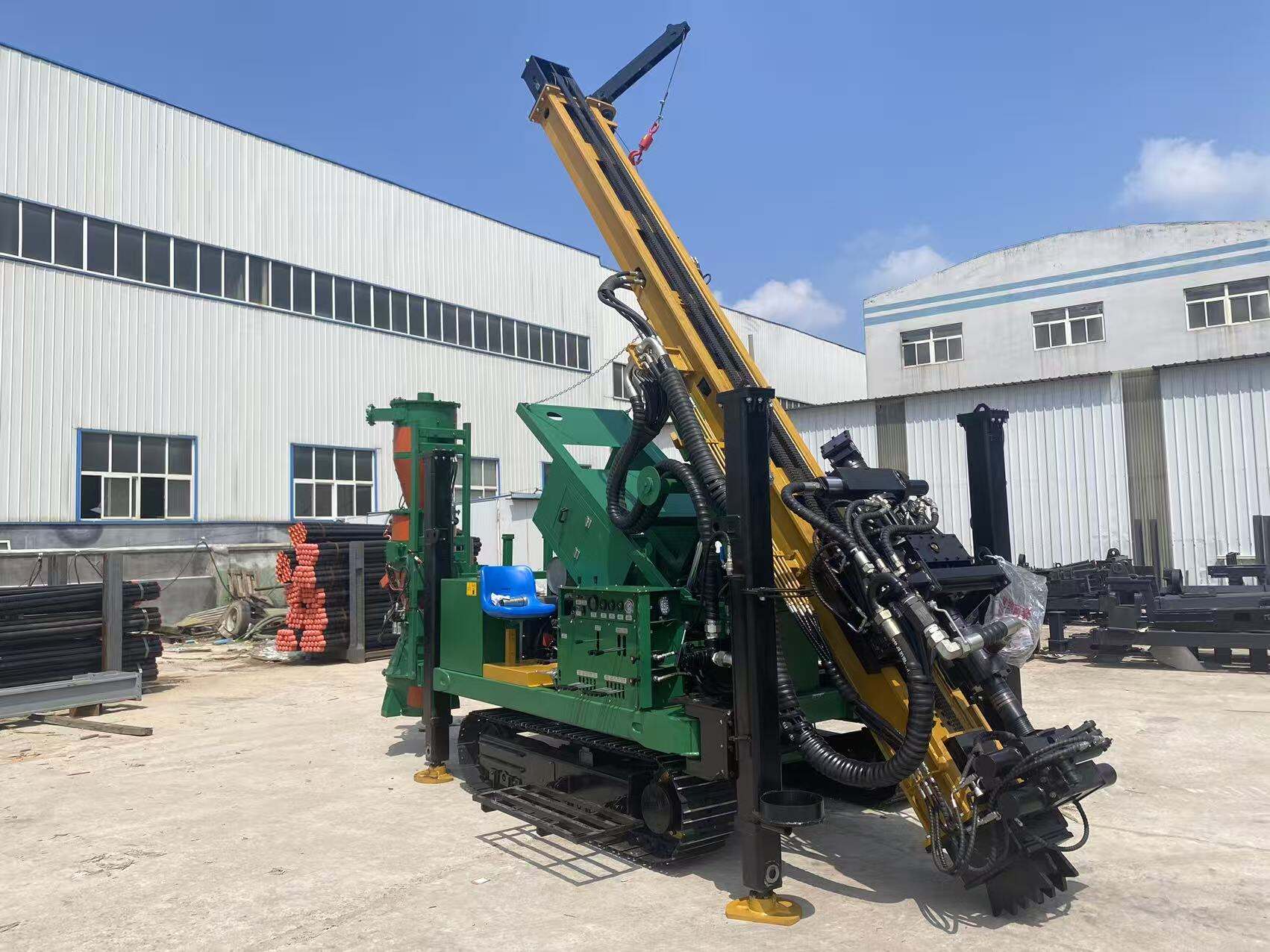
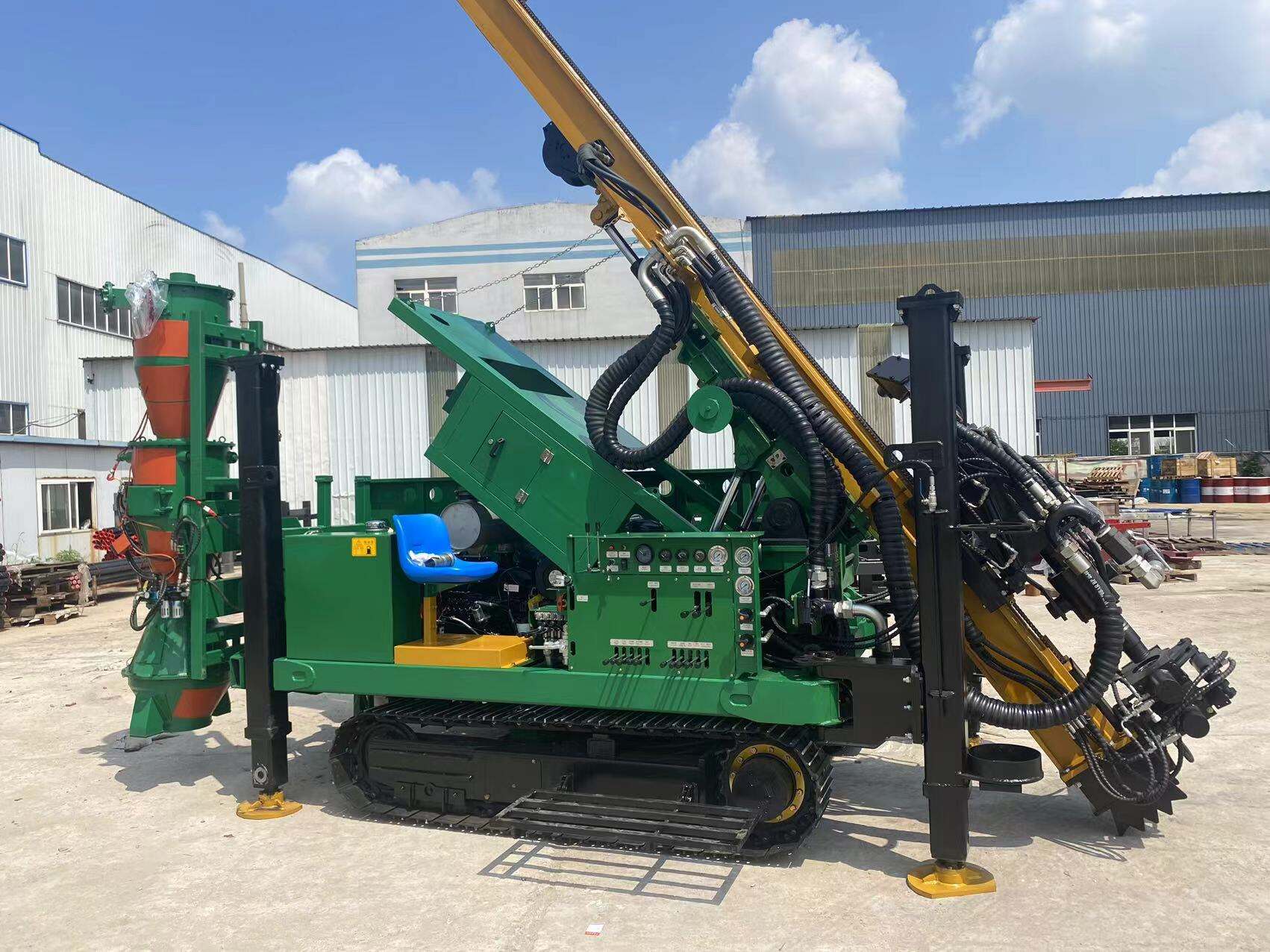
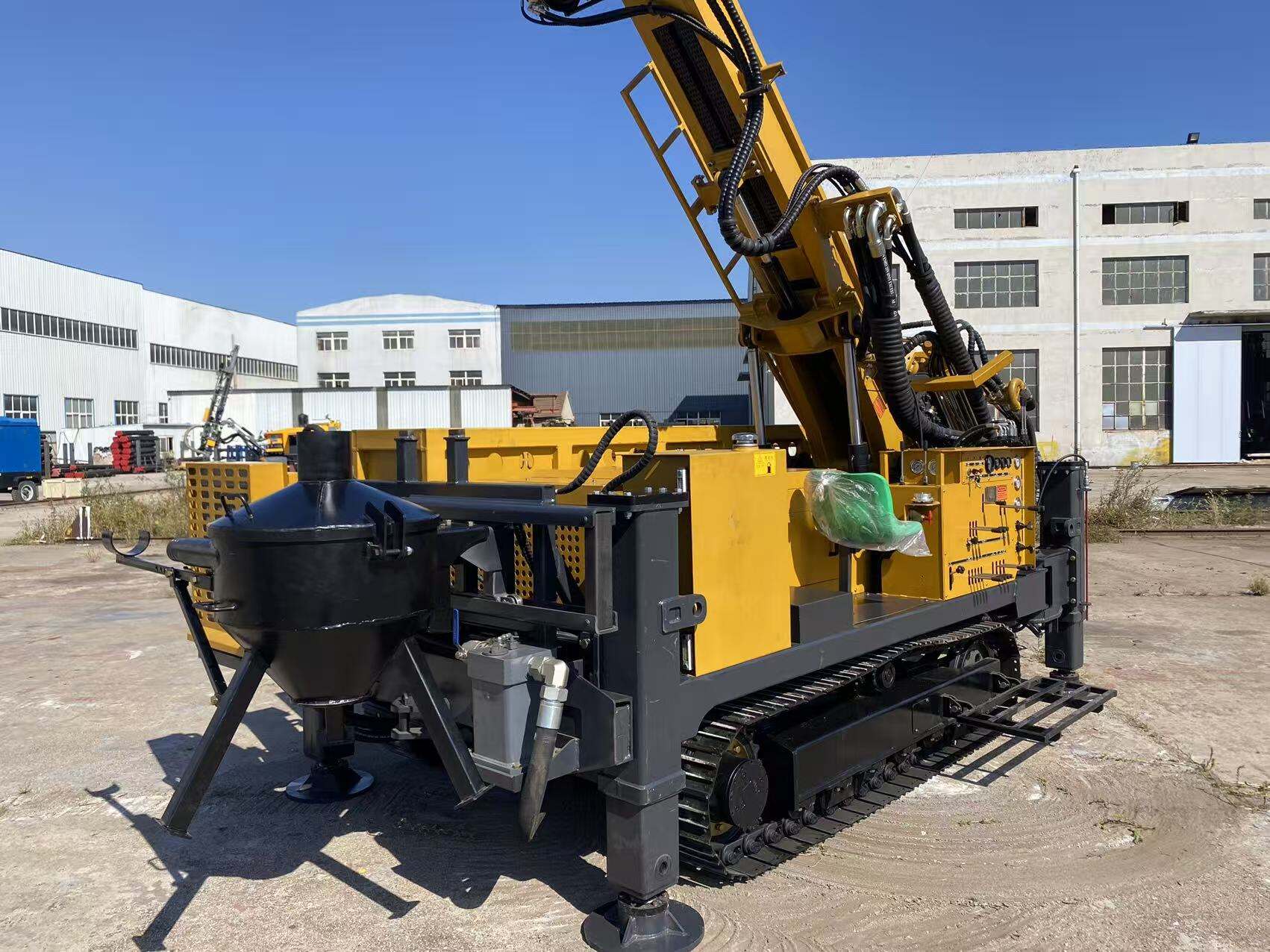
mineral exploration reverse circulation drilling rig
The mineral exploration reverse circulation drilling rig represents a sophisticated piece of equipment designed specifically for subsurface geological investigation and resource evaluation. This drilling technology operates on a unique principle where drilling fluids and rock cuttings travel upward through the inner tube of a dual-wall drill pipe, while air or other fluids flow downward through the outer annulus. This reverse flow mechanism ensures that rock samples remain uncontaminated and reach the surface quickly for immediate analysis. The mineral exploration reverse circulation drilling rig serves as an essential tool for mining companies, geological survey teams, and exploration firms seeking to assess mineral deposits, determine ore body characteristics, and plan extraction strategies. These rigs typically feature powerful air compressors that generate high-pressure airflow to drive the hammer bit and transport samples to the surface. The drilling depth capabilities vary significantly, with modern mineral exploration reverse circulation drilling rigs reaching depths between 100 and 500 meters depending on geological conditions and rig specifications. The equipment incorporates advanced rod handling systems, automated pipe changers, and sophisticated control panels that allow operators to monitor drilling parameters in real-time. Main functions include penetrating various rock formations, collecting representative geological samples, conducting geotechnical assessments, and providing data for resource estimation. Technological features encompass hydraulic feed systems for precise penetration control, dust suppression mechanisms to maintain environmental compliance, and robust chassis designs that enable operation in challenging terrains. Applications extend beyond mineral exploration to include water well drilling, geothermal investigations, environmental site assessments, and construction foundation studies. The mineral exploration reverse circulation drilling rig has become indispensable in modern exploration programs due to its ability to deliver accurate, continuous samples while maintaining operational efficiency across diverse geological settings and challenging field conditions.

 EN
EN