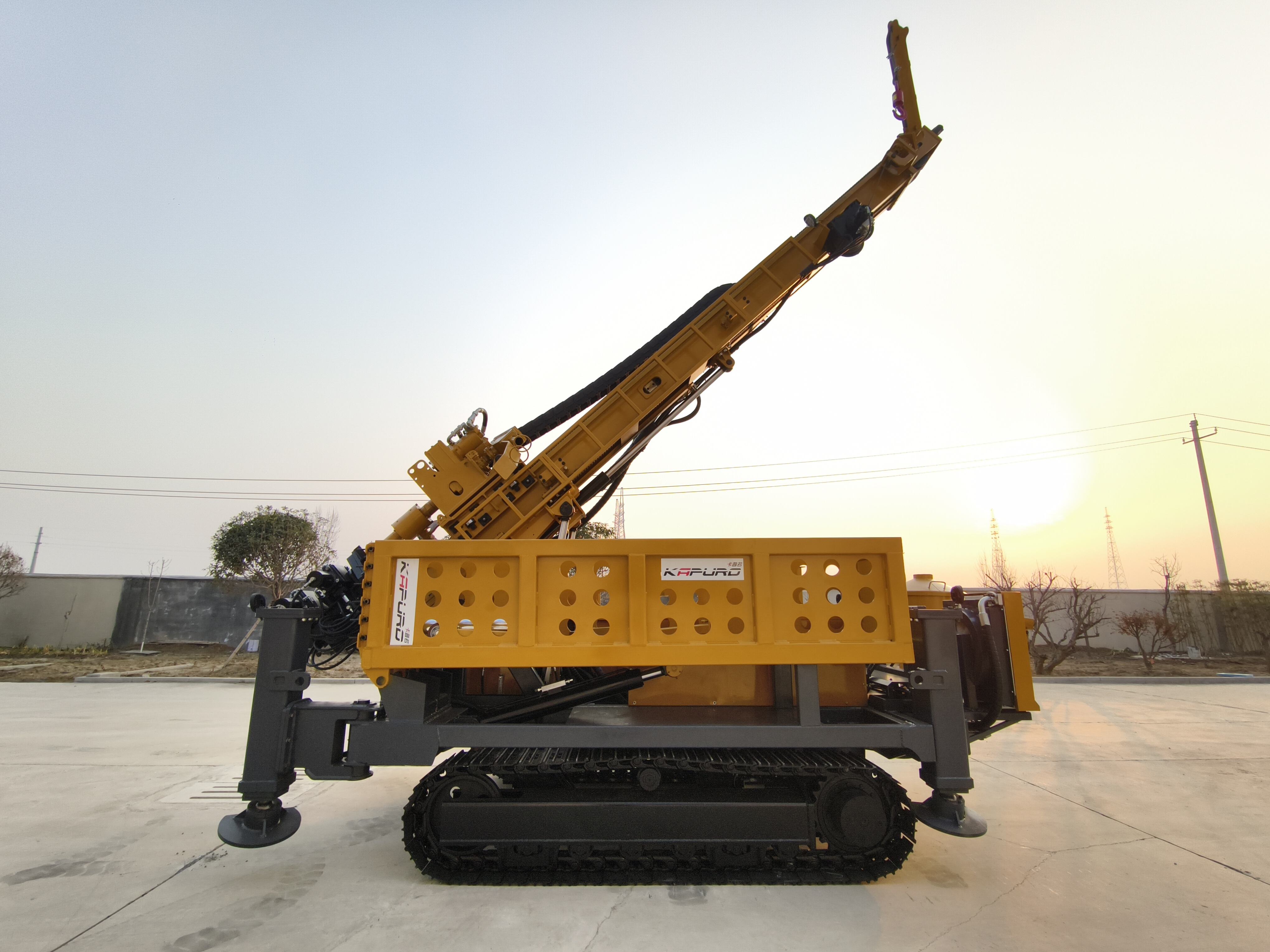
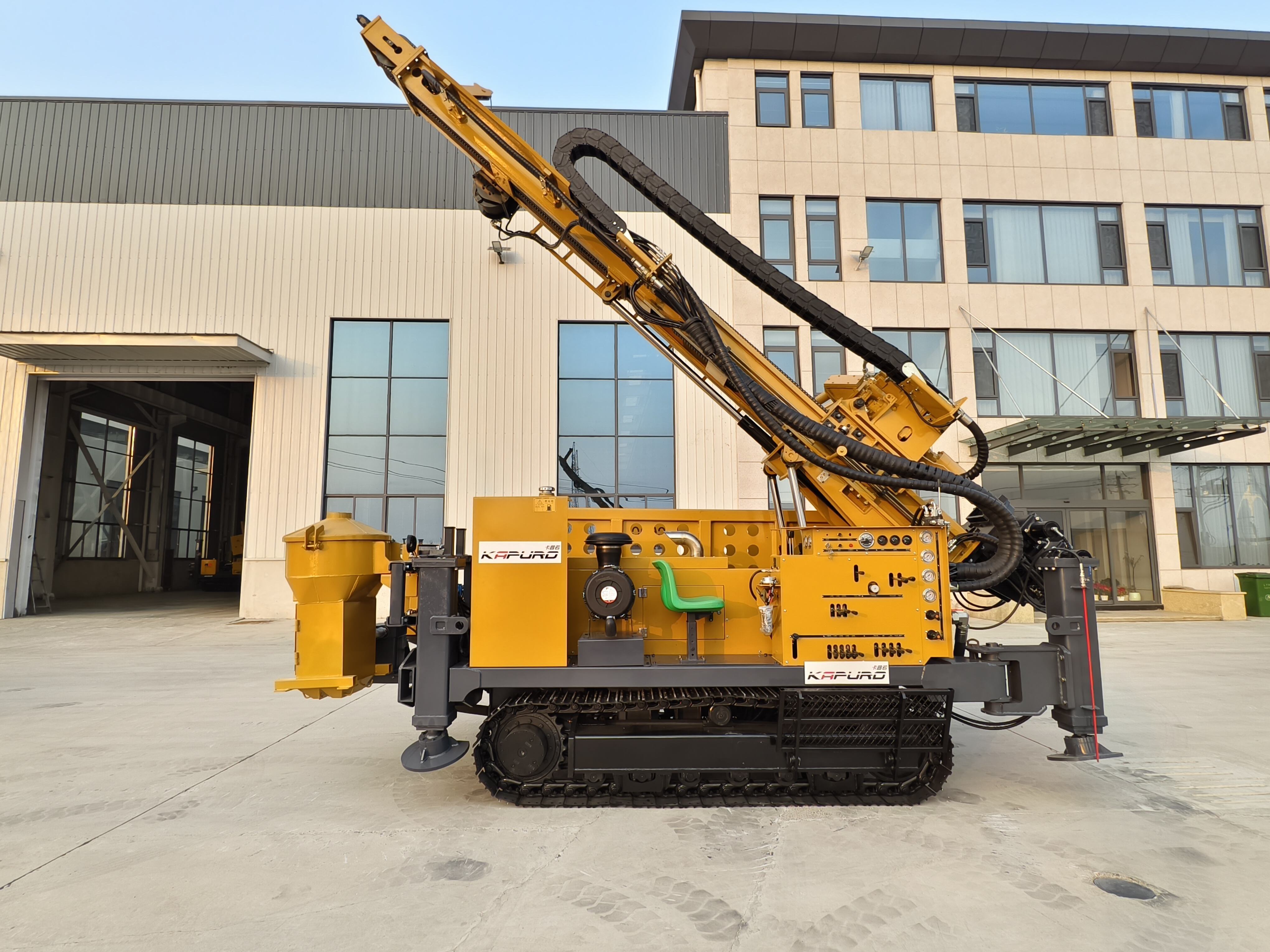
Reverse Rotary Drilling Machine: Advanced Foundation Drilling Solutions for Deep Borehole Construction

All Categories

reverse rotary drilling machine

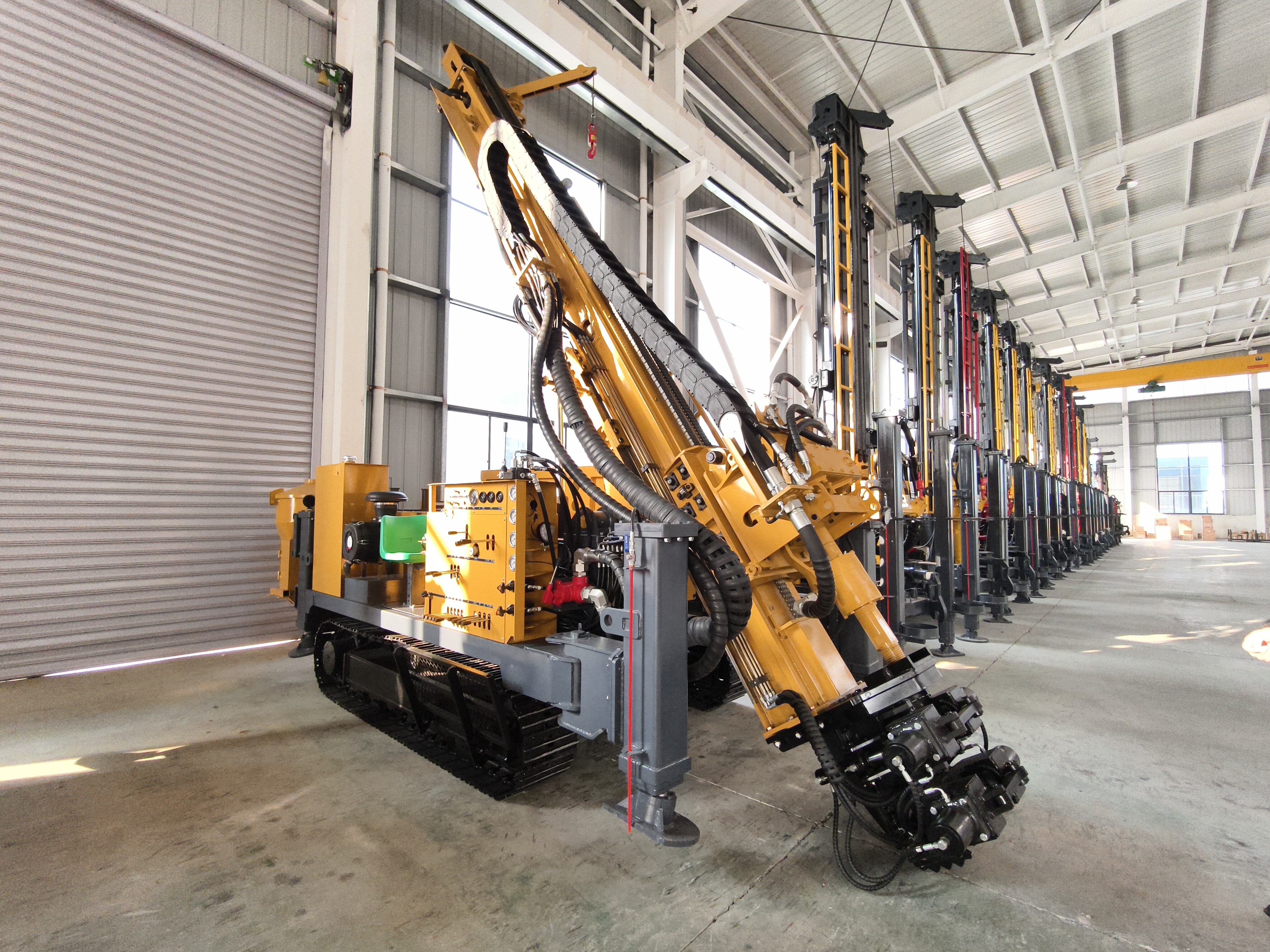
The reverse rotary drilling machine represents a specialized construction equipment designed for creating deep foundation holes in challenging ground conditions. This powerful drilling system operates by rotating the drill pipe and cutting tools in a reverse circulation method, where drilling fluid flows down through the annular space between the borehole wall and drill pipe, then returns upward through the interior of the drill pipe carrying excavated materials to the surface. This innovative approach makes the reverse rotary drilling machine particularly effective for large-diameter borehole construction, foundation pile installation, and underground engineering projects. The machine consists of several integrated components including a robust power unit, hydraulic system, rotary head mechanism, mud circulation system, and advanced control panel. The primary function involves penetrating various geological formations such as clay, sand, gravel, and even weathered rock layers to establish stable foundation structures. Modern reverse rotary drilling machines incorporate sophisticated technology that enables operators to maintain precise control over drilling parameters including rotation speed, penetration rate, and circulation pressure. These machines excel in handling unstable ground conditions where conventional drilling methods might struggle, making them indispensable for bridge construction, high-rise building foundations, port facilities, and infrastructure development projects. The equipment's ability to maintain borehole stability through continuous mud circulation prevents collapse in loose soil formations while simultaneously cooling the cutting tools and transporting cuttings efficiently to the surface. With operational capabilities reaching depths of 100 meters or more and diameters exceeding 3 meters, the reverse rotary drilling machine serves as a versatile solution for contractors facing demanding geotechnical challenges across diverse construction environments.

New Product Releases

The reverse rotary drilling machine delivers exceptional performance benefits that directly impact project timelines and budget management. First and foremost, this equipment dramatically increases drilling efficiency by maintaining continuous operation without frequent interruptions for cuttings removal. The automatic circulation system handles material extraction while drilling proceeds, reducing overall project duration by up to 40 percent compared to traditional methods. Cost savings materialize through reduced labor requirements, as the machine typically needs only two to three operators instead of larger crews necessary for conventional drilling operations. The equipment's fuel efficiency stems from optimized hydraulic systems that deliver maximum power output while minimizing energy consumption, translating to lower operational expenses throughout extended projects. Safety improvements represent another significant advantage, with operators working from protected cabins equipped with clear visibility and ergonomic controls, minimizing exposure to hazardous conditions at ground level. The machine handles unstable soil conditions with remarkable effectiveness, maintaining borehole integrity through constant mud pressure that prevents wall collapse and groundwater intrusion. This stability eliminates costly delays caused by borehole failure and reduces material waste from repeated drilling attempts. Versatility across diverse geological conditions means contractors can deploy a single reverse rotary drilling machine across multiple project sites without specialized equipment changes. The system adapts seamlessly to varying soil types, from soft clay to dense gravel beds, providing consistent results regardless of ground composition. Maintenance requirements remain minimal due to robust construction using high-grade materials and components designed for extended service intervals. Modern machines feature accessible service points and diagnostic systems that identify potential issues before they cause breakdowns, maximizing uptime and productivity. Environmental benefits include reduced noise levels compared to percussion drilling methods, making the equipment suitable for urban construction sites with strict noise regulations. The closed-loop mud circulation system minimizes environmental impact by containing drilling fluids and preventing soil contamination. Quality assurance improves significantly as operators monitor real-time drilling parameters through digital displays, enabling immediate adjustments to maintain optimal performance. The precise control capabilities ensure consistent hole diameter and verticality, meeting stringent engineering specifications without costly corrections. Investment returns accelerate through increased project capacity, allowing contractors to complete more jobs annually while maintaining superior quality standards that build reputation and secure future contracts.

Practical Tips

How Can Maintenance Reduce Downtime for Underground Mining Dump Trucks?

17

Nov

How Can Maintenance Reduce Downtime for Underground Mining Dump Trucks?

Underground mining operations depend heavily on reliable equipment to maintain productivity and meet extraction targets. When heavy machinery experiences unexpected failures, the resulting downtime can cost mining companies thousands of dollars per h...
View More
What Should Mining Companies Consider When Selecting an Underground LHD Loader?

11

Dec

What Should Mining Companies Consider When Selecting an Underground LHD Loader?

Underground mining operations require specialized equipment that can withstand harsh conditions while maintaining optimal performance and safety standards. The selection of an underground LHD loader represents one of the most critical decisions minin...
View More
How Do Load Capacity and Size Affect Underground LHD Loader Performance?

11

Dec

How Do Load Capacity and Size Affect Underground LHD Loader Performance?

Underground mining operations depend heavily on efficient material handling equipment, with the underground LHD loader serving as the backbone of productive ore extraction and transportation. These versatile machines must navigate confined spaces whi...
View More
Why Some Mines Still Choose Diesel Over Electric Underground Trucks

18

Mar

Why Some Mines Still Choose Diesel Over Electric Underground Trucks

The underground mining industry stands at a technological crossroads where electric vehicle adoption accelerates across surface operations, yet many mine operators continue selecting diesel-powered underground mining trucks for their critical hauling...
View More

Get a Free Quote

Our representative will contact you soon.
Email
Name
Company Name
Message
0/1000

reverse rotary drilling machine

Superior Mud Circulation Technology

Superior Mud Circulation Technology

The reverse rotary drilling machine incorporates an advanced mud circulation system that fundamentally transforms drilling efficiency and borehole quality. Unlike conventional drilling where fluid flows downward through the drill pipe, this revolutionary technology reverses the flow direction, creating a continuous cleaning cycle that maintains optimal drilling conditions throughout the entire operation. The system pumps specially formulated bentonite mud downward through the annular space between the borehole wall and the outer drill pipe, creating hydrostatic pressure that stabilizes the excavation and prevents collapse in unconsolidated formations. As the drilling progresses deeper, the mud travels to the bottom of the hole where it entrains cuttings, gravel, and excavated materials before being drawn upward through the hollow center of the drill pipe by powerful suction pumps at the surface. This reverse circulation pattern generates significantly higher flow velocities within the pipe compared to the annular space, ensuring complete removal of even heavy rock fragments and coarse materials that might settle in traditional systems. The continuous mud flow provides multiple simultaneous benefits that compound project advantages. Constant cooling of the drill bit and cutting tools extends their operational life substantially, reducing replacement costs and minimizing downtime for tool changes. The pressurized mud creates a protective cake on the borehole walls, sealing permeable formations and preventing groundwater infiltration that could destabilize the excavation or contaminate the drilling fluid. This wall protection proves particularly valuable when drilling through alternating layers of sand and clay, where conventional methods often experience sudden collapses. The surface mud treatment system separates cuttings from the drilling fluid using vibrating screens and desanding cyclones, allowing continuous reuse of the cleaned mud and minimizing material costs while reducing environmental impact. Operators can adjust mud properties including density, viscosity, and chemical composition to match specific geological conditions encountered at different depths, optimizing performance for each formation type. Modern reverse rotary drilling machines feature automated mud monitoring systems that continuously measure parameters such as flow rate, pressure, and density, alerting operators to any deviations that might indicate downhole problems. This real-time feedback enables immediate corrective action before minor issues escalate into serious complications requiring expensive remediation. The closed-loop circulation system contains all drilling fluids within controlled pathways, preventing spillage and soil contamination that might trigger environmental penalties or cleanup costs.
Heavy-Duty Rotary Head Performance

Heavy-Duty Rotary Head Performance

The rotary head assembly of the reverse rotary drilling machine represents the engineering centerpiece that delivers unmatched torque and penetration force across challenging geological conditions. This critical component consists of precision-manufactured gear systems, high-capacity bearings, and hydraulic motors engineered to withstand extreme operational stresses while maintaining smooth, controlled rotation. The reverse rotary drilling machine generates torque outputs ranging from 150 to 400 kilonewton-meters, providing sufficient power to drive large-diameter cutting tools through dense gravel deposits, cemented soils, and moderately hard rock formations that would stall lesser equipment. The rotary drive system connects directly to the kelly bar or drill pipe, transmitting rotational force while simultaneously supporting the entire weight of the drilling assembly suspended below. Advanced hydraulic circuits distribute power efficiently, allowing operators to adjust rotation speeds from 6 to 30 revolutions per minute to match optimal cutting rates for different soil types and bit configurations. Slow rotation speeds prove ideal for soft clay formations where gentle cutting action prevents excessive mud contamination, while higher speeds effectively penetrate cohesive soils and weathered rock layers. The variable speed capability extends tool life by preventing overheating and excessive wear that occurs when equipment operates at fixed speeds regardless of conditions. Heavy-duty construction using alloy steels and specialized coatings ensures the rotary head withstands the abrasive action of sand-laden drilling fluids and the shock loads generated when encountering unexpected boulders or hard layers. Precision bearings support radial and axial loads while maintaining accurate alignment that prevents wobble and ensures vertical hole orientation. Sealed bearing assemblies protect internal components from mud infiltration, dramatically extending service intervals and reducing maintenance requirements. The rotary head incorporates an integrated crowd system that applies controlled downward pressure, optimizing penetration rates without overloading cutting tools or causing premature failure. Hydraulic cylinders generate pressures up to 200 tons, providing sufficient force to maintain continuous advancement even in dense formations, while pressure relief systems prevent damage if tools encounter immovable obstructions. Operators monitor crowd pressure through digital displays, learning to recognize the characteristic patterns that indicate different soil types and adjusting parameters accordingly to maximize efficiency. The reverse rotary drilling machine's rotary head includes quick-connection systems that facilitate rapid tool changes when switching between different bit types or extending drill pipe sections. These couplings ensure secure, leak-free joints that maintain circulation integrity while withstanding the intense vibration and rotational forces generated during operation. Safety interlocks prevent accidental disconnection under load, protecting workers from potential injury while maintaining equipment integrity.
Intelligent Control System Integration

Intelligent Control System Integration

Modern reverse rotary drilling machines feature sophisticated electronic control systems that transform operational precision and enable operators to achieve consistent results regardless of experience level. The integrated control platform combines programmable logic controllers, touch-screen interfaces, and sensor networks that monitor dozens of parameters simultaneously, providing comprehensive oversight of all drilling functions from a centralized operator station. Real-time data displays present critical information including rotation speed, crowd pressure, mud flow rate, pump pressure, winch load, mast angle, and drilling depth, allowing operators to assess performance at a glance and make informed adjustments instantly. The reverse rotary drilling machine's control system automates many functions that previously required constant manual attention, reducing operator fatigue and minimizing human error that could compromise hole quality or damage equipment. Automatic depth tracking uses precision encoders that record drill pipe advancement with millimeter accuracy, maintaining detailed logs that document exact depths where formation changes occur or drilling conditions vary. This geological record proves invaluable for quality control verification and provides engineers with data to refine foundation designs for future projects in similar conditions. Pre-programmed drilling profiles allow operators to establish optimal parameter combinations for specific soil types, storing these recipes in system memory for instant recall when encountering similar formations. The intelligent system recognizes when actual conditions deviate from expected parameters, automatically adjusting rotation speed, crowd pressure, or mud flow to maintain efficient penetration without operator intervention. Safety monitoring systems continuously evaluate operating conditions, triggering alarms and implementing protective shutdowns if sensors detect dangerous situations such as excessive mast tilt, hydraulic overheating, or abnormal vibration patterns that might indicate equipment malfunction. The reverse rotary drilling machine incorporates load-moment indicators that calculate the forces acting on the mast structure, preventing dangerous overload conditions that could cause tipping or structural failure. These systems account for drill pipe weight, crowd force, mast angle, and ground slope, providing operators with safe working envelopes that maintain stability throughout all phases of operation. Remote diagnostics capabilities enable service technicians to access machine data via wireless connections, analyzing performance trends and identifying potential maintenance needs before components fail. Predictive maintenance algorithms track operating hours, load cycles, and environmental conditions, scheduling service intervals based on actual wear rather than arbitrary time periods. The control system stores comprehensive operational histories, recording every drilling parameter throughout each project for quality documentation and troubleshooting if questions arise about construction methods. GPS integration provides precise location data, allowing fleet managers to track equipment utilization across multiple job sites and optimize deployment strategies. The user interface accommodates multiple languages and skill levels, presenting critical information prominently while allowing experienced operators to access advanced functions through secondary menus. Training modes simulate drilling operations without engaging actual machine functions, enabling new operators to develop proficiency safely before assuming responsibility for production work.


Get a Free Quote

Our representative will contact you soon.
Email
Name
Company Name
Message
0/1000