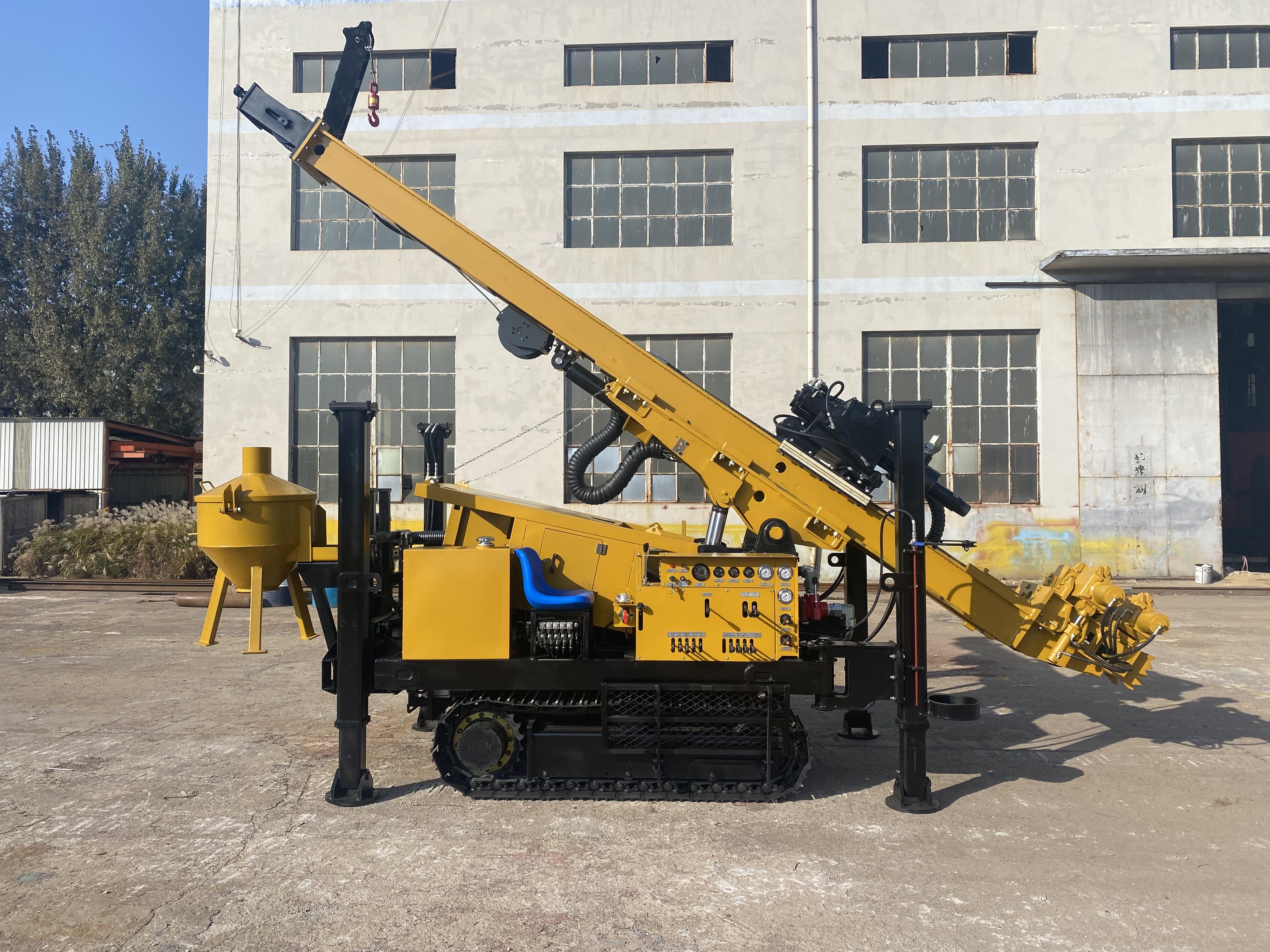
Superior Operational Efficiency and Economic Performance
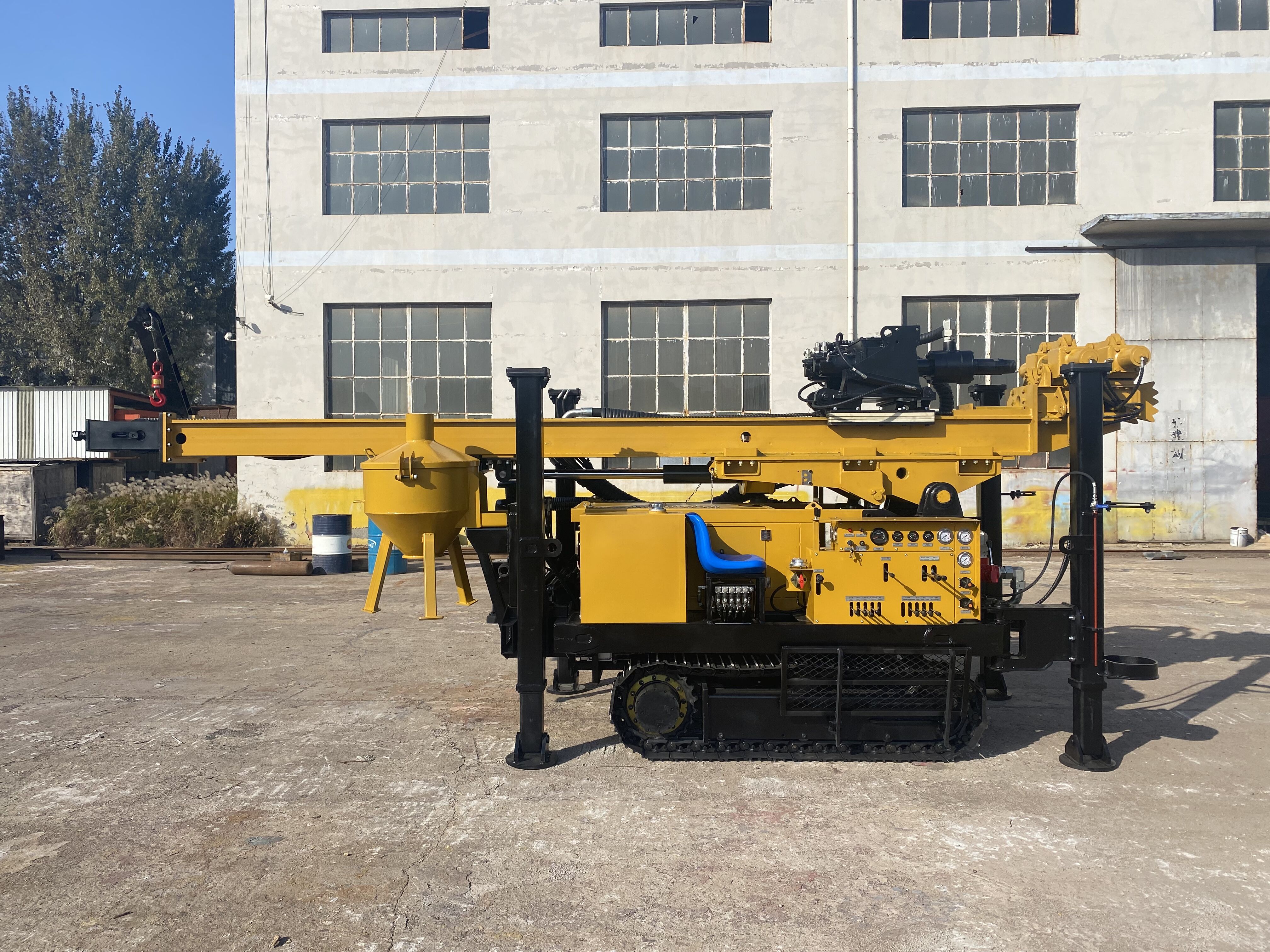
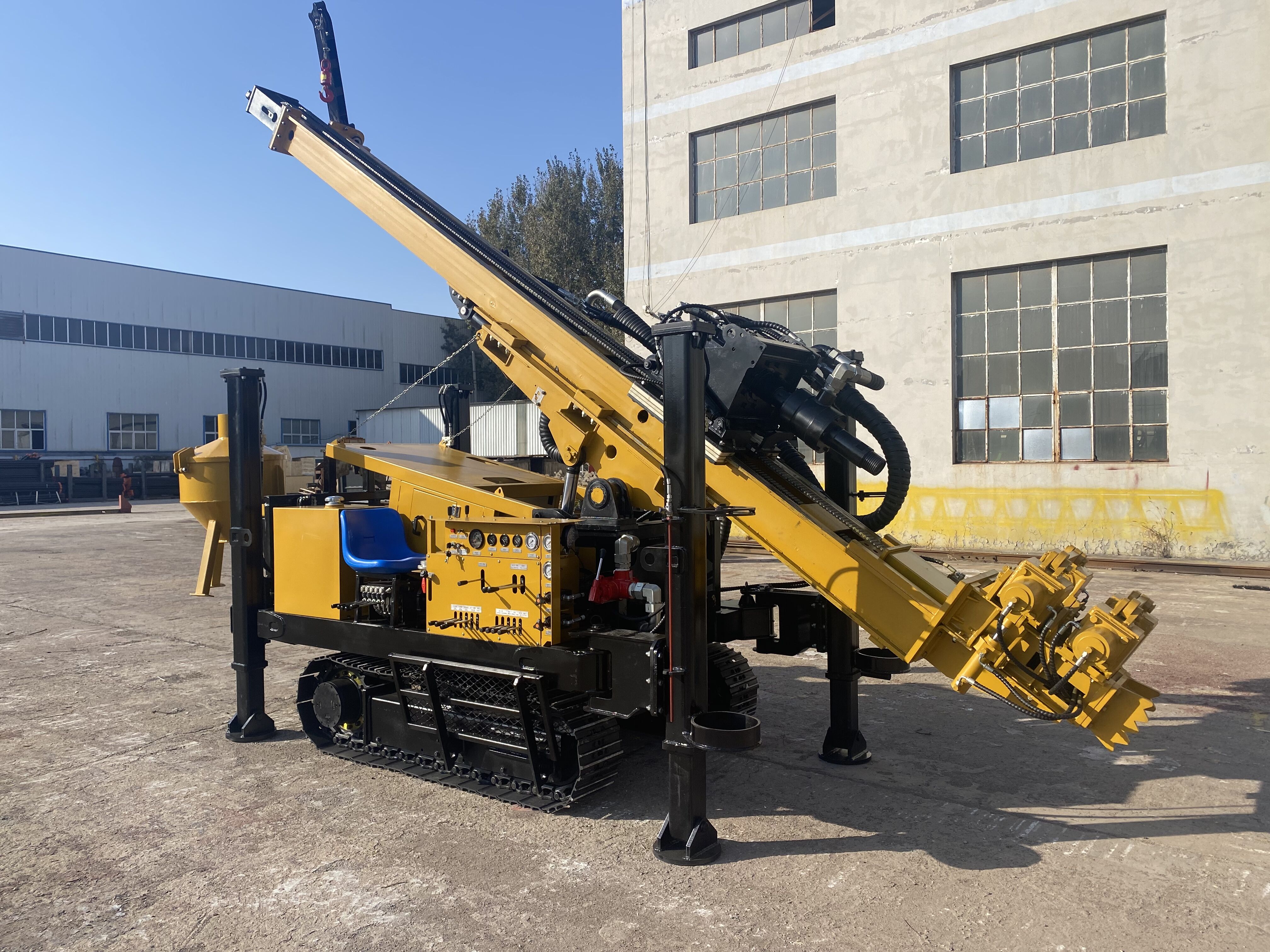
The reverse circulation drilling machine delivers outstanding operational efficiency that translates directly into economic advantages for drilling contractors and project owners seeking to maximize productivity while controlling costs in competitive market environments. Rapid penetration rates represent one of the most immediately apparent efficiency benefits, with the reverse circulation drilling machine consistently achieving drilling speeds that exceed those of cable tool, auger, and many rotary drilling methods, particularly in formations ranging from medium-hard to very hard rock. This speed advantage means completing boreholes in a fraction of the time required by alternative technologies, allowing your drilling crew to finish projects ahead of schedule, reduce site occupancy periods, and move equipment to subsequent projects more quickly, effectively increasing the annual productivity of your drilling assets. The operational efficiency extends beyond simple penetration rate to encompass the entire drilling workflow, as the reverse circulation drilling machine incorporates automated rod handling systems that minimize the time required for adding or removing drill rods during trip operations, reducing non-productive time that erodes project profitability. Modern control systems allow operators to optimize drilling parameters continuously, adjusting air pressure, percussion frequency, and rotation speed to match changing ground conditions, maintaining peak efficiency throughout the drilling process rather than operating at compromise settings that sacrifice performance. The reverse circulation drilling machine requires smaller crews than many alternative drilling methods, with typical operations managed effectively by two to three personnel compared to the larger teams needed for complex mud rotary systems or cable tool rigs, directly reducing labor costs while also simplifying crew logistics, accommodation requirements, and site management responsibilities. Consumable costs remain controlled because the reverse circulation drilling machine operates without expensive drilling fluids, eliminates costs associated with mud mixing and treatment, and reduces bit wear through efficient cutting removal that prevents regrinding of material at the drill face, extending bit life and reducing the frequency of costly bit trips. Energy efficiency represents another economic advantage, as the reverse circulation drilling machine converts input energy into productive drilling action more effectively than technologies involving heavy drill string rotation or circulation of large fluid volumes, resulting in lower fuel consumption per meter drilled and reducing your carbon footprint alongside operational costs. Equipment reliability built into robust reverse circulation drilling machines minimizes unplanned downtime that destroys project schedules and profitability, with straightforward maintenance requirements that your crew can perform using standard tools and readily available parts rather than specialized components requiring extended delivery times. The compact footprint of many reverse circulation drilling machines facilitates site access and reduces environmental disturbance, lowering site preparation costs, minimizing rehabilitation expenses, and improving your ability to secure drilling permits in environmentally sensitive areas where regulatory authorities scrutinize surface impacts closely, ultimately expanding your market opportunities and competitive positioning.

 EN
EN