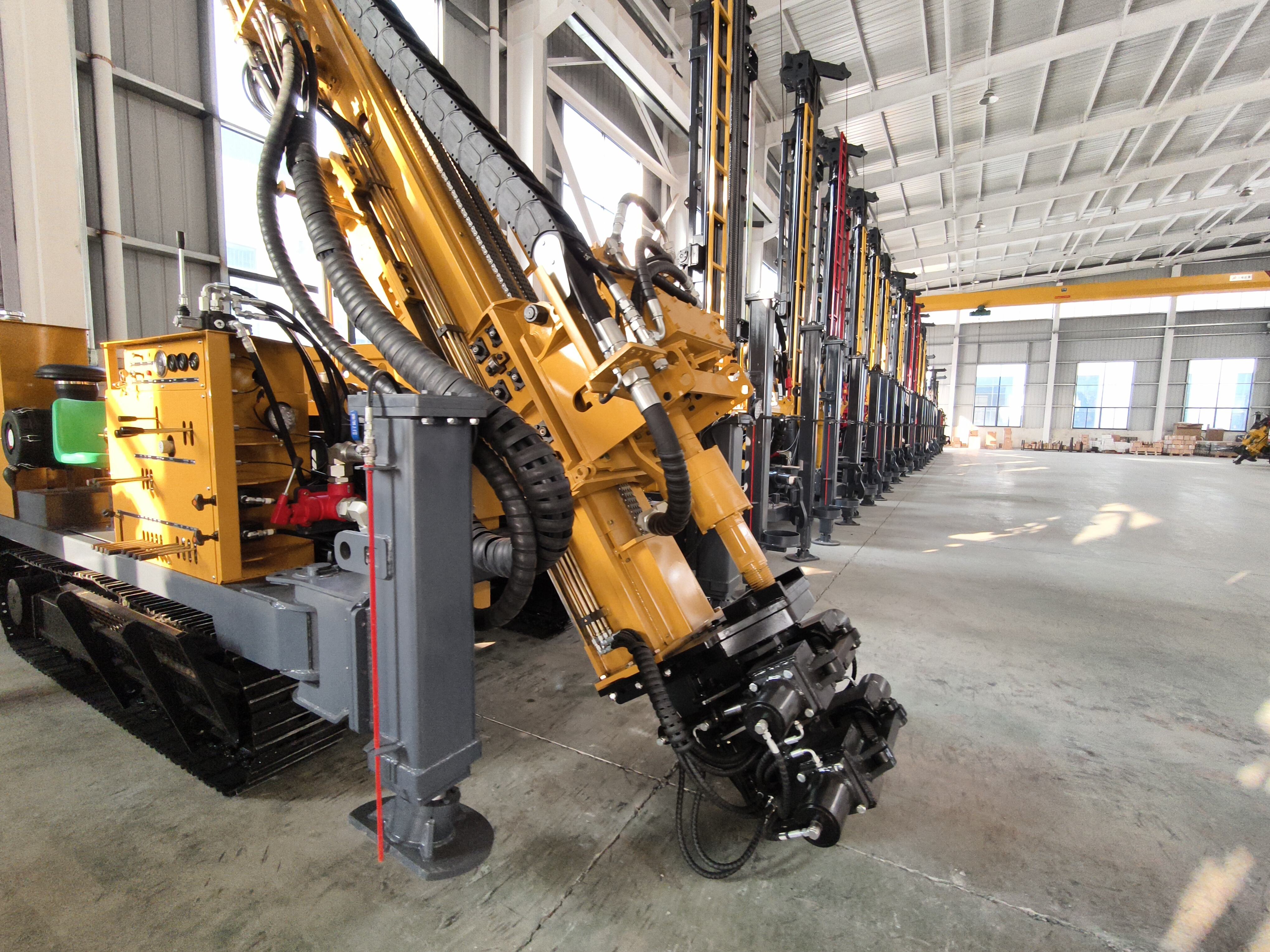
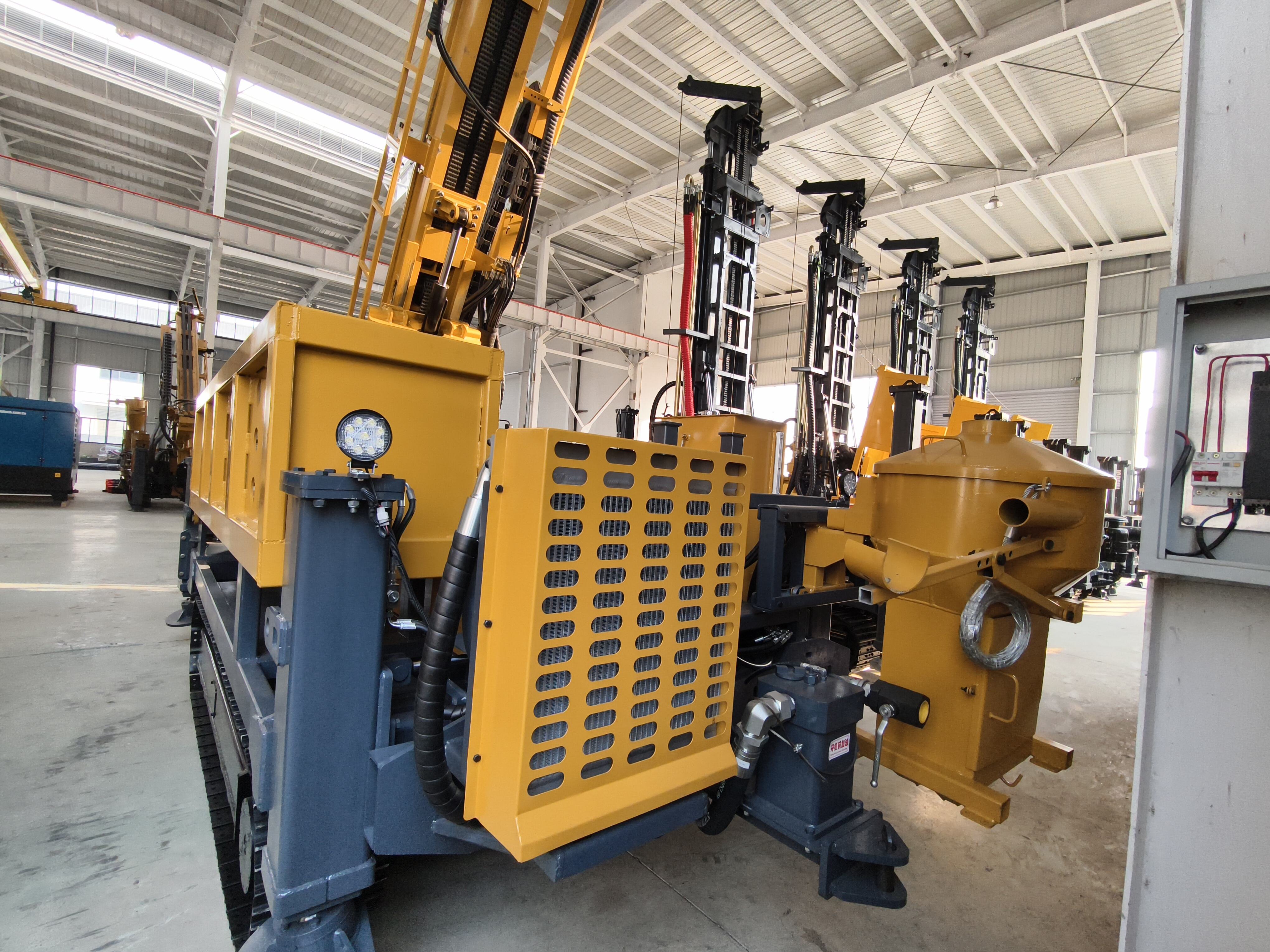
reverse circulation drilling rig fabrication
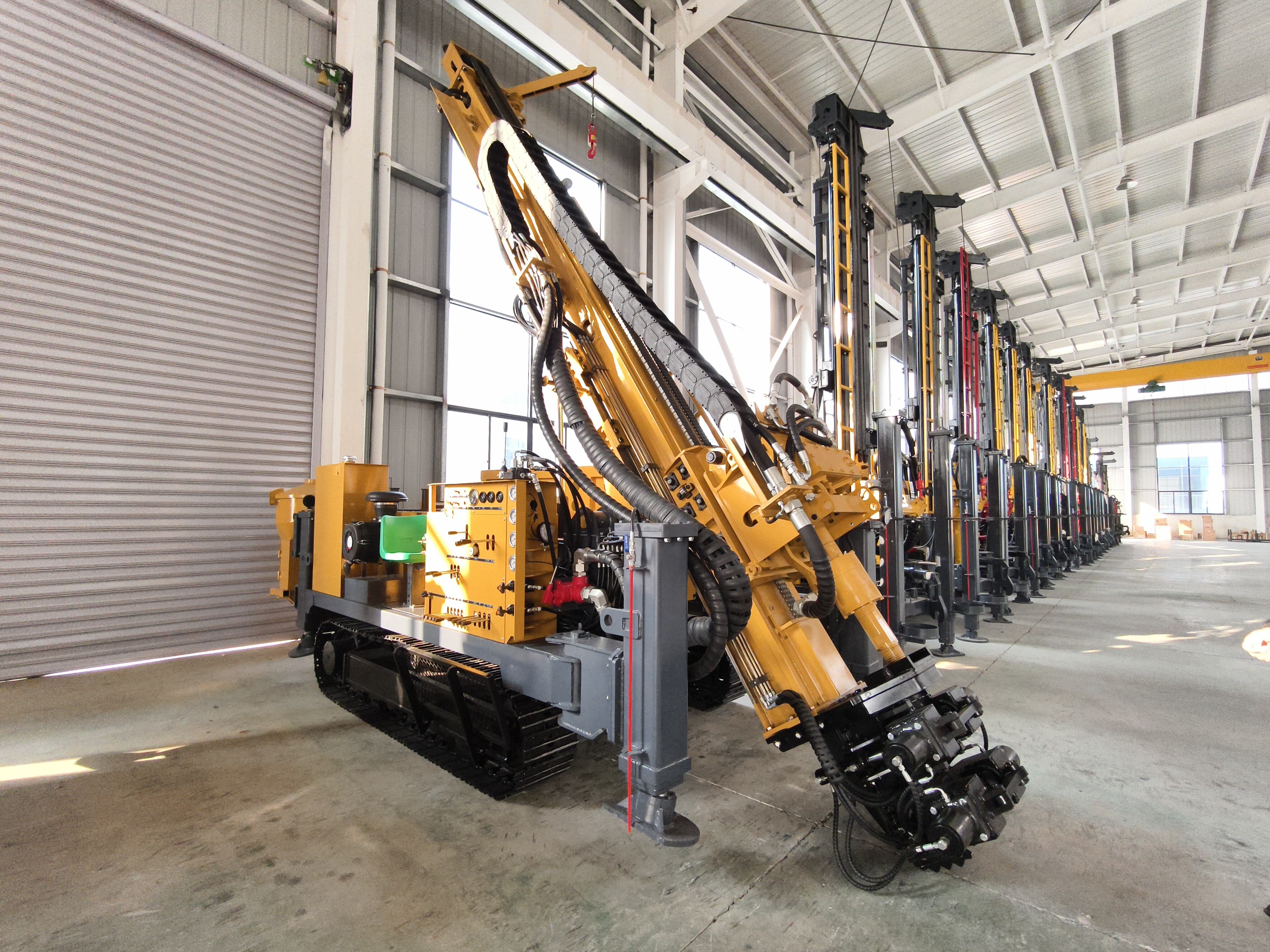
Reverse circulation drilling rig fabrication represents a sophisticated manufacturing process that produces specialized equipment designed for efficient ground penetration and sample collection. This fabrication method creates drilling machinery that utilizes a unique dual-wall drill pipe system, where drilling fluids and cuttings travel through separate pathways. The outer tube carries drilling fluid downward while the inner tube brings samples and cuttings back to the surface, ensuring minimal contamination and maximum sample integrity. The reverse circulation drilling rig fabrication process involves precision engineering, high-quality material selection, and advanced welding techniques to produce robust machines capable of withstanding extreme operational demands. These rigs serve multiple industries including mineral exploration, water well construction, geothermal energy development, and environmental site investigation. The fabrication encompasses various critical components such as the drill head assembly, hydraulic systems, rotary mechanisms, compressor units, and control panels. Manufacturers focus on creating equipment that delivers consistent performance across diverse geological conditions, from soft sedimentary formations to hard rock environments. The reverse circulation drilling rig fabrication industry has evolved significantly, incorporating automation features, digital monitoring systems, and enhanced safety mechanisms. Modern fabrication facilities employ computer-aided design software, CNC machining centers, and rigorous quality control protocols to ensure each rig meets international standards and customer specifications. The versatility of reverse circulation drilling rig fabrication allows for customization based on project requirements, including depth capacity, drilling diameter, mobility options, and power source configurations. This manufacturing approach prioritizes durability, operational efficiency, and user safety, resulting in equipment that can perform reliably in remote locations and challenging weather conditions. The comprehensive fabrication process includes structural framework construction, power system integration, fluid circulation pathway assembly, and extensive testing procedures before delivery to end users.

 EN
EN