Mine Trolley Systems - Heavy Duty Underground Mining Transport Solutions

All Categories

mine trolley

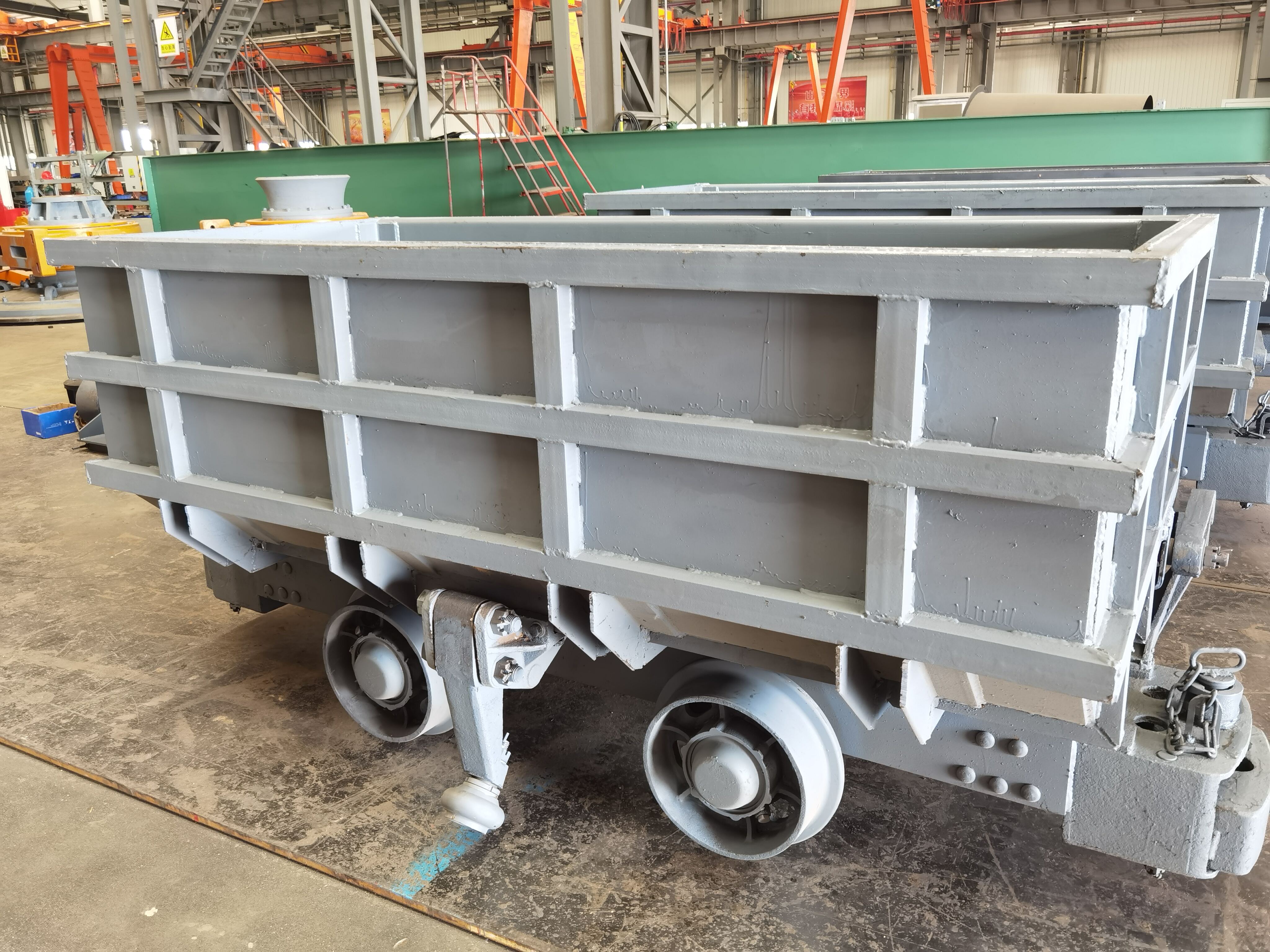
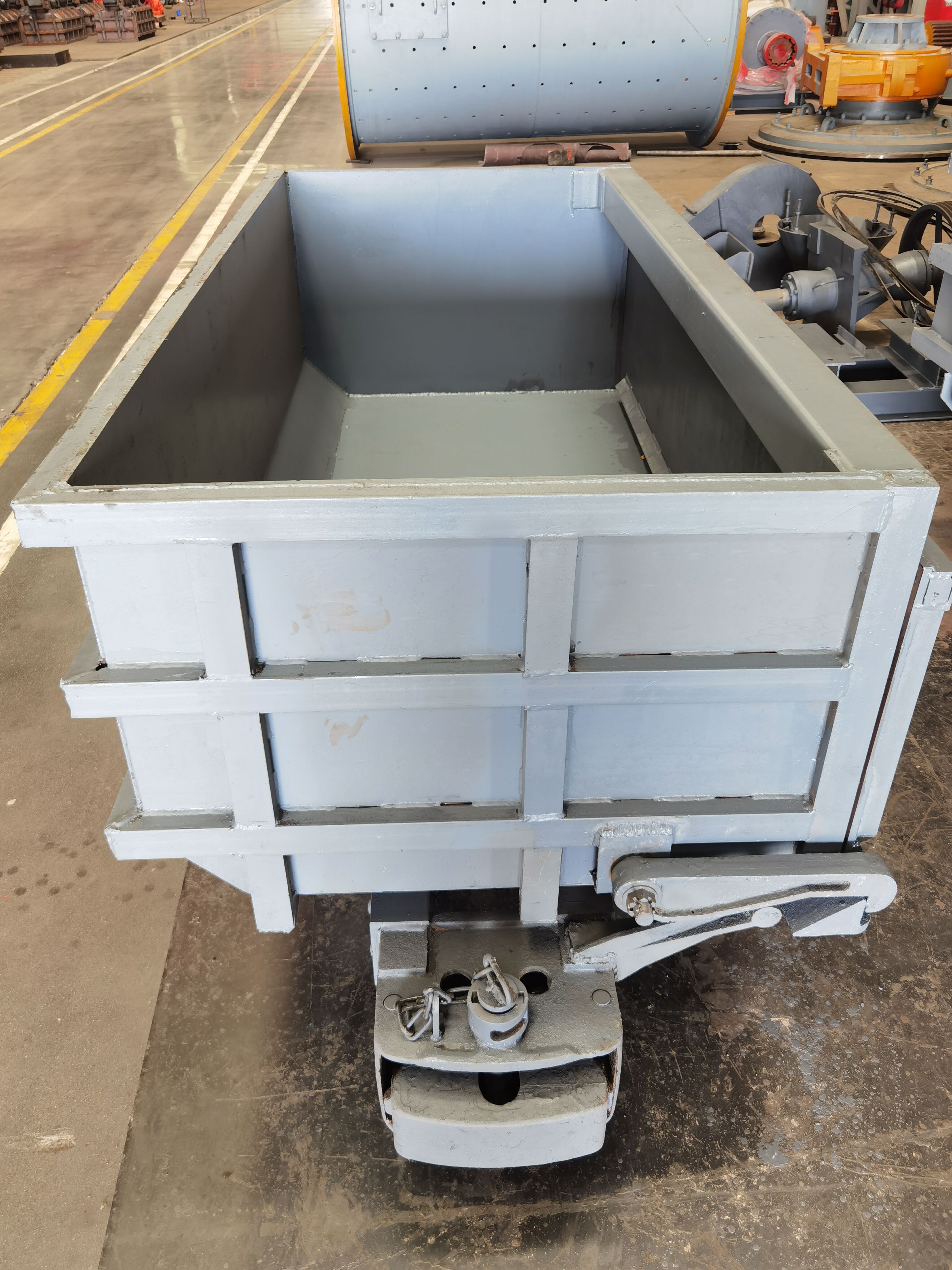
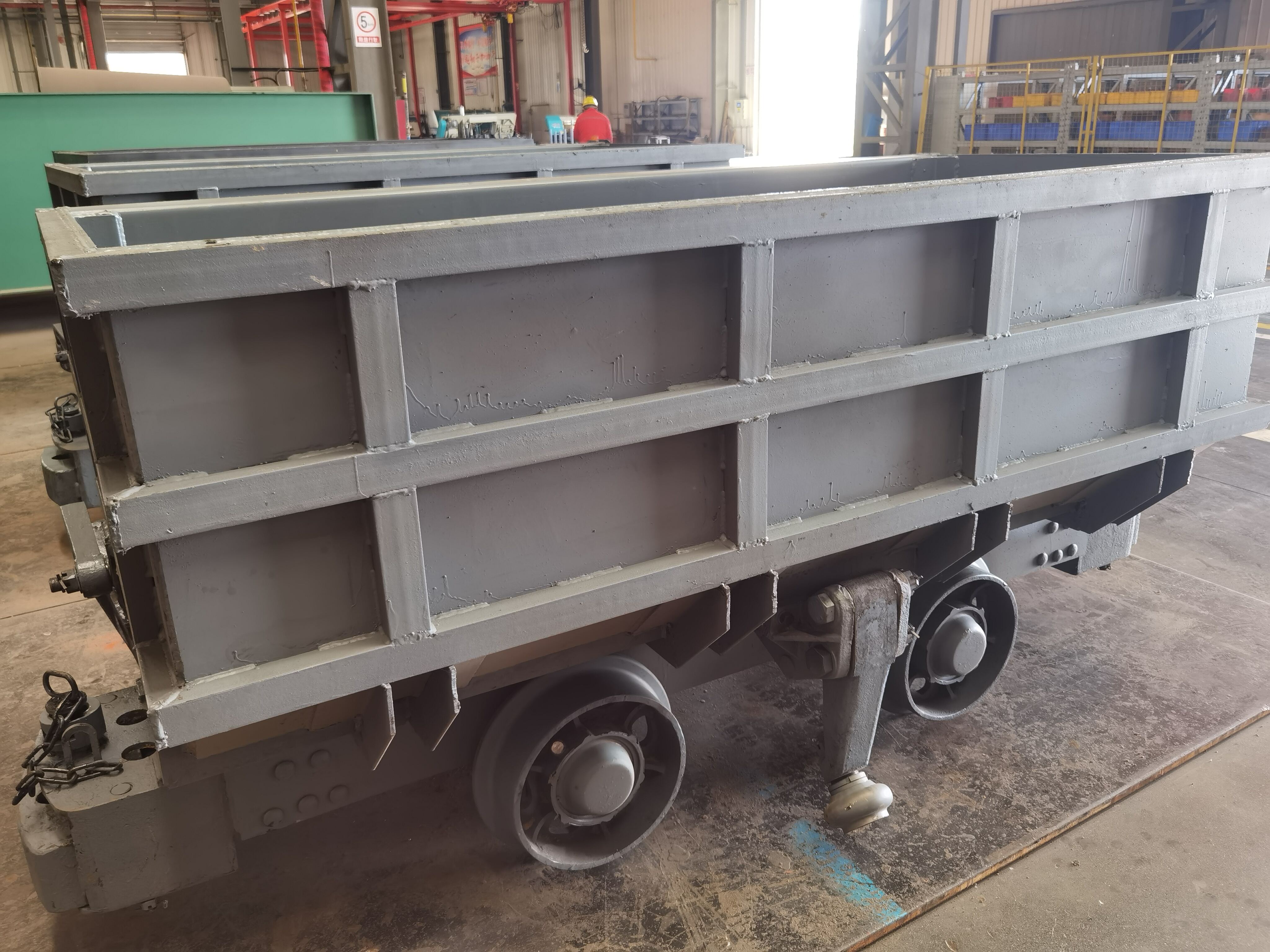
A mine trolley represents an essential piece of underground mining equipment designed to transport materials, ore, waste rock, and personnel throughout mining operations. These robust vehicles operate on rails or tracks installed within mine shafts and tunnels, forming the backbone of material handling systems in both coal and metal mining facilities. The mine trolley serves as a critical link in the mining supply chain, ensuring efficient movement of extracted resources from working faces to processing areas or shaft stations. Modern mine trolleys incorporate advanced engineering principles to withstand harsh underground conditions including high humidity, dust, corrosive environments, and limited space constraints. These transport systems come in various configurations including fixed mine trolleys, tipping mine trolleys, side-discharge models, and flat-bed versions, each tailored to specific operational requirements. The construction of a mine trolley typically features heavy-duty steel frames, reinforced chassis, and durable wheels designed to handle substantial loads while maintaining stability on underground tracks. Capacities range from small one-ton units for narrow seam operations to large ten-ton or greater models for main haulage routes. The mine trolley utilizes either manual push systems for short distances, battery-powered electric motors for medium-range transport, or locomotive-pulled configurations for extensive underground networks. Safety mechanisms integrated into mine trolley design include brake systems, coupling devices, safety chains, and buffer stops to prevent accidents and ensure worker protection. The versatility of the mine trolley makes it indispensable across various mining sectors including coal extraction, gold mining, iron ore operations, and construction tunneling projects. As mining operations push deeper underground and face increasingly challenging geological conditions, the mine trolley continues to evolve with improved materials, enhanced load capacities, and better maneuverability to meet demanding operational standards while maintaining cost-effectiveness and reliability in the most challenging environments.


Popular Products

Investing in quality mine trolleys delivers numerous practical benefits that directly impact your mining operation's productivity and profitability. First and foremost, these transport solutions significantly reduce manual labor requirements, allowing your workforce to focus on more skilled tasks rather than physically moving materials. A single mine trolley can replace the work of multiple laborers, cutting operational costs while increasing the volume of material moved per shift. The structured rail system ensures consistent, predictable transport routes that optimize workflow and reduce congestion in narrow underground passages. Mine trolleys enhance workplace safety by minimizing the need for workers to manually carry heavy loads through potentially hazardous areas, thereby reducing injury rates and associated downtime. The mechanical advantage provided by wheeled transport on rails means less physical strain on equipment and personnel, translating to longer service life and reduced maintenance expenses. These vehicles offer exceptional reliability in demanding conditions where other transport methods might fail, maintaining operations even in wet, dusty, or uneven underground environments. The mine trolley system provides scalability, allowing operations to expand capacity simply by adding more units without requiring significant infrastructure changes. Fuel efficiency stands out as another major advantage, particularly with electric-powered models that eliminate diesel emissions in confined spaces while reducing energy costs compared to alternative transport methods. The simplicity of mine trolley operation means minimal training requirements for operators, enabling quick deployment and reducing onboarding time for new personnel. Maintenance procedures remain straightforward with easily accessible components and widely available replacement parts, minimizing downtime and repair costs. The low center of gravity inherent in mine trolley design prevents tipping accidents and ensures stable transport even when fully loaded or navigating inclines. These vehicles contribute to environmental compliance by containing materials during transport, preventing spillage and reducing dust generation compared to loose hauling methods. The standardized dimensions of mine trolleys facilitate efficient loading and unloading processes, reducing cycle times and increasing overall throughput. Operators benefit from improved operational visibility and control, as the predictable movement patterns allow better coordination of mining activities and resource allocation. The durability of properly maintained mine trolleys ensures decades of service, providing excellent return on investment and predictable capital planning. Finally, the modular nature of modern mine trolley systems allows customization to specific site requirements, ensuring optimal performance regardless of mine layout, ore type, or operational scale.

Practical Tips

What Should Mining Companies Consider When Selecting an Underground LHD Loader?

11

Dec

What Should Mining Companies Consider When Selecting an Underground LHD Loader?

Underground mining operations require specialized equipment that can withstand harsh conditions while maintaining optimal performance and safety standards. The selection of an underground LHD loader represents one of the most critical decisions minin...
View More
What Safety Features Are Essential in Modern Underground LHD Loaders?

11

Dec

What Safety Features Are Essential in Modern Underground LHD Loaders?

Underground mining operations present unique challenges that demand specialized equipment designed with safety as the paramount concern. Underground LHD loaders have evolved significantly over the decades, incorporating advanced safety technologies t...
View More
Why Some Mines Still Choose Diesel Over Electric Underground Trucks

18

Mar

Why Some Mines Still Choose Diesel Over Electric Underground Trucks

The underground mining industry stands at a technological crossroads where electric vehicle adoption accelerates across surface operations, yet many mine operators continue selecting diesel-powered underground mining trucks for their critical hauling...
View More
Mining’s Next Frontier: How 5G and Remote-Controlled Underground LHDs Are Revolutionizing Underground Operations

18

Mar

Mining’s Next Frontier: How 5G and Remote-Controlled Underground LHDs Are Revolutionizing Underground Operations

The mining industry stands at a transformative crossroads where cutting-edge telecommunications technology meets advanced underground equipment automation. This revolution centers on the deployment of 5G networks paired with remote-controlled undergr...
View More

Get a Free Quote

Our representative will contact you soon.
Email
Name
Company Name
Message
0/1000

mine trolley

Superior Load Capacity and Structural Durability

Superior Load Capacity and Structural Durability

The mine trolley distinguishes itself through exceptional load-bearing capabilities engineered to withstand the most demanding underground mining conditions. Constructed from high-grade steel alloys and reinforced structural components, these transport vehicles handle loads ranging from one to fifteen tons depending on model specifications, far exceeding manual handling capabilities. The frame architecture distributes weight evenly across multiple wheel assemblies, preventing excessive stress on any single component and ensuring longevity even under continuous heavy use. Advanced welding techniques and stress-tested joints create a unified structure that resists deformation, cracking, and fatigue failures common in lesser equipment. The wheel systems incorporate hardened steel or specialized alloy compositions that resist wear from constant friction against rail surfaces, maintaining smooth operation over thousands of operating hours. Axle designs feature robust bearings sealed against dust and moisture intrusion, critical for maintaining performance in humid underground environments where corrosion poses constant threats. The mine trolley bottom plate typically consists of thick steel sheets reinforced with cross-members, capable of supporting concentrated loads without flexing or permanent deformation. Side walls on material-carrying models extend sufficiently high to contain full loads while incorporating structural ribbing that adds strength without excessive weight. For operations requiring specialized handling, reinforced mine trolleys accommodate vibrating equipment, liquid containers, or irregularly shaped materials through customized mounting systems. The coupling mechanisms connecting multiple mine trolleys feature heavy-duty construction with safety retention systems preventing accidental separation during transport. Buffer systems absorb impact forces during coupling operations or emergency stops, protecting both cargo and equipment from damage. Longevity testing demonstrates that properly maintained mine trolleys regularly achieve fifteen to twenty-five years of active service, representing exceptional value compared to alternative transport solutions requiring frequent replacement. The initial investment in quality mine trolleys pays dividends through reduced downtime, fewer replacements, and consistent performance that keeps mining operations running smoothly. This durability directly translates to lower total cost of ownership, as maintenance requirements remain minimal and predictable throughout the equipment lifecycle.
Enhanced Safety Features and Operational Protection

Enhanced Safety Features and Operational Protection

Safety represents the paramount concern in underground mining environments, and the mine trolley incorporates multiple protective features designed to safeguard both operators and materials throughout transport operations. Brake systems constitute the primary safety mechanism, with modern mine trolleys featuring both manual and automatic braking options that engage reliably regardless of load conditions or environmental factors. Hand brakes provide operators with immediate stopping capability through mechanical linkages that require no electrical or hydraulic power, ensuring functionality even during power failures. Automatic brakes activate when trolleys exceed safe speeds on inclines or when coupling connections separate unexpectedly, preventing runaway situations that could endanger personnel or damage infrastructure. Wheel flange designs keep mine trolleys securely positioned on rails, with carefully calculated dimensions that prevent derailment while allowing smooth negotiation of curves and track irregularities. Safety chains serve as redundant coupling connections, maintaining link integrity between connected mine trolleys even if primary coupling devices fail, adding critical backup protection during transport of heavy or hazardous materials. Reflective markings and high-visibility paint schemes ensure mine trolleys remain visible in low-light underground conditions, alerting personnel to approaching equipment and reducing collision risks. Rounded edges and recessed bolt heads eliminate sharp protrusions that could snag clothing, equipment, or cause injuries during loading operations or maintenance activities. The low profile design maintains a stable center of gravity that resists tipping even when loads shift or tracks encounter uneven sections, particularly important when transporting personnel or expensive equipment. Buffer stops installed at track terminals prevent mine trolleys from over-running designated stopping points, protecting both equipment and tunnel infrastructure from collision damage. Load-limiting indicators help operators avoid overloading, which could compromise stability or exceed structural design limits, ensuring operations remain within safe parameters. For personnel transport applications, specialized mine trolleys incorporate seating with restraint systems, protective canopies, and emergency communication equipment that enables contact with surface operations if incidents occur. Regular inspection protocols easily identify wear indicators built into critical components, allowing proactive replacement before failures occur, maintaining safety margins throughout equipment service life. The straightforward mechanical nature of mine trolley systems eliminates complex failure modes associated with more sophisticated equipment, providing inherent reliability that operators trust in critical situations.
Versatile Configuration Options for Diverse Mining Applications

Versatile Configuration Options for Diverse Mining Applications

The adaptability of mine trolley systems addresses the wide-ranging requirements found across different mining operations, geological conditions, and material handling needs. Fixed-body mine trolleys feature permanent containers ideal for general ore transport, offering maximum structural strength and simplicity for routine hauling operations between working faces and processing areas. Tipping mine trolleys incorporate pivot mechanisms allowing the entire container to rotate, facilitating rapid unloading at designated dump points without requiring additional equipment or manual shoveling, significantly reducing cycle times. Side-discharge models feature hinged walls that open laterally, perfect for unloading in areas with vertical clearance restrictions or when materials must be deposited alongside tracks rather than at terminal points. Flat-bed mine trolleys provide platforms for transporting equipment, supplies, timber supports, or irregularly shaped items that standard containers cannot accommodate, adding flexibility to underground logistics operations. Specialized personnel carriers transform the basic mine trolley concept into safe worker transport, featuring seating, lighting, and safety equipment that moves crews efficiently between shaft stations and distant working areas. The track gauge compatibility ranges from narrow 600-millimeter systems for restricted spaces to standard mining gauges exceeding 900 millimeters for main haulage routes, ensuring appropriate solutions regardless of tunnel dimensions. Wheel configurations vary from simple four-wheel designs for straight runs to articulated multi-wheel assemblies that navigate tight curves and complex track layouts without binding or excessive wear. Battery compartments integrate seamlessly into electric mine trolley designs, with standardized mounting systems accommodating various battery technologies and capacities depending on required operating range and power demands. Quick-change coupling systems enable rapid reconfiguration of mine trolley trains, allowing operations to adjust consist length based on current hauling requirements without extensive downtime or specialized tools. Corrosion-resistant coatings and material selections suit specific environments, with options ranging from standard industrial paints for dry conditions to specialized galvanized or polymer finishes for highly corrosive atmospheres. Customized height specifications accommodate varying tunnel profiles, ensuring adequate clearance while maximizing container capacity within available space constraints. Mining operations benefit from standardized component interfaces that allow mixing equipment from different suppliers or eras, protecting capital investments and ensuring parts availability throughout extended service lives. The modularity inherent in mine trolley systems supports phased implementation, where operations begin with basic manual units and progressively upgrade to powered systems as production scales increase, avoiding excessive initial capital outlays while maintaining growth flexibility.

Get a Free Quote

Our representative will contact you soon.
Email
Name
Company Name
Message
0/1000