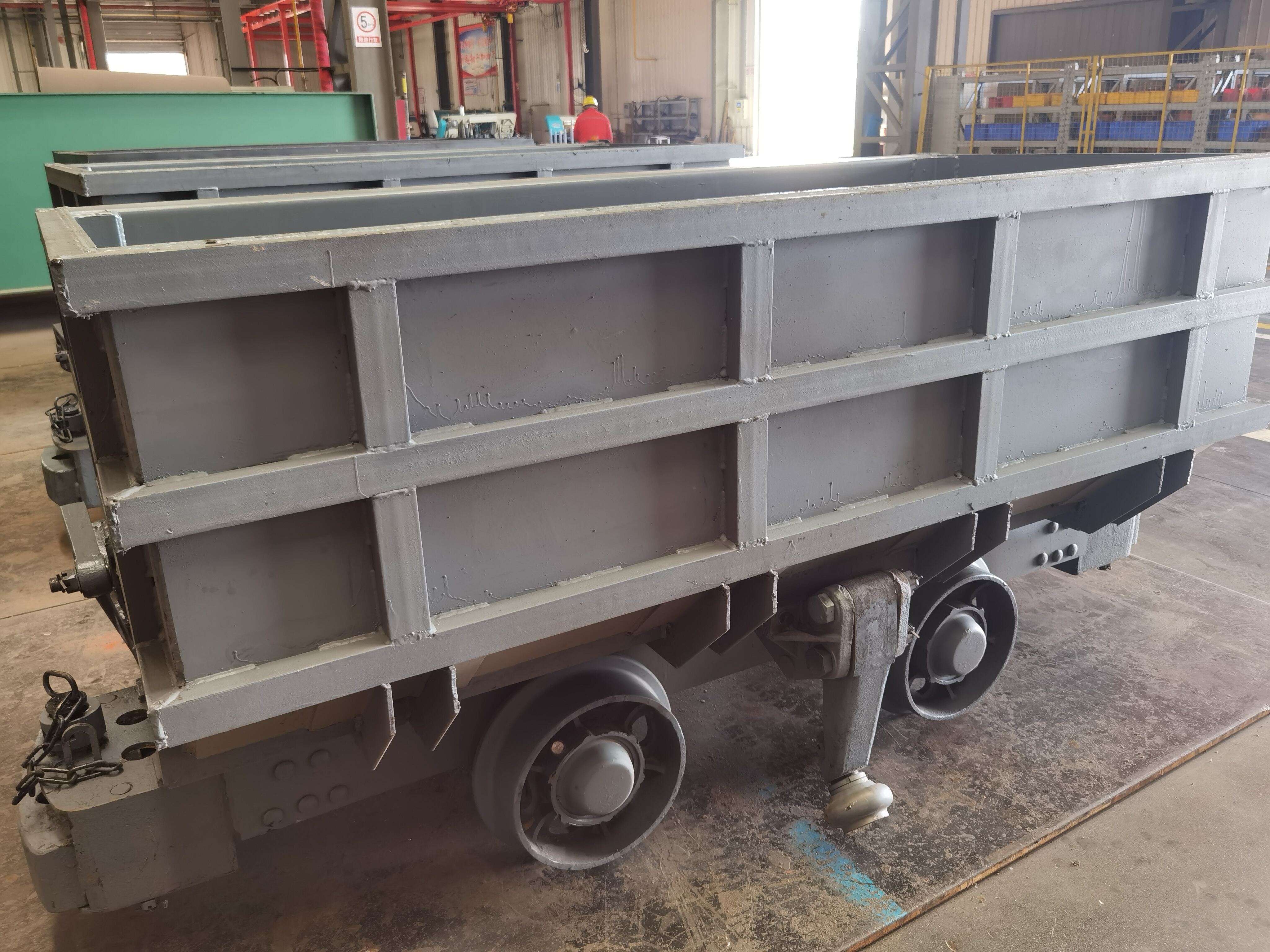
Cost-Effective Solution with Minimal Infrastructure Requirements
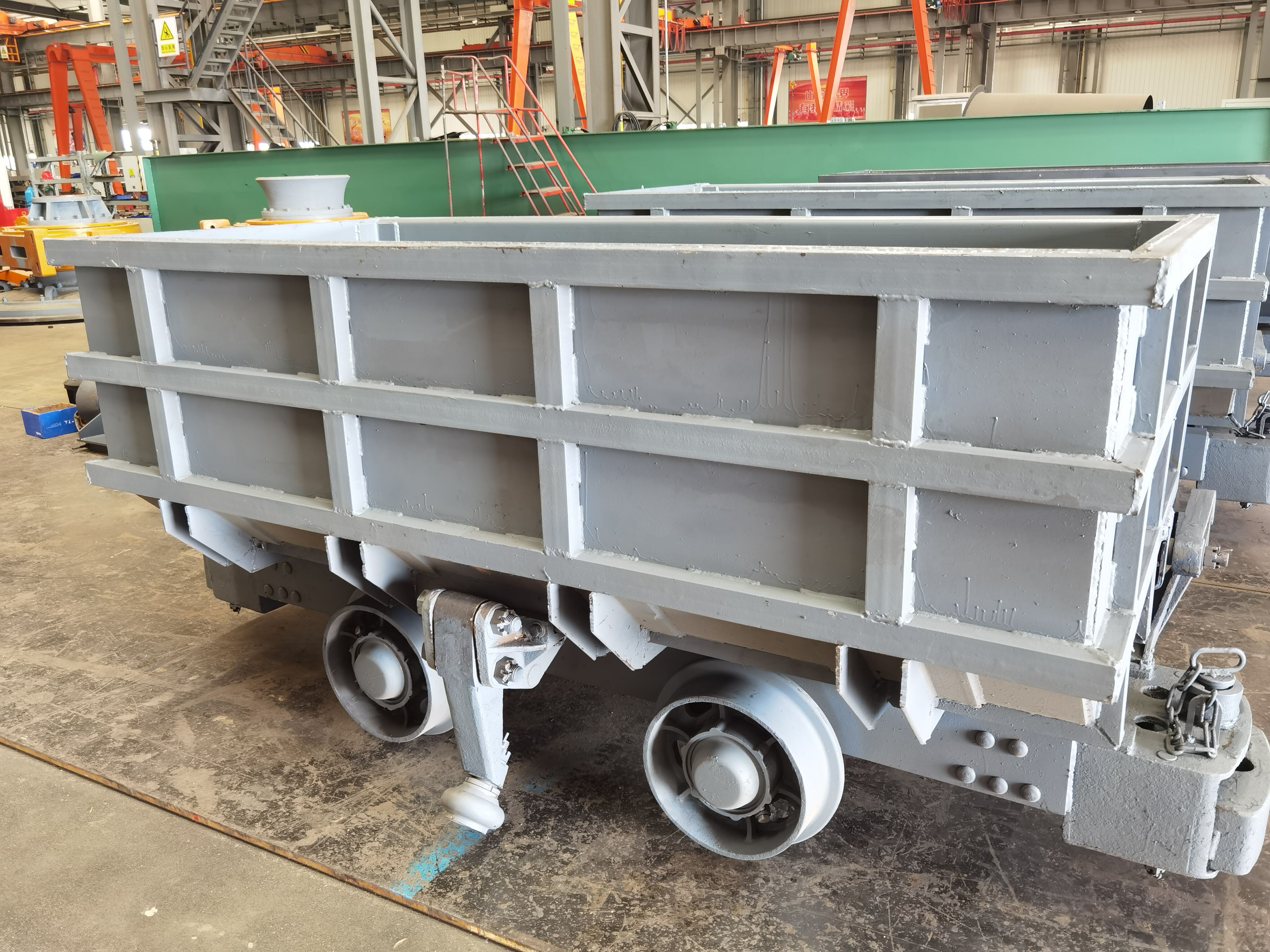
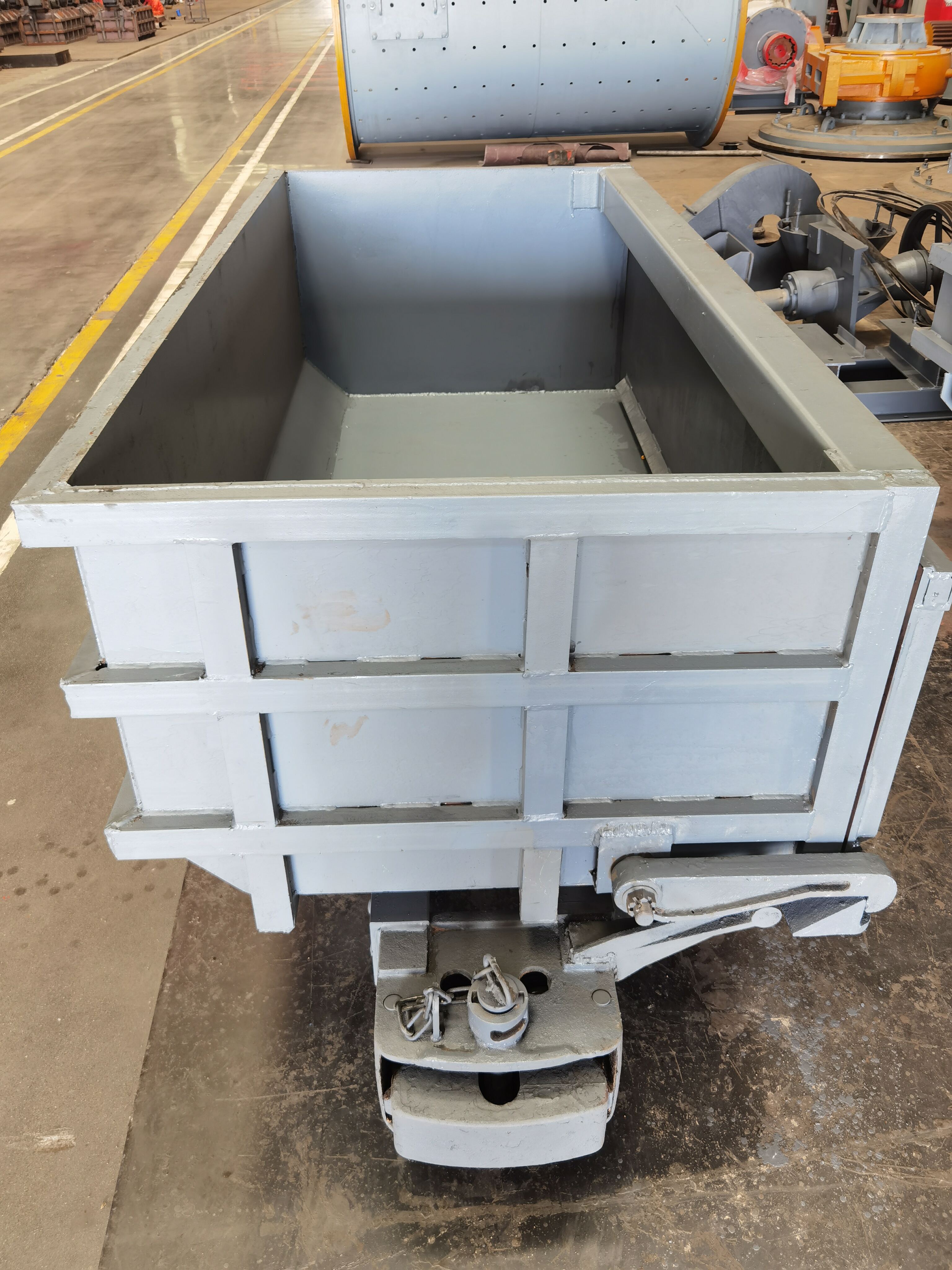
The economic advantages of implementing a 600mm gauge rail mining cart system extend well beyond the initial purchase price, encompassing infrastructure costs, operational expenses, and long-term maintenance considerations that collectively deliver superior return on investment. The narrow gauge dimension requires less tunnel cross-sectional area compared to standard or wide gauge systems, meaning that excavation costs during mine development are reduced as smaller tunnels can accommodate the transport system while still providing adequate clearance for the carts and safety walkways. This reduction in excavation volume translates directly into lower development costs per meter of tunnel, allowing mining operations to extend their networks more economically or allocate saved capital to other productive investments. The rail infrastructure itself consumes less steel due to the shorter rail lengths needed to span the 600mm gauge, and the lighter weight of these rails simplifies transportation to underground locations and reduces installation labor requirements. Supporting structures such as sleepers, brackets, and fastening systems similarly benefit from the reduced scale, with smaller components being easier to handle in confined spaces and less expensive to procure and maintain. The 600mm gauge rail mining cart system proves particularly advantageous for operations in geological conditions where tunnel stability concerns limit excavation size, as the compact system can be implemented without compromising the rock support envelope that ensures safe working conditions. Power requirements for hauling these carts remain modest whether using electric locomotives, diesel units, or rope haulage systems, as the reduced cart weight and efficient wheel systems minimize traction requirements and energy consumption per ton of material transported. This efficiency becomes increasingly valuable as energy costs rise and operations seek to reduce their carbon footprint and operational expenses simultaneously. Maintenance economics favor the 600mm gauge rail mining cart through the widespread availability of replacement parts, with standardized components common across many manufacturers ensuring competitive pricing and ready availability even in remote mining locations. The relatively simple mechanical systems employed in these carts mean that maintenance personnel can be trained quickly, and repairs can often be completed using general workshop equipment rather than specialized tools, reducing both training costs and capital investment in maintenance facilities. The flexibility to deploy these systems incrementally allows operations to match infrastructure investment with production growth, avoiding the capital burden of installing excess capacity that may remain underutilized during early operational phases. When production expansion becomes necessary, the modular nature of rail systems permits straightforward extension of track networks and addition of more carts without requiring system redesign or replacement of existing equipment. The resale value of quality 600mm gauge rail mining cart equipment remains strong due to the widespread adoption of this gauge standard, providing operations with exit strategy options or the ability to reconfigure equipment allocation as mine plans evolve. This combination of low initial costs, minimal infrastructure requirements, efficient operation, straightforward maintenance, and retained value creates a compelling economic case for selecting the 600mm gauge rail mining cart as the foundation of underground transport systems.

 EN
EN