Low Maintenance Requirements and Operational Simplicity
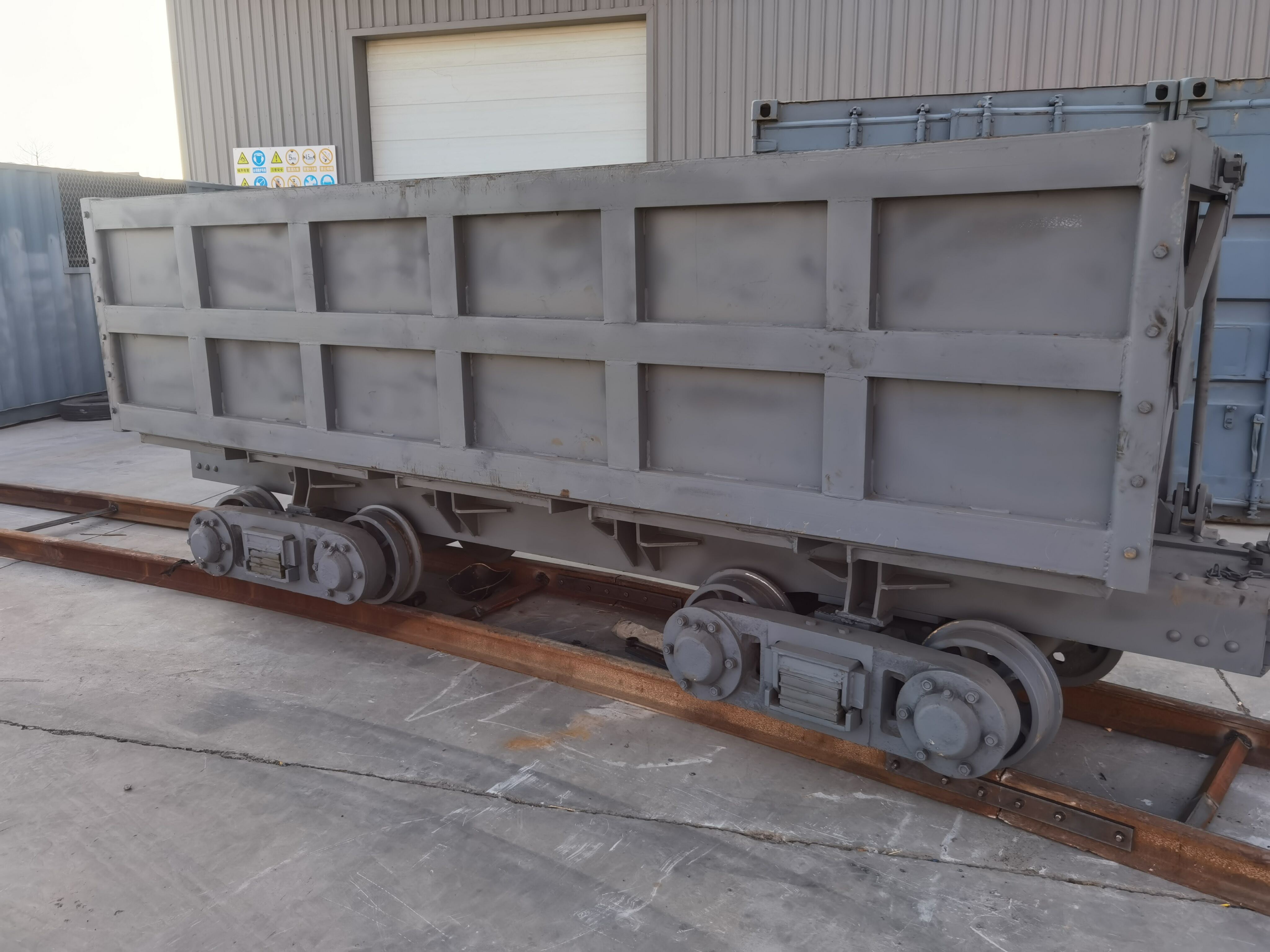
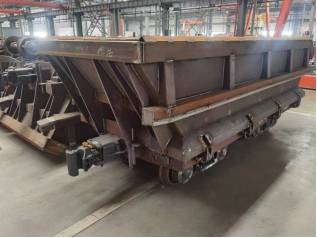
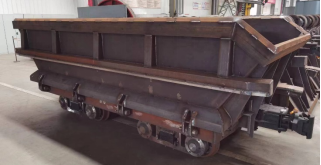
The operational simplicity and minimal maintenance demands of mine ore carts represent compelling economic advantages that significantly reduce total cost of ownership throughout the equipment lifecycle, making them exceptionally attractive for mining operations operating under tight budget constraints or in remote locations where specialized technical support remains limited. Unlike complex motorized haulage systems incorporating engines, transmissions, and electronic controls, mine ore carts employ purely mechanical designs based on proven principles of structural engineering and friction mechanics, eliminating entire categories of potential failure modes associated with power plants, fuel systems, and electrical components. This mechanical simplicity translates directly into reduced maintenance labor requirements, as periodic inspections involve straightforward visual examinations of structural integrity, wheel condition, bearing lubrication status, and coupling mechanism function, tasks that typical maintenance personnel can complete quickly without specialized diagnostic equipment or advanced technical training. The lubrication requirements for mine ore carts remain minimal, typically limited to periodic greasing of wheel bearings and pivot points using standard industrial lubricants readily available from multiple suppliers, avoiding dependence on proprietary fluids or specialized compounds that create supply chain vulnerabilities. Wear component replacement follows predictable schedules based on operational hours and tonnage transported, allowing maintenance planners to stock appropriate spare parts inventory and schedule interventions during planned downtime rather than responding reactively to unexpected failures that disrupt production schedules. The absence of consumable items like filters, belts, hoses, and seals further reduces ongoing operational expenses while eliminating potential environmental contamination from fluid leaks or disposal requirements for used lubricants and filters. Repair procedures for damaged mine ore carts typically involve standard welding and metalworking techniques well within the capabilities of mine maintenance shops, avoiding costly shipments to specialized repair facilities or extended waiting periods for factory-trained technicians to arrive at site. Component interchangeability across different cart models from the same manufacturer enables operations running mixed fleets to consolidate spare parts inventories, reducing capital tied up in redundant stock while ensuring critical replacement components remain available when needed. The robust construction that characterizes quality mine ore carts means structural components rarely require replacement during normal service life, with maintenance activities focused primarily on wear surfaces like wheels and occasional repainting to maintain corrosion protection rather than major overhauls involving frame repairs or body replacements. This reliability enables accurate long-term operational cost forecasting, as maintenance expenses remain predictable and stable rather than subject to the exponential increase in repair frequency that characterizes equipment approaching end of service life, supporting sound financial planning and capital budgeting for mining operations.

 EN
EN