Real Mine Cart Solutions - Durable Mining Transportation Equipment for Enhanced Productivity

All Categories

real mine cart

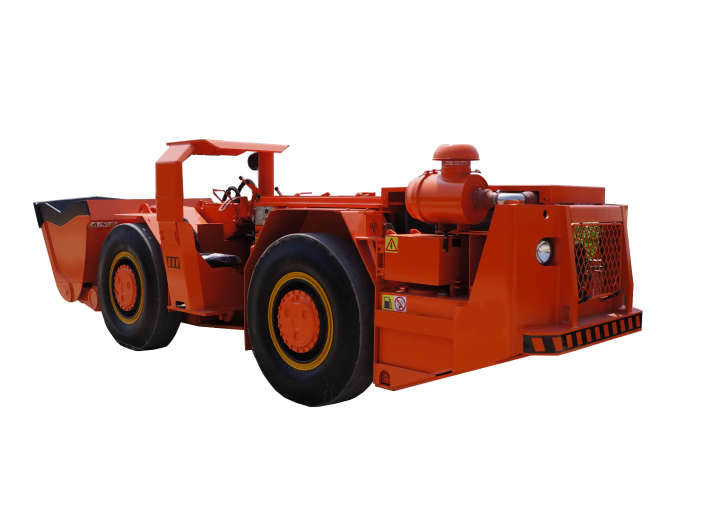
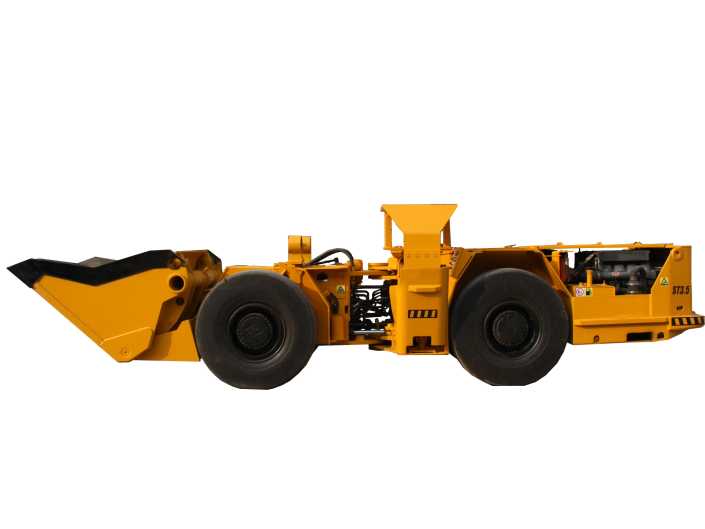
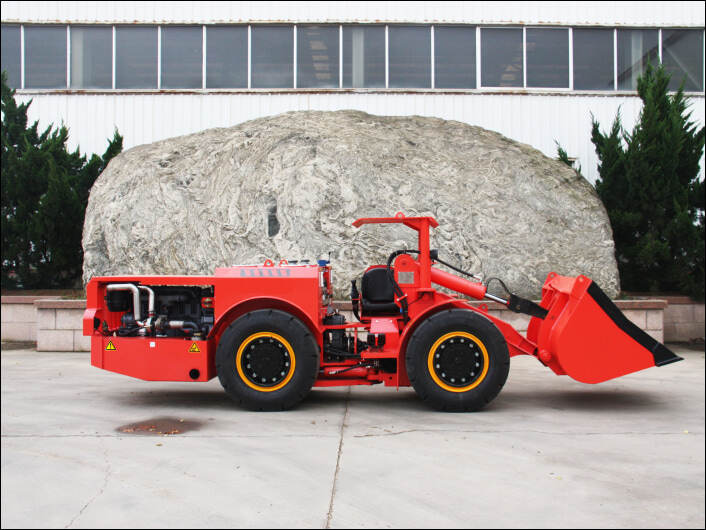
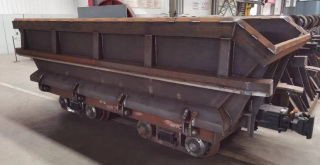
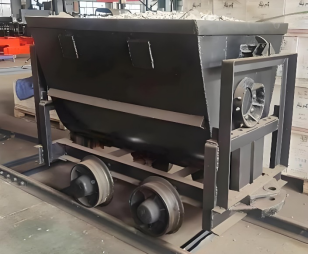
The real mine cart represents a fundamental piece of equipment in modern mining operations, serving as the primary transportation system for moving extracted materials from underground locations to surface processing facilities. These robust vehicles are specifically engineered to withstand the harsh conditions found in mining environments, including extreme temperatures, moisture, dust, and constant heavy loading. A real mine cart typically features a sturdy steel construction with reinforced sides and bottom panels designed to carry substantial loads of ore, coal, minerals, or waste rock. The main functions of a real mine cart include material transportation, load distribution, and efficient movement through narrow mine shafts and tunnels. These carts operate on rail systems installed throughout mine tunnels, ensuring stable and predictable movement patterns that maximize safety and productivity. The technological features of modern real mine cart designs incorporate advanced materials science, utilizing high-strength steel alloys that resist corrosion and wear while maintaining structural integrity under continuous stress. Many contemporary models include features such as tilting mechanisms for quick unloading, reinforced wheel assemblies with sealed bearings to prevent contamination, and standardized coupling systems that allow multiple carts to be connected for batch transportation. The applications of real mine cart systems extend across various mining sectors, including coal mining, metal ore extraction, gemstone mining, and underground construction projects. In coal mining operations, these carts transport extracted coal from working faces to conveyor systems or loading stations. Metal ore mining utilizes real mine cart configurations to move copper, iron, gold, and other valuable minerals through complex tunnel networks. The versatility of real mine cart designs allows customization for specific mining conditions, with variations in capacity ranging from small inspection carts to heavy-duty models capable of transporting several tons of material per trip. Modern mining operations increasingly integrate real mine cart systems with automated tracking and monitoring technologies, enhancing operational efficiency and safety protocols throughout the extraction process.


New Products

The real mine cart delivers numerous practical benefits that directly impact mining operation efficiency and profitability. First and foremost, these carts significantly reduce manual labor requirements by mechanizing the material transportation process, allowing workers to focus on more skilled tasks rather than physically moving heavy loads. This automation improves workplace safety by minimizing worker exposure to heavy lifting injuries and repetitive strain problems that commonly occur in manual material handling. The durability of a real mine cart translates into long-term cost savings, as quality construction means fewer replacements and reduced maintenance expenses over the equipment's operational lifetime. Mining companies appreciate how these carts maintain consistent performance even after years of continuous use in demanding underground conditions. The standardized rail system used by real mine cart configurations creates predictable transportation routes that simplify logistics planning and reduce the risk of accidents caused by unpredictable vehicle movements. Operators can accurately calculate transportation times and schedule mining activities with greater precision, leading to improved overall productivity. The load capacity of a real mine cart allows substantial amounts of material to be moved in single trips, reducing the number of journeys required and thereby decreasing energy consumption and operational costs. This efficiency becomes particularly valuable in deep mining operations where transportation distances are considerable. The simple mechanical design of traditional real mine cart systems requires minimal training for operators, enabling quick workforce onboarding and reducing the learning curve for new employees. Maintenance procedures are straightforward, with most repairs possible using standard tools and readily available replacement parts, minimizing downtime when issues arise. The flexibility of real mine cart systems accommodates various mine layouts and can be expanded or reconfigured as mining operations evolve and new tunnels are developed. Companies can start with basic systems and gradually upgrade components without replacing the entire infrastructure. Environmental benefits also emerge from using real mine cart transportation, as these systems produce no direct emissions underground, unlike diesel-powered vehicles that can compromise air quality in enclosed spaces. The energy efficiency of rail-based transportation means lower operational costs compared to alternative transportation methods. Investment in quality real mine cart equipment demonstrates a commitment to professional mining practices, which can improve company reputation and compliance with industry safety standards. The reliability of these systems reduces unexpected disruptions that can halt production and cause financial losses. For operations in remote locations, the simplicity and durability of real mine cart systems prove especially valuable, as complex equipment requiring specialized maintenance creates logistical challenges. The proven track record of real mine cart technology across decades of mining history provides confidence in its continued effectiveness and adaptability to modern mining requirements.

Tips And Tricks

How Do B2B Mining Projects Choose the Right Underground Dump Truck?

17

Nov

How Do B2B Mining Projects Choose the Right Underground Dump Truck?

Selecting the appropriate underground dump truck for B2B mining operations represents a critical decision that directly impacts operational efficiency, safety standards, and long-term profitability. Mining contractors and project managers must naviga...
View More
How Do Load Capacity and Size Affect Underground LHD Loader Performance?

11

Dec

How Do Load Capacity and Size Affect Underground LHD Loader Performance?

Underground mining operations depend heavily on efficient material handling equipment, with the underground LHD loader serving as the backbone of productive ore extraction and transportation. These versatile machines must navigate confined spaces whi...
View More
What Factors Affect the Performance of an Underground Mining Scoop?

07

Jan

What Factors Affect the Performance of an Underground Mining Scoop?

The performance of an underground mining scoop depends on numerous interconnected factors that directly impact productivity, safety, and operational efficiency in mining operations. Understanding these variables is crucial for mining engineers and op...
View More
How Does an Underground Mining Scoop Compare to Other LHD Equipment?

07

Jan

How Does an Underground Mining Scoop Compare to Other LHD Equipment?

The selection of appropriate Load Haul Dump (LHD) equipment plays a critical role in underground mining operations, with the underground mining scoop representing one of the most versatile and essential pieces of machinery in modern mining environmen...
View More

Get a Free Quote

Our representative will contact you soon.
Email
Name
Company Name
Message
0/1000

real mine cart

Exceptional Load-Bearing Capacity and Structural Durability

Exceptional Load-Bearing Capacity and Structural Durability

The real mine cart stands out in the mining equipment marketplace due to its exceptional load-bearing capacity and structural durability, characteristics that directly impact operational efficiency and return on investment. Engineering teams design these carts using advanced metallurgical principles, selecting high-grade steel alloys that maintain structural integrity under extreme stress conditions encountered in daily mining operations. The load-bearing framework incorporates reinforced corner joints and strategically placed support ribs that distribute weight evenly across the entire structure, preventing stress concentration points that could lead to premature failure. This thoughtful engineering approach allows a single real mine cart to transport loads ranging from one to ten tons depending on the model, with larger industrial variants capable of even greater capacities. The structural durability extends beyond mere load capacity to encompass resistance against the corrosive elements present in mining environments, including moisture, mineral-laden dust, and chemical exposure from various ore types. Protective coatings and galvanization processes applied during manufacturing create barriers against rust and corrosion, significantly extending operational lifespan. Mining operations in particularly harsh environments benefit from specialized real mine cart models featuring additional protective treatments and reinforced construction in high-wear areas such as the bottom panel and wheel assemblies. The wheel systems themselves represent critical durability components, typically featuring solid steel or reinforced composite wheels mounted on sealed bearing assemblies that prevent contamination from dust and debris. This design choice eliminates common failure points associated with pneumatic tires or open bearing systems that require frequent maintenance. The coupling mechanisms connecting multiple real mine cart units together demonstrate similar durability standards, utilizing heavy-duty steel connectors with safety latches that maintain secure connections even when navigating curves or inclines in tunnel systems. Quality manufacturers subject their real mine cart products to rigorous testing protocols that simulate years of operational stress, including load cycling tests, impact resistance evaluations, and environmental exposure assessments. These testing procedures ensure that carts delivered to mining operations will perform reliably throughout their intended service life, typically spanning ten to twenty years with proper maintenance. The long-term durability of real mine cart equipment translates directly into financial advantages for mining companies, as reduced replacement frequency and minimal downtime create substantial cost savings over the equipment lifecycle, making these carts an intelligent investment for operations prioritizing reliability and longevity.
Versatile Design Adaptability for Diverse Mining Conditions

Versatile Design Adaptability for Diverse Mining Conditions

The real mine cart demonstrates remarkable versatility in design adaptability, making it suitable for diverse mining conditions and operational requirements across different extraction industries. This adaptability begins with the fundamental cart architecture, which manufacturers can modify to accommodate specific tunnel dimensions, track gauges, and material types commonly encountered in particular mining operations. Standard gauge real mine cart models fit conventional mining railway systems, while custom configurations serve specialized operations with unique infrastructure requirements. The hopper design represents a primary area of customization, with options including fixed-body carts for stable transportation, bottom-dump configurations for rapid unloading directly onto conveyors or processing equipment, and side-dump variants ideal for operations requiring discharge along tunnel walls or into side chambers. Some real mine cart designs incorporate removable containers or interchangeable bodies, allowing the same base cart and wheel assembly to serve multiple functions throughout a mining complex. This modularity reduces equipment inventory requirements and associated capital expenditures while maintaining operational flexibility. Height adjustments accommodate mines with varying ceiling clearances, with low-profile real mine cart models designed specifically for operations in confined spaces where standard-height equipment cannot operate safely. Conversely, high-capacity models feature elevated sides that increase volumetric capacity for lighter materials like coal or certain processed ores. The tracking and guidance systems integrated into modern real mine cart designs offer another dimension of adaptability, with options ranging from simple flanged wheels following fixed rails to more sophisticated guided systems incorporating sensors and automated switching mechanisms for complex tunnel networks. Material selection for cart construction can be tailored to specific mining environments, with standard steel construction suitable for most applications, while operations extracting highly corrosive materials might specify stainless steel or specially coated variants. The real mine cart design also accommodates various power and propulsion integration options, from traditional gravity-fed systems on inclined tunnels to manual pushing in level passages, cable-hauled configurations for steep grades, and motorized versions for autonomous or semi-autonomous operation in modernized facilities. Coupling systems demonstrate similar adaptability, with universal connectors allowing real mine cart units from different manufacturers or production runs to work together in mixed fleets, simplifying fleet management and parts inventory. Lighting and safety feature integration points built into real mine cart frames enable operations to add reflectors, warning signals, or tracking transponders as safety requirements evolve or regulatory standards change. This forward-thinking design approach protects equipment investments by ensuring compatibility with future technological upgrades without requiring complete cart replacement.
Enhanced Safety Features and Operational Reliability

Enhanced Safety Features and Operational Reliability

Safety and operational reliability constitute paramount concerns in mining operations, and the real mine cart addresses these priorities through comprehensive design features and proven mechanical systems that minimize risk while maximizing uptime. The fundamental stability of rail-guided transportation inherently provides safety advantages over free-moving vehicles, as the constrained path eliminates risks associated with operator error in vehicle navigation through dark, confined tunnel spaces. The low center of gravity engineered into real mine cart designs prevents tipping accidents even when traversing uneven track sections or negotiating curves at operational speeds. Side walls of appropriate height contain materials securely during transport, preventing spillage that could create obstacles on tracks or injure workers in transit paths. Modern real mine cart models incorporate emergency braking systems activated by operators or automatically triggered when carts exceed safe speeds on descending grades, preventing runaway accidents that historically caused serious mining incidents. The braking mechanisms typically employ simple, reliable friction systems requiring no electrical power, ensuring functionality even during power outages or equipment failures. Coupling connections between multiple real mine cart units include safety chains or secondary retention devices that maintain connections even if primary coupling mechanisms fail, preventing separated carts from rolling freely through tunnel systems. Visibility enhancements such as reflective striping and contrasting color schemes help workers identify approaching real mine cart trains in low-light conditions typical of underground environments, reducing collision risks with personnel or equipment. The mechanical simplicity of traditional real mine cart systems contributes significantly to operational reliability, as fewer complex components mean fewer potential failure points and more predictable maintenance requirements. Regular inspection protocols easily identify wear on wheels, axles, and body components before failures occur, allowing scheduled maintenance that prevents unexpected breakdowns during production shifts. The widespread standardization of real mine cart components across the mining industry ensures ready availability of replacement parts, minimizing downtime when repairs become necessary. Many mining operations maintain small inventories of critical wear components like wheels and bearings, enabling rapid repairs by maintenance teams without waiting for supplier deliveries. The operational reliability of real mine cart systems supports consistent production schedules, allowing mining operations to meet delivery commitments and maintain steady cash flow from mineral sales. This reliability proves especially critical for operations supplying materials under long-term contracts with penalties for delivery failures. Training requirements for safe real mine cart operation remain minimal compared to complex motorized equipment, reducing the investment needed to maintain qualified operators and simplifying workforce management. The intuitive nature of cart operation and the physical constraints of rail guidance systems create an inherently safe working environment where proper procedures are naturally reinforced by equipment design rather than relying solely on operator vigilance.

Get a Free Quote

Our representative will contact you soon.
Email
Name
Company Name
Message
0/1000